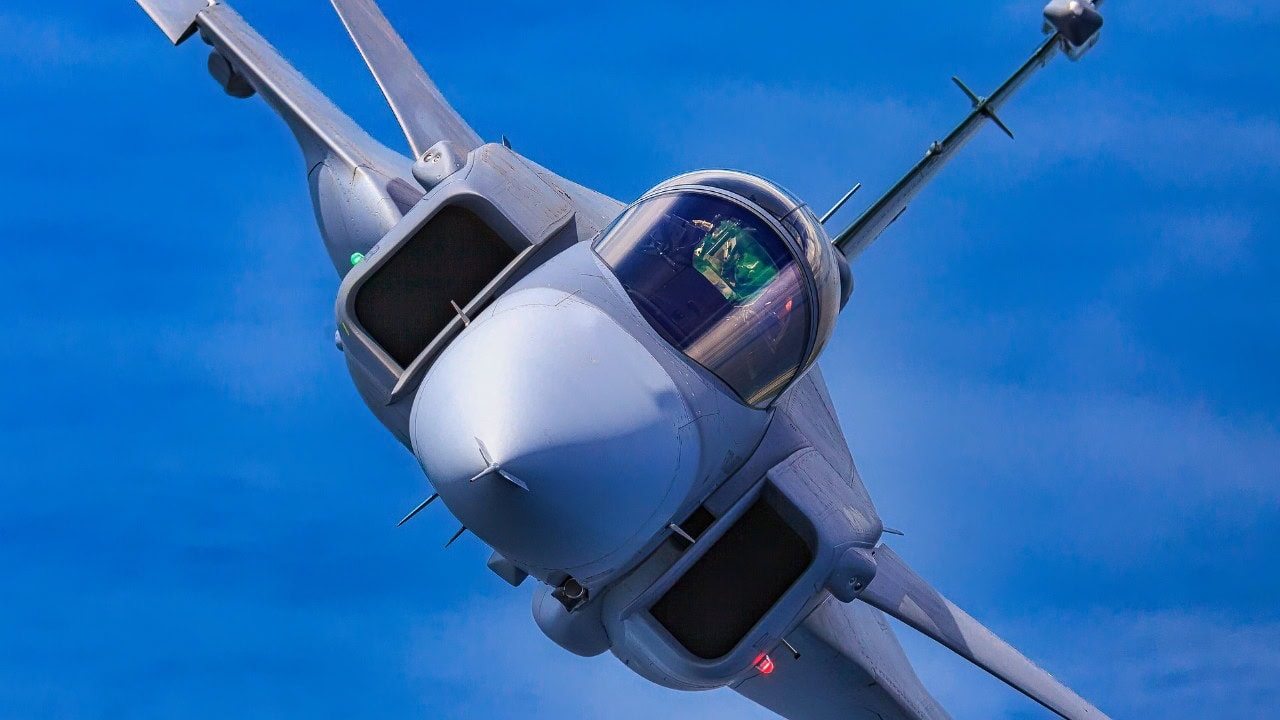
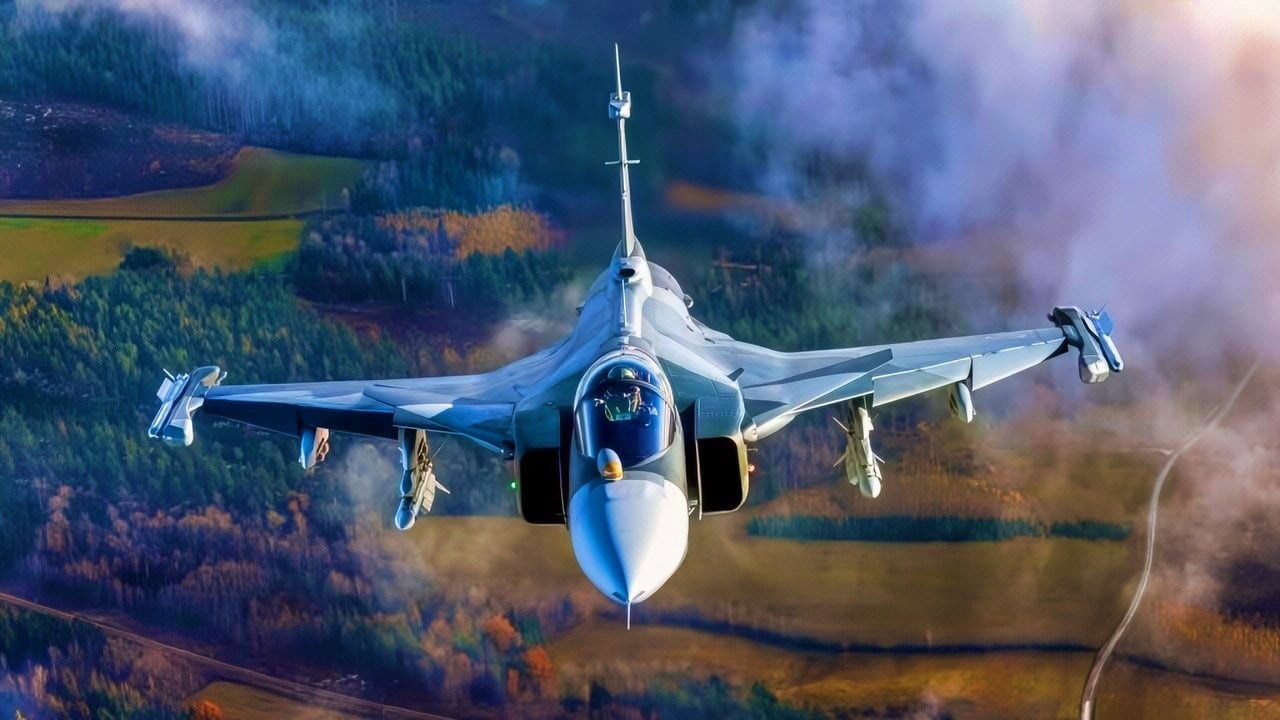
The Gripen embodies Sweden's Cold War-era dispersed-basing doctrine (Bas 90): the airframe is designed to operate from ~600-800 m stretches of reinforced highway, be turned around in 15-25 minutes by small conscript-augmented ground crews, and survive by never concentrating on large, targetable airbases. As long-range precision strike proliferates, this doctrine — long viewed as a Swedish idiosyncrasy — is increasingly studied by NATO air forces under the Agile Combat Employment concept, and it is a core argument in Saab's export pitch.
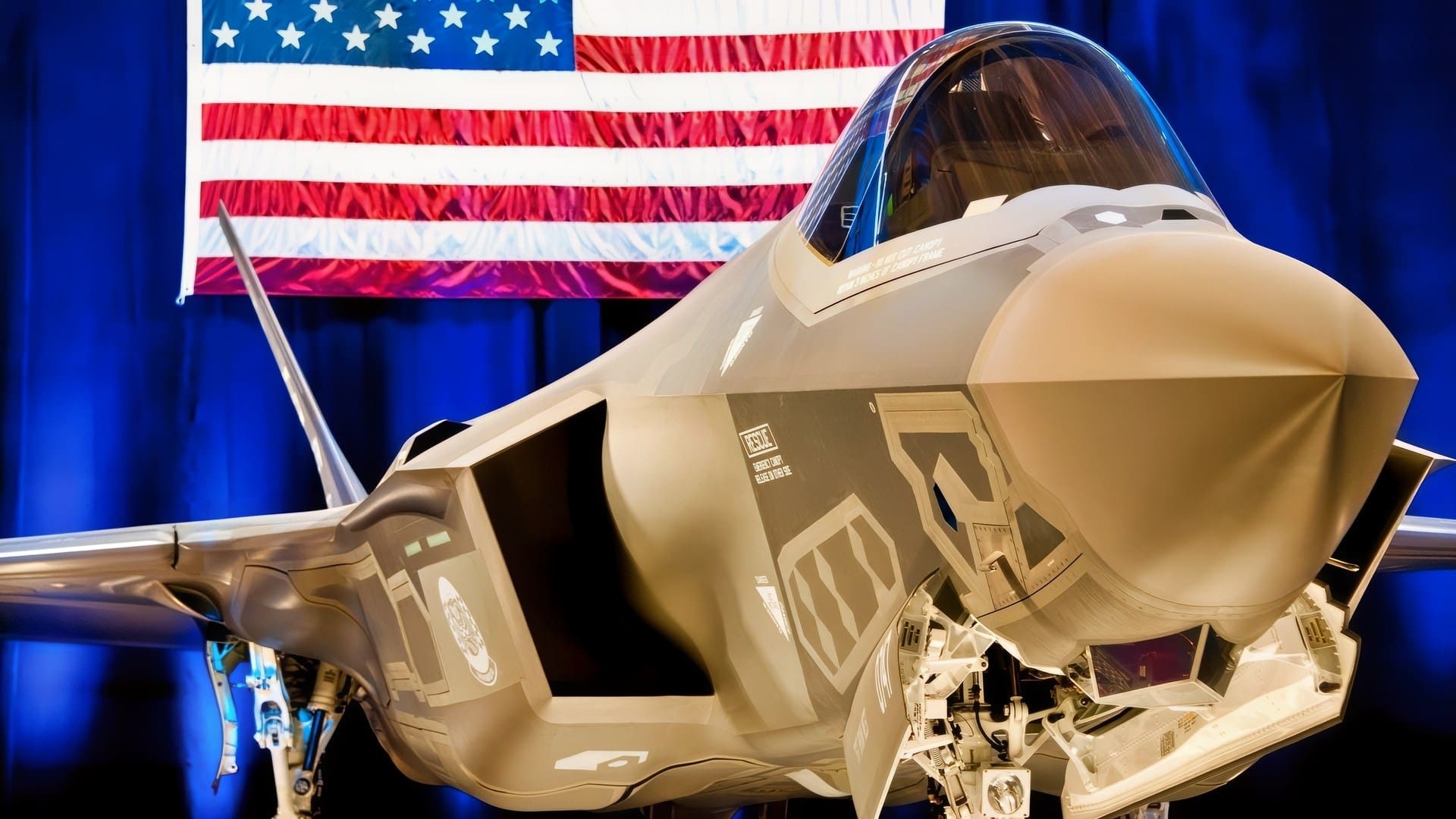
Commercially, the Gripen occupies the niche of a lower-cost, low-logistics single-engine multirole fighter positioned against the F-16V and, at the high end, the F-35. Its record is mixed: it has repeatedly lost flagship competitions to the F-35, but the E/F generation gained momentum in 2025-2026 with Thailand's first E/F batch, Colombia's selection, and above all Ukraine's letter of intent for up to 100-150 aircraft followed by a firm 16-aircraft order — potentially the largest Gripen program ever if fully realized. Reported first combat use by Thai C/Ds in the 2025 border clashes added an operational data point the program previously lacked.
The program's constraints are equally structural. The GE F414 engine and other US-origin content leave exports subject to American ITAR approval, a lever that has shaped past campaigns; production capacity is modest compared with Lockheed Martin's, making the 2029-2030 Ukraine delivery timeline and any ramp toward triple-digit fleets a significant industrial test; and Sweden's own future combat air choices (FCAS-adjacent studies) will determine how long the E/F remains the top of Saab's fighter line. The Gripen is therefore best assessed not as a peer to fifth-generation types but as a credible, survivable mass option for air forces prioritizing sortie generation, dispersal and cost per flight hour.