
Saudi Arabia Is Preparing a Naval Offensive to Break the Houthi Chokehold
 Alexandra Reeves
Saudi Arabia Is Preparing a Naval Offensive to Break the Houthi Chokehold
Four years ago, Riyadh was desperate to get out of Yemen. Now, according to Yemeni sources cited by the Institute for the Study of War (ISW), the kingdom is concentrating forces for a naval and possibly land offensive to end the Houthi “chokehold” on Saudi Red Sea oil exports. That is a remarkable reversal, and it is happening faster than almost anyone in Washington is paying attention to.
The Blockade That Broke the Truce
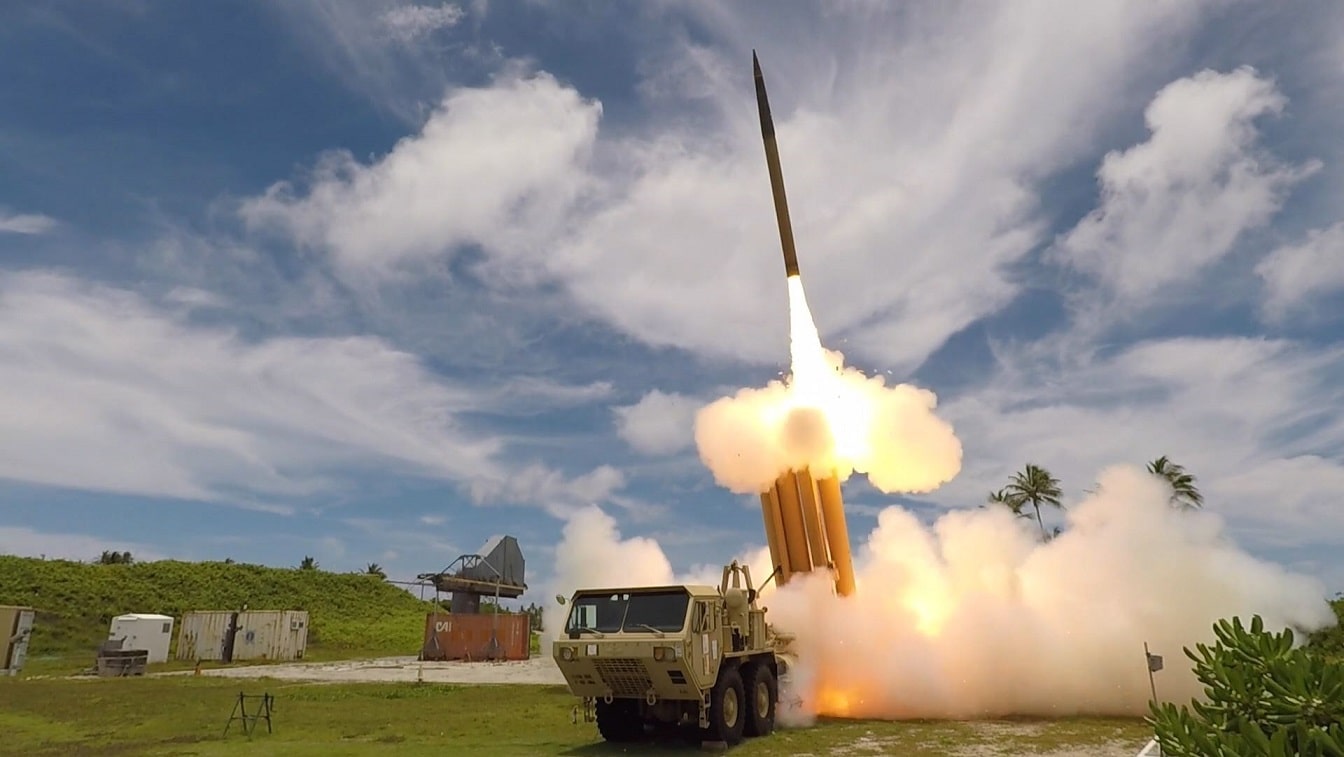
The trigger was the Houthis’ unilateral maritime embargo, announced on July 20. Houthi military spokesman Yahya Saree declared the blockade of Saudi shipping in retaliation for what the group called Riyadh’s “unjust and oppressive siege on our dear people,” and framed it as an “eye for an eye.” The embargo followed a Saudi-led strike on an airport under Houthi control, which broke a four-year truce along the Saudi-Yemeni border that had largely held since 2022.
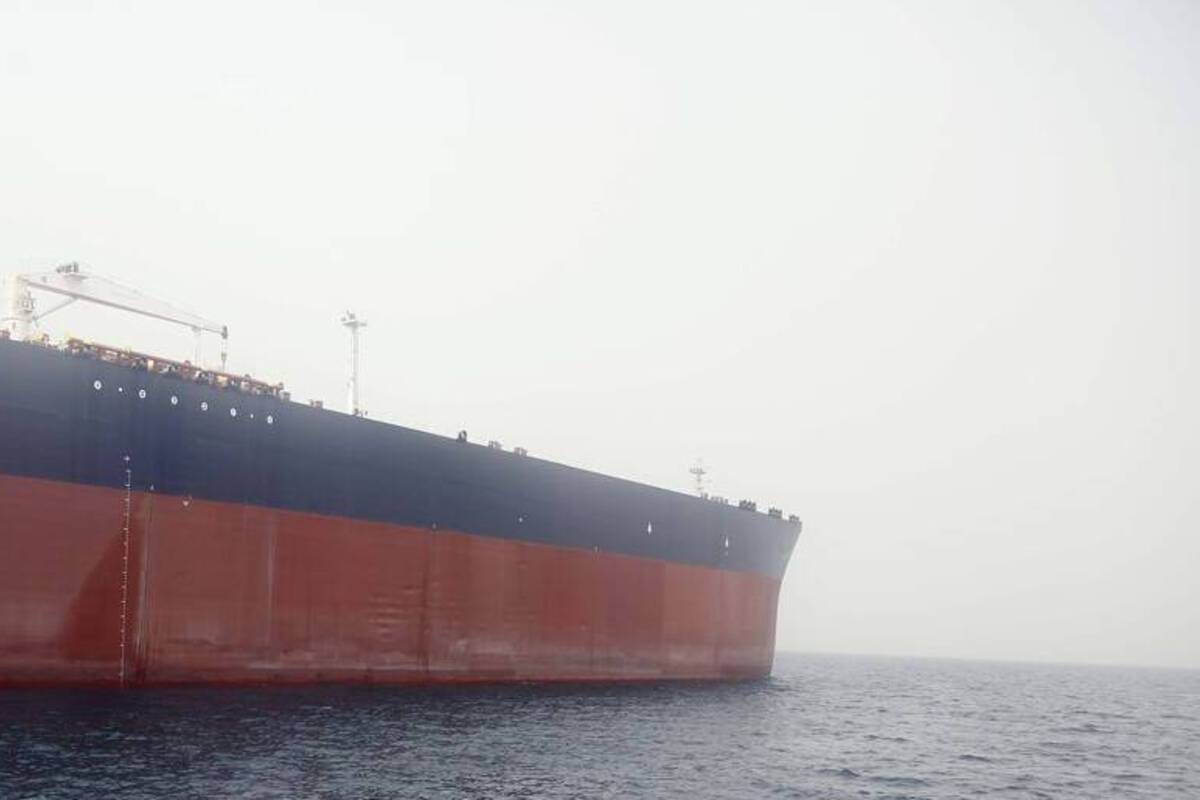
This is not a symbolic gesture. The Houthis have since claimed ballistic missile attacks on Saudi oil tankers off Yanbu, the kingdom’s main Red Sea export terminal, including the NCC Wafaa. Saudi air defenses have intercepted at least two ballistic missiles aimed at Yanbu’s oil refineries, according to Greek security sources cited by Reuters. Tanker traffic through the Bab el-Mandeb Strait has slumped to multi-month lows, with as few as 11 tankers carrying commodities on a single day in early August.
Fighting Is Already Escalating Across Yemen
The maritime war is running parallel to a ground war that never really stopped. Between August 7 and 10, Republic of Yemen Government (ROYG) forces and the Houthis exchanged fire across multiple governorates, according to ISW’s August 10 Iran Update. The sequence is telling: Houthi attacks on ROYG camps and civilian areas in Marib and Hadramawt on August 6-7; ROYG retaliation against Houthi positions on August 8; a Houthi drone and missile strike on the ROYG-controlled Mocha Port in Taiz on August 9 that killed four soldiers and three civilians; and ROYG drone strikes in Marib the next day.
On August 11, Yemen’s government reported that a Houthi attack on a vessel in the Bab al-Mandeb Strait killed four people, according to Al Jazeera. Clashes in Marib have left more than a dozen dead in the past 48 hours, and the UN envoy has publicly warned of escalation.
What Riyadh Is Actually Preparing
ISW reported on August 10 that Yemeni sources say Saudi Arabia is preparing “a naval and possible land offensive” to break the chokehold on its oil exports. The kingdom has also moved institutionally: on July 30, Saudi Arabia and 13 other nations, including Pakistan, Turkiye and Egypt, formally established the Multinational Maritime Defence Alliance (MMDA), a Saudi-led coalition headquartered in the kingdom to protect commercial shipping and energy routes through the Red Sea.
Read that combination carefully. A defensive naval coalition plus reported offensive preparations is not a contradiction. It is a doctrine: the MMDA gives Riyadh cover and coalition partners, while the reported offensive plans suggest the kingdom no longer believes the blockade can be broken by escorting ships alone. If the Houthis can hold tanker traffic hostage at Bab el-Mandeb with missiles and drones, the only durable answer is to suppress their coastal strike capability at the source.
The Economics Nobody Wants to Discuss
The stakes are not abstract. Saudi Arabia exports the vast majority of its crude through the Red Sea, and Bab el-Mandeb is the funnel. A sustained Houthi blockade does to Riyadh what no adversary has managed in decades: it directly taxes the kingdom’s single source of revenue. That is why the calculus in Riyadh has shifted so quickly. A costly limited war against the Houthis now looks more affordable than a slow-motion economic strangulation that lasts into next year.
There is also a regional dimension. The Houthis are Iran’s most intact proxy after two rounds of war against Tehran, and their Red Sea campaign is deliberately designed to distract and drain the US-led coalition during the Hormuz negotiations. Every tanker the Houthis force to reroute is leverage for Tehran at the table.
The Hard Questions
Here is where the uncomfortable part starts. Saudi Arabia has tried to beat the Houthis on the ground for nearly a decade and failed. The Houthis have absorbed bombing campaigns, naval blockades and ground offensives, and they still hold Sanaa and control the Red Sea coast. A naval offensive requires either a contested amphibious landing on Houthi-held coastline or a blockade-enforcement campaign that the Houthis can contest with missiles, drones and naval mines. Both options carry real risk of escalation with Iran, and both require the kind of joint warfighting the Saudi-led coalition has historically struggled to execute.
The MMDA, for all its diplomatic weight, has not yet been tested in combat. Pakistan and Turkiye bring capable navies, but neither has signed up to fight the Houthis on Saudi’s behalf. Coalition members may find escort duty acceptable and offensive operations much less so.
The real question isn’t whether Riyadh can break the blockade. It’s whether the kingdom is willing to start a war it may not be able to finish, and whether its new coalition partners will still be standing with it when the first missile hits a Saudi tanker.
What to Watch Next
The signals to track in the coming weeks: whether Saudi Arabia actually authorizes strikes on Houthi coastal missile batteries and launch sites near Hodeida; whether MMDA members move from declarations to deployed escorts; and how Washington reacts, given the US is simultaneously trying to keep Iran negotiations alive and avoid a second front. The most likely outcome is neither a clean offensive nor a quick diplomatic fix, but a grinding maritime war of attrition in the Red Sea that raises global shipping costs and keeps oil markets on edge. Saudi Arabia spent four years trying to leave Yemen. The Houthis may have just pulled it back in.
Saudi Arabia is preparing a naval and possible land offensive against the Houthis to break their blockade on oil exports. The Houthis declared a maritime embargo on Saudi shipping, leading to escalated fighting across Yemen. Saudi Arabia has also formed the Multinational Maritime Defence Alliance to protect commercial shipping routes. Recent clashes have resulted in multiple casualties, indicating a significant increase in hostilities.
- Saudi Arabia is preparing a naval offensive against the Houthis to secure oil exports.
- The Houthis declared a maritime embargo on Saudi shipping on July 20, 2023.
- Fighting has escalated between ROYG forces and the Houthis across multiple governorates in Yemen.
- Saudi Arabia established the Multinational Maritime Defence Alliance (MMDA) on July 30, 2023.
- Recent clashes have resulted in casualties, including military personnel and civilians.