
Seven Countries Participate in Pacific Dragon 26, Ballistic Missile Defense Network Connected by U.S. Ship Equipped with SPY-6 and Japan's Kongo
 Tanaka Takashi
Seven Countries Participate in Pacific Dragon 26, Connecting U.S. Ships Equipped with SPY-6 and Japan's Kongo in a Ballistic Missile Defense Network
[Hawaii, Pearl Harbor] On the morning of August 12, North Korea launched its 11th ballistic missile of the year. The U.S. Third Fleet was conducting the BMD exercise Pacific Dragon 26 (PD26) off the coast of Hawaii.
The Eighth Multinational BMD Exercise
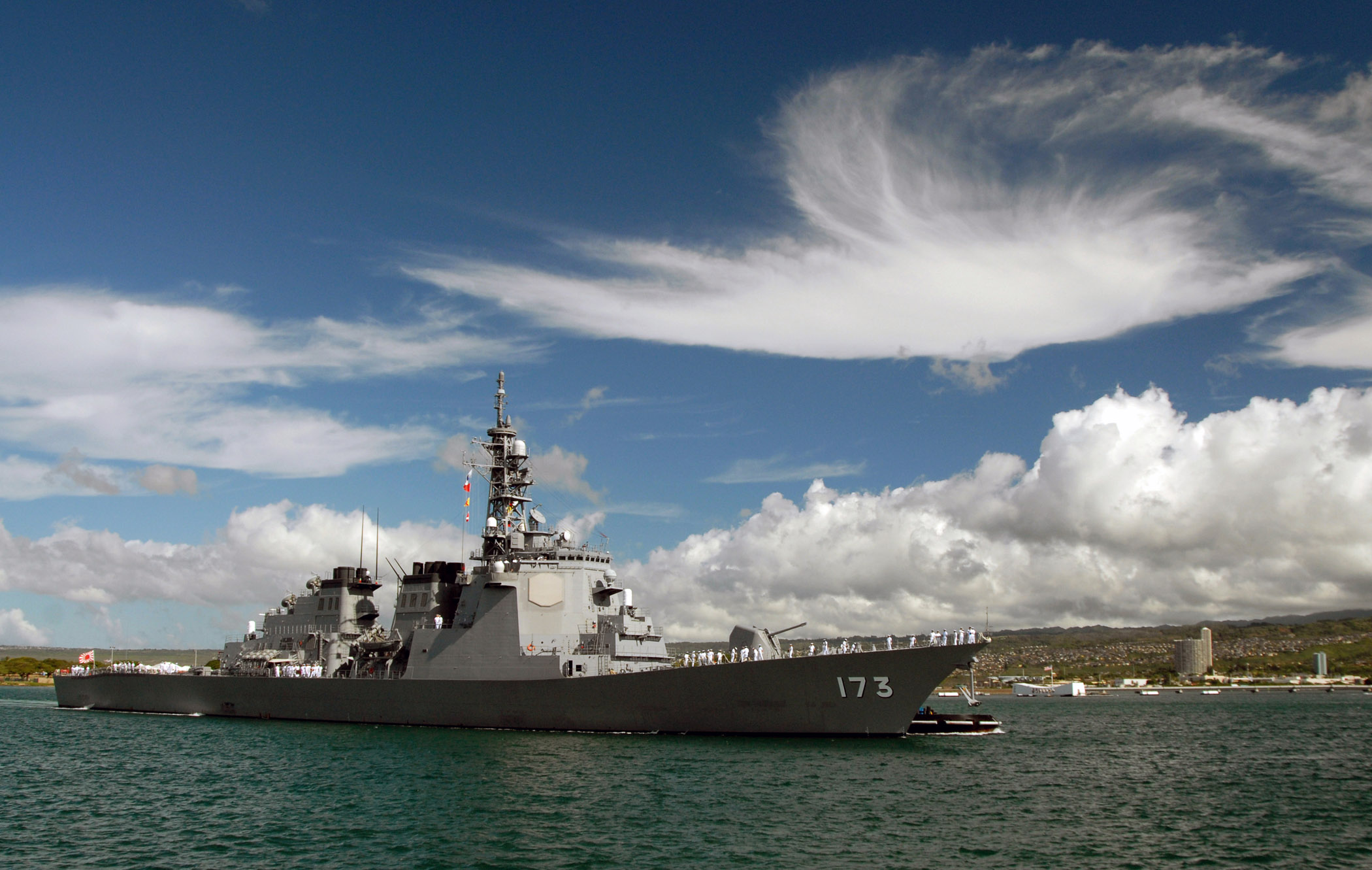
According to announcements from the U.S. Navy and the Missile Defense Agency (MDA), PD26 was conducted from August 6 to 13 off the coast of Kauai, with the conclusion announced on the 15th. This was the eighth iteration of the biennial exercise. Seven countries participated, with Chile and Spain joining for the first time.
The participating ships included the U.S. Aegis destroyer USS Jack H. Lucas (the first Flight III, AN/SPY-6), Japan's destroyer Kongo (DDG-173), South Korea's destroyer ROKS Jeongjo the Great, and Australia's destroyer HMAS Sydney. From the air, the Royal Australian Air Force's E-7A and the U.S. Navy's P-8A participated, with the BQM-177A carrying simulated ballistic missiles.
The Essence of the Exercise Lies in "Interconnection," Not Interception
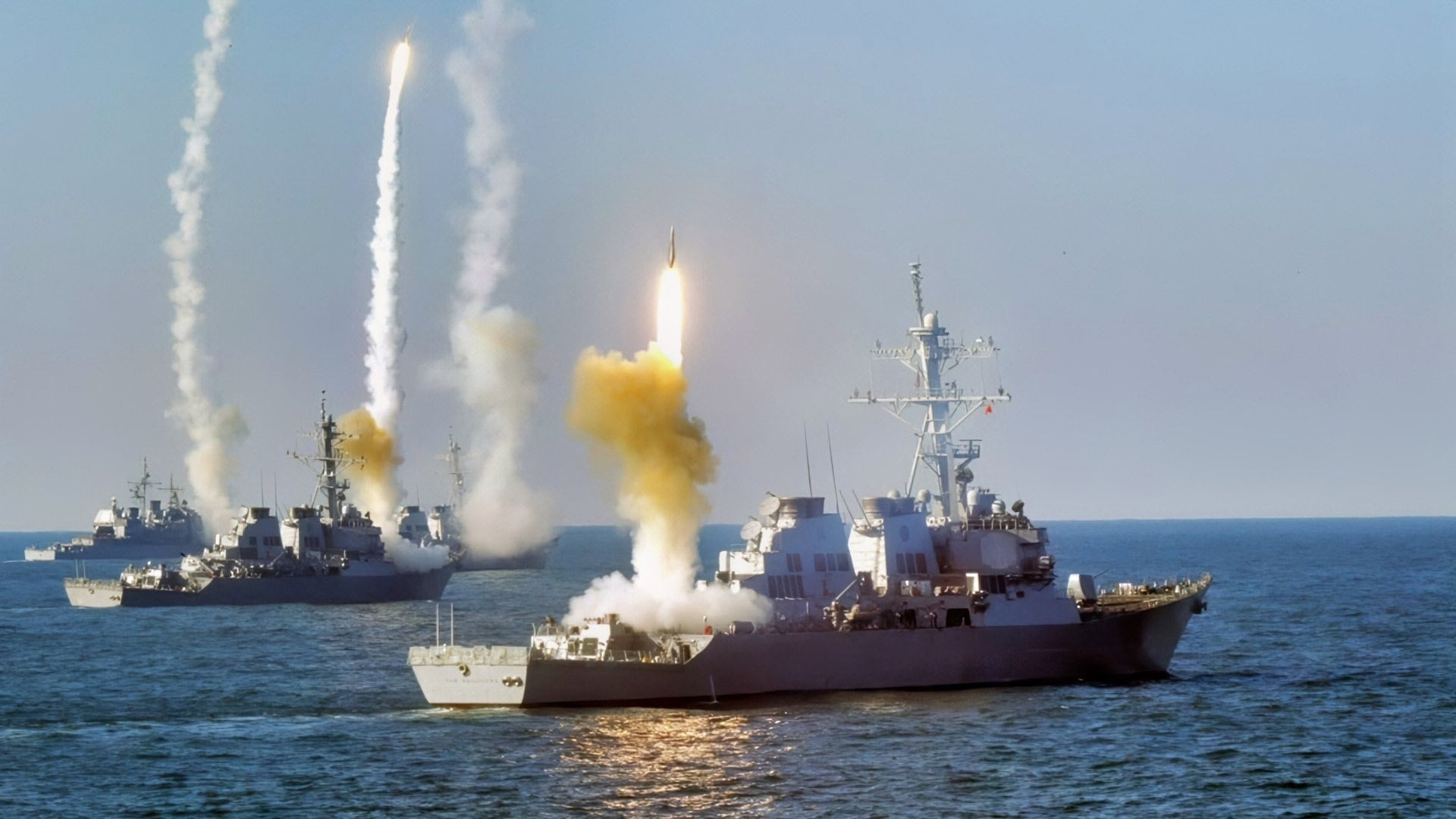
The focus of PD26 is on information sharing through Tactical Data Links (TDL). The track captured by a ship from one country is shared almost simultaneously with all participating nations. The design philosophy questions not "Whose sensor is it?" but rather "Is it captured across the entire network?"
"Pacific Dragon 26 demonstrates the strength of alliances and partnerships and our shared commitment to Integrated Air and Missile Defense (IAMD)" — U.S. Third Fleet Commander Vice Admiral Miges
Notably, the Japanese and South Korean Aegis ships were connected to the same data network. Even if political relations cool, the BMD network continues to connect.
What the First Participation of Two European Countries Means
The first participation of Chile and Spain indicates that this network is no longer just an "Asia-Pacific framework." However, capabilities are uneven. The Italian ship is a patrol vessel, and it is difficult to say that the Chilean ship has the capability to intercept theater ballistic missiles. The value lies not in the sum of individual ship capabilities but in the number of connection points.
Simultaneous Exercises and Provocations, and the Shrinking of Politics
On August 12, during the exercise, North Korea launched its 11th ballistic missile from near Wonsan. The flight distance was approximately 700 kilometers, following a launch six days prior.
The contrast is striking. In South Korea, it was reported that the scale of U.S. participation in the Ulchi Freedom Shield (UFS26) has been significantly reduced. The visible exercises are shrinking. Meanwhile, the technical network exercise off the coast of Hawaii has expanded with more participating countries.
The Network Expands, but Ship Age Advances
One often-overlooked fact: among the BMD ships of the seven participating countries, Japan operates the oldest vessel. The Kongo, an Aegis destroyer commissioned in 1993, remains connected to the front-line data network after undergoing BMD upgrades. The commissioning of its successor, the ASEV, is not expected until at least fiscal year 2027.
North Korea has launched 11 missiles this year alone. The network has expanded to seven countries. However, the core of Japan's BMD capabilities is supported by the 33-year-old Kongo class. The speed of network expansion and the aging of ships — which will reach its limit first? Before celebrating the success of PD26, shouldn't we confront this question?
North Korea launched its 11th ballistic missile of the year on August 12, 2023, during the Pacific Dragon 26 ballistic missile defense exercise off the coast of Hawaii. The exercise, involving seven countries, focused on information sharing among naval forces, including the U.S. Navy and Japan's Maritime Self-Defense Force. This year's event marked the first participation of Chile and Spain, expanding the exercise's international scope.
- North Korea launched its 11th ballistic missile of the year on August 12, 2023.
- The Pacific Dragon 26 exercise involved 7 countries and took place from August 6 to 13, 2023.
- The exercise focused on information sharing through tactical data links.
- Japan's Kongo-class destroyer is the oldest participating vessel, commissioned in 1993.
- Chile and Spain participated for the first time, indicating a broader network beyond the Asia-Pacific region.