
The 2026 U.S. Training of Japan's Maritime Self-Defense Force Submarines Reveals Practical Challenges in Japan-U.S. Anti-Submarine Warfare
 S.W
S.WThe 2026 U.S. Training for Japan's Maritime Self-Defense Force Submarines Highlights Practical Challenges in Japan-U.S. Anti-Submarine Warfare
On September 2, the Japan Maritime Self-Defense Force announced the first submarine training to be conducted in the United States in fiscal year 2026. Although the announcement itself is brief, it is significant when considering the underwater warfare of the Japan-U.S. alliance. Submarines are difficult to disclose in terms of ship names and routes, and even when only the existence of training is indicated, the practical focus becomes which maritime area, with which adversary, and what data will be exchanged.
Significance of the Training
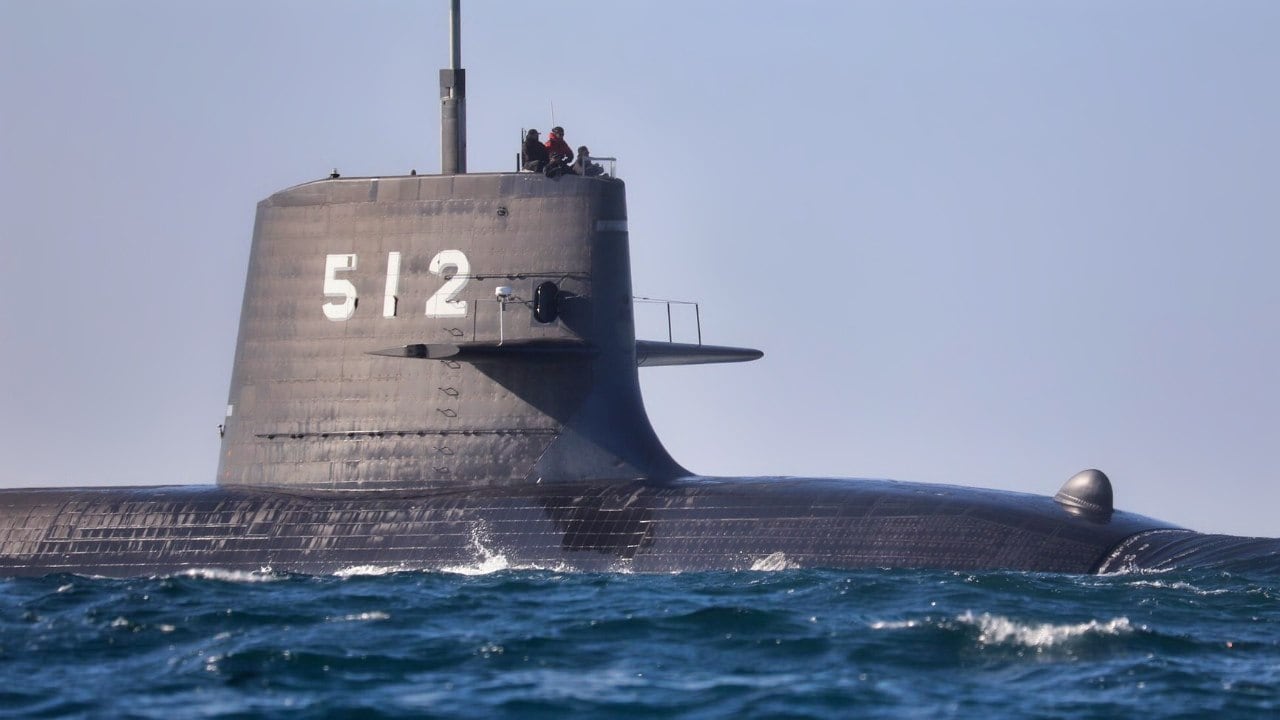
The submarine fleet of the Japan Maritime Self-Defense Force has been centered around vessels such as the Soryu-class, which are approximately 84 meters in length and have a standard displacement of about 2,950 tons. Victory is not determined solely by the quietness of the ship. It is necessary to connect the U.S. Navy's P-8A patrol aircraft, towed sonar, satellite communications, and anti-submarine sensors from destroyers without contradiction to the submarine's low emission levels. The value of the training lies in the ability to repeatedly connect data between the "finder" and the "hider," rather than merely comparing the performance of individual ships.
Remaining Blind Spots in SLOC Defense
The SLOC (Sea Lines of Communication) around Japan cannot be treated separately for the Nansei Islands, the East China Sea, and the Japan Sea. In the event of a crisis in Taiwan, submarines must not only search for enemy fleets but also secretly monitor the approach of transport convoys, providing opportunities for friendly surface ships and aircraft to make contact. However, if the format of acoustic data, rules of engagement, and acceptable communication delays differ between Japan and the U.S., even superior sensors can delay decision-making.
Japan-U.S. anti-submarine cooperation has a long history. However, the question of who will authenticate the contact information obtained from joint training during peacetime and how quickly it will be distributed to forces in a crisis does not appear on equipment lists. This upcoming training in the United States should be viewed as an opportunity to verify those procedures.
Separating Capability and Intent
It is not a solution to simply increase the number of JMSDF ships due to the expansion of the Chinese Navy's submarines. At a stage where the adversary's intentions are unclear, long-term monitoring and reconfirmation of contacts are crucial, and how to combine manned submarines, P-1 patrol aircraft, and unmanned underwater vehicles becomes a question. Conversely, the more Japan and the U.S. share contact information, the more the communication network itself can become a target for detection and disruption.
According to Takashi Tanaka, the most dangerous gap in anti-submarine warfare is not underwater, but in the few minutes it takes for authenticated information to be transformed into operational orders.
Sources
- Japan Maritime Self-Defense Force "The 1st Submarine Training in the United States in 2026 (FY2026)" September 2, 2026
- Ministry of Defense and Self-Defense Forces, Security-related schedule announced on September 15, 2026
Japan Maritime Self-Defense Force announced the first submarine training in the United States for FY2026, focusing on anti-submarine warfare collaboration with the U.S. Navy. The training will involve Soryu-class submarines and aims to enhance data exchange between detecting and hiding parties. Differences in acoustic data formats and communication protocols could impact operational efficiency.
- Japan Maritime Self-Defense Force announced submarine training in the U.S. for FY2026.
- Training focuses on anti-submarine warfare collaboration with the U.S. Navy.
- Submarines involved include Soryu-class vessels.
- Training aims to improve data exchange between detecting and hiding parties.
- Differences in acoustic data formats and communication protocols may affect operational efficiency.