
The 48th Escort Task Force of the People's Liberation Army Concludes Visit to Bangladesh, ASEAN Trident Determination Exercise Tests Regional Coordination
 Li Minghui
The 48th Escort Task Force of the PLA Concludes Visit to Bangladesh; ASEAN Trident Resolve Exercise Tests Regional Coordination
On September 21, the 48th Escort Task Force of the Chinese Navy concluded its friendly visit to Chittagong, Bangladesh. On the same day, the Chinese military announced that it would send a contingent to Indonesia from September 22 to 25 to participate in the ASEAN Defense Ministers' Expanded Meeting "Trident Resolve" live-fire exercise. Viewing these two pieces of news together is more interesting than looking at a port visit in isolation: the PLA is integrating far-sea presence, disaster relief, and multinational training into the same regional operational logic.
This is not just a simple port courtesy
According to reports from China National Radio citing "People's Navy," during the visit of the 48th Escort Task Force, the task force commander met with military and political leaders of Bangladesh, and personnel from the task force exchanged experiences at the Bangladesh Naval Academy. Both sides also organized professional exchanges, ship tours, cultural and sports activities, and a deck reception. Public reports did not disclose the specific number of vessels carried by the task force or subsequent routes, so this visit cannot be directly interpreted as a new base arrangement. However, it at least indicates that the task of the escort task force is no longer just to protect merchant ships but also to stabilize the naval external communication network.
"Trident Resolve" Tests Organizational Capability
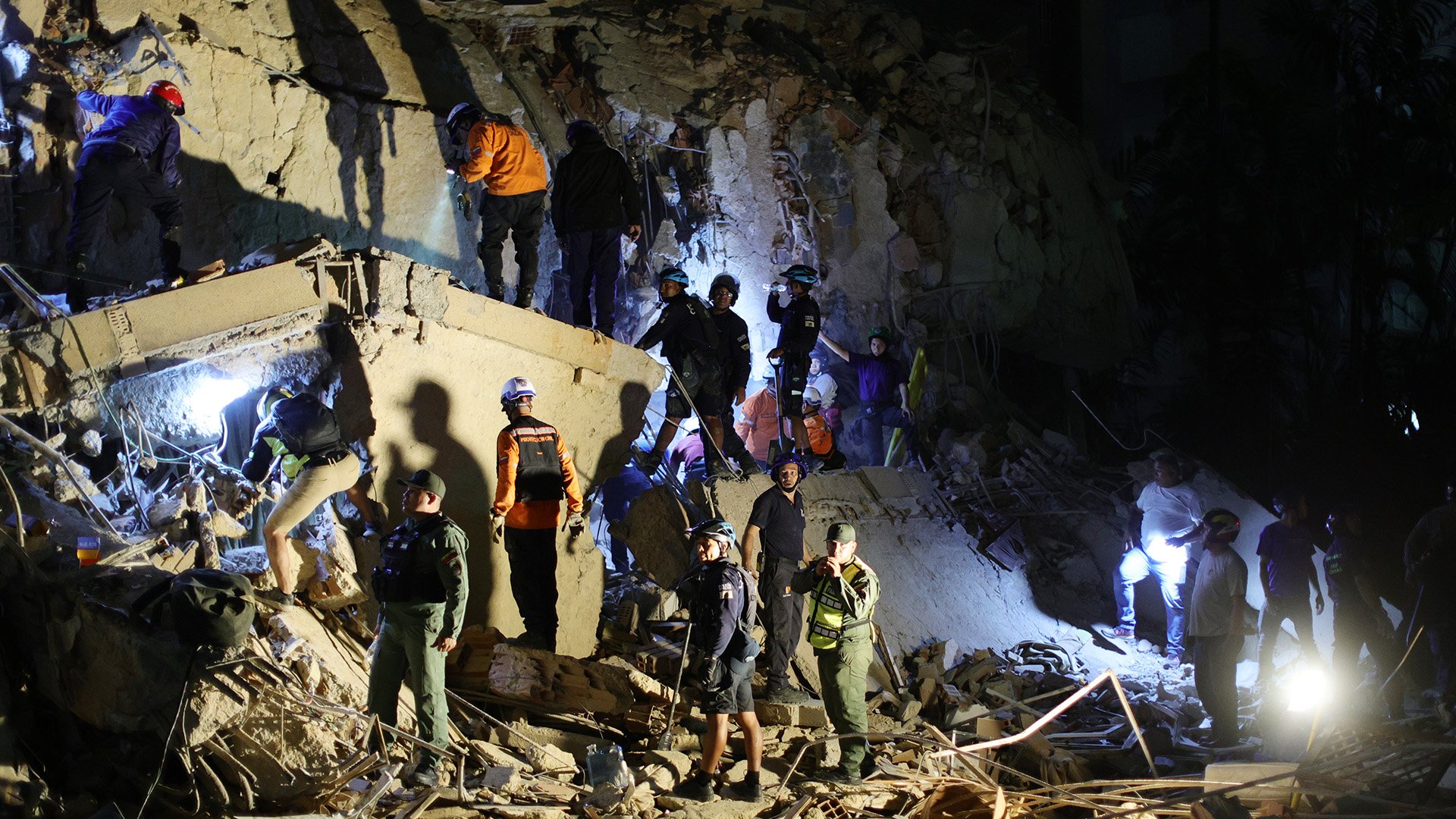
This exercise is set against the backdrop of earthquakes and secondary compound disasters, with subjects including rubble search and rescue, multinational joint field medical treatment, epidemic prevention and disinfection, disaster communication emergency response, as well as tabletop exercises and live drills. The absence of high-end equipment such as the J-20 or Type 055 destroyers does not imply low military value. On the contrary, humanitarian rescue most easily exposes the shortcomings of the troops: whether the multinational command chain can be connected, whether casualty information can be shared, who will assign tasks after communication is interrupted, and whether medical and engineering teams can quickly integrate in unfamiliar environments.
For the PLA, such actions are closer to practical training for "non-war military operations." The Chinese military possesses large-scale transport, engineering, medical, and communication capabilities, but embedding these forces into ASEAN's multilateral mechanisms is challenging, not in terms of individual equipment performance, but in standards, language, authority, and on-site decision-making. In simple terms, being able to get personnel and equipment to the site is just the first hurdle; whether they can work according to the same procedures with dozens of countries once on-site is the hard indicator.
Southeast Asia is a Window to Observe PLA's Overseas Operations
The ASEAN Defense Ministers' Expanded Meeting provides a relatively low-sensitivity cooperation scenario for China, ASEAN, and external partners. Beijing can build mutual trust through rescue and disaster prevention topics, and participants can test China's organizational and support capabilities without touching on military alliance issues. This cooperation will not automatically translate into wartime alliances, nor can it be equated with overseas base construction, but it will enhance the Chinese military's proficiency in personnel, information, and logistics coordination between the Indian Ocean and the Western Pacific.
The author believes that what is truly worth observing is not how many participants are involved in this exercise, but whether the Chinese contingent takes on key nodes such as multinational communication, medical coordination, or on-site command. If it merely follows a predetermined script for demonstration, the impact will be limited; if it can integrate into regional emergency mechanisms under complex disaster conditions, the PLA's overseas military presence will gradually shift from "ship visits" to "system availability." Current public information is insufficient to answer this question, and this is precisely where "Trident Resolve" is more worthy of tracking than a mere equipment showcase.
Sources
The Chinese Navy's 48th escort fleet concluded its visit to Chittagong, Bangladesh, on September 21, 2026, and is scheduled to participate in the ASEAN Trident Resolve exercise in Indonesia from September 22 to 25. This exercise will focus on humanitarian assistance and disaster relief, testing multinational coordination capabilities. During the visit, the fleet engaged in professional exchanges with Bangladeshi military leaders.
- The Chinese Navy's 48th escort fleet completed a visit to Chittagong, Bangladesh.
- The fleet will participate in the ASEAN Trident Resolve exercise in Indonesia from September 22 to 25, 2026.
- The exercise focuses on humanitarian assistance and disaster relief operations.
- The visit included meetings with Bangladeshi military leaders and professional exchanges.
- The operation aims to enhance regional cooperation and military readiness.