

Key Points and Summary – A carrier-launched stealth strike aircraft could have transformed the Carrier Air Wing—yet the Navy’s early attempt, the A-12 Avenger II, never reached the fleet.
-Born from the Advanced Tactical Aircraft program to replace the A-6 Intruder, the A-12 aimed to combine stealth shaping with carrier launch-and-recovery requirements.
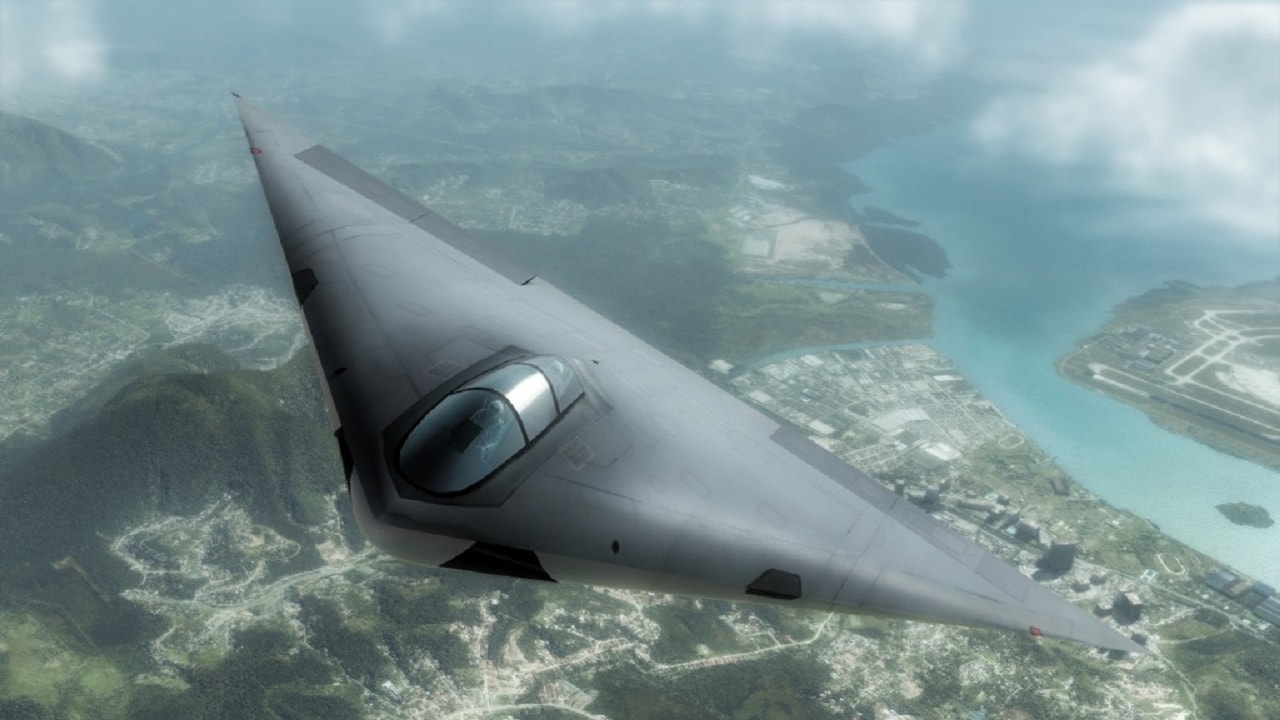
A-12 Avenger II. Image Credit: Creative Commons.
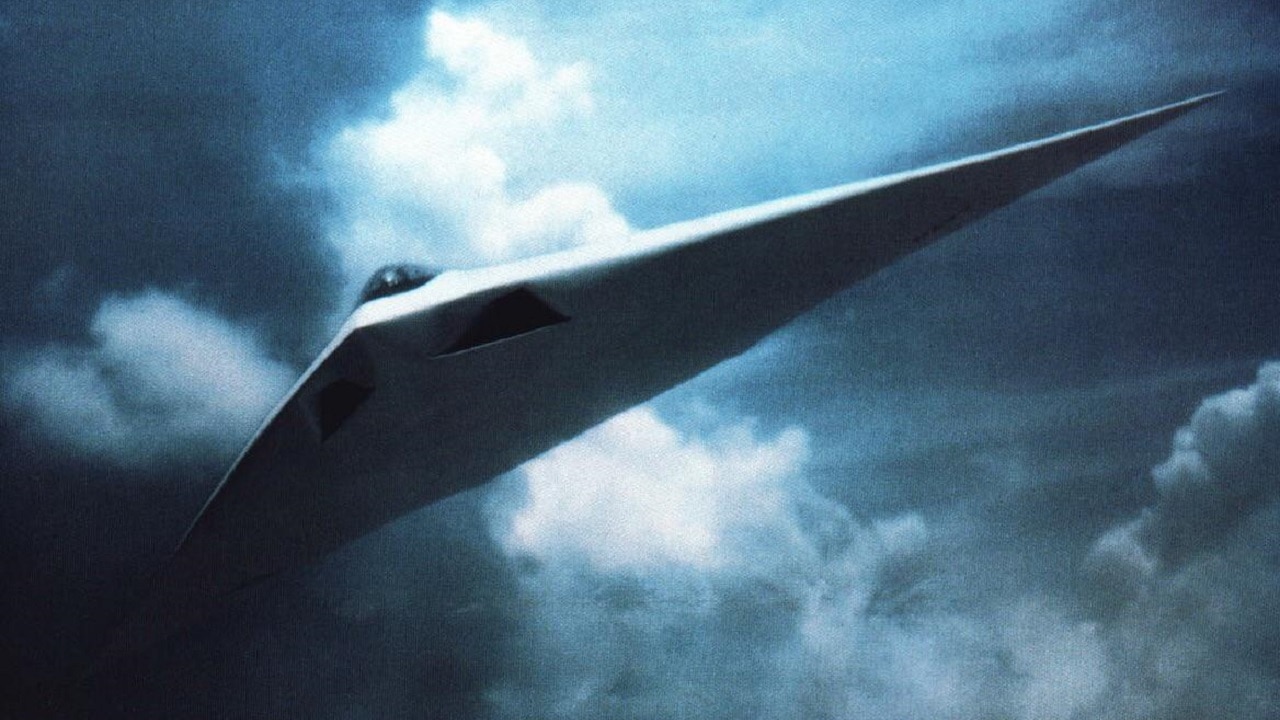
A-12 Avenger. Image Credit: Creative Commons.
-The program was ultimately canceled in 1991 amid cost growth, weight and design challenges, and the sheer difficulty of making it operate safely from a moving deck.
-Still, the ambition didn’t vanish: later breakthroughs like X-47B carrier operations and today’s MQ-25 show the concept evolving, not disappearing.
A-12 Avenger II Summed Up in 1 Word: Lost
It’s easy to envision the incredible tactical benefit that a carrier-launched stealth bomber would provide to a Carrier Air Wing by projecting new dimensions of air power and holding adversaries at risk in unprecedented ways.
US carriers have not offered such a capability, yet it was possible years ago.
A carrier-launched bomber was developed using Air Force stealth technology in combination with Navy weapons developers to bring a new kind of firepower to maritime war.
Development of the A-12 Avenger program began in the early 80s as the Advanced Tactical Aircraft (ATA) program.
The original intent was to replace the Northrop Grumman A-6 Intruder, then in service with the United States Navy and the US Marine Corps.
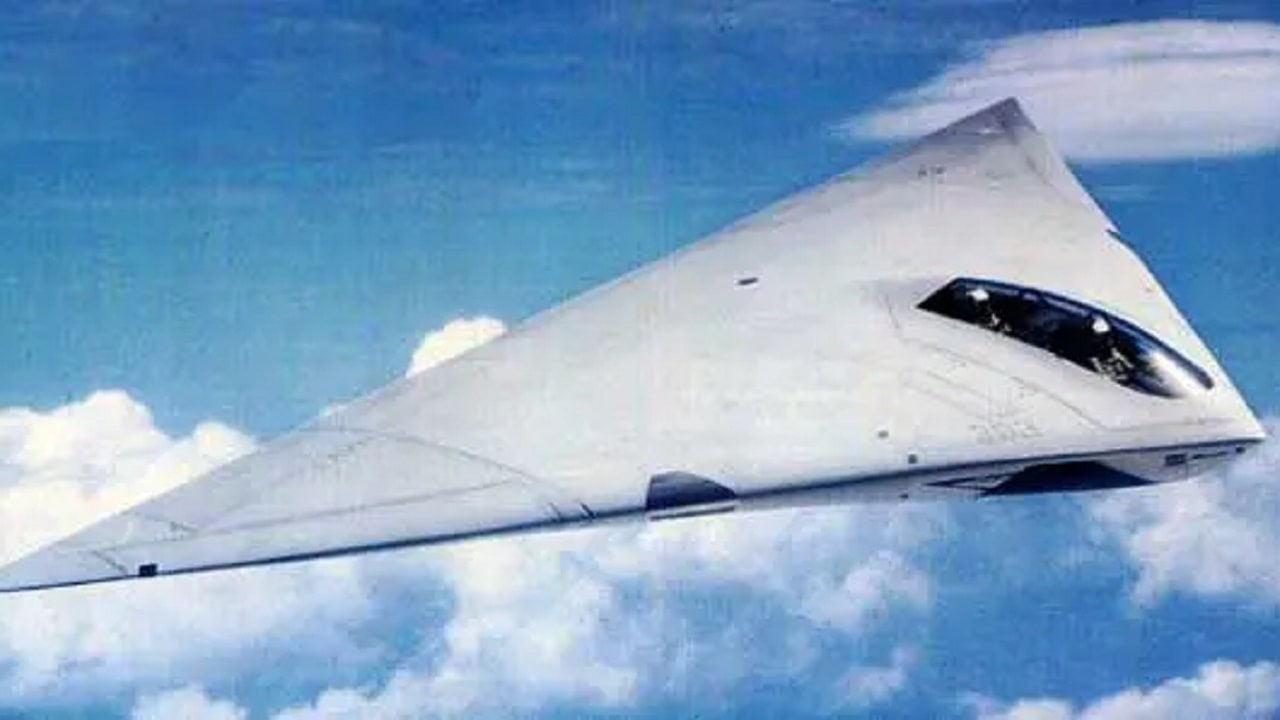
A-12 Avenger. Image Credit: Creative Commons.
The proposed aircraft, engineered by McDonnell Douglas and General Dynamics, was ultimately canceled in 1991 due to reported delays, cost overruns, and other industry-Navy complexities.
As far back as the 1980s, the US Navy had been developing this A-12 Avenger II, a stealthy carrier-launched first-of-its-kind platform.
The Navy developed the platform to launch from and land on a carrier and to perform bombing missions.
The Navy built prototype demonstrators and conducted tests, and the project at times showed promise.
Boeing and General Dynamics won a deal to develop the aircraft in 1988.
A-12 Cancelled
However, in 1991, the project was canceled by the Pentagon and former Vice President Dick Cheney due to cost overruns, weight challenges, and other technological complications, according to an article in The National Interest.
The A-12 Avenger II was initially designed to replace Northrop’s A-6 Avenger.
However, the project was abandoned in favor of the F/A-18 Hornet.
Why would this amazing breakthrough technology possibility be canceled?
Indeed, a stealthy bomber would have been and still is an extraordinary value-added addition to a Carrier Air Wing.
Such an airplane would bring new tactics, attack possibilities, and concepts of operation to the US Navy aircraft carrier power projection.
A-12 Technological Challenges
Looking back a few years, the A-12 Avenger II was most likely canceled for technological reasons, given the complexity of the engineering challenges involved.
However, the concept and ambition certainly lived on, and the US Navy is now engineering specialized new unmanned systems and command-and-control centers to support drone operations from carriers.
Many news essays about the Avenger II at the time of its cancellation spoke of soaring costs and design complications.
However, the Navy has moved on to introduce new platforms beyond the F/A-18 Super Hornet and Growler. And that means a move towards drone platforms. Clearly, the Navy keeps innovating, even if the idea of a stealth bomber did not work out.
The longstanding vision of accomplishing what seems impossible is likely why the successful take-off and landing of the X-47B were so monumental.
While the A-12 Avenger effort may have been regarded as a failure, it may have informed new stealth designs now supporting the US Navy. While this is clearly not a bomber, history was made.
X-47B Stealthy Drone Takes Flight
The United States Navy made history roughly ten years ago by launching the stealthy X-47B demonstrator drone from the deck of an aircraft carrier, a long-sought-after technological capability intended to usher in a new era of carrier air attack.
At the time, Navy weapons developers explained the long-term, massive development effort that made this possible, which involved creating complex new algorithms, navigational technologies, and command-and-control systems.
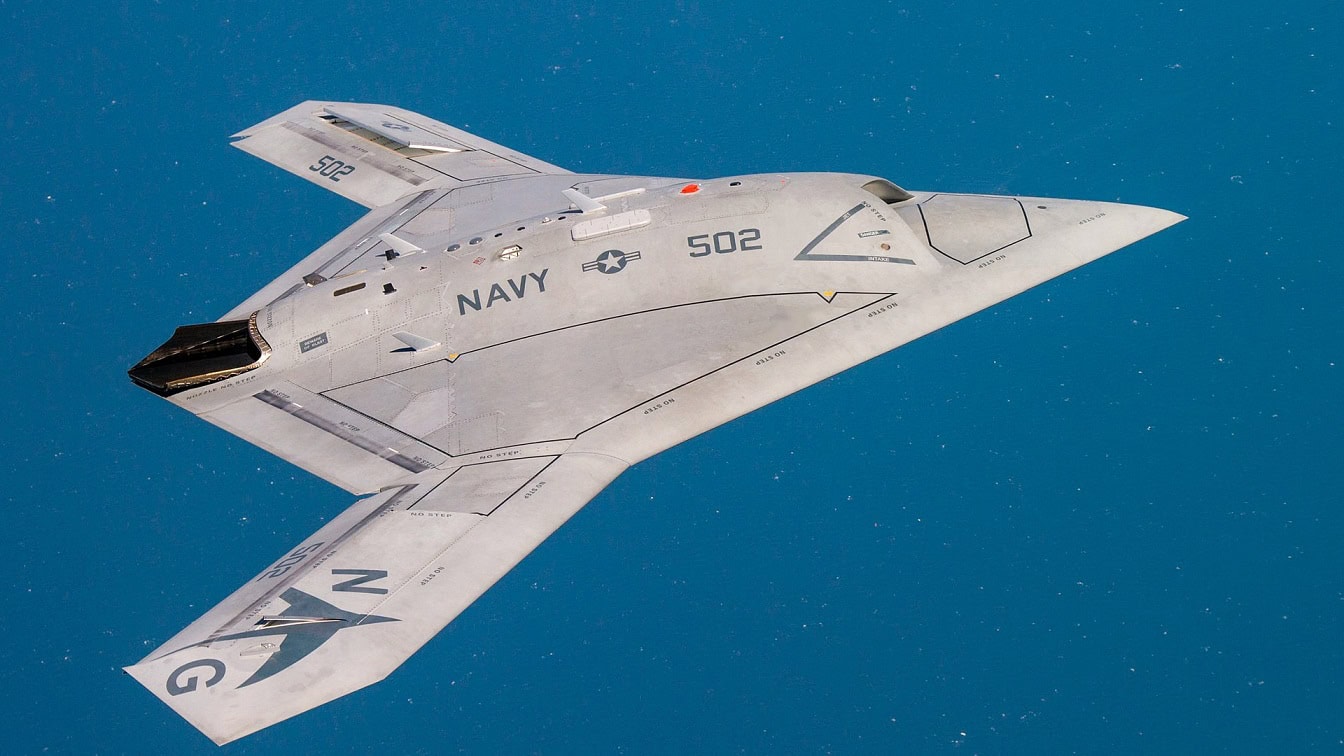
A unmanned X-47B operating over the Atlantic Test Range.
This was considered a breakthrough achievement at the time.
US Navy weapons developers described attempting to land a drone on an aircraft carrier as presenting entirely new challenges compared to historic manned carrier flight.
In particular, Navy developers explained that a new generation of technologies was needed to enable an unmanned system to navigate changing sea states and wind conditions, as well as the challenges posed by landing on a “moving” carrier.
It is not clear what happened to Northrop’s X-47B after its successful flight, but in subsequent years, the service has developed a first-of-its-kind unmanned aerial refueler called the MQ-25 Stingray.
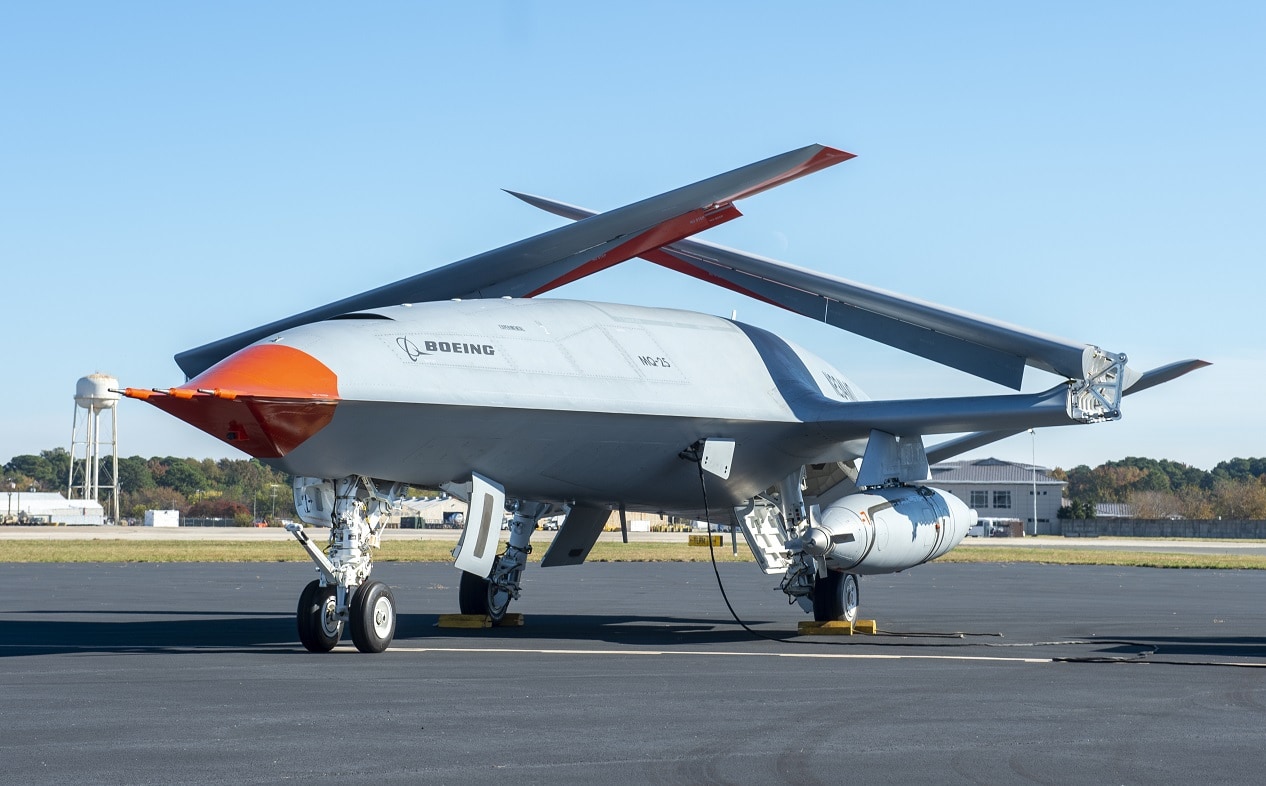
The U.S. Navy and Boeing conducted ground testing of the MQ-25 Stingray at Chambers Field onboard Naval Station Norfolk, Virginia. The MQ-25 Stingray is an unmanned aerial refueling aircraft. (U.S. Navy photo by Mass Communication Specialist 2nd Class Sam Jenkins)
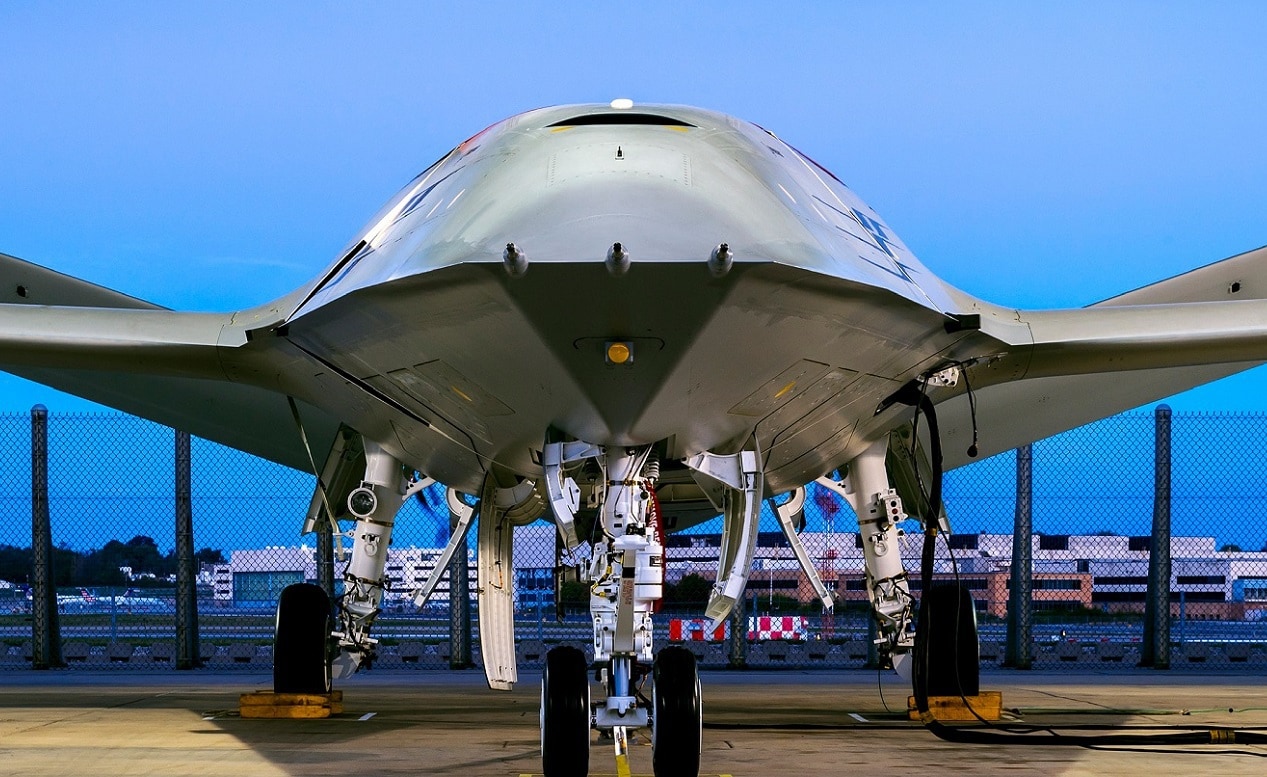
MQ-25. Image Credit – Creative Commons.
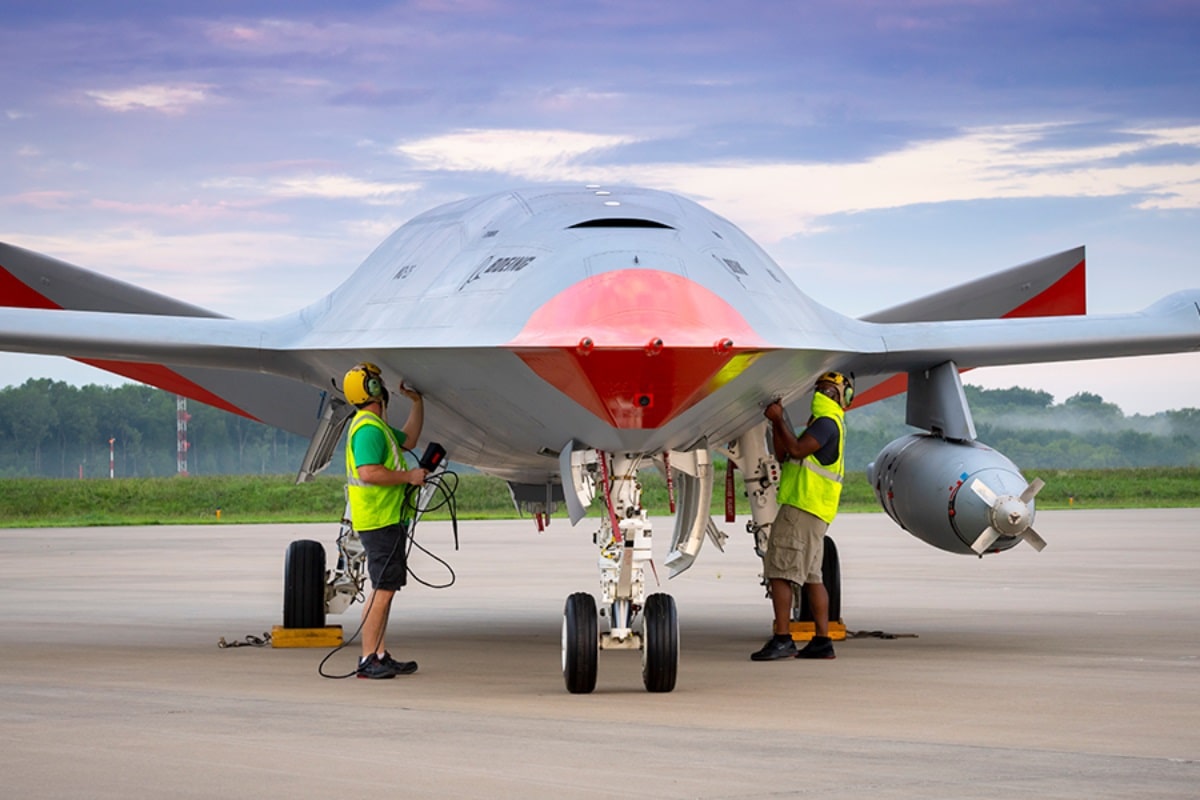
MQ-25. Image: Creative Commons.
This platform, which brings carrier-launched unmanned technology to refuel from a carrier air wing, is now successfully arriving after years of development.
Many consider the X-47B and MQ-25 breakthrough developments because of the many years the US Navy had been attempting unmanned carrier flight.
About the Author: Kris Osborn, Navy and Military Expert
Kris Osborn is the President of Warrior Maven – Center for Military Modernization. Osborn previously served at the Pentagon as a highly qualified expert in the Office of the Assistant Secretary of the Army—Acquisition, Logistics & Technology. Osborn has also worked as an anchor and on-air military specialist at national TV networks. He has appeared as a guest military expert on Fox News, MSNBC, The Military Channel, and The History Channel. He also has a Masters Degree in Comparative Literature from Columbia University.