
The Challenges Posed to the Japan-U.S. Alliance by the Arrest of U.S. Marines in Okinawa and the 48-Hour Operational Halt
 Tanaka Takashi
Challenges Posed to the Japan-U.S. Alliance by the Arrest of U.S. Marines in Okinawa and 48-Hour Operational Pause
On October 6, a 48-hour operational pause was initiated at U.S. military facilities in Okinawa, restricting soldiers' outings. This measure was taken in response to the arrest of a U.S. Marine in connection with the death of a woman in Okinawa Prefecture. The decision to temporarily lower the U.S. military's readiness level was announced relatively quickly after the incident, indicating that it cannot be dismissed as merely a disciplinary issue.
What the 48-Hour Measure Means
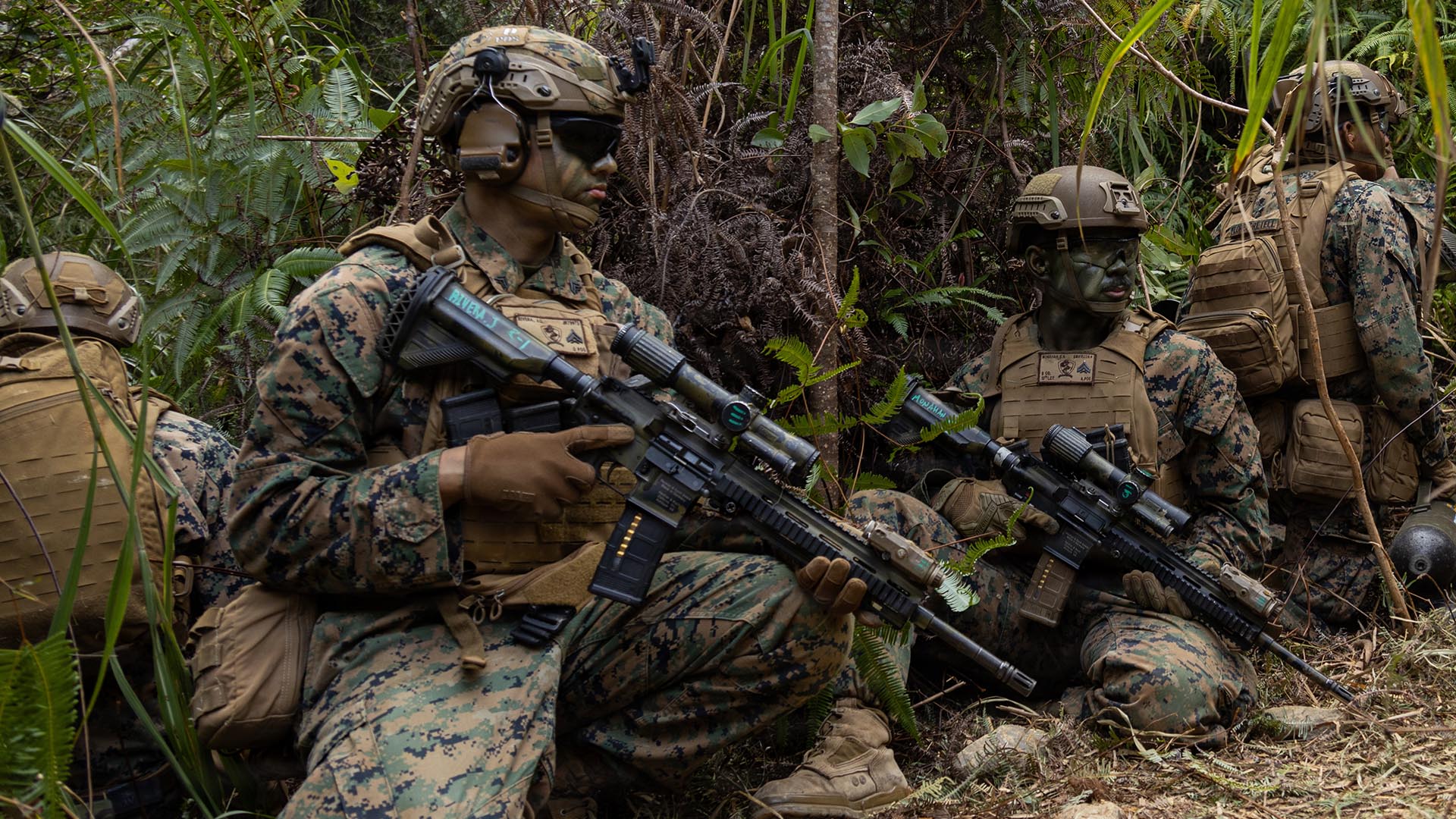
According to USNI News, a 48-hour operational pause has been applied to U.S. personnel in Okinawa, with reports also indicating a nighttime curfew. This measure involves a simultaneous review of base security, training, movement, and contact with the local community, making it reasonable to restore control over the troops. Meanwhile, in the southwestern islands, Marine Corps coastal regiments, air units, and naval vessels are operating in a dispersed manner even during peacetime. Even a short pause could create gaps in the connection between alert missions and training plans.
Intersection of Local Trust and Deterrence
The Okinawa Prefectural Government has demanded strict discipline from the U.S. military, and Japan's Minister of Defense has expressed a willingness to discuss "effective measures to prevent recurrence" with the U.S. side. It is crucial not to confuse the responsibility for investigating the incident with the operational responsibilities of the alliance. However, if local governments do not accept the operation of the bases, the very political maintenance of the dispersed deployment in the southwestern islands will become untenable. Deterrence depends not only on the number of missiles and armored vehicles but also on the tolerance of the local community where the bases are located.
In past Okinawa issues, the focus has been on the Japan-U.S. Status of Forces Agreement and the procedures for handling incidents and accidents. This time, the U.S. side voluntarily imposed restrictions on outings, but if this remains a temporary crisis management measure, residents may perceive it as "only becoming strict when an incident occurs." Measures to prevent recurrence must incorporate not only alcohol management and outing regulations but also management of off-duty behavior, reporting channels, and information sharing with the Okinawa Prefectural Police as part of routine procedures.
Practical Implications for Defense of the Southwestern Islands
If we separate capability from intent, the combat power of the U.S. Marine Corps itself has not been lost due to this incident. However, if the local community cannot trust the intent of the troops, the political foundation for placing capabilities forward weakens. From the perspective of the Japan Maritime Self-Defense Force, this also relates to SLOC (Sea Lines of Communication) defense. The more dispersed the supply, evacuation, and alertness are in anticipation of emergencies around Taiwan, the more stable use of ports, airports, and encampments on each island becomes a prerequisite.
The blind spot in the Japan-U.S. alliance may not be the lack of joint operational plans but rather the insufficient quantification of how much social operational capacity remains at the bases during a crisis. If the 48-hour pause extends, the adversary could transform local distrust into operational friction without military attack. The current measures to prevent recurrence should be treated not only as a law enforcement issue but also as part of the infrastructure development that supports deterrence in the southwestern islands.
Main Information Referenced
- USNI News (October 6, 2026): 48-Hour Operational Pause for U.S. Forces in Okinawa
- South China Morning Post (October 7, 2026): Nighttime Outing Restrictions
- Kyodo News/Japan Wire (October 7, 2026): Minister of Defense's Policy on Recurrence Prevention Discussions
In the author's view, what is being questioned this time is not the temporary self-restraint of the U.S. military. It is the durability of the alliance in whether the military presence in the southwestern islands can continue to be accepted by the local community even in times of crisis.
U.S. Marine Corps personnel were arrested in Okinawa on October 6, 2026, leading to a 48-hour operational pause for U.S. military activities. This pause includes restrictions on personnel movements and is a response to a local incident involving the death of a woman. The situation has prompted discussions on maintaining discipline and trust between U.S. forces and local communities, impacting the U.S.-Japan alliance.
- U.S. Marine arrested in connection with a woman's death in Okinawa.
- A 48-hour operational pause was implemented for U.S. military personnel in Okinawa.
- Local authorities demand strict discipline from U.S. forces.
- The incident raises concerns about the U.S.-Japan alliance and local trust.
- Preventive measures discussed include stricter conduct regulations for U.S. personnel.