
The Crash of One Japanese RQ-4B Global Hawk Disrupts the Three-Aircraft System: The Reality of ISR Redesign in 2026
 Tanaka Takashi
Japan's RQ-4B Global Hawk Crash Causes Collapse of Three-Aircraft System: The Reality of ISR Redesign in 2026
On September 15, Japan's RQ-4B Global Hawk crashed over the high seas of the Sea of Japan. The Japan Air Self-Defense Force reported that on the following day, the 16th, they lost communication with the aircraft at 12:55 PM, and the radar track disappeared three minutes later. The cause has not yet been disclosed. It is only clear that it was not a training flight, and while it may have been on a mission to monitor North Korean missile preparations or Chinese military activities, the specific details of the mission remain unconfirmed.
What the Loss of One Aircraft Means
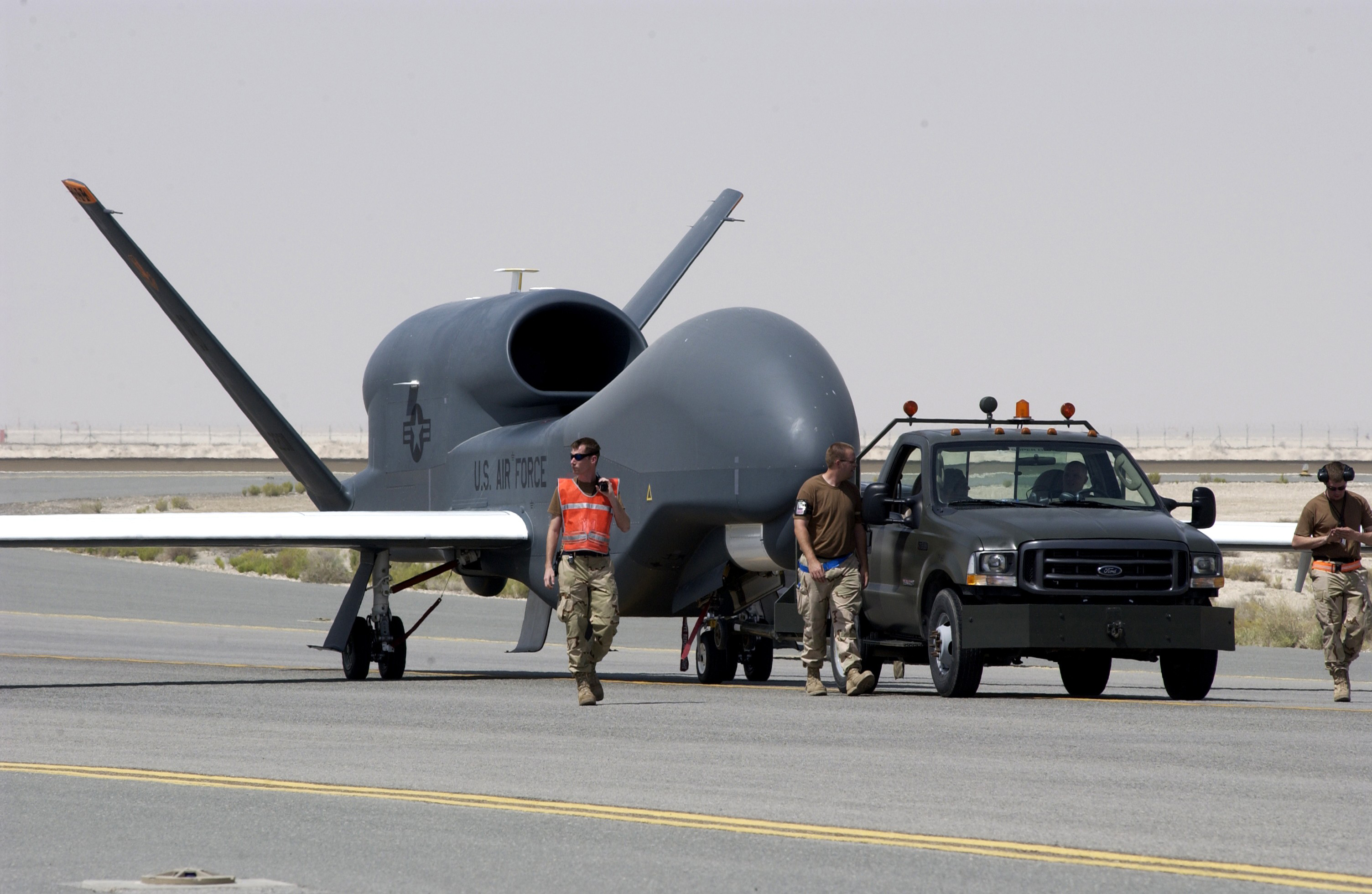
The same type of aircraft operated by the 502nd Squadron of the Japan Air Self-Defense Force at Misawa Air Base had just been fully assembled with three units in 2022. Each unit costs approximately $163 million, can fly for up to 32 hours at 60,000 feet, and is equipped with optical and infrared sensors, synthetic aperture radar, and ground moving target indicators. Losing one of the three aircraft means, in simple terms, a loss of one-third of their fleet. In continuous monitoring through long-duration flights, the small number of aircraft can quickly translate into gaps in coverage.
Moreover, this equipment has a strong involvement from the U.S. side in terms of technology and data processing. Simply having expensive aircraft does not complete the ISR (Intelligence, Surveillance, Reconnaissance) sharing of the Japan-U.S. alliance. It only becomes a capability when it includes the speed of data sharing, analysis personnel, and arrangements for alternative sensors. What is being questioned now is not only the cause of the crash but also how well the remaining two aircraft and the U.S. military's RQ-4B can fill the gap.
Will Transitioning to MQ-9B Fill the Gap?
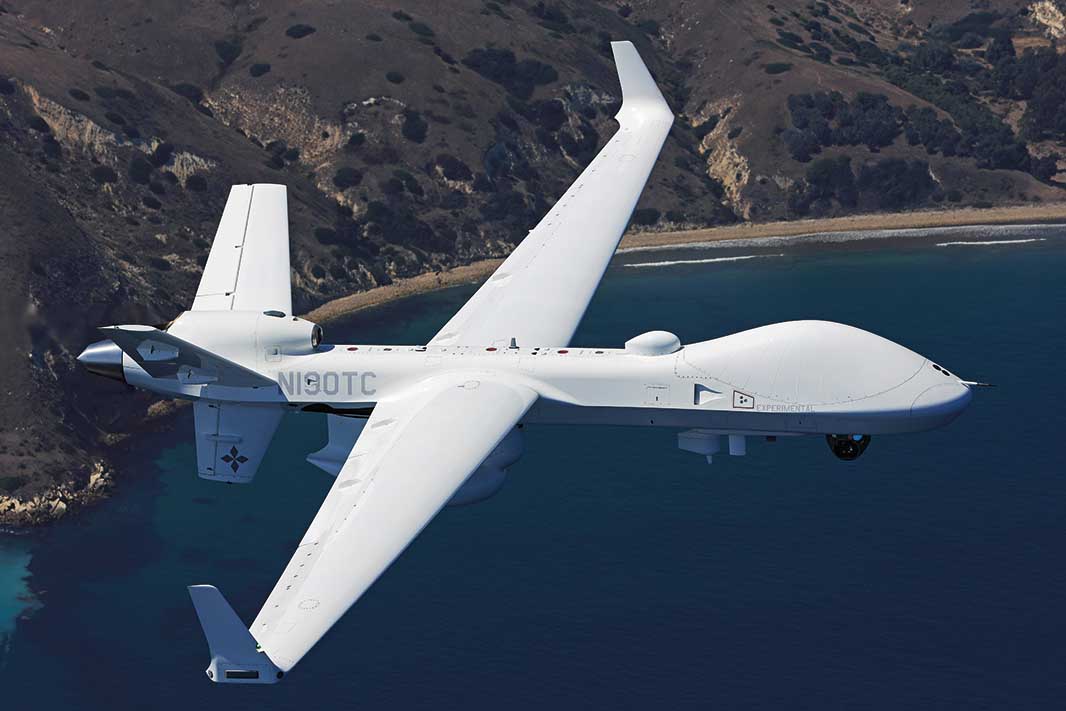
The Japan Maritime Self-Defense Force plans to introduce 23 MQ-9B SeaGuardian drones starting in 2027, requesting approximately $1.88 billion for 17 units in the fiscal year 2027 budget request. According to the manufacturer, the aircraft can fly for over 30 hours and is equipped with maritime radar, AIS, and electronic support measures, and depending on the configuration, can operate up to 40 sonobuoys (A size) or 80 sonobuoys (G size). This serves as a strong pillar to supplement maritime situational awareness and anti-submarine warfare.
However, the MQ-9B is not a substitute for the RQ-4B. The former is optimized for maritime surveillance, while the latter's high-altitude, long-range ISR capabilities differ in terms of field of view and survivability. To achieve the unmanned and continuous surveillance outlined in Japan's defense white paper, it is necessary to connect manned aircraft, satellites, and U.S. military intelligence into a single operational cycle rather than simply increasing the number of aircraft. According to Tanaka's assessment, the biggest lesson from this incident is that "drones are also consumables." The true weakness is not the loss of the aircraft itself, but whether Japan has the flexibility to reorganize its surveillance plans the moment one aircraft is lost.
References
An RQ-4B Global Hawk UAV of the Japan Air Self-Defense Force crashed in the Japan Sea on September 15, 2026, leading to a significant reduction in ISR capabilities. The loss of communication occurred shortly before the crash, and the cause remains unknown. This incident raises concerns about Japan's surveillance operations amid ongoing tensions with North Korea and China, as the country plans to introduce MQ-9B SeaGuardian UAVs starting in 2027 to bolster its capabilities.
- An RQ-4B Global Hawk UAV crashed in the Japan Sea on September 15, 2026.
- The Japan Air Self-Defense Force lost communication with the UAV shortly before it crashed.
- The loss of one UAV represents a one-third reduction in their operational fleet of three.
- The crash raises concerns about ISR capabilities amid regional tensions with North Korea and China.
- Japan plans to introduce 23 MQ-9B SeaGuardian UAVs starting in 2027.