

Summary and Key Points: Canada’s fighter debate isn’t really about whether the Saab JAS 39 Gripen, Eurofighter Typhoon, or Dassault Rafale can defend Canadian airspace; it’s whether any 4.5-generation option can replicate the F-35 Lightning II’s fifth-generation, coalition-scale networking and upgrade cadence.
-The argument centers on software-driven lethality, weapons integration such as Stormbreaker, and the ability to share time-critical sensor tracks across formations for wide-area coverage—especially relevant for Arctic and western approaches where Russia remains the pacing threat.
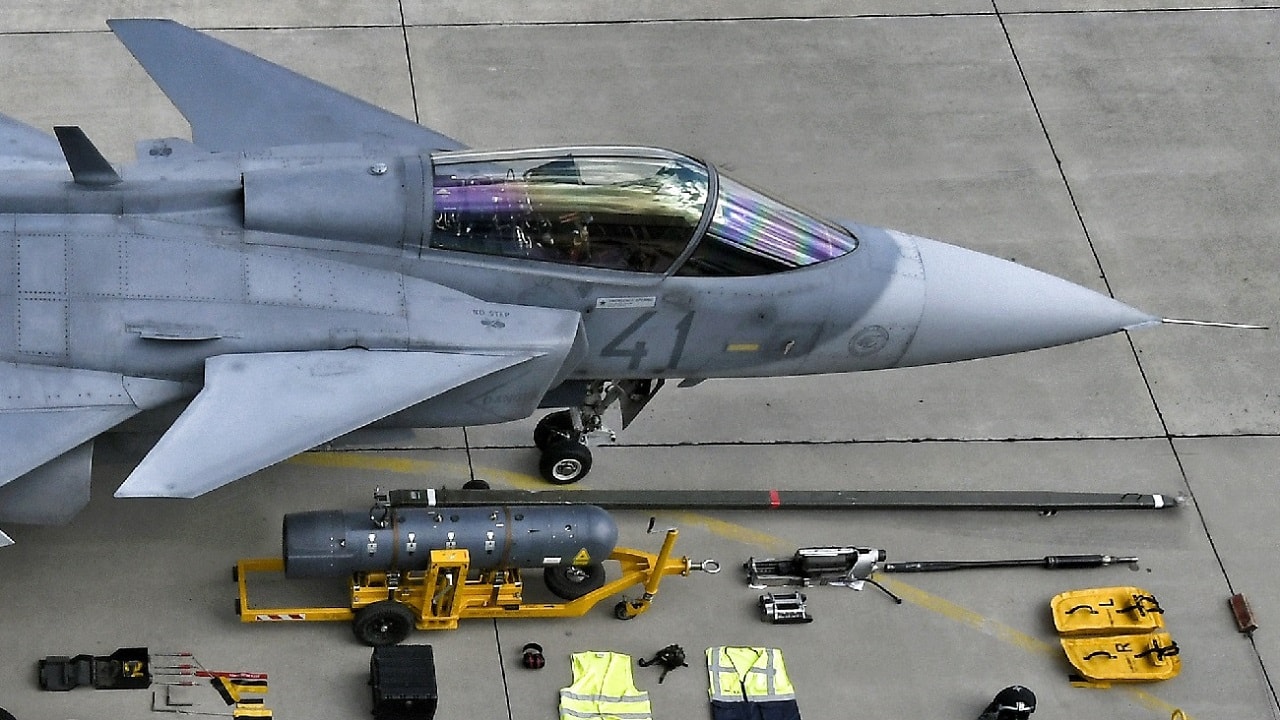
Sweden’s JAS-39 Gripen. Image Credit: Creative Commons.
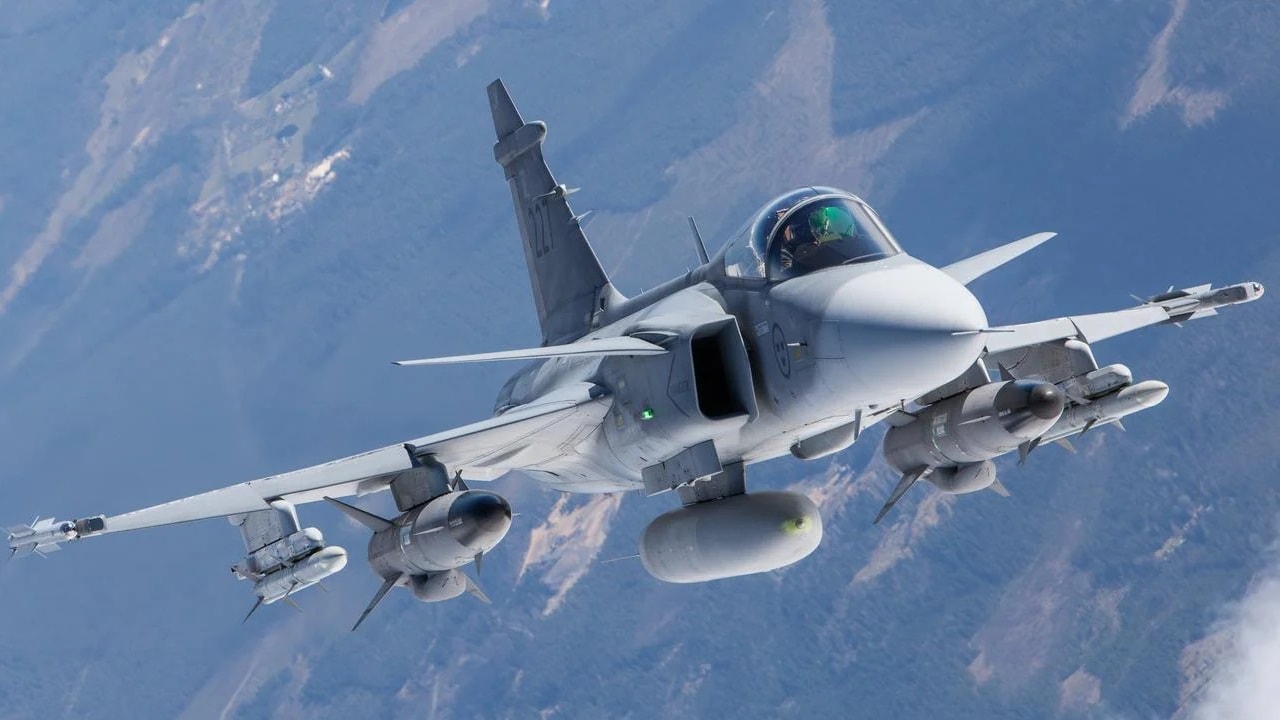
Saab JAS 39 Gripen E fighter. Image Credit: Creative Commons.
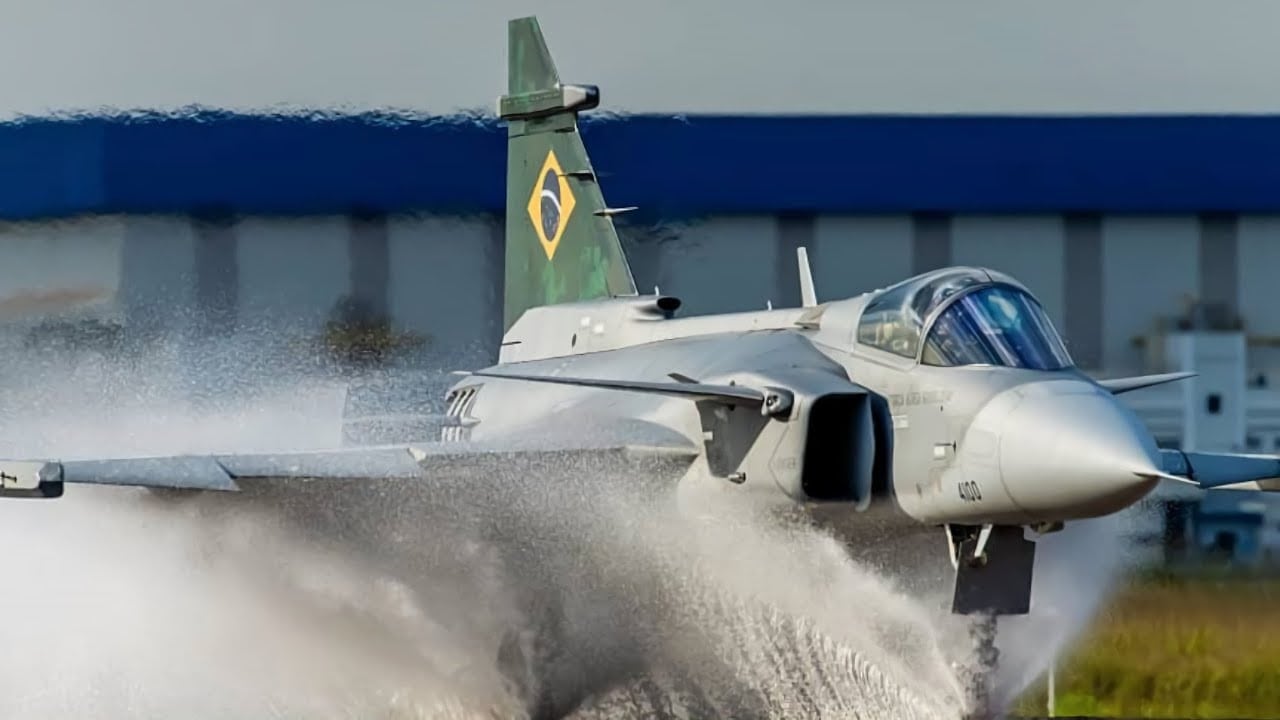
Image is of Saab Gripen fighter. Image Credit: Creative Commons.
-Recent comments from U.S. Ambassador Pete Hoekstra add pressure by implying NORAD’s burden-sharing would shift if Canada walks away.
Gripen vs. F-35: The Problem Isn’t the Jet—It’s What Comes With It
The Swedish JAS 39 Gripen, Eurofighter Typhoon, and French Dassault Rafale are all promising, upgradeable 4.5-generation fighters that could perform well in defense of Canada in the coming decades.
But it is unclear whether these platforms could offer anything comparable to the fifth-generation multinational networked support Canada would receive with the F-35.
This question of whether to procure the F-35 has lingered in Canada for quite some time—there are many variables, and a key consideration was emphasized recently by U.S. Ambassador to Canada Pete Hoekstra. The ambassador said the U.S. would need to acquire more aircraft for its own defense if Canada did not acquire F-35s. Further, the U.S.-Canada partnership in NORAD would need to change.
F-35 for Canadian Security
The F-35 would likely be a much better choice for Canadian deterrence than any 4.5-generation European fighter. The F-35 is not only stealthier but also is able to continually upgrade. Each new software drop enables new weapons integration, allowing the F-35 to increase its lethality fast.
Block IV software, for example, enables the F-35 to drop the Stormbreaker—a next-generation air-dropped munition able to track and destroy targets in all weather conditions at distances out to 40 kilometers.
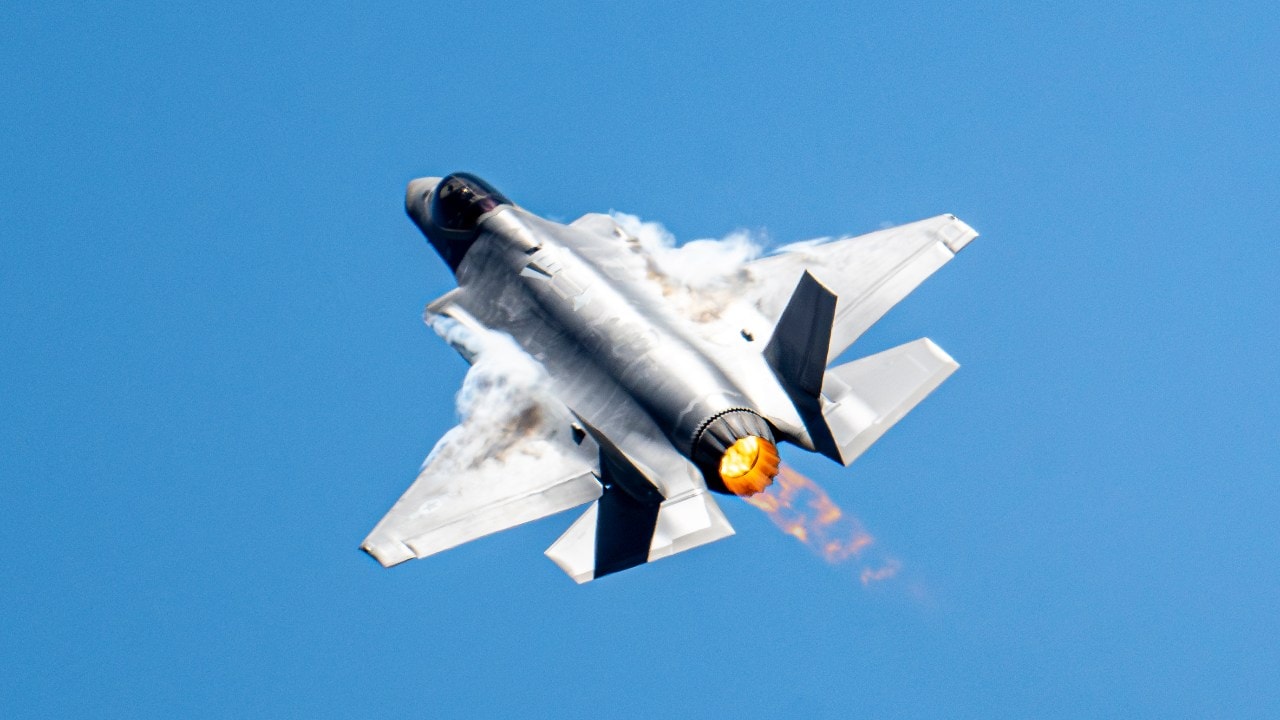
U.S. Air Force Maj. Melanie “Mach” Kluesner, pilot of the F-35A Demonstration Team, performs aerial maneuvers at the Wings and Eagles Airshow at Kingsley Field, Oregon, on July 19, 2025. The demonstration team travels across the country to showcase the power and precision of the world’s most advanced 5th-generation fighter jet. (U.S. Air Force photo by Senior Airman Nicholas Rupiper)
In development for many years by Raytheon, the Stormbreaker incorporates a “tri-mode seeker” through which it can use radio-frequency, laser, or all-weather millimeter-wave guidance and targeting technology. The weapon is also engineered with a two-way data link enabling retargeting and in-flight adjustments.
Tactically speaking, the GBU-53/B Stormbreaker can track a moving target through fog or weather obscurants from great distances and adjust course as needed. This much-anticipated weapon multiplies the F-35’s attack capabilities in dynamic modern threat environments.
Russian Threat
Canada might need to establish a protective air envelope throughout its airspace, with a particular focus on deterring Russia at its western border, to the south of Alaska. Russia could also pose a threat to Canada’s northern border through the Arctic.
Canada needs F-35s in numbers high enough to establish a defensive perimeter along those vast borders. Fighter jets tasked with defending Canadian airspace could maintain a network across vast distances, but this would require a much larger fleet of F-35s than Canada is set to receive.
Russian Su-57
Since Russian weapons and air power are likely the largest threat to Canada, aerial defenders would need to be fit to destroy Russian fifth-generation Su-57s. While Russia is struggling to produce a full fleet of Su-57s, the aircraft is still a threat to Canada because of how open its northern and western shores are to Russian air attack.
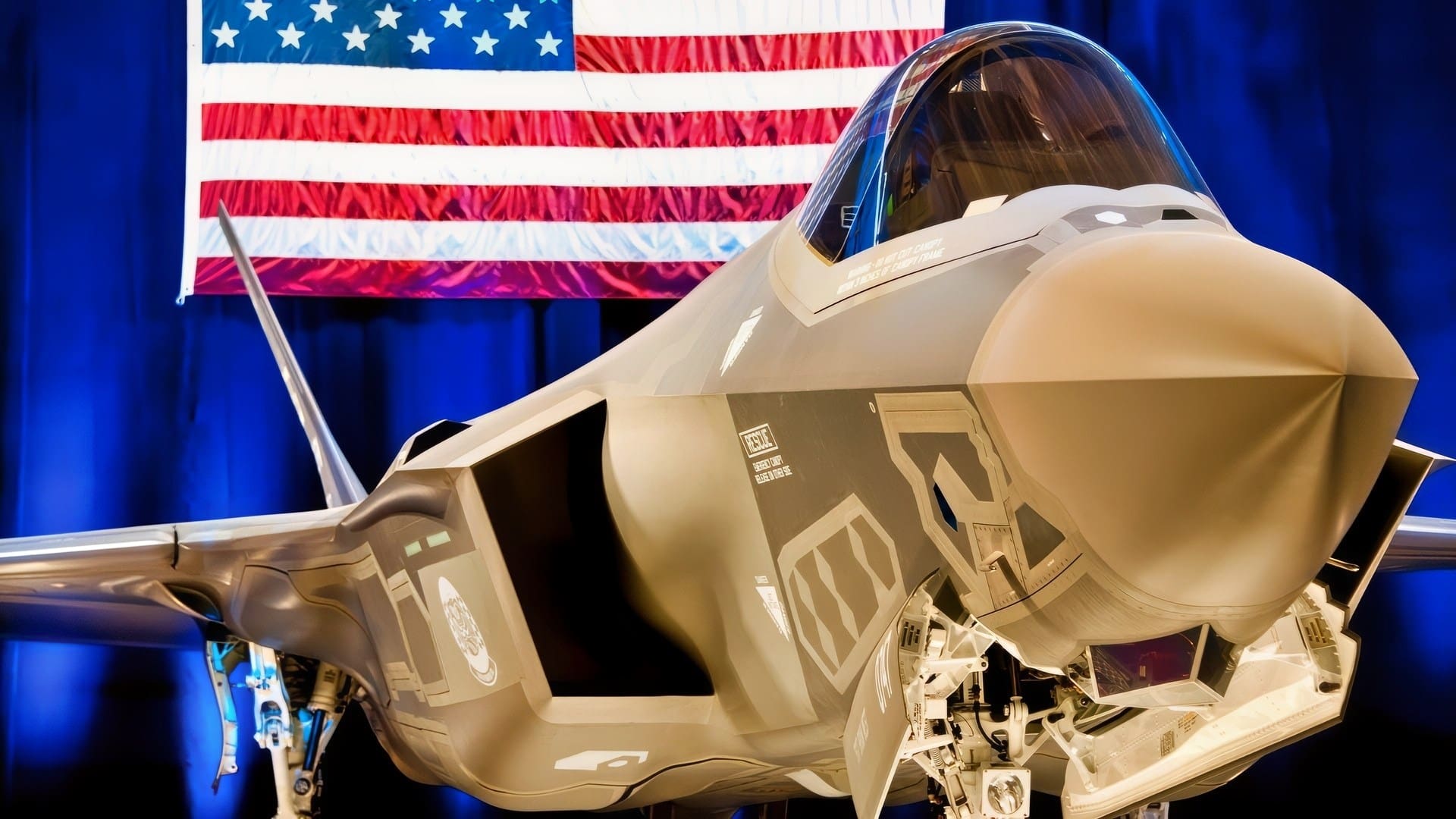
F-35 Fighter With U.S. Flag. Image Credit: Creative Commons.
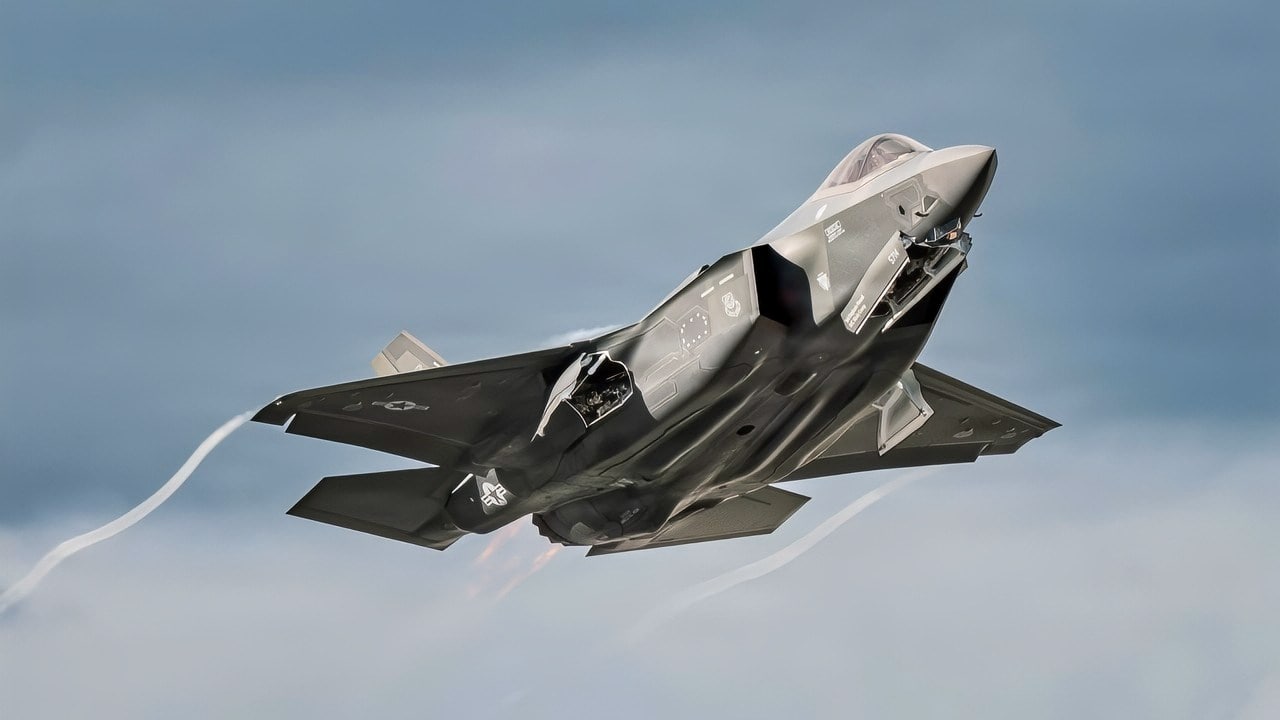
A U.S. Air Force F-35 Lightning II assigned to the 6th Weapons Squadron takes off in support of a U.S. Air Force Weapons School Integration (WSINT) mission at Nellis Air Force Base, Nevada, Nov. 18, 2025. WSINT incorporates multiple aircraft, domains and mission sets to challenge participants with dynamic problem-solving. (U.S. Air Force photo by Senior Airman Lauren Clevenger)
The fifth-generation F-35 likely outmatches the Su-57, and Ottawa could procure a much larger fleet than Russia’s equivalent. The Swedish Gripen, by contrast, is non-stealthy and vulnerable to Russian Su-57s.
One of the F-35’s most outstanding capabilities is its common, interoperable, fleet-wide data-sharing technology, the Multi-function Advanced Data Link.
Time-critical threat data gathered by the F-35’s Distributed Aperture System sensors can instantly be networked across an entire formation of F-35s.
This significantly expands battlefield presence and makes it much easier to track and destroy threats across a wide geographic area.
About the Author: Kris Osborn
Kris Osborn is the President of Warrior Maven – Center for Military Modernization. Osborn previously served at the Pentagon as a highly qualified expert in the Office of the Assistant Secretary of the Army—Acquisition, Logistics & Technology. Osborn has also worked as an anchor and on-air military specialist at national TV networks. He has appeared as a guest military expert on Fox News, MSNBC, The Military Channel, and The HistoryChannel. He also has a Master’s Degree in Comparative Literature from Columbia.