

The F-35’s $2 Trillion Price Tag Explained In 60 Years
Some describe the F-35 Joint Strike Fighter (JSF) as a $2 trillion aircraft. That number refers to the program’s lifetime cost, obviously not the unit costs. Two trillion sounds outrageous, and arguably is, but the F-35 is expected to remain in service into the 2070s or 2080s, dispersing the program costs across decades, making the price tag more palatable.
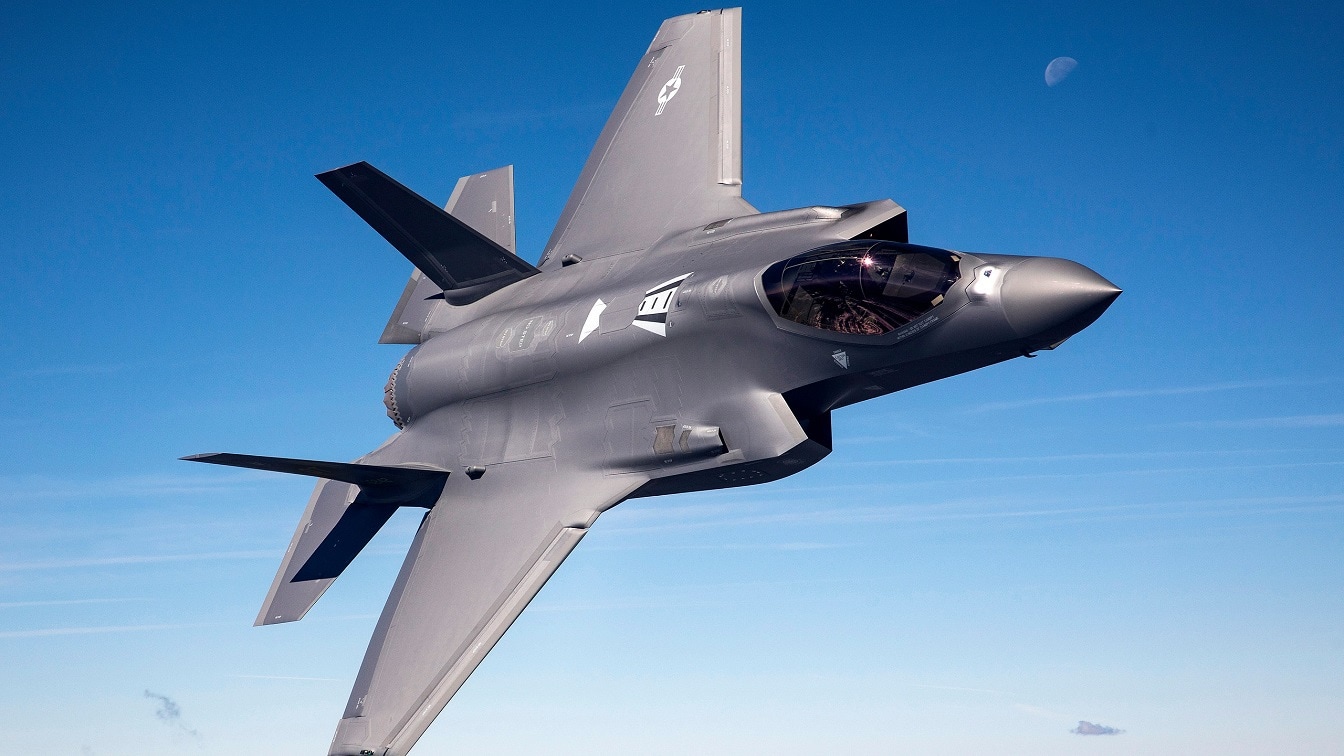
F-35A Joint Strike Fighter. Image Credit: Creative Commons.
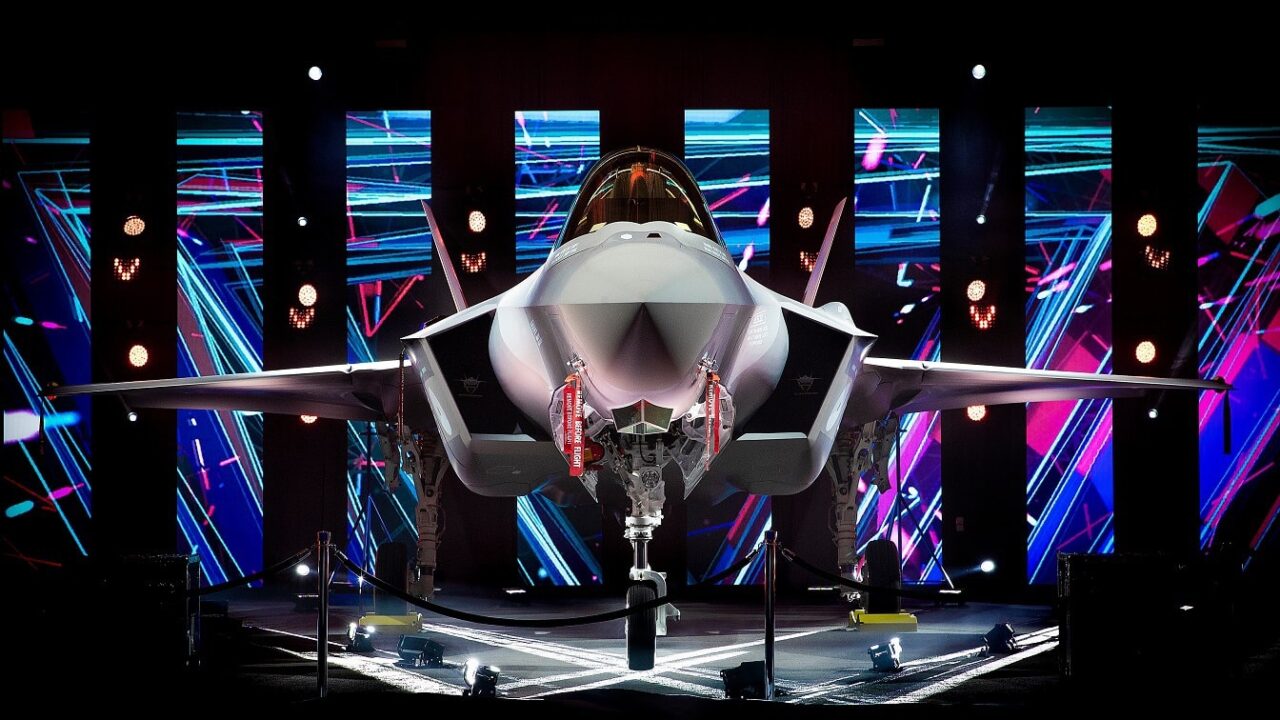
F-35 JSF from the Netherlands. Image Credit: Lockheed Martin.
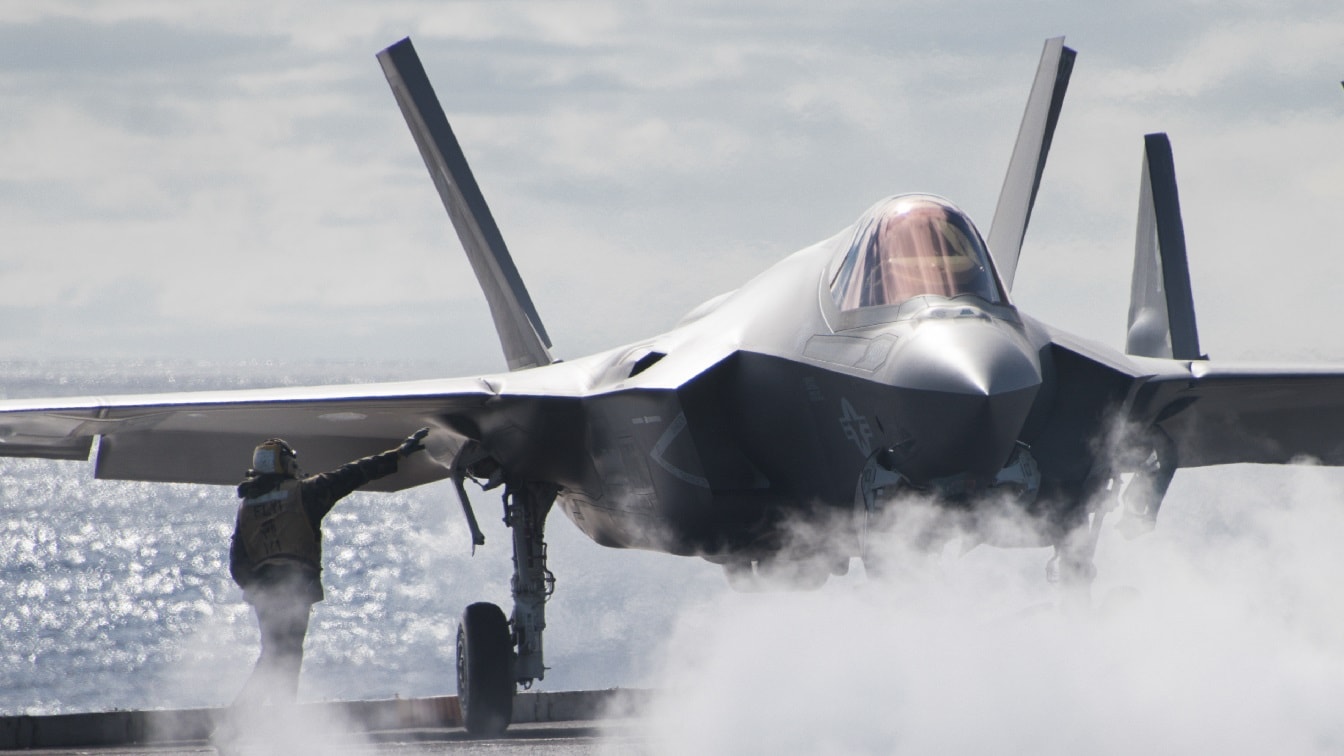
F-35 on USS Carl Vinson.
How long will the F-35 actually fly?
The JSF entered service in the mid-2010s, with a service life expected to extend until at least 2070. With upgrades, the hope is that the F-35 will remain in service beyond 2070. That timeline mirrors the F-16, which debuted in the 1970s, but is still being produced and exported today, and the B-52, which debuted in the 1950s but is expected to serve until the 2050s, a full one hundred years.
It has transitioned into a design philosophy where fighter jets are long-term platforms, not the short-lived projects that were so common in the early Cold War. A 60-year lifecycle is no longer unusual. And once that timeline is understood, the cost figure becomes less shocking.
What does $2 trillion get you?
The headline number includes research and development, procurement, operations, and sustainment. So it’s a comprehensive price tag.
The rough breakdown includes $400 billion for development and acquisition, with $1.3-1.5 trillion for sustainment, which becomes the primary cost because thousands of aircraft are flying, accumulating decades and decades of flight time.
Flying a military aircraft is expensive, of course, requiring fuel, parts, software, maintenance, personnel, and training. So the $2 trillion figure is not just for a single aircraft but for the entire enterprise of operating it across decades.
Fifth-generation sustainment
The real cost is sustainment.
Flying a stealth fighter is especially expensive. The F-35 required specialized coatings, advanced diagnostics, software-heavy maintenance, etc. These require specialized tools and highly trained maintenance crews.
Every flight hour generates long-tail costs—which is why, over decades, sustainment dwarfs procurement costs. This is not unique to the F-35, however. The difference is that the F-35 flies everywhere, all the time. Ironically, the more successful the aircraft, the higher its lifetime cost tends to be; popularity increases total costs, not inefficiency.
Scaling up
The F-35 program, to date, includes nearly 3,000 aircraft, operated by the US Air Force, US Navy, US Marine Corps, and over a dozen allied nations. The JSF serves to replace the F-16, F/A-18, AV-8B, and A-10 (partially), thereby saving costs through role consolidation, at least in theory.
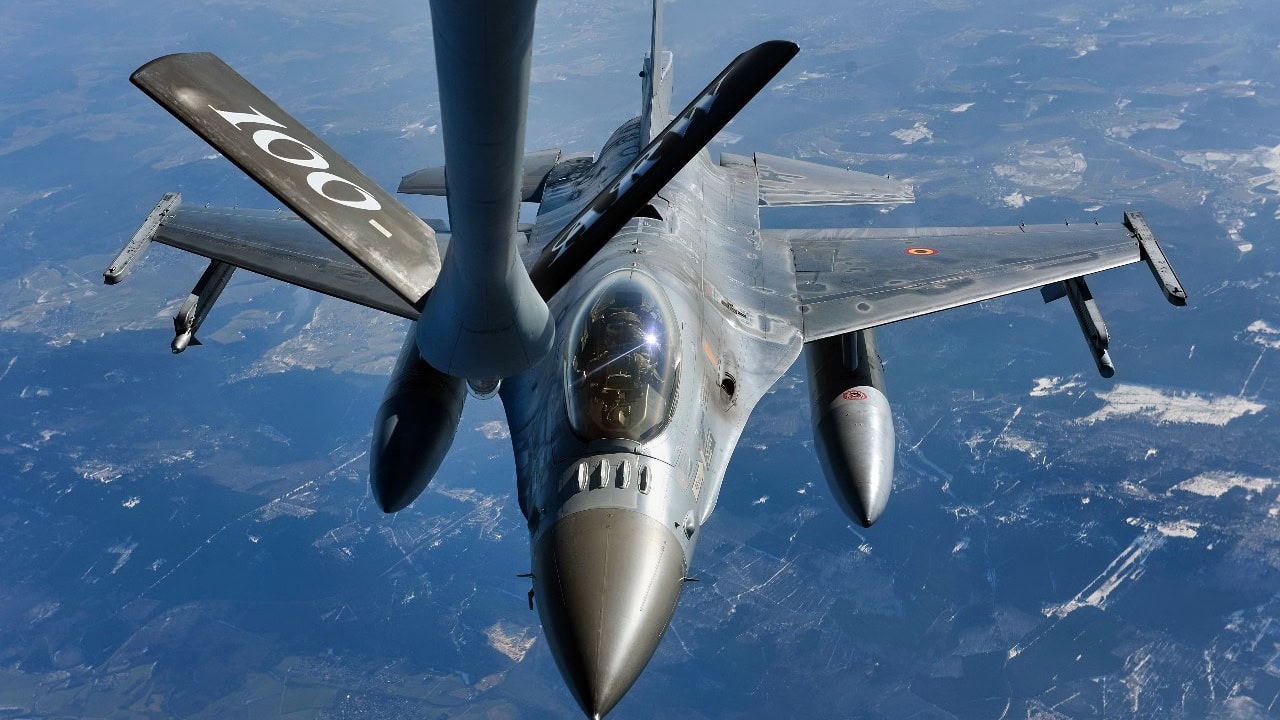
A Belgian Air Component F-16 flies behind a U.S. Air Force KC-135 Stratotanker from the 100th Air Refueling Wing, RAF Mildenhall, England, before receiving fuel over Germany, Feb. 23, 2018. The air refueling was part of a large force exercise with NATO allies including the Belgian, Dutch, French and German air forces. (U.S. Air Force photo by Airman 1st Class Luke Milano)
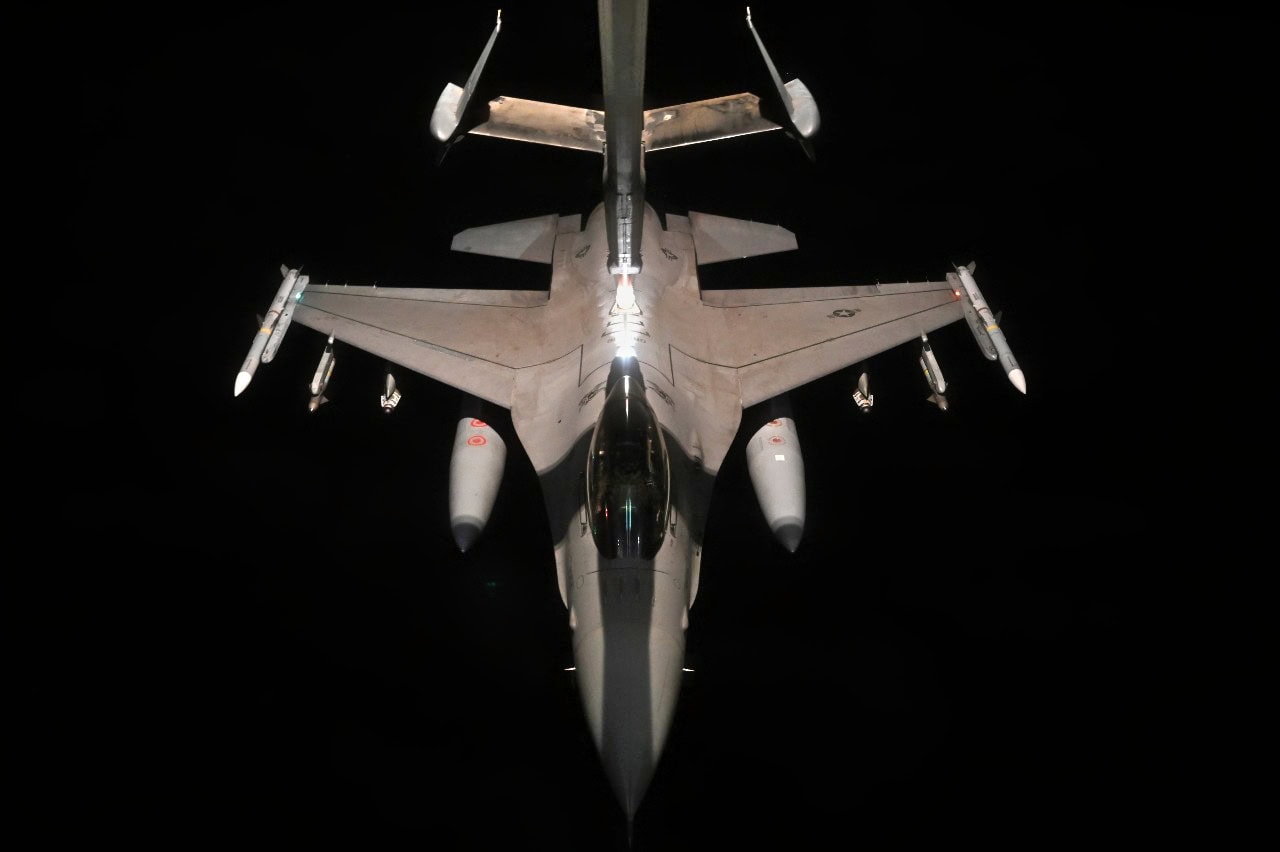
A U.S. Air Force F-16 Fighting Falcon assigned to the 77th Expeditionary Fighter Squadron, receives fuel from a KC-10 Extender assigned to the 908th Expeditionary Air Refueling Squadron, over an undisclosed location within the U.S. Central Command area of responsibility, Dec. 2, 2022. F-16 aircraft routinely conduct presence patrols within the CENTCOM AOR to reassure allies and ensure regional security. (U.S. Air Force photo by Staff Sgt. Gerald R. Willis)
Instead of multiple programs, the F-35 will form a single global fleet. So the cost reflects centralization and standardization efforts not just within the US but within the wider NATO and Western-aligned coalition of countries. The F-35 is not about one jet but an entire ecosystem.
Hard to compare
Critics often compare the JSF to older aircraft like the F-16 and F/A-18, which were cheaper programs.
The F-16 and the F/A-18 benefited from operating in simpler times, allowing simpler platforms that could compete in less contested environments. Modern threats have changed, demanding greater stealth, sensor fusion, and networked warfare.
The argument follows that the alternative isn’t a cheaper F-35 but a variety of unconsolidated specialized aircraft, which would likely cost more in the aggregate.
Is the cost worth it?
Justifying the F-35’s cost depends on your priorities. The F-35 provides a wide range of capabilities from air dominance to strike to ISR to electronic warfare, all in one platform. Without the F-35, the US would arguably need more aircraft types, more training pipelines, and more logistics chains—which would be more expensive. So, the question becomes whether you believe the US needs the capabilities offered by the JSF.
If yes, then the F-35 is arguably an affordable trade-off. If not, then the F-35 may feel superfluous. Regardless, cost efficiency in the F-35 stems from its ability to replace other programs through role consolidation, not necessarily from the aircraft itself.
If the JSF serves for 60 years or more and effectively replaces other platforms, then the $2 trillion price tag becomes more reasonable. The F-35 was designed for longevity and adaptability, and the cost reflects how long the aircraft will be central to US air power.
About the Author: Harrison Kass
Harrison Kass is an attorney and journalist covering national security, technology, and politics. Previously, he was a political staffer and candidate, and a US Air Force pilot selectee. He holds a JD from the University of Oregon and a master’s in global journalism and international relations from NYU.