

Summary and Key Points: Northrop Grumman broke ground on a major expansion at Air Force Plant 42 in Palmdale, California: one million square feet of new manufacturing space that will serve as a final assembly line for the B-21 Raider, the stealth bomber replacing the aging and scarce B-2 Spirit.
The B-21 Raider: Set to Soar for the US Air Force Soon?
Last year, the 19FortyFive crew visited a real B-2A Spirit stealth bomber at the National Museum of the US Air Force in Dayton, Ohio (we have some amazing photos from our B-2A Spirit visit below). We were clearly impressed, but we also left wondering: how far away are we from seeing the B-21 Raider stealth bomber join the US Air Force?
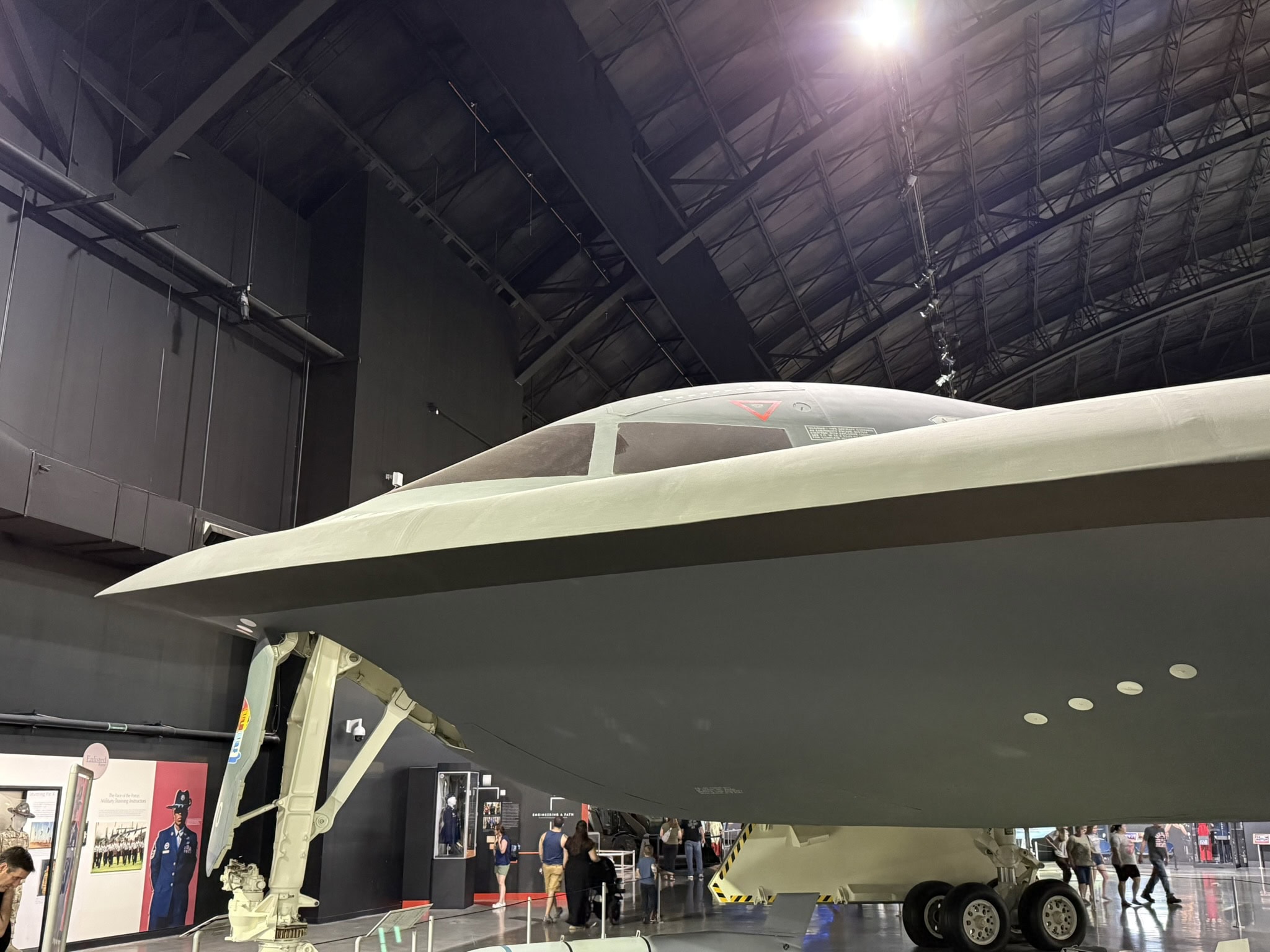
B-2 Spirit at the National Museum of the U.S. Air Force. Image Credit: Harry J. Kazianis.
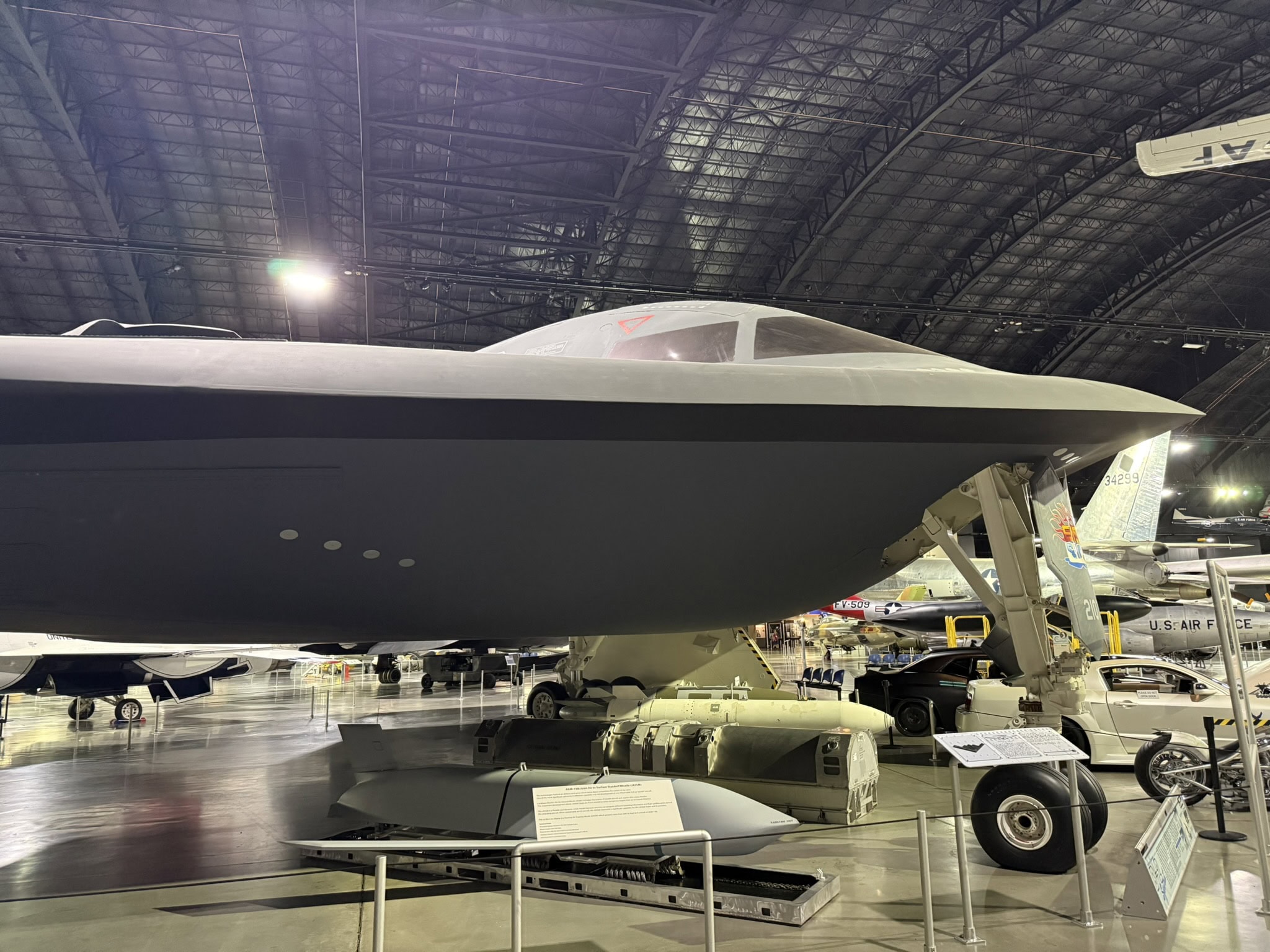
B-2 Spirit Bomber 19FortyFive Image from the National Museum of the U.S. Air Force
Well, it seems we are getting close to an actual answer. Northrop Grumman broke ground on a major manufacturing expansion at Air Force Plant 42 in Palmdale, California.
This new facility will add one million square feet of manufacturing space and serve as a final assembly line for the B-21 Raider.
The United States Air Force is replacing the B-2 Spirit, a long-range, nuclear-capable strategic stealth bomber, with the B-21 Raider.
The federal government has invested an additional $4.5 billion to accelerate production, using funds provided through the 2025 reconciliation legislation.
Northrop is also investing $2.5 billion to expedite the program.
The Air Force is heavily committed to this program, as the B-2 Spirit stealth bombers are aging and there are too few for the Air Force’s liking.
That’s on top of the fact that last year’s 12-Day War against the Islamic Republic of Iran and the ongoing conflict with Iran highlight the importance of having an abundant long-range stealth bomber.
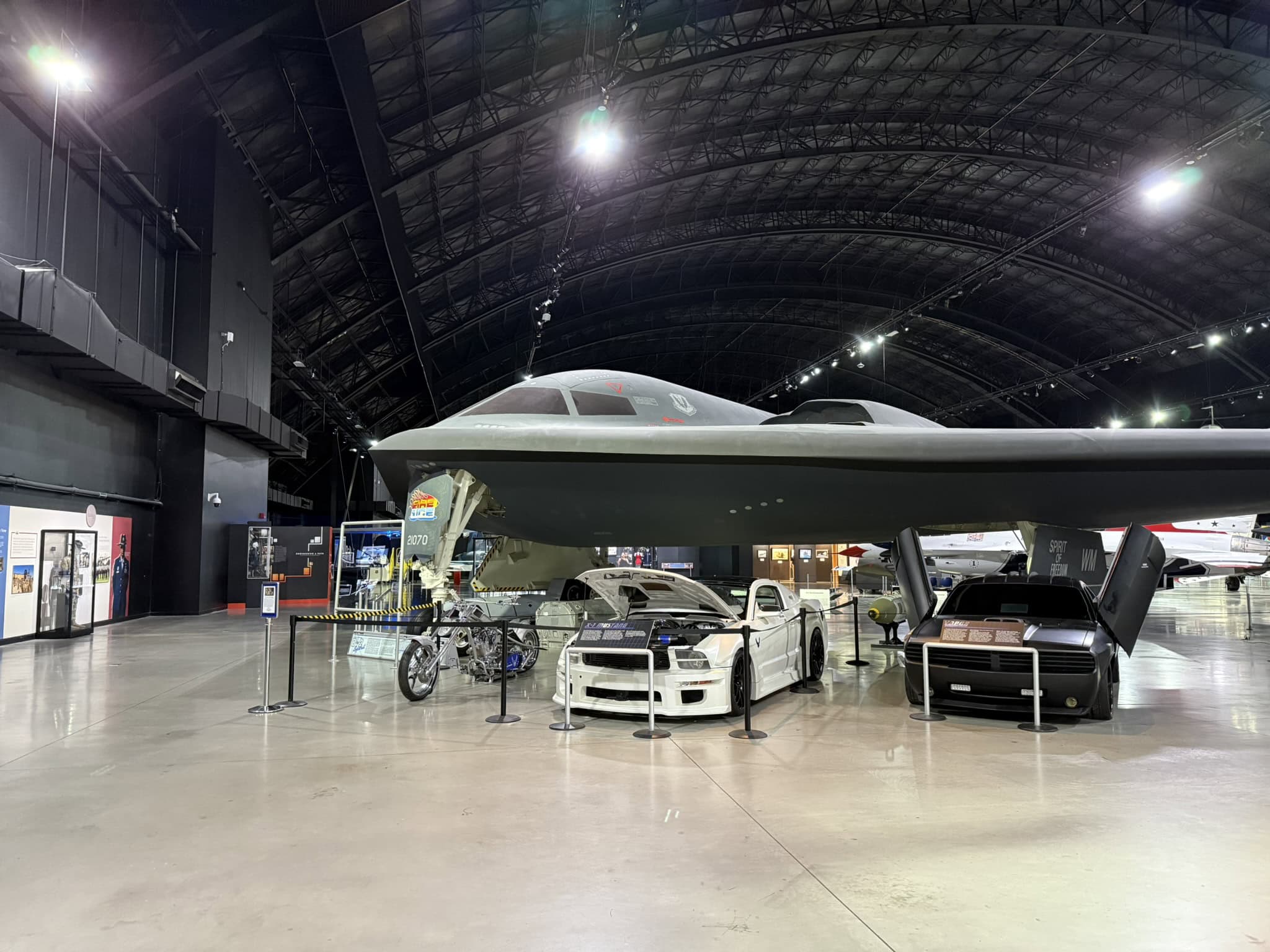
B-2 Spirit Bomber 19FortyFive Image from the National Museum of the U.S. Air Force
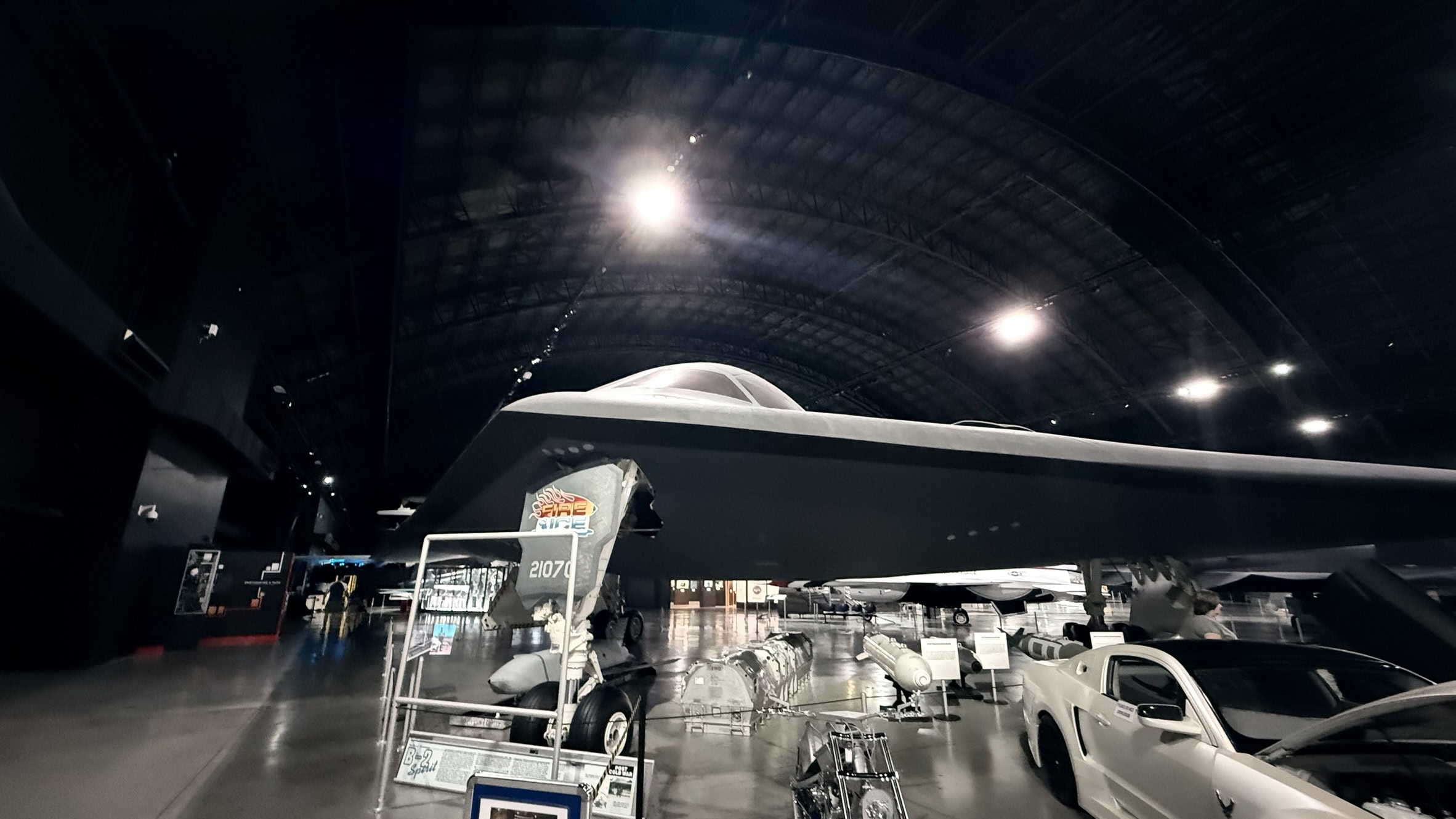
B-2 Spirit Bomber 19FortyFive Image from the National Museum of the U.S. Air Force
By expanding the facility and increasing the funding, the Air Force wants to increase production capacity without sacrificing aircraft quality or program stability.
Of course, a 25 percent increase in production capacity does not automatically mean a corresponding increase in aircraft deliveries.
That falls on the underlying infrastructure, workforce availability, and supplier readiness–all of which would need to be capable of sustaining a higher production rate.
Pushing the Limits
Air Force leaders who attended an event on October 6 at the Mitchell Institute for Aerospace Studies reaffirmed their belief that the B-21 program is on schedule.
Indeed, the B-21 Raider is undergoing operational testing, a major milestone because the Air Force changed how it prepares new planes.
Rather than separating developmental and operational testing, the Air Force integrated these two things to streamline production.
Normally, the Air Force conducts developmental testing to determine whether an aircraft and its systems meet specifications.
Operational testing evaluates whether those capabilities can perform under real military conditions.
Bringing the two together improves efficiency by letting developers identify problems sooner and reducing the likelihood of expensive modifications after production accelerates.
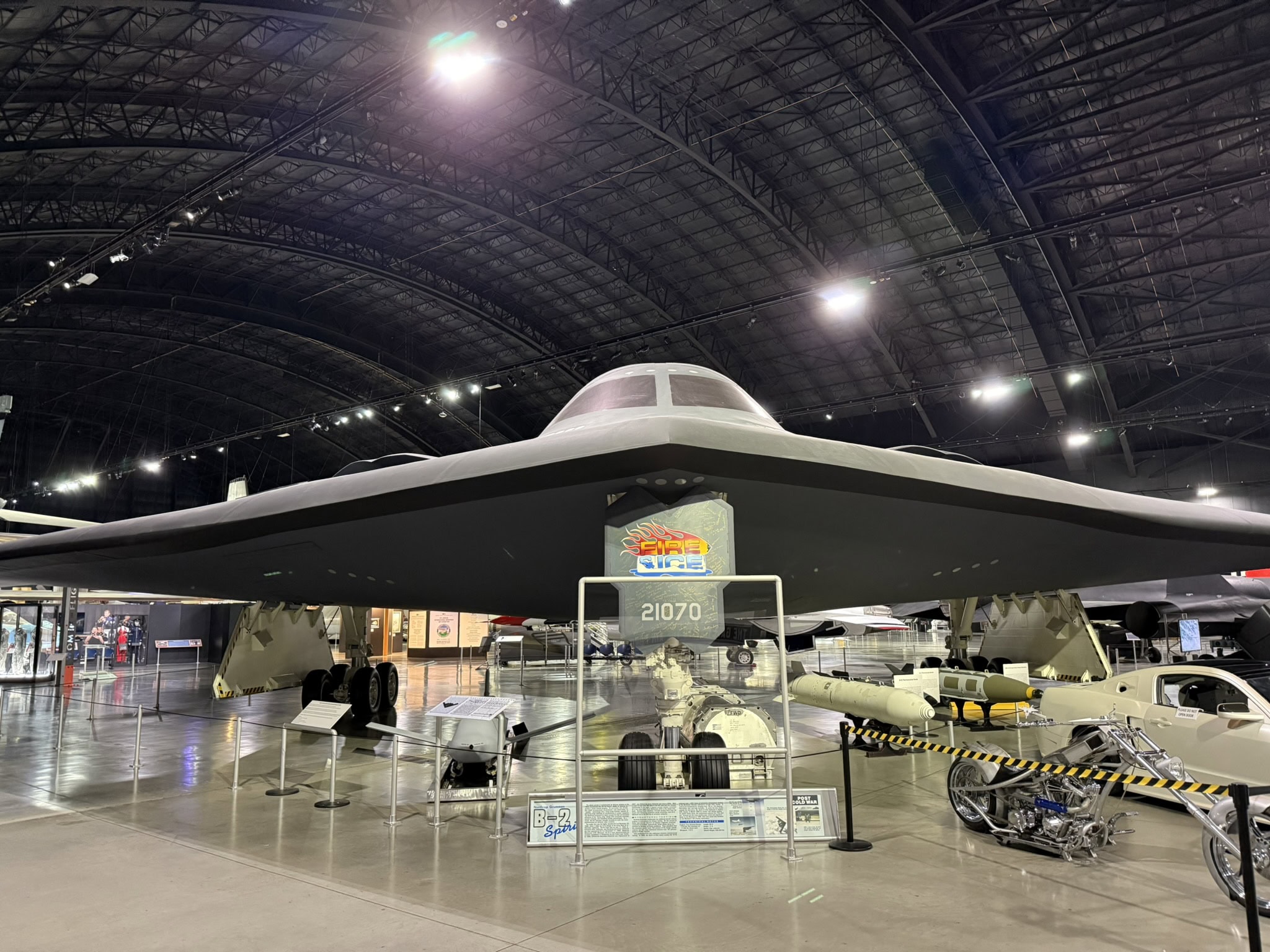
B-2 Spirit Stealth Bomber. 19FortyFive.com Photo from National Museum of the U.S. Air Force Visit in 2025.
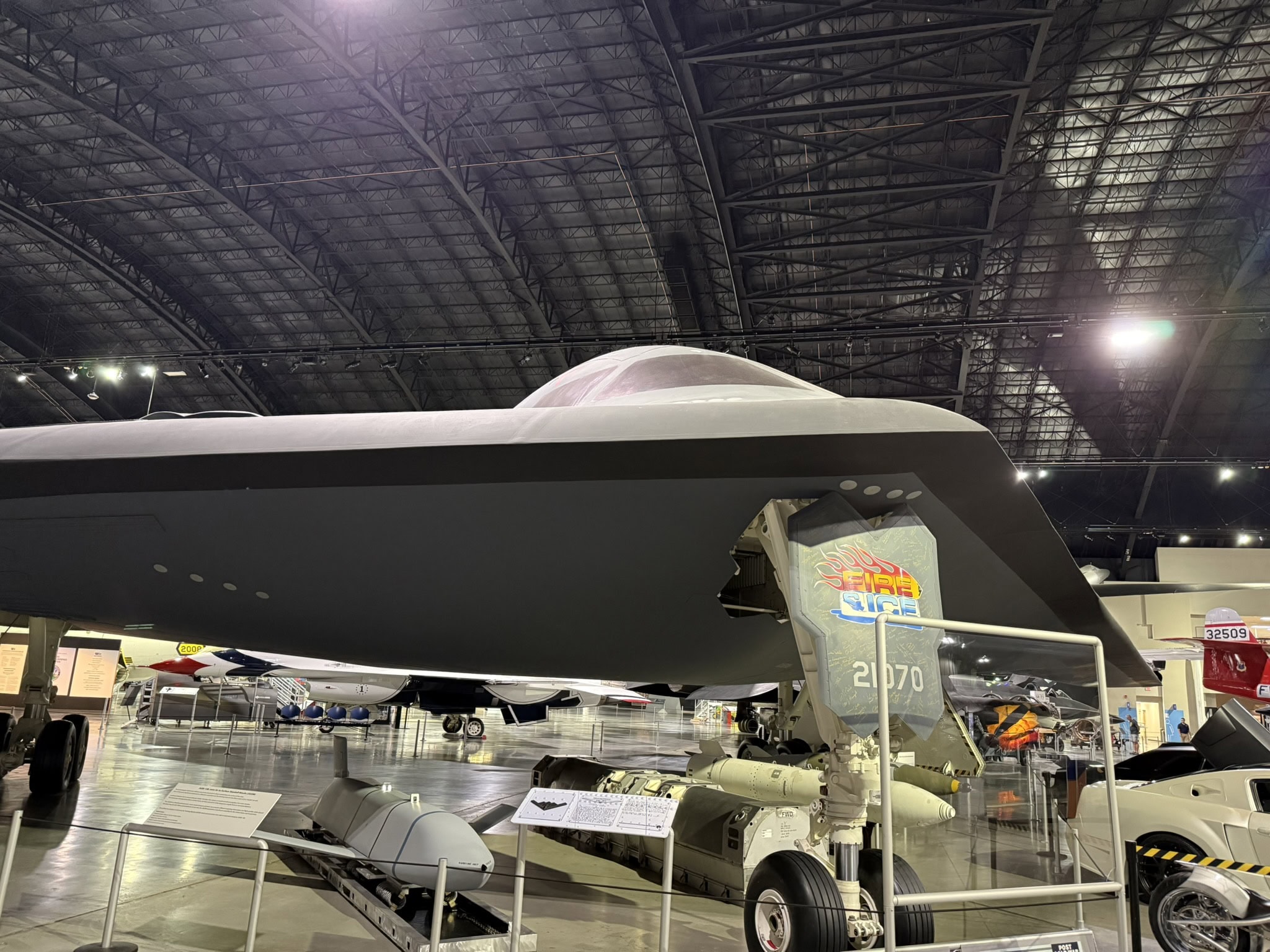
B-2 Spirit Stealth Bomber. 19FortyFive.com Photo from National Museum of the U.S. Air Force Visit in 2025.
The Air Force’s official acquisition objective remains 100 B-21 Raiders.
Senior military commanders, however, have increasingly called for expanding that number.
That’s because the need for stealth aircraft that can penetrate increasingly sophisticated air defenses worldwide has only grown over the last several years.
United States Navy Adm. Samuel Paparo, commander of US forces in the Pacific, has been calling for far more B-21s than the planned 100 units.
That makes sense, given how expansive the Pacific region is, how far American bombers would have to fly before reaching their targets, and how serious the threat posed by China’s anti-access/area-denial (A2/AD) to US power projection in the Pacific really is.
China has spent more than a decade developing an expansive network of long-range sensors, integrated air defenses, and missile systems designed to complicate American military operations across the Western Pacific.
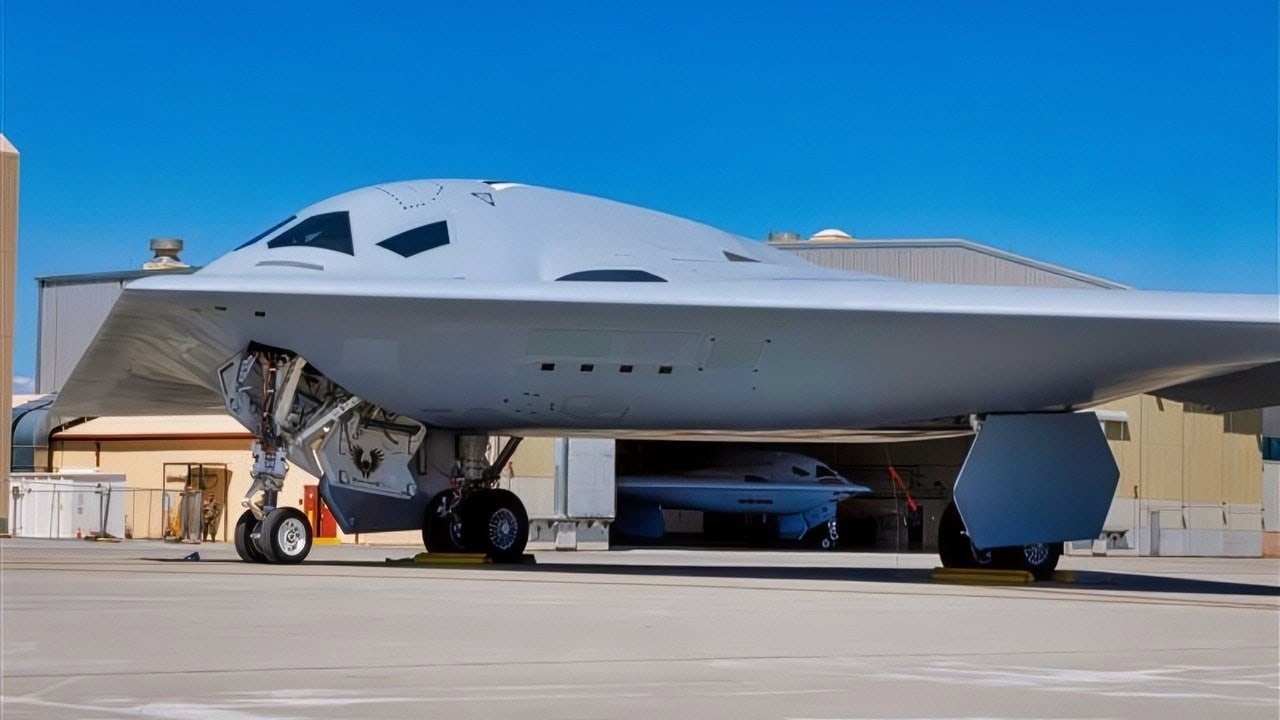
A second B-21 Raider, the world’s sixth-generation stealth bomber, test aircraft arrives at Edwards Air Force Base, Calif., Sept. 11, 2025. The addition of the second test aircraft expands mission systems and weapons integration testing, advancing the program toward operational readiness. (Courtesy photo)
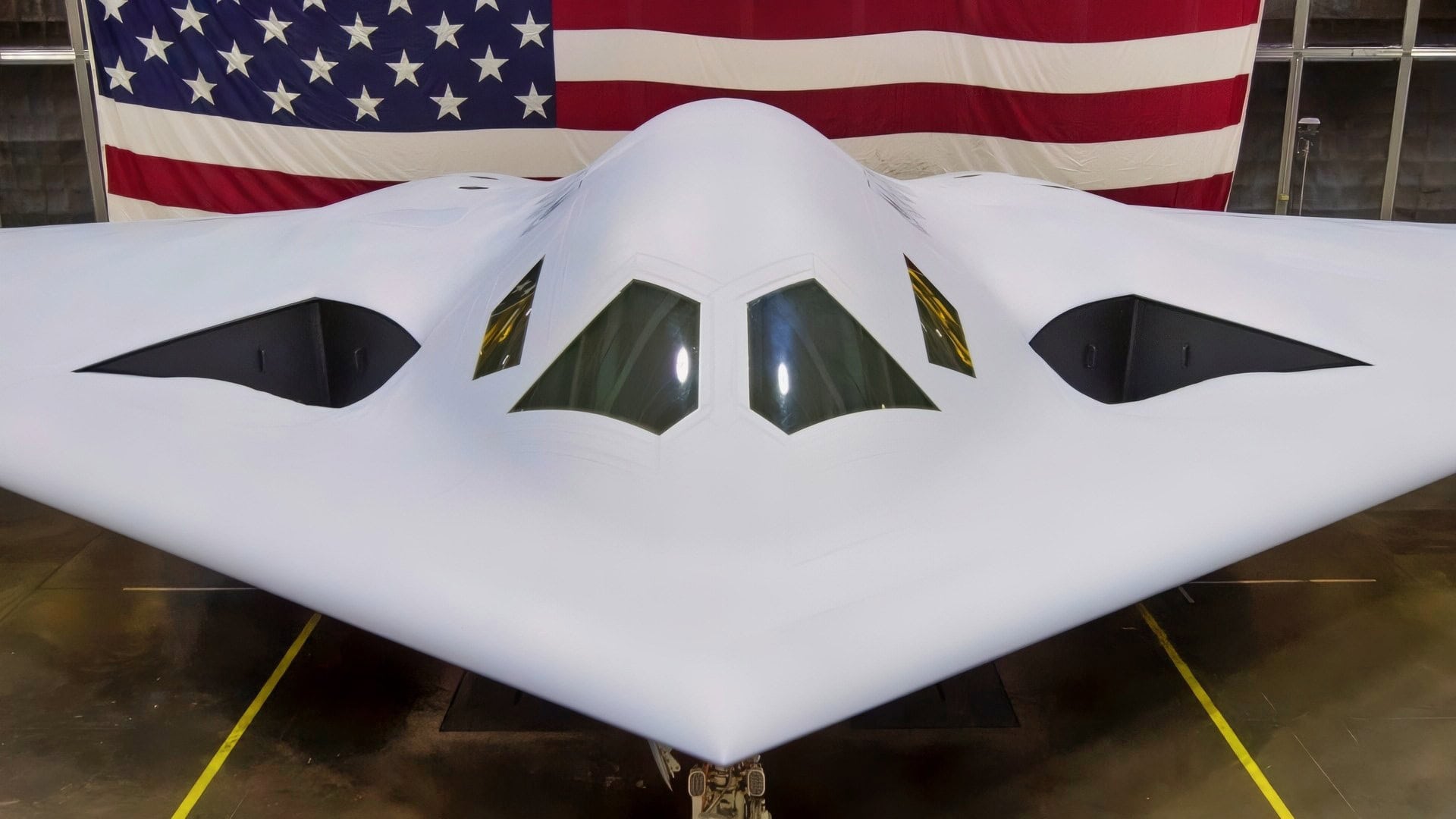
The B-21 Raider was unveiled to the public at a ceremony Dec. 2, 2022 in Palmdale, Calif. The B-21 will provide survivable, long-range, penetrating strike capabilities to deter aggression and strategic attacks against the United States, allies, and partners. (U.S. Air Force photo)
The Air Force has designed the B-21 Raider specifically to penetrate the kind of contested airspace that would exist in the Pacific if a war erupted between China and the United States.
Pentagon officials are considering establishing a second B-21 production line (though that proposal remains undecided).
By incorporating advanced stealth technology, modern networking capabilities, and an open-systems architecture to simplify future upgrades, the design is an important step toward keeping the United States competitive in the twenty-first century (at least in the minds of Pentagon planners).
Further, the B-21 will support America’s nuclear deterrent by replacing older penetrating bombers (and enhancing the capabilities of that particular class of plane).
Ready for 2027?
The first B-21 is expected to arrive at Ellsworth Air Force Base next year. But on a larger scale, the Air Force must figure out how best to build a larger operational fleet that meets the United States’ needs in this dynamic global threat environment.
If the B-21 Raider ends up like the B-2, it will have been a waste.
Ultimately, the B-2 Spirit never got more than 20 units to its name (when the Air Force had planned for significantly more).
Similarly, fears abound among Pentagon leaders that the B-21 will not get the requisite number of planes it needs to be truly effective.
Yes, the program is progressing, and the Air Force is getting creative in how it develops this new platform.
But it remains to be seen if the Air Force can achieve its overall goals with the B-21 program.
About the Author: Brandon J. Weichert
Brandon J. Weichert is the Senior National Security Editor at 19FortyFive.com. He also manages The Weichert Brief on Substack. Weichert is the co-host of The Mario Nawfal Show on Twitter/X. He is the author of four bestselling national security books, most recently A Disaster of Our Own Making: How the West Lost Ukraine (Encounter Books). His next book, Fortress Americas: A New Monroe Doctrine (Tucker Carlson Books), is due out December 8. Follow him via Twitter/X @WeTheBrandon.