

Summary and Key Points: The Army showed its M1E3 Abrams and XM30 infantry fighting vehicle in firing trials in October. The M1E3 is a break from the M1A2 it replaces: the Army wants the Abrams down from more than 70 tons to about 60, swaps the Honeywell AGT1500 gas turbine for a hybrid-electric powertrain built around a diesel that is meant to halve fuel use and run quieter, and moves the crew into a protected compartment in the hull beneath an unmanned turret with an autoloader, so three crewmembers do the work of four. Four early prototypes were planned this year.
The US Army’s M1E3 Main Battle Tank Is Firing Away and In Testing
In January, we got really close to the US Army’s New M1E3 Main Battle Tank in Detroit. Now, it seems the new tank is moving from static display to firing a weapon of war (see our photos below from our visit with the M1E3 US Army tank). All in all, we were very impressed with what we saw in the M1E3 and eager to see what happens next.
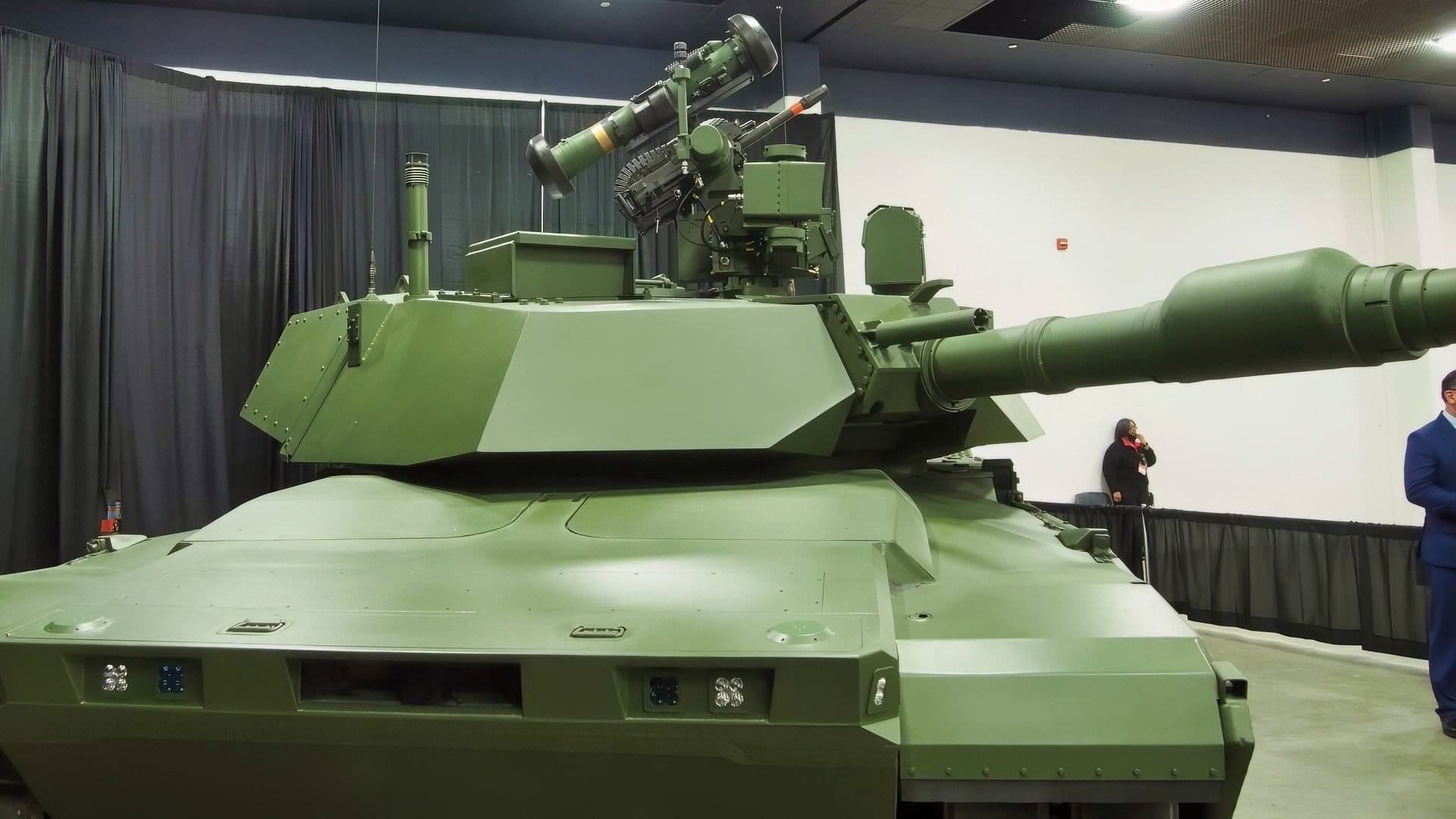
M1E3 Tank from the Detroit Auto Show. Photo Taken By 19FortyFive Staff on 1/17/2026.
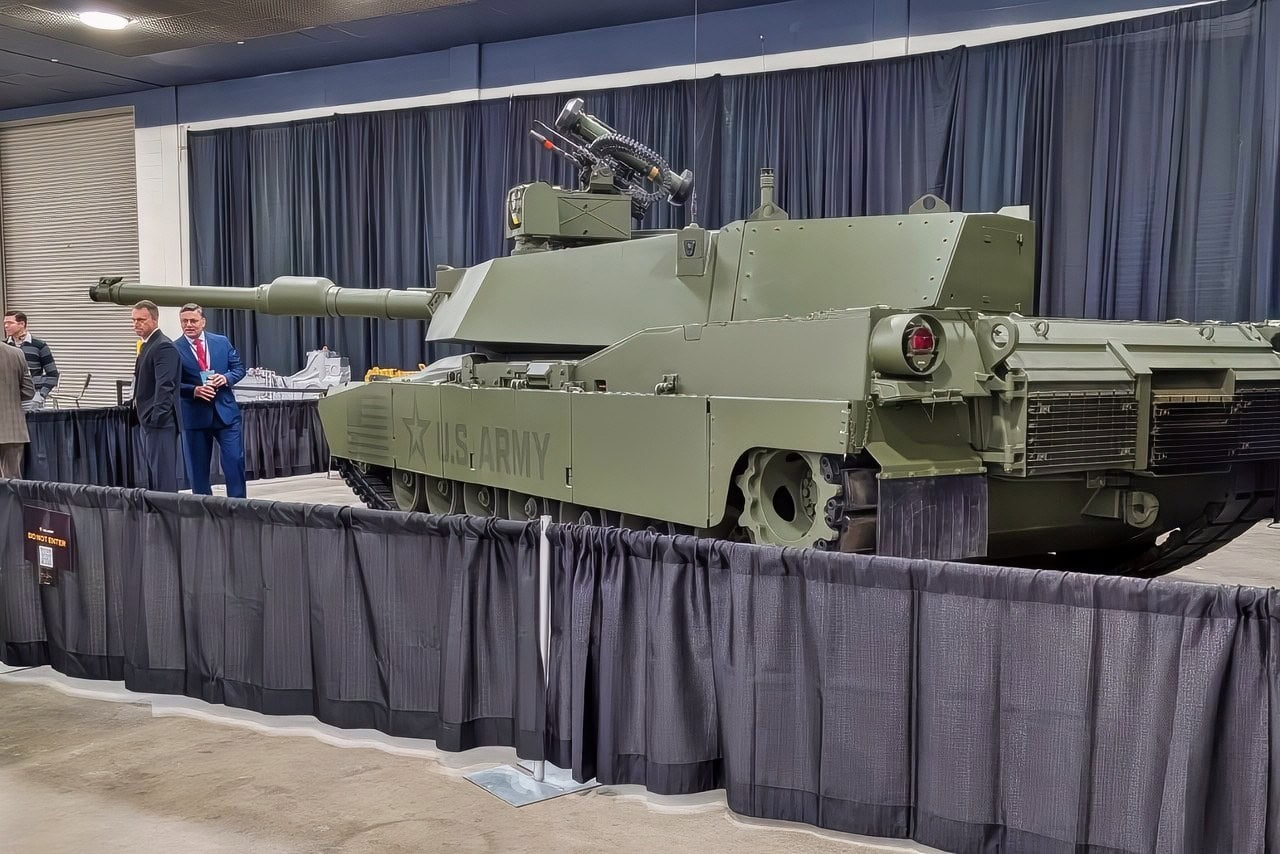
M1E3 Tank at the Detroit Auto Show. Image Credit: 19FortyFive.
The Army is committed to its armored warfare strategy. That’s why Big Green is building the M1E3 Abrams Main Battle Tank (MBT) and pairing it with the new XM30 Infantry Fighting Vehicle (IFV). So far, these two systems have been shown going through firing trials in October.
Those images also showed a K9MH self-propelled howitzer being tested.
The M1E3 Abrams MBT is supposed to replace the existing M1A2 Abrams MBT variant. Unlike previous Abrams modernization efforts, the M1E3 is a true break from what came before.
Previous variants added armor, newer electronics, and other defensive systems while keeping the general makeup of the Abrams the same. The M1E3 is something else entirely.
The Needs of Big Green
Big Green wanted the M1E3 to reduce the standard weight of an Abrams MBT by more than 70 tons to around just 60 tons. In theory, this weight reduction would improve strategic mobility while reducing transportation requirements (while increasing operational flexibility).
The Army also fundamentally changed the M1E3’s propulsion system from its predecessor.
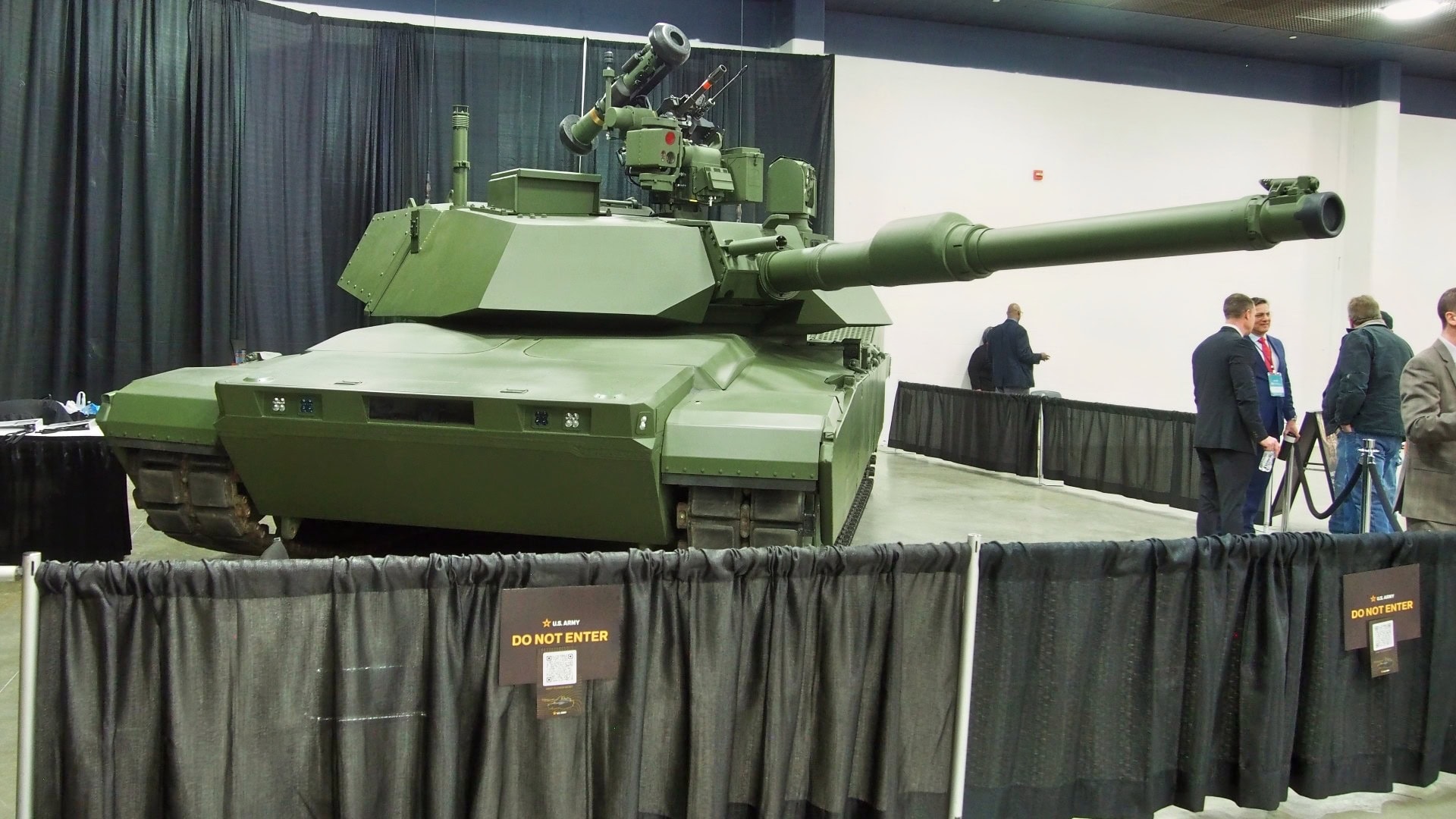
M1E3 Abrams Tank. Taken by 19FortyFive.com
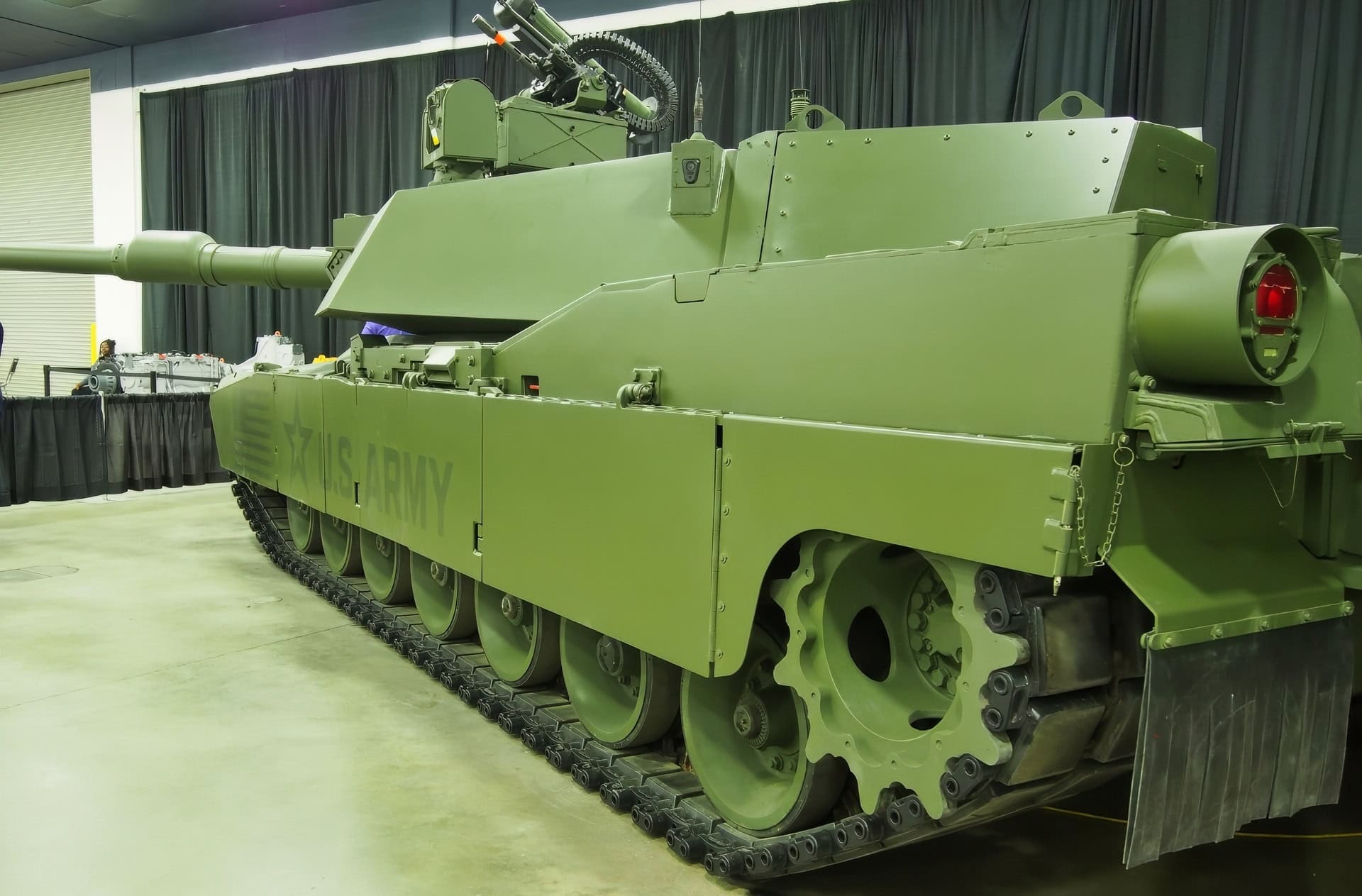
M1E3 from Detroit Auto Show. 19FortyFive.com Original Image.
The Army’s newest tank is being developed around a hybrid-electric powertrain incorporating a diesel engine, replacing the traditional Honeywell AGT1500 gas turbine.
In theory, this new hybrid-electric powertrain configuration should reduce fuel consumption by 50 percent.
The new engines would also make the tank quieter on the battlefield, meaning that these new M1E3s will be harder to detect (and kill).
An unmanned turret is one of the new M1E3’s defining features.
The Army is installing automatic ammunition loading to increase the tank’s firing efficiency and allow greater automation.
In fact, the new tank only requires three crewmembers rather than the traditional four-person crew in previous models.
In the new configuration, the crew would operate from a protected compartment inside the hull, enhancing crew survivability in combat.
The Army planned to receive four early prototypes this year, giving engineers and soldiers time to evaluate individual technologies before integrating them into the finished design.
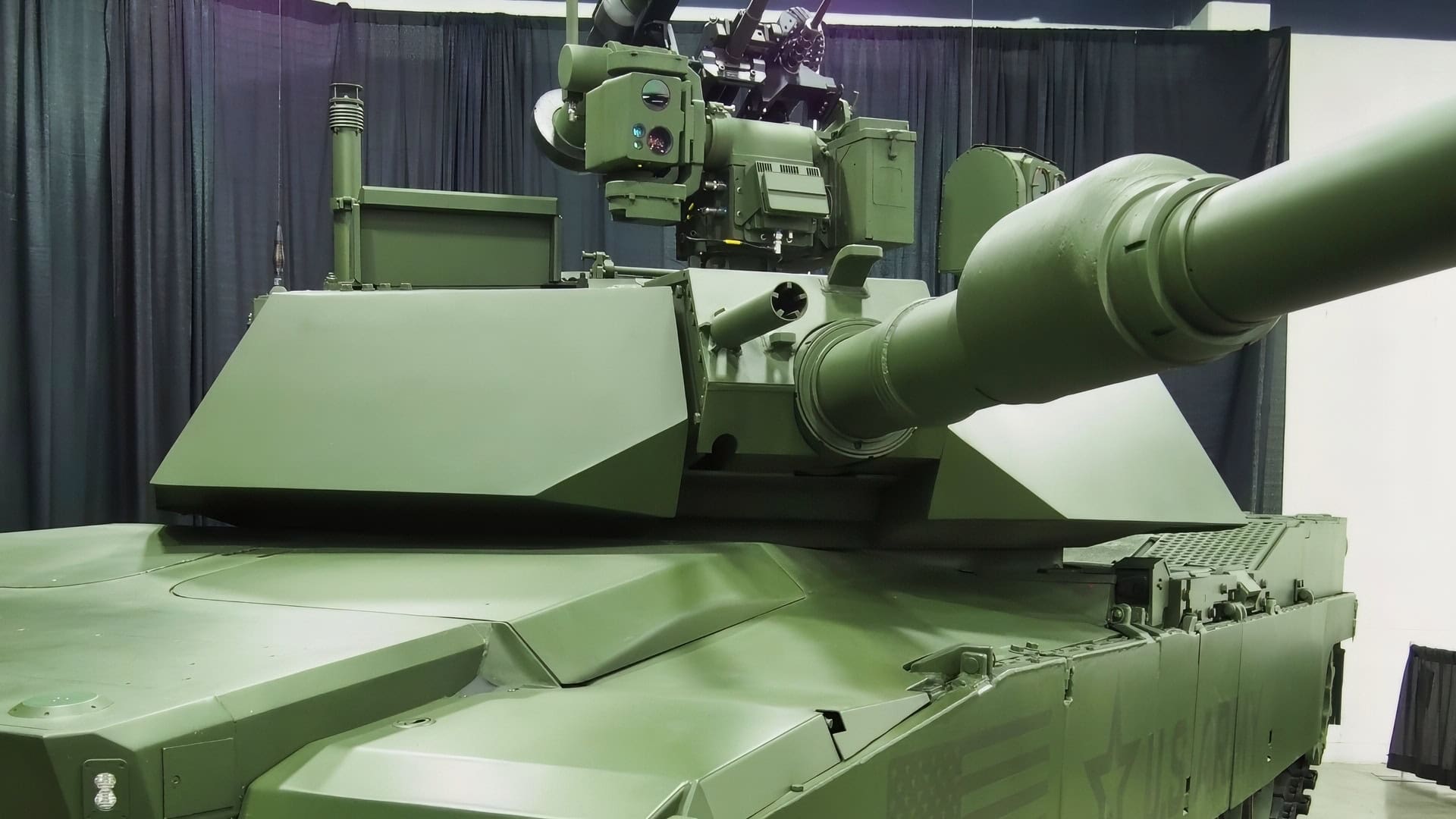
M1E3 Abrams Tank at the Detroit Auto Show. 19FortyFive.com Original Image.
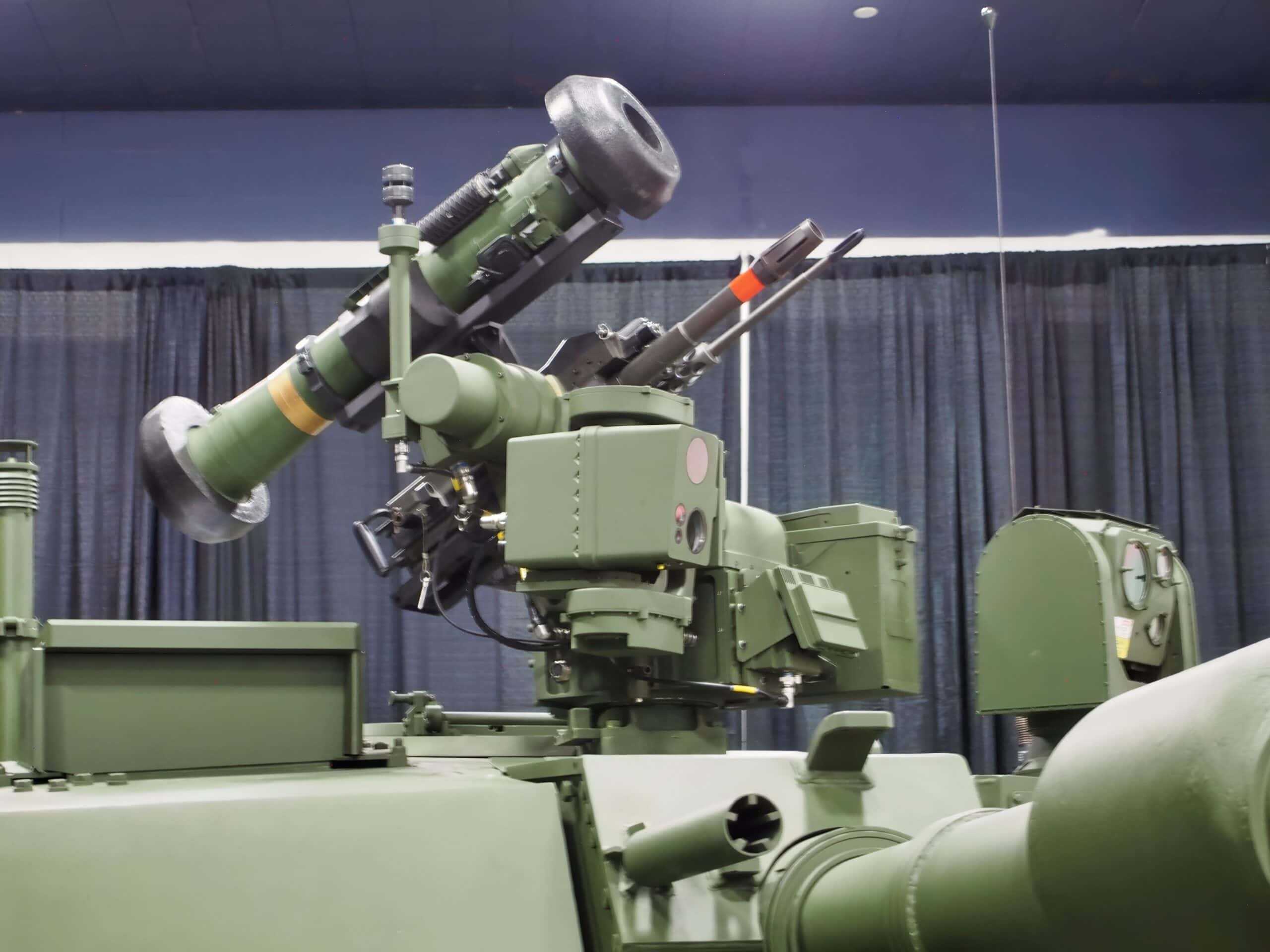
M1E3 Abrams Tank. Taken by 19FortyFive.com
By embracing these transitional vehicles early in development, the Army hopes to expedite full production because Big Green can test these systems sooner.
This is similar to the method the Air Force has embraced for producing the B-21 Raider: merging operational and design testing and producing a handful of prototypes to enable a more efficient development process that would, in theory, produce the platforms in question faster.
The XM30
Alongside the M1E3 Abrams MBT is the aforementioned XM30 IFV.
This system is meant to replace the aging M2 Bradley IFV. The Bradley entered US service in 1981 and has undergone numerous modernization programs.
Still, the Army considers the Bradley’s ability to accommodate additional armor, electronics, and advanced defensive systems as being increasingly limited.
General Dynamics and American Rheinmetall are developing competing versions of the XM30.
In the photo of the Army, it appears the General Dynamics Wolf design of the XM30 is the one being tested. The XM30 has several improvements over the aging Bradley.
For example, the XM30’s primary armament is a 50mm automatic cannon, considerably larger than the Bradley’s 25mm M242 Bushmaster.
That larger weapon will improve lethality against armored vehicles and fortified targets.
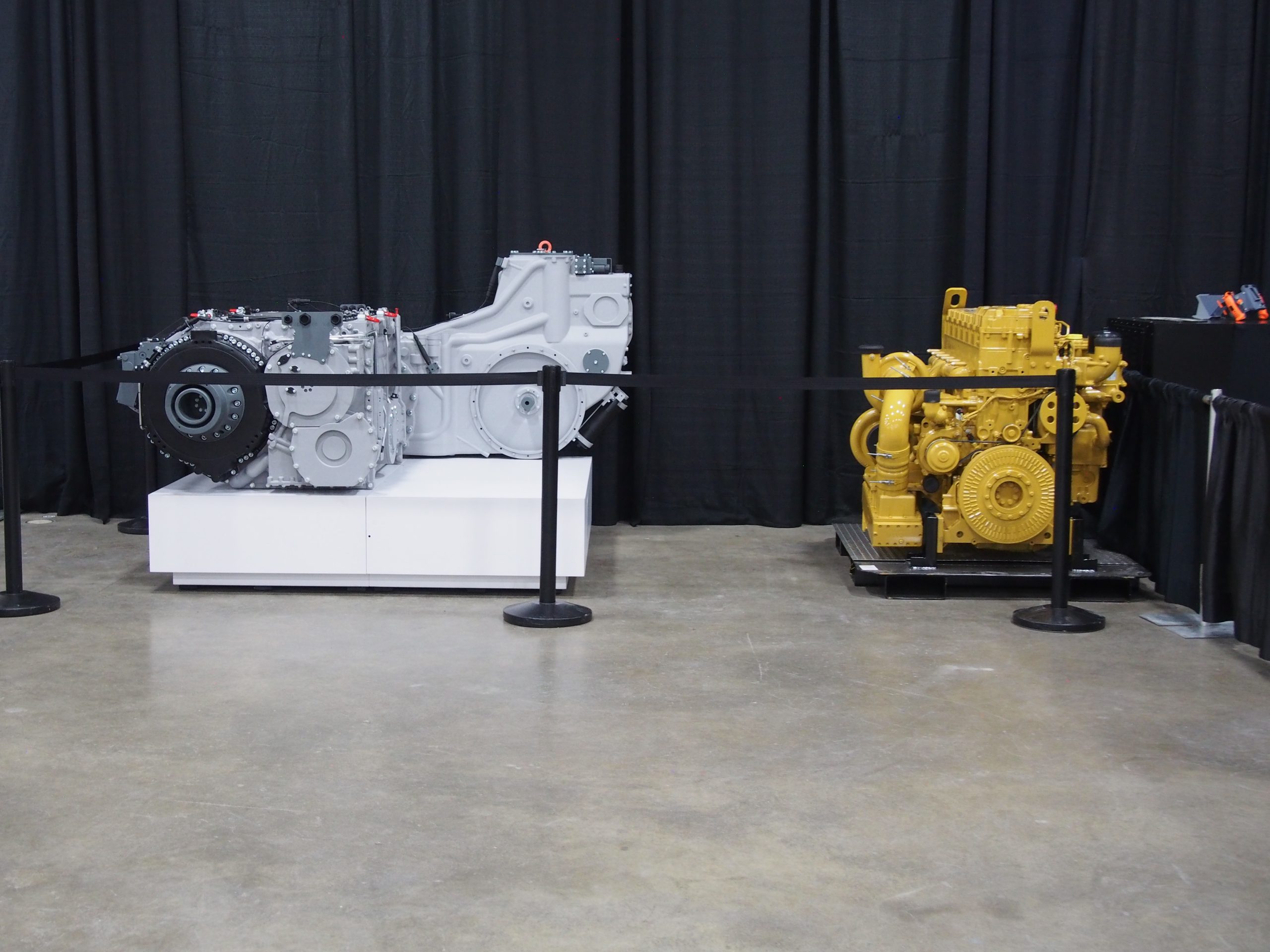
M1E3 Tank Engine and Transmission. 19FortyFive.com Image.
This is in response to the experience of the war in Ukraine, in which the Ukrainians innovated new tactics of taking their aging Bradley IFVs and using them against Russian armor and entrenched positions.
By adding a larger gun instead of the 25mm Bushmaster, the Army is incorporating hard lessons learned in Ukraine into the XM30’s overall design.
The XM30 will also employ an unmanned turret and hybrid-electric propulsion, just like the M1E3 Abrams. The Army wants modular electronic architectures so it can easily upgrade the XM30 over time. Big Green is also incorporating advanced defensive systems to counter new threats (such as drones) on today’s dynamic battlefield.
Going Forward
Big Green wants the M1E3 and XM30 paired together. And these programs demonstrate the Army’s desire to keep up with armored warfare, even in the age of advanced drones and anti-tank munitions (which have both proven so lethal, especially to tanks in Ukraine).

XM-30 Image. Defense Contractor Handout.
The M1E3 is meant to be survivable and light–but heavy enough to still pack an Abrams-style punch. Meanwhile, the XM30 focuses on infantry protection, increased firepower, and technological adaptability.
Neither vehicle has completed development.
The latest trials, however, show that the Army’s future armored systems are moving into the real world.
But can Big Green take these promising prototypes and put them into reliable production?
About the Author: Brandon J. Weichert
Brandon J. Weichert is the Senior National Security Editor at 19FortyFive.com. He also manages The Weichert Brief on Substack. Weichert is the co-host of The Mario Nawfal Show on Twitter/X. He is the author of four bestselling national security books, most recently A Disaster of Our Own Making: How the West Lost Ukraine (Encounter Books). His next book, Fortress Americas: A New Monroe Doctrine (Tucker Carlson Books), is due out December 8. Follow him via Twitter/X @WeTheBrandon.