

Summary and Key Points: A $300 million price tag for the F-47 raises the central NGAD dilemma: unmatched capability versus an “exquisite” fleet too small to sustain global readiness.
-Advocates argue the F-47’s value isn’t just in 186–200 manned jets, but in its role as a command node for Collaborative Combat Aircraft, multiplying combat power without buying thousands of crewed fighters.
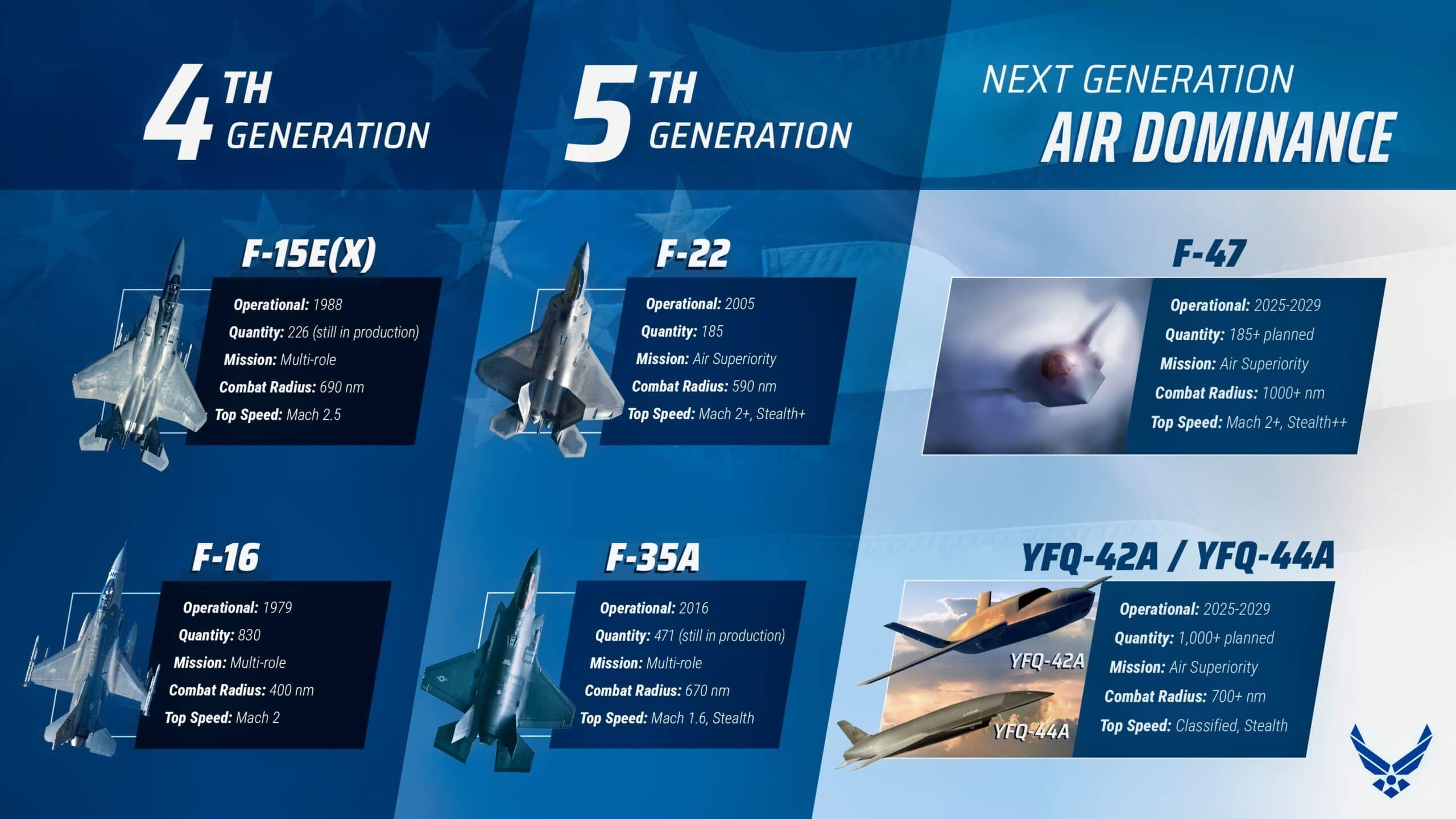
F-47 Infographic. Image Credit: U.S. Air Force
-The Air Force also claims it will be more deployable and maintainable than the F-22.
-Critics counter that small production runs drive unit costs up, strain training and availability, and invite numerical overmatch. Exports could help—if politics allows.
If the F-47 Costs $300 Million, Is It Worth It?
The F-47, the sixth-generation Next Generation Air Dominance (NGAD) stealth fighter, is purportedly the most advanced aircraft in the world.
“The F-47 sends a very direct, clear message to our allies that we’re not going anywhere and to the enemies that we can, and we will, be able to project power around the globe, unimpeded, for generations to come,” Secretary of War Pete Hegseth said on the day the aircraft’s purchase was announced.
However, at a cost of approximately $300 million per aircraft, the question is whether the $300 million-per-unit cost for an F-47 (part of the Next Generation Air Dominance, or NGAD, program) is justified for a production run of only 186-200 aircraft.
This is a major point of debate among defense experts, pitting revolutionary, high-tech capabilities against fiscal, logistical, and sustainability challenges. Having unmatched capability is fine, but when the number of aircraft is very small (186 F-22s), an enemy with lower-quality fighters but superior numbers could overwhelm them.
History has shown that small, “exquisite” fleets (such as the F-22, limited to 186) create logistical challenges and lack sufficient numbers to cover multiple theaters. If 186 is the final number, the Air Force might have too few aircraft to maintain combat readiness, training, and maintenance simultaneously.
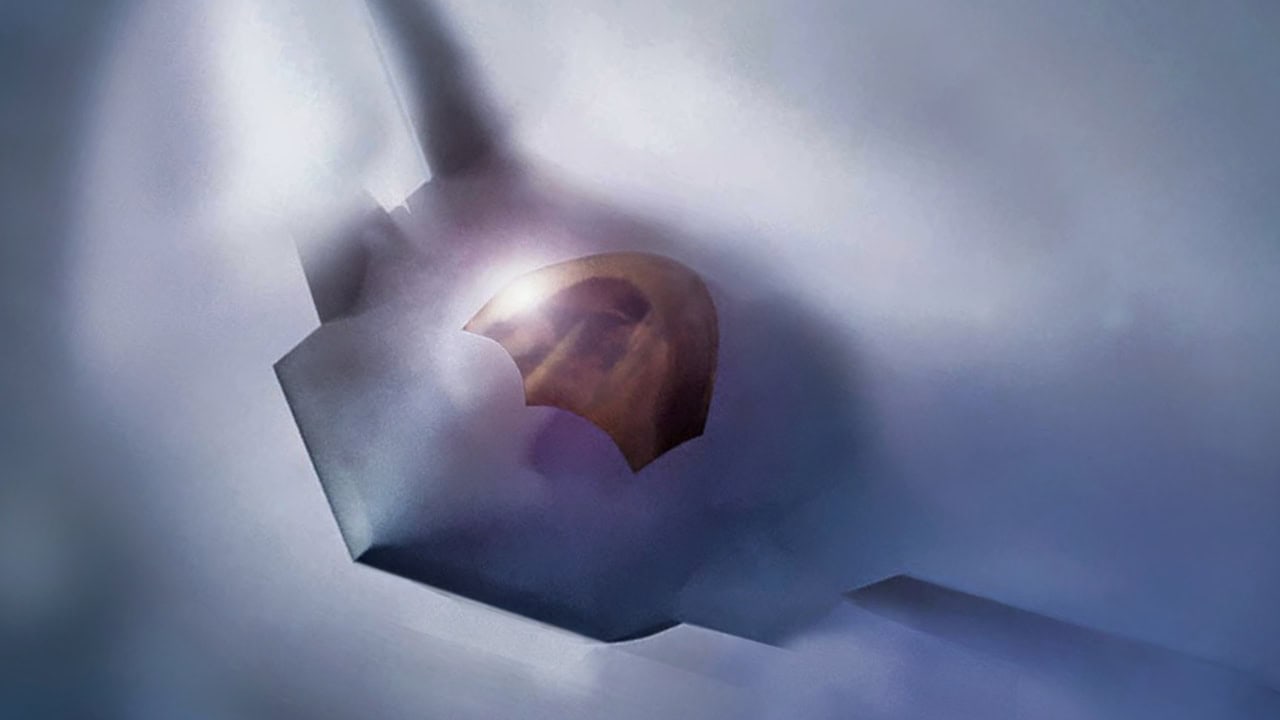
Shown is a graphical artist rendering of the Next Generation Air Dominance (NGAD) Platform. The rendering highlights the Air Force’s sixth generation fighter, the F-47. The NGAD Platform will bring lethal, next-generation technologies to ensure air superiority for the Joint Force in any conflict. (U.S. Air Force graphic)
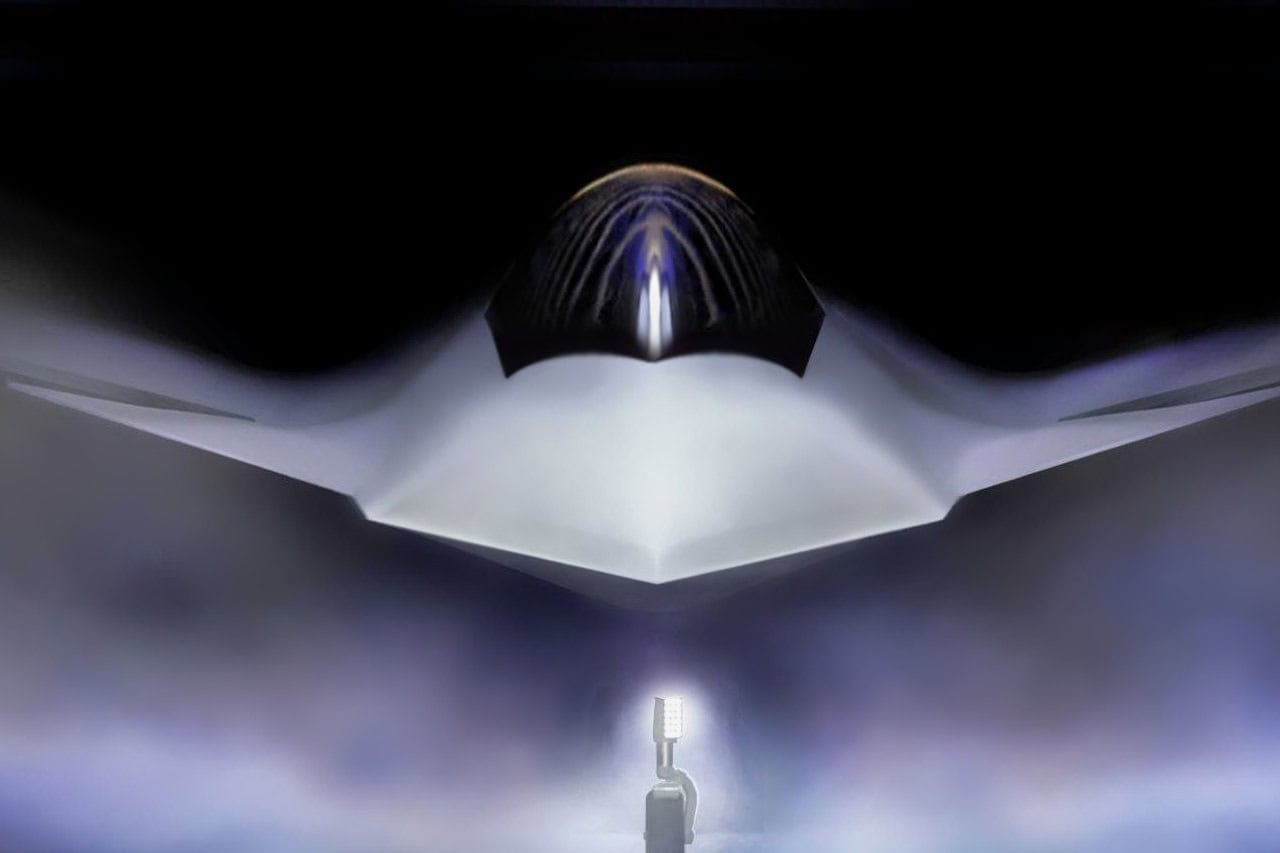
Shown is a graphical artist rendering of the Next Generation Air Dominance (NGAD) Platform. The rendering highlights the Air Force’s sixth generation fighter, the F-47. The NGAD Platform will bring lethal, next-generation technologies to ensure air superiority for the Joint Force in any conflict. (U.S. Air Force graphic)
A small 186-unit production run makes it difficult to maintain a “hot” production line, increasing unit cost and preventing the economies of scale that reduce costs over time.
Qualitative Edge Will Ensure The US Will Dominate The Skies
The F-47 is intended to be a 6th-generation platform—significantly more advanced than the F-35 and F-22 in terms of stealth, range, and sensors (referred to as “stealth++”). It is designed to dominate in high-end, near-peer conflicts.
“System of Systems” Approach is vital to the program. The manned F-47 is designed to control a fleet of unmanned “Collaborative Combat Aircraft” (CCAs), or drone wingmen. The value isn’t just in the 186 jets, but in their ability to act as force multipliers and command autonomous systems, effectively increasing force size without building more expensive, manned platforms.
“Built to Adapt”: The Air Force argues that these jets will be more sustainable and better adapted to future threats than previous generations, potentially lowering long-term maintenance costs and keeping them relevant for decades.
Collaborative Combat Aircraft Program
This is another area where our allies could possibly offset the costs of the F-47 fighter. Between 2025 and 2029, the Department of Defense will allocate $8.9 billion to develop the CCA or “loyal wingman” program.
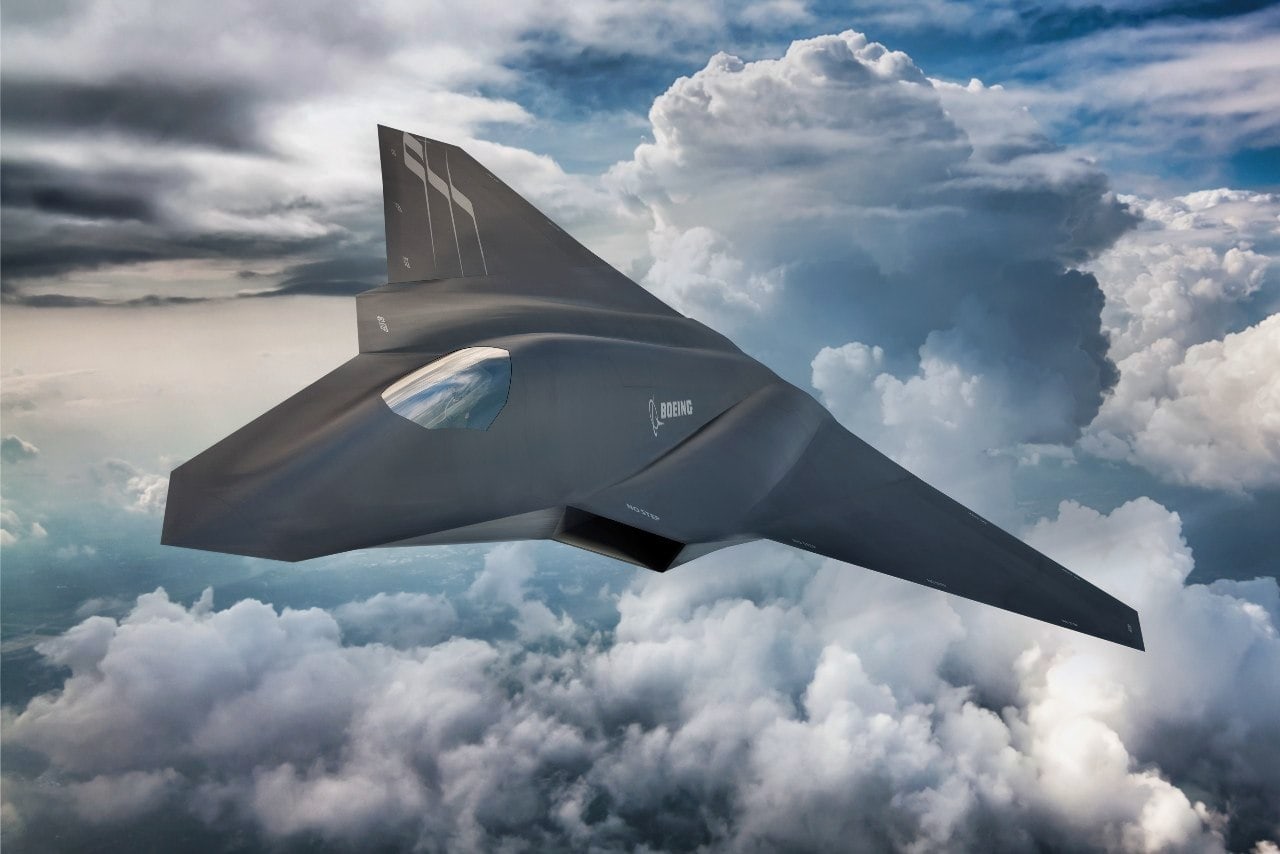
NGAD Fighter from Boeing.
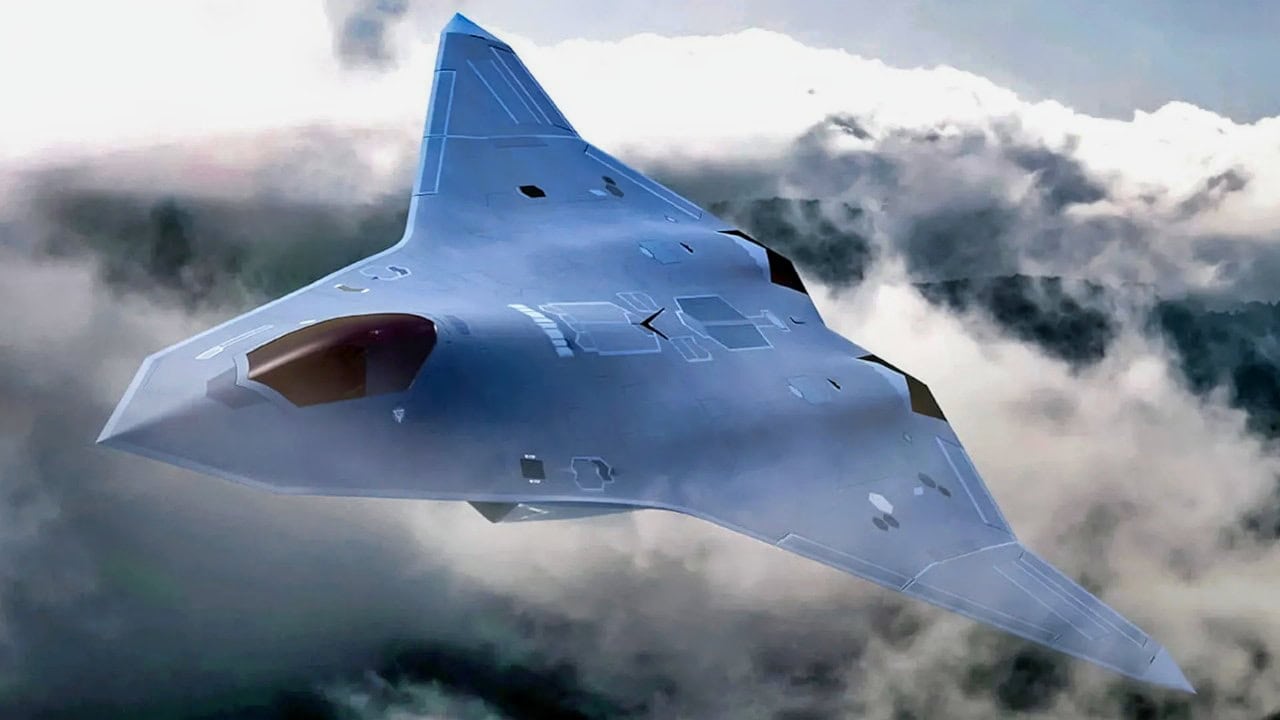
NGAD Fighter. Image Credit: Creative Commons.
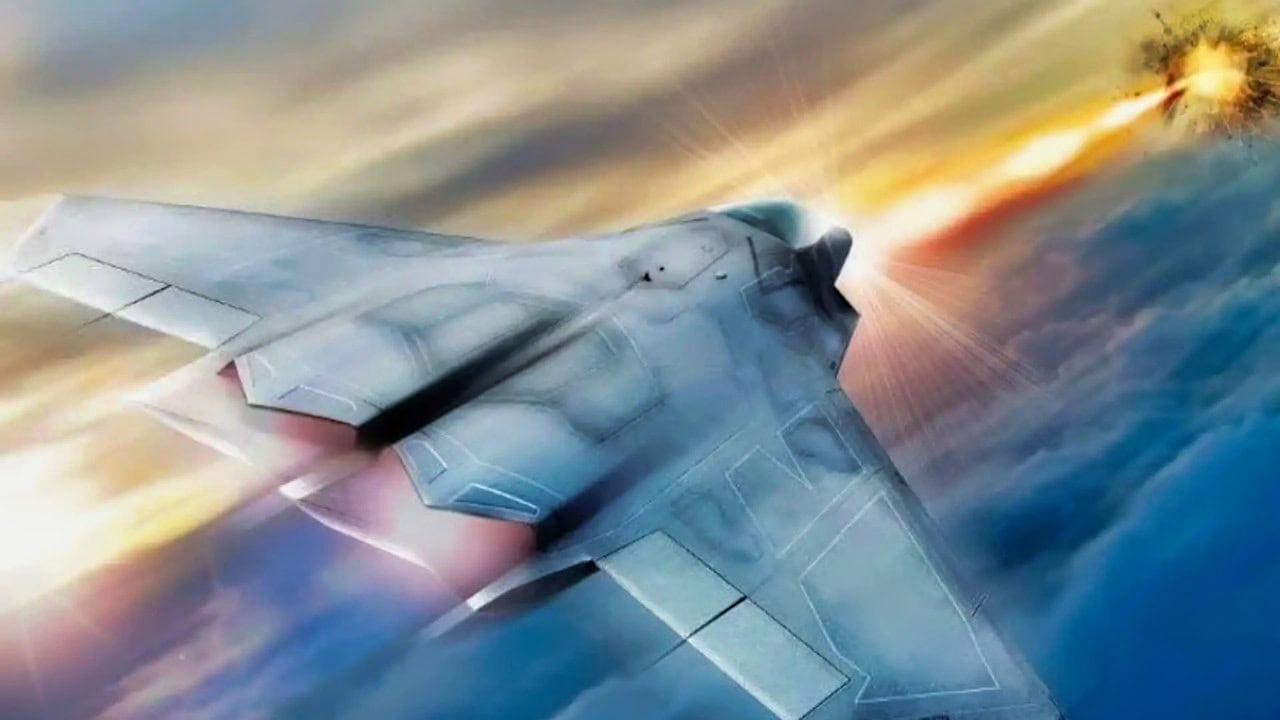
NGAD image. Image Credit: Creative Commons.
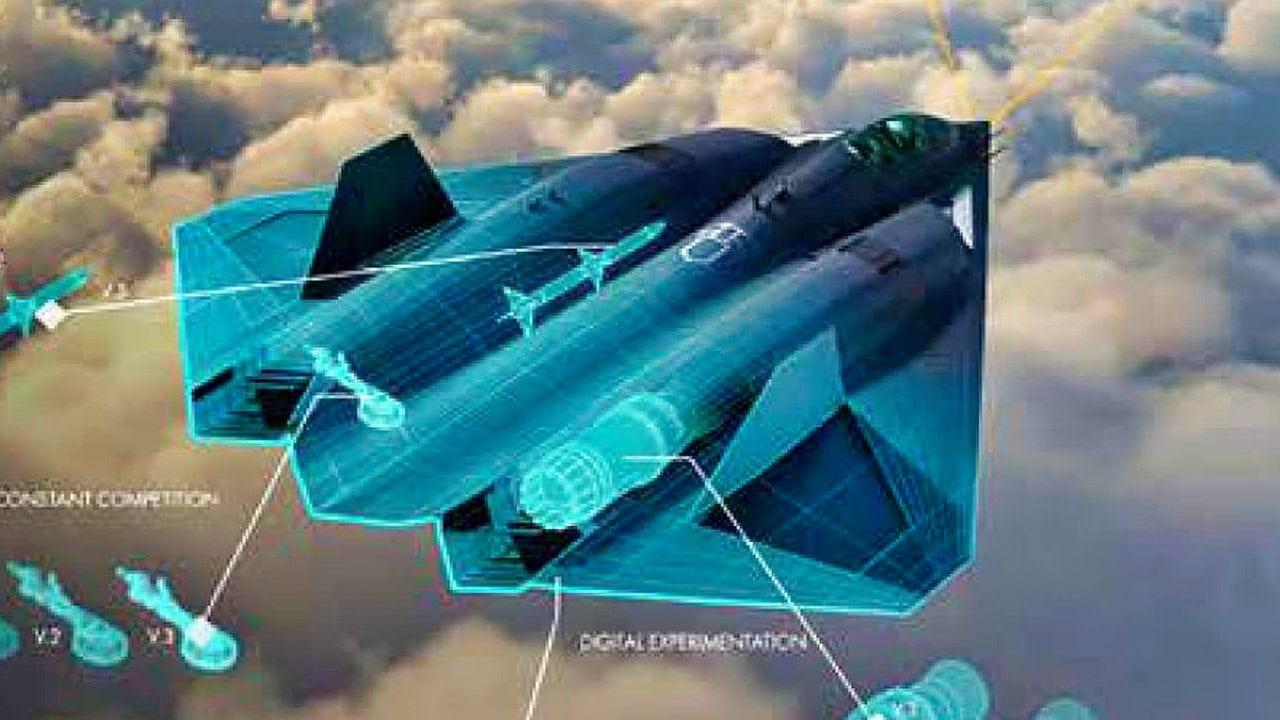
NGAD Image. Credit: U.S. Air Force.
The Air Force announced the designation of two Mission Design Series within its Collaborative Combat Aircraft program today: the YFQ-42A (General Atomics) and the YFQ-44A (Anduril). They began flight testing in October, and they will each play a vital role in the F-47 program.
These will be commanded and led by a pilot in the F-47 to accomplish certain mission parameters. Having the CCA “Loyal Wingman” would reduce the 186 fighter aircraft requirement to some extent.
The Air Force Says It Will Cost Less Than The F-22
The U.S. Air Force released a statement on the F-47, Air Force Chief of Staff General David Allvin said, “Compared to the F-22, the F-47 will cost less and be more adaptable to future threats—and we will have more of the F-47s in our inventory.
“The F-47 will have significantly longer range, more advanced stealth, be more sustainable, supportable, and have higher availability than our fifth-generation fighters. This platform is designed with a “built to adapt” mindset and will take significantly less manpower and infrastructure to deploy,” Allvin added.
The Air Force has proposed a baseline buy of roughly 185 jets, but that number is insufficient. Allvin stresses NGAD as a “family of systems,” prioritizing resilient basing, survivable refueling, and linked sensors.
The Cost of the F-47 Is A Major Sticking Point
Paying for the F-47 is not going to be cheap. It borders on the unsustainable at a cost of $300 million per aircraft. Despite how advanced the aircraft is, that would become a huge sticking point.
But to drive down costs, the Air Force and the Defense Department need to reach an agreement, avoid past mistakes, and learn from them.
Lessons Learned From the F-22 and F-35 Should Play Into Costs
When the F-22 was first developed, many of our allies and partner nations wanted to buy the aircraft. And, why not? Today, it is still the best fighter in the world (until the F-47 is operational). However, an act of Congress specifically barred the F-22 from export.
Its use was restricted to the U.S. Air Force, eliminating any opportunity to disperse costs via foreign military sales. This spread the fixed research-and-development costs across a much smaller US-only fleet, driving up the per-unit price.
The end of the Cold War, diminished hostilities between the United States and Russia in its immediate aftermath, and slashed defense budgets also contributed to the F-22’s high price point.
The cost of the F-22 was projected at $140 million per aircraft. However, the research and development costs and maintenance costs skyrocketed the price to $350 million per aircraft. Part of that was due to the Air Force reducing procurement to just 186 F-22s.
But the F-35 changed that. Our allies also wanted that aircraft, and this time around, the US relented. Exporting the F-35 and involving allies in its production were key factors in reducing per-unit costs for the Lightning II compared with the more expensive F-22 Raptor.
The F-35’s multiple international partners (20 and counting) and aircraft sales abroad help offset the costs of research, development, and production and allow economies of scale to take form.
President Trump Says The US Will Export the F-47
“Our allies are calling constantly,” President Trump said, hinting that foreign military sales could be on the table for American allies. “They want to buy them also,” while joking about the price with reporters in the Oval Office.
President Trump added that the United States “will be selling them,” though potentially in an export configuration. “We like to tone them down about ten percent,” President Trump said, adding that “probably makes sense because someday, maybe they’re not our allies, right?”
Like the F-35, with many of our allies operating the F-47, our enemies will have to deal with them at any time at all four corners of the globe. This strengthens the collective defense of the US and our allies.
There are over 1,100 F-35s operationally around the world, with nearly half in the hands of our allies. It also means we can support and maintain our aircraft together if needed.
These are ways the Air Force can reduce the cost of the F-47. With a fleet of F-47s and B-21 Raiders, the US will maintain its technological edge for the foreseeable future. It is entirely possible that the F-47 may become the last manned fighter jet in the Air Force.
The Air Force needs the F-47 NGAD fighter. But it needs numbers that will make the force sustainable over the long term.
About the Author: Steve Balestrieri
Steve Balestrieri is a National Security Columnist. He served as a US Army Special Forces NCO and Warrant Officer. In addition to writing on defense, he covers the NFL for PatsFans.com and is a member of the Pro Football Writers of America (PFWA). His work was regularly featured in many military publications.