
The first batch of female pilot trainees for carrier-based aircraft pass key assessments.
Recently, the first batch of female flight trainees for naval carrier-based aircraft
have all passed the daytime landing solo assessment
and have now entered the night landing training and assessment phase
They are one step closer to joining frontline units
Netizens: From the recruitment selection in 2023 to today
we have witnessed their growth step by step
We are happy for them!
The first batch of female flight trainees for naval carrier-based aircraft
have all passed the landing solo assessment!
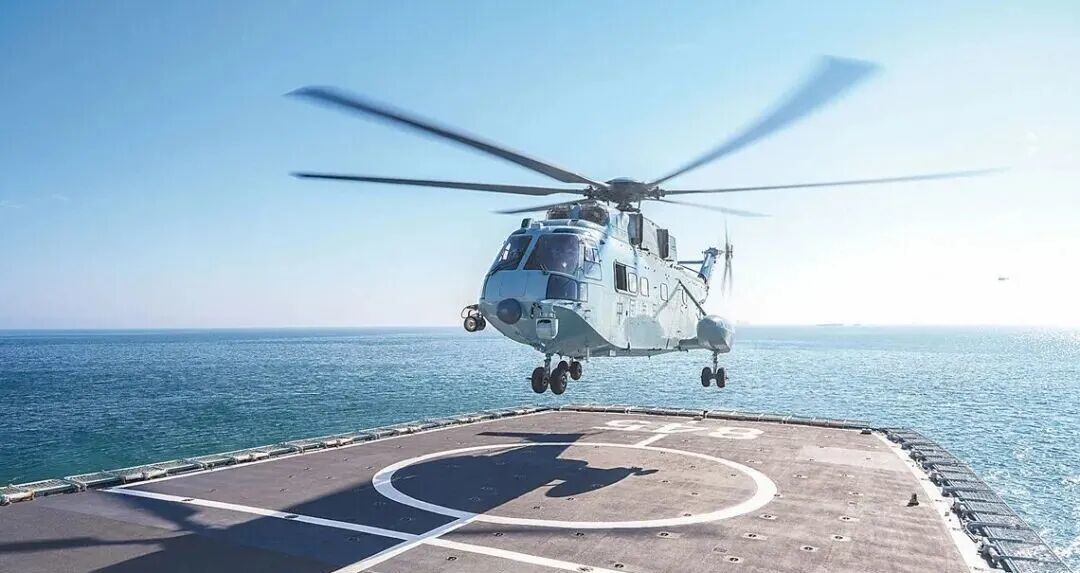
In a certain sea area of the Yellow Sea
several helicopters are closely coordinated, taking off and landing in an orderly manner
The first batch of female flight trainees for naval carrier-based aircraft
have all completed the daytime landing solo assessment
Landing solo is a critical milestone in the growth of carrier-based pilots
and is also a "qualification certificate" for real combat at sea
Compared to land-based operations,
the maritime meteorological environment is more complex and variable
which places higher demands on the flying skills and mindset of the trainees
Wang Mengdi from the Naval Aviation University stated
“The psychological challenge at sea is quite significant
because the landing platform is relatively small
and is affected by waves and sea winds
the ship will rise and fall, sway
which requires more precise control”
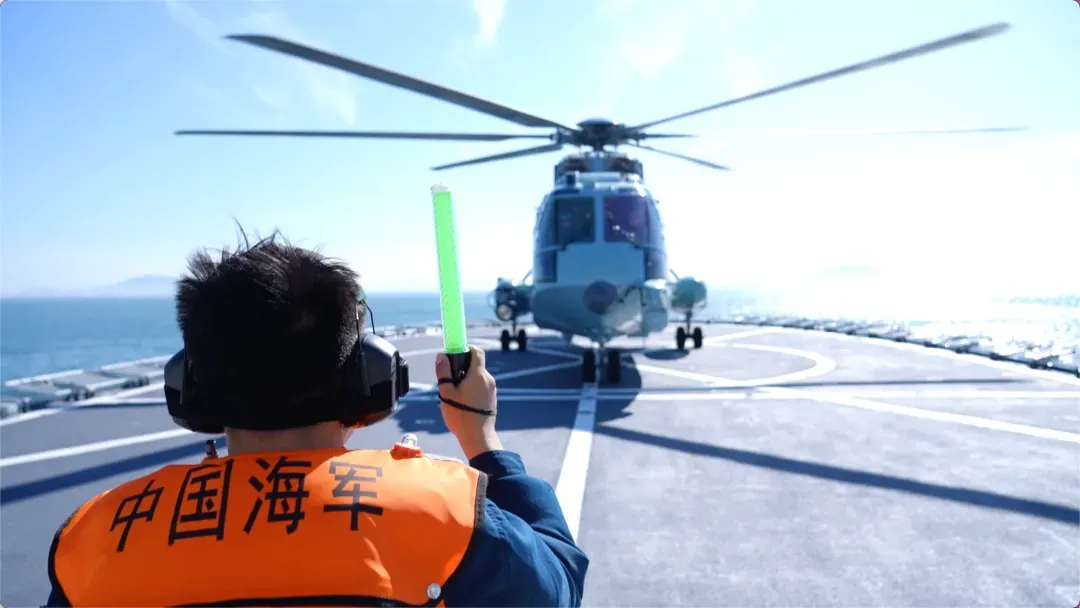
The first batch of female flight trainees for naval carrier-based aircraft
Night landing training footage released for the first time
After completing the daytime landing assessment,
night landing training immediately commenced
Flight trainee Han Meng
flew the helicopter to the designated sea area
As night fell,
the visibility over the sea decreased
Han Meng closely monitored the cockpit instrument data
gradually correcting the course
seizing the opportunity under the guidance of the control tower
she maneuvered the helicopter to descend slowly
successfully completing the night landing
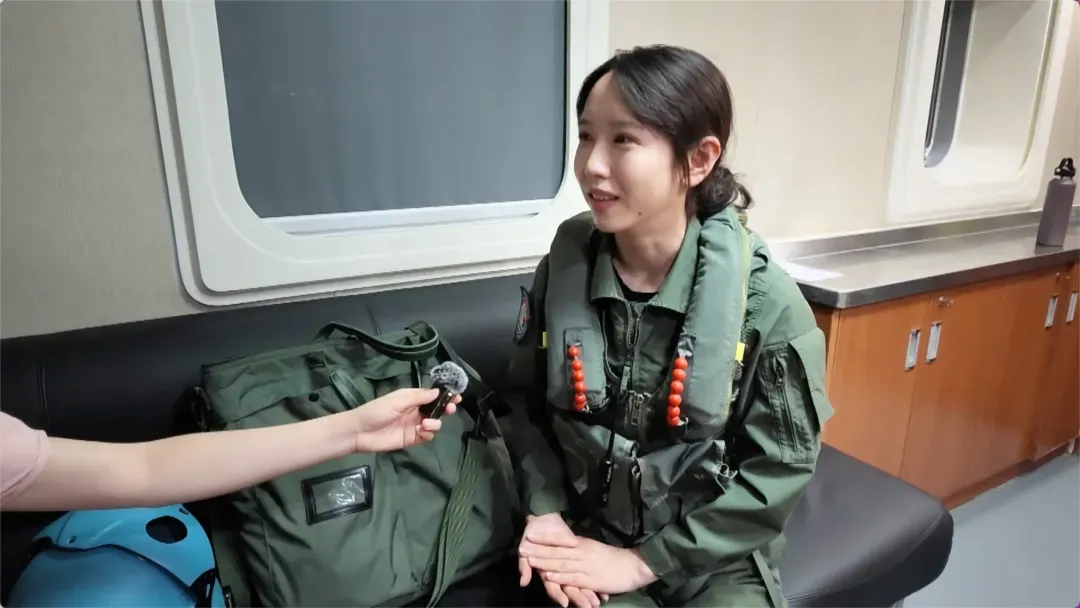
Han Meng from the Naval Aviation University said
“Night landings are indeed more difficult than I imagined
the entire sea surface is pitch black
it’s hard to distinguish where the sea surface is and where the sky is
it’s very easy to have illusions”
After completing today’s landing task,
she gained a clearer understanding of herself
and feels more confident about heading to the front lines
to carry out various maritime and long-distance tasks
The first batch of female flight trainees for naval carrier-based aircraft
were selected through recruitment in 2023
and entered the Naval Aviation University
completing their first solo flight in April 2024
In these three years,
this group of female flight trainees has completed
the transition from theoretical learning to aircraft type conversion
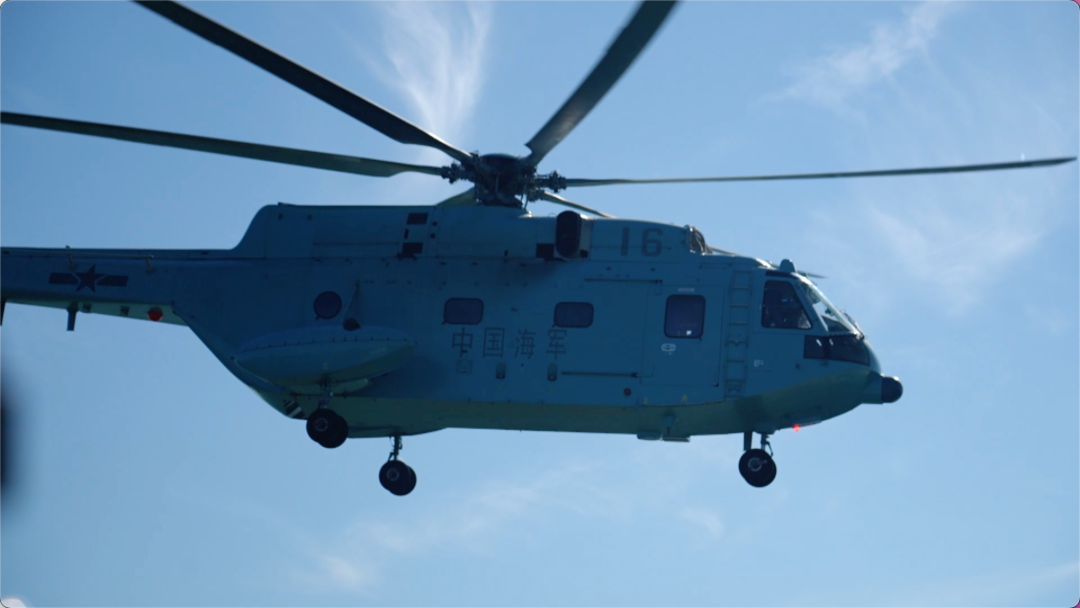
Next,
they still need to complete all training subjects specified in the training outline
and then pass the graduation assessment
before finally joining frontline units
This article is sourced from: CCTV News WeChat account, reprinted from CCTV Military
The first batch of female carrier-based aircraft pilots successfully completed their daytime landing solo assessment in the Yellow Sea and has now commenced night landing training. This training is essential for their progression to frontline units, as it prepares them for the complexities of maritime operations. The pilots have faced significant challenges due to the difficult weather conditions at sea, which require advanced flying skills.
- The first batch of female carrier-based aircraft pilots has completed their daytime landing solo assessment.
- They have entered the night landing training phase.
- The training is conducted in the Yellow Sea.
- The pilots face challenges due to complex maritime weather conditions.
- The training is crucial for their operational readiness.