
The First to Take Off and the Last to Land: They Are the Final Line of Defense for Carrier-Based Fighters
As the Spring Festival approaches, many people are likely already on their way home. However, there are also many who must remain at their posts during the holiday, including the People's Liberation Army soldiers.
On an aircraft carrier, the landing runway is less than one-tenth the size of a land airport runway, and the effective landing area for fighter jets is only over 30 meters. In the event of an emergency, the shipborne helicopter's maritime search and rescue becomes the last line of safety for the pilot.
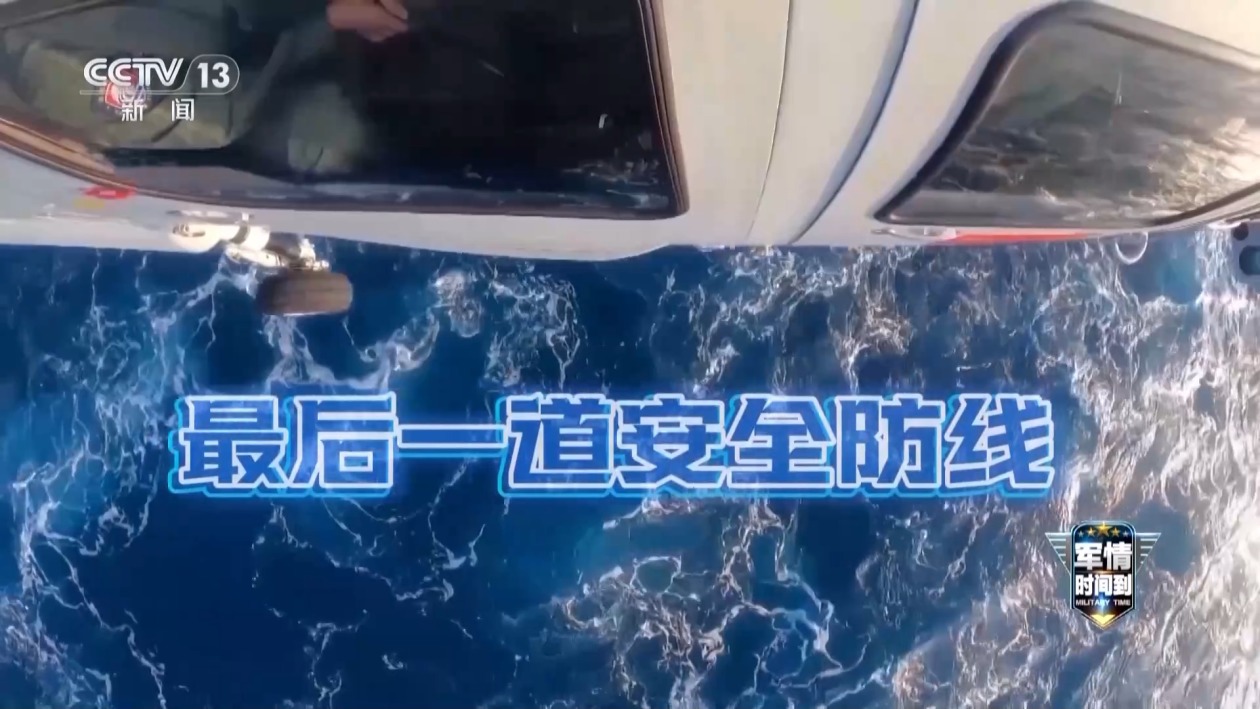
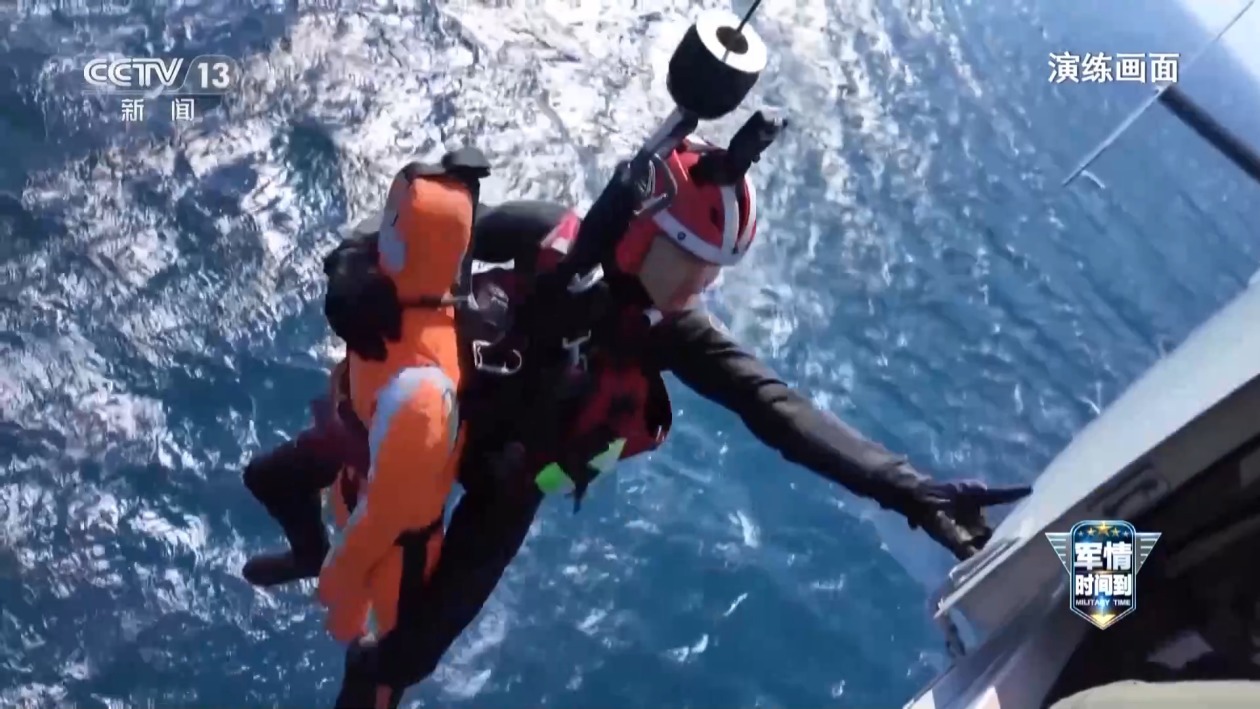
The helicopter hovers into the wind 20 meters above the water rescue target, while winch operator Lu Jian quickly operates the rescue equipment, and rescuer Gou Zejun slowly descends. During this process, the winch operator must accurately grasp the relative positions of the aircraft and the injured person. If the winch cable is too short, the rescuer cannot approach the target; if the cable is too long, both the rescuer and the rescued person may become entangled in the cable.
Rescuer Gou Zejun secures the water rescue dummy with the rescue sling, confirms safety, and signals to lift up, successfully bringing it into the cabin.
On the aircraft carrier, the search and rescue helicopter is the one closest to the elevator in the hangar. Whenever the carrier-based fighter jets take off and land, they are always the first to take off from the deck and the last to land.
On standby 24 hours a day, shipborne helicopter search and rescue is a race against time
The shipborne helicopter's maritime search and rescue is the last line of safety for carrier-based aircraft pilots. Carrier-based aircraft take off and land both day and night, which raises the question: must the shipborne search and rescue helicopters also have the capability for nighttime rescue?
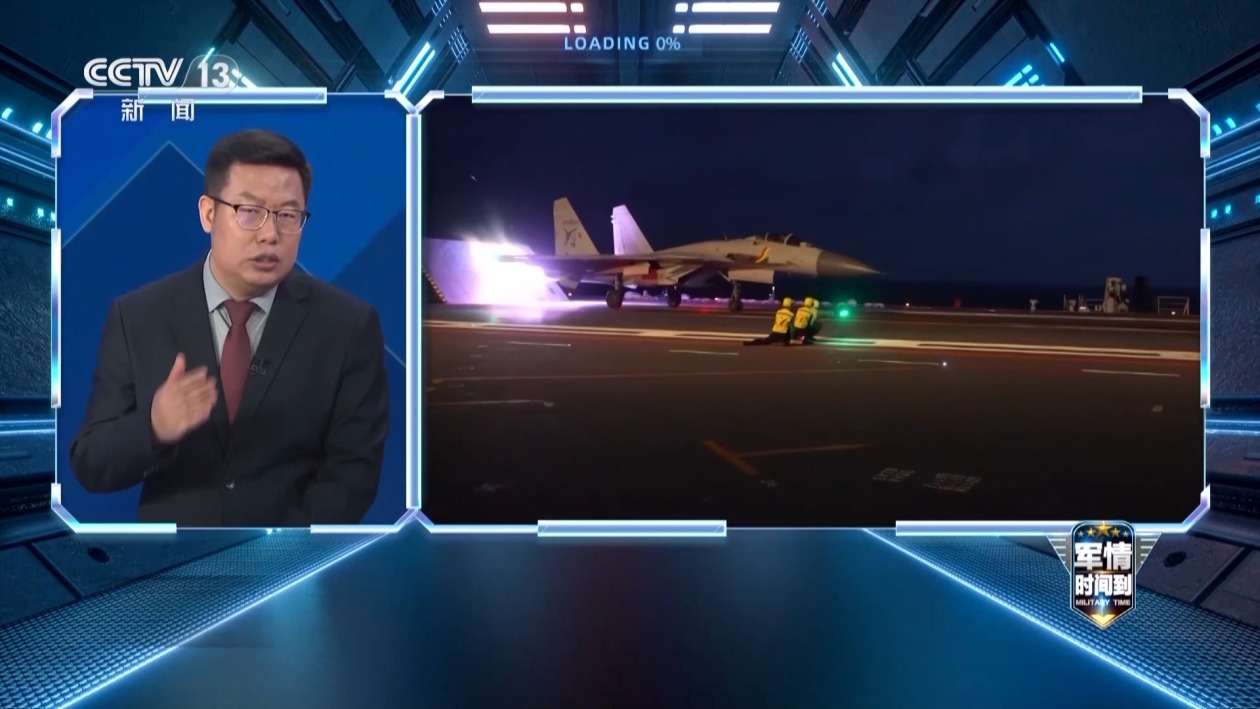
Military observer Wei Dongxu introduced that the carrier-based aircraft units on the aircraft carrier have already achieved all-weather operational capabilities. During missions, the number of nighttime sorties for carrier-based aircraft may be higher, as sometimes combat missions require cover of darkness. Whenever we see the J-15 or J-35 roaring into the sky from the aircraft carrier, we can also see a Z-9 search and rescue helicopter on standby in the airspace near the carrier, indicating that the carrier's helicopter unit is also on standby 24 hours a day.
What are the main challenges for the carrier-based helicopter in executing maritime search and rescue missions? Is nighttime rescue more difficult than daytime rescue?
Wei Dongxu stated that when executing missions, the shipborne search and rescue helicopter is racing against time to quickly rescue personnel in the water. Our search capabilities are very strong now; even in dark environments, we can quickly identify and locate downed pilots at low altitudes.
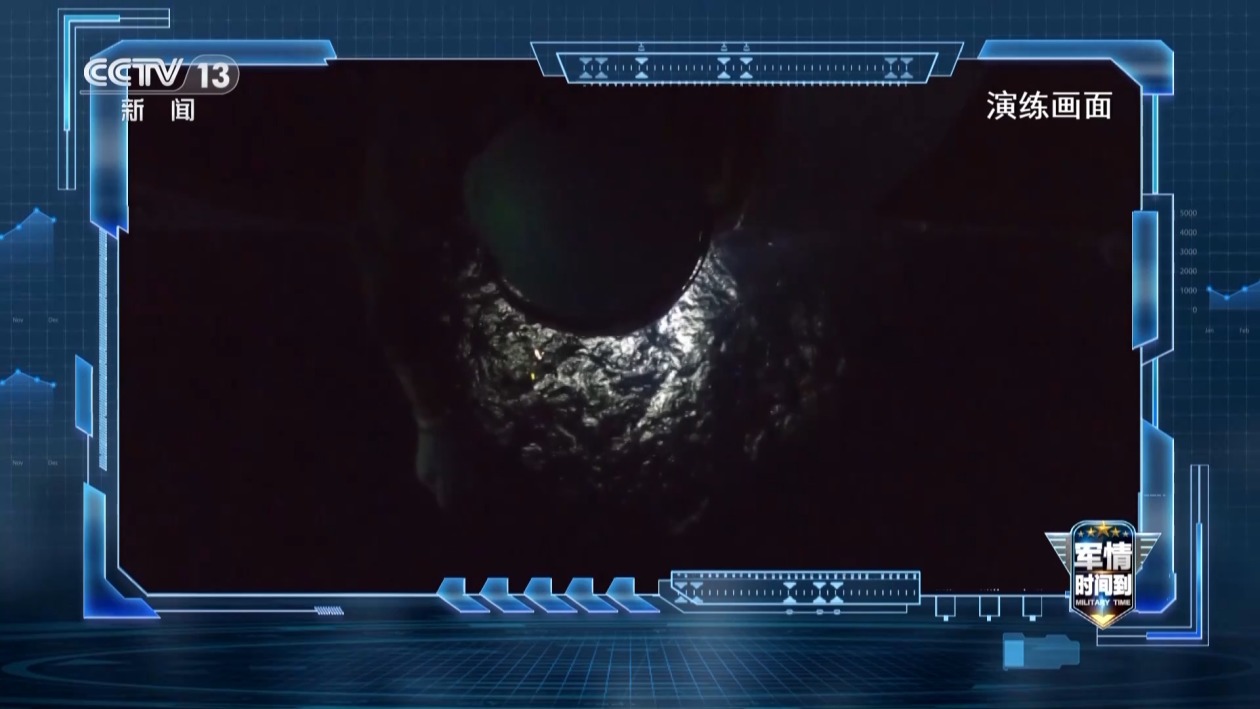
If conducting search and rescue missions in frigid waters, the search and rescue helicopter and crew members are racing against time and life. The seawater temperature is very low, which can have a negative impact on the health of the carrier-based pilots. Quickly rescuing the pilots can minimize the negative effects on their bodies.
Carrier-based helicopter units conduct search and rescue operations for downed pilots on aircraft carriers, maintaining 24/7 readiness. These helicopters, such as the Z-9, are crucial for ensuring pilot safety, especially during nighttime missions. The operations are complex due to environmental conditions, requiring precise coordination to rescue pilots from cold waters.
- Carrier-based helicopters are the last line of safety for pilots in distress at sea.
- Helicopters are on 24-hour standby for search and rescue operations.
- Nighttime operations are more challenging but necessary for pilot recovery.
- The Z-9 helicopter is specifically mentioned as a rescue unit.
- Search and rescue operations are critical in cold sea conditions.