

M1A2 SEPv4 – Why this ‘Super’ Tank Failed for the US Army: Since its introduction in 1980, the M1 Abrams Tank has been considered the most advanced tank in the world.
Built for a Cold War battlefield that imagined the heavy tank blasting through swarms of Soviet T-72s while on the move with its gyro-stabilized gun.
And, over the years, upgrade after upgrade of these legendary tanks would keep rolling onto the battlefield. But that trend ended with the M1A2 SEPv4, and for many good reasons.
The Mission Meets The Upgrades: The M1A2 SEPv4
The M1A2 SEPv4 by General Dynamics would have built solidly on previous designs, with the mission of improving integration with the Joint Battle Command Network and enhancing power distribution to support future technologies not yet invented.
As with previous versions of the Abrams tank, the primary mission is to be the Iron Fist, smashing enemy tanks and fighting vehicles, creating and exploiting openings in enemy defensive lines, and supporting infantry in their attacks.
The Gun and Ammo
Everything the previous Abrams rolled into battle with was improved.
An improved main gun system with the latest thermal optics to fire the Northrop Grumman’s Advanced Multi-Purpose Round, a single programmable munition capable of engaging tanks, massed infantry, light-skinned armored vehicles, and even air-bursting over the heads of an anti-tank missile team.
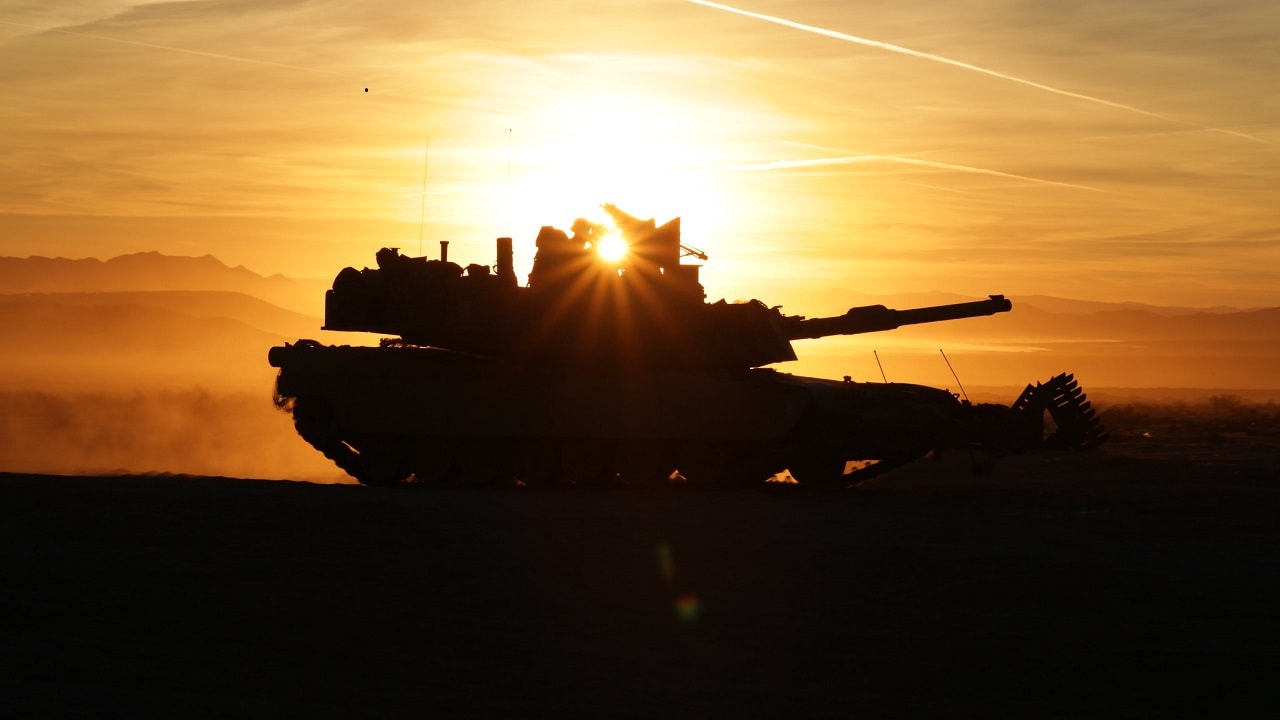
U.S. Army Soldiers, assigned to 3rd Brigade Combat Team, 1st Cavalry Division, maneuver their M1A2 Abrams tank to avoid indirect fire during training at the National Training Center at Fort Irwin, Calif., Oct. 7, 2016.
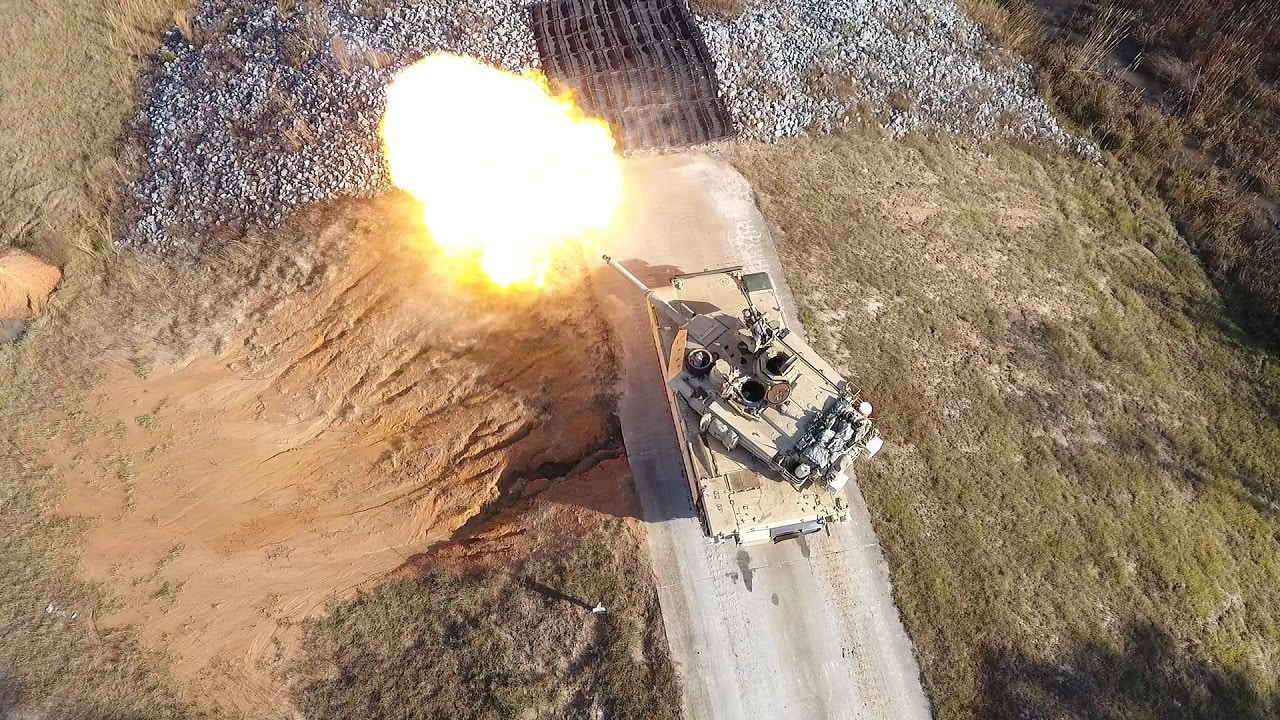
Aerial drone image of an M1A2 Abrams Main Battle Tank crew, from the 1st Armor Brigade Combat Team, 3rd Infantry Division, conducting Table VI Gunnery at Fort Stewart, Ga. December 6, 2016.
AI Enhanced Targeting
An AI-assisted targeting system to warn an overly excited gunner, in the heat of battle, that his target might be a friendly tank or armored fighting vehicle rather than a Russian T-80.
Defense Against ATGMs and RPGS
Rafael’s Trophy Active Protection System was designed to provide 360-degree protection against anti-tank missiles and rocket-propelled grenades such as the RPG-29.
The Power That Moves You
The upgraded 1,500 powerplant would have included new computerized diagnostics to assist maintainers in quick turnarounds in the repair depot. If this system detected a fault, it would send notice of the problem back to the repair facility while the tank was still fighting.
Back in the rear, the supporting elements would know in real time the fuel and ammunition status of tanks on the line of battle and be able to move fuel and ammo to those tanks as needed.
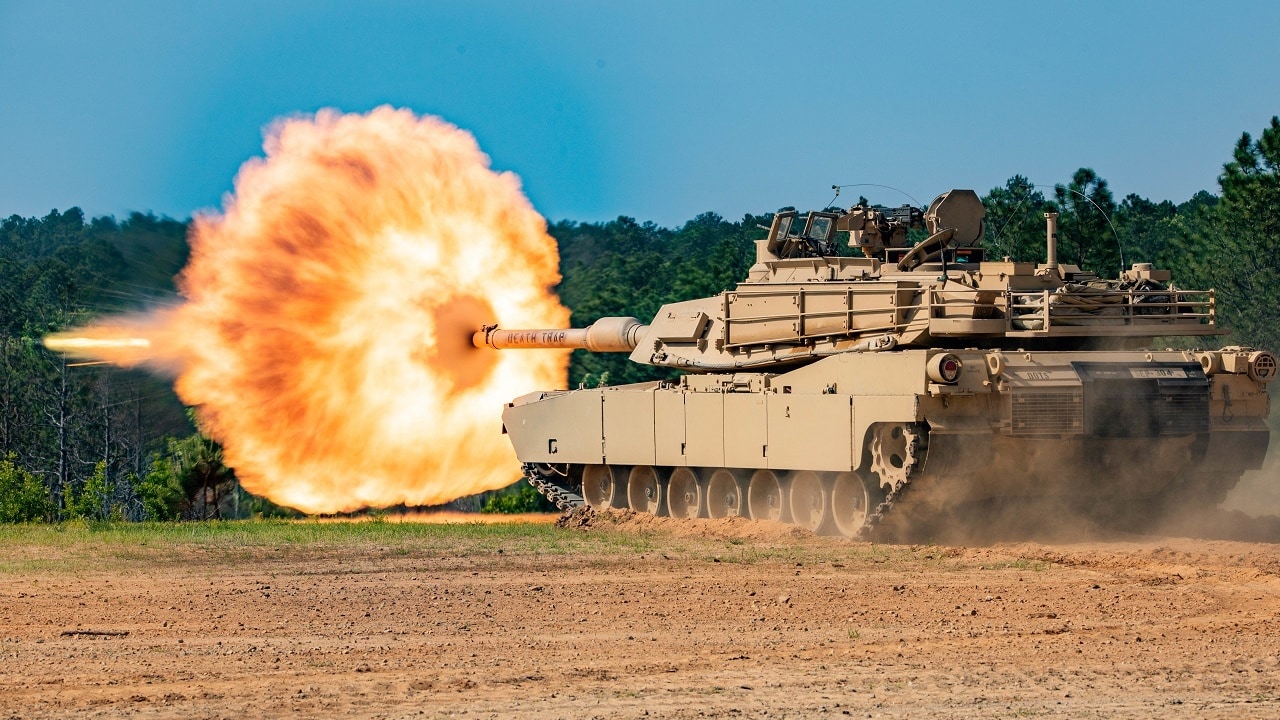
M1 Abrams. Image Credit: Creative Commons.
All these improvements came with an especially important tradeoff in mobility, however.
A Heap Ton of Weight
The new M1A2 SEPv4 was pushing upwards into the 80-ton weight range.
The Army found the new tank too heavy to cross most bridges in Europe; it was also too heavy for the Army’s tactical bridge system.
Additionally, it was too heavy for Tank Recovery Vehicles to pull out of the mud and too portly for tank transporter trailers.
These would all have to be replaced to support the SEPv4.
The End Came Quickly
Then the war in Ukraine broke out and almost instantly revealed that the new Iron Fist that the SEPv4 represented was not the tank you wanted to go into a fight with if you could even get it there.
Cheap, off-the-shelf Ukrainian drones using grenades and shaped charges were making olive drab popcorn out of thousands of Russian tanks, sending their turrets fifty feet into the air and making grease stains out of the crews.
The shadow over Abrams’ reputation as the best tank in the world fell in 2023, as the Army entered a five-year testing and evaluation process for the new tank. The shape of that shadow was the aerial drone.
This latest Abrams could have been the greatest heavy main battle tank ever devised by man, but the type of war it was made to win was no longer the kind of war anyone wanted to fight.
So, in Sept. 2023, with some $400 million spent on development and seven prototypes in testing, the Army walked away from the SEPv4.
The reasons are generally well known at this point.
The extremely expensive logistics problems created by its weight and the biggest issue of all: drone protection.
Inherent Vulnerability
The M1A2 SEPv4 was all but helpless against drones.
It still had thin armor on top of the turret and unarmored engine bay grates. Drones could kill or disable it and its crew.
The Army made a remarkably quick turnaround to a much lighter, hybrid-powered version, designated the M1E3, in the 60-ton weight range, and capable of utilizing present and future drone-protection technology.
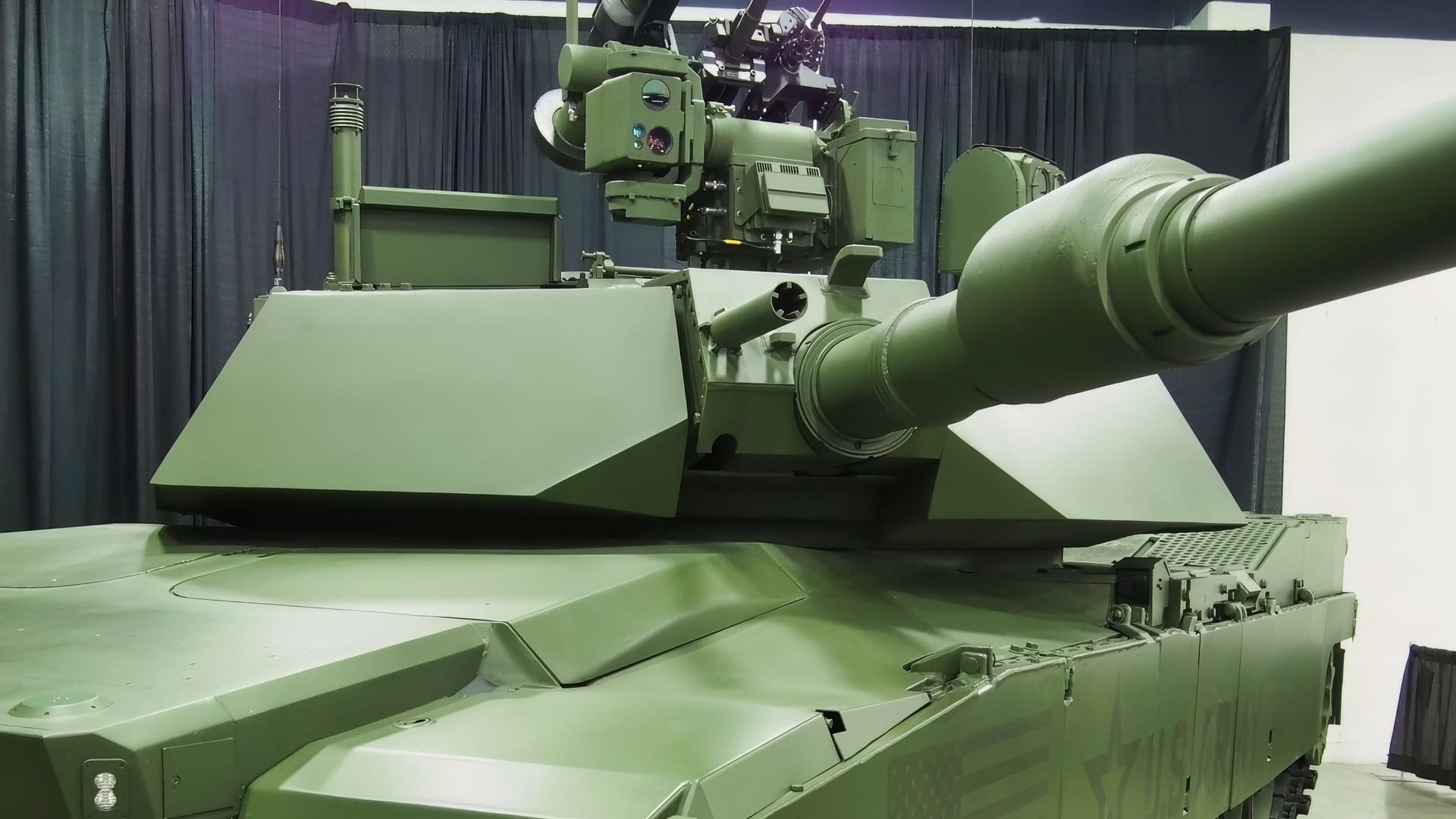
M1E3 Abrams Tank at the Detroit Auto Show. 19FortyFive.com Original Image.
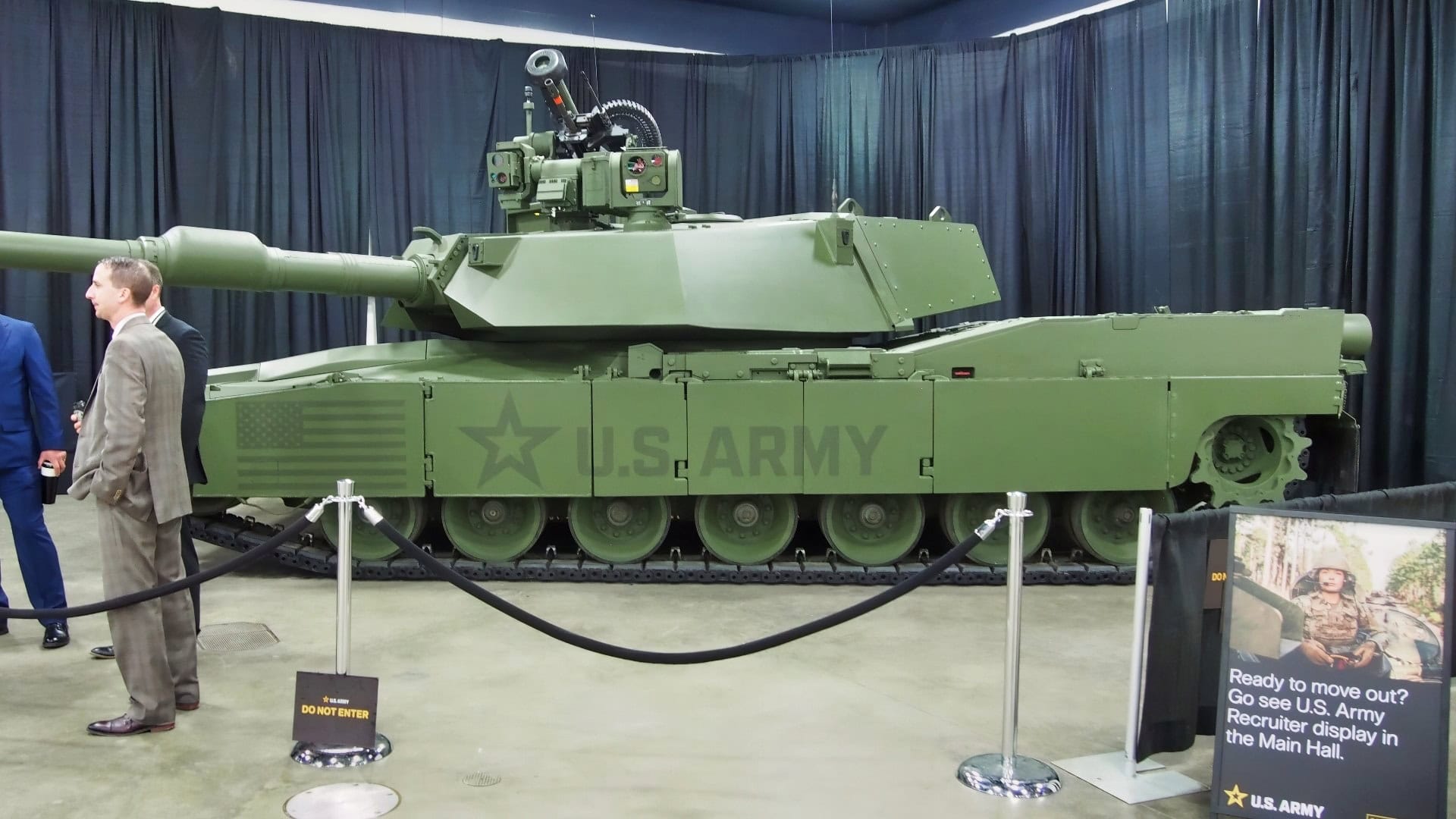
M1E3 Abrams Tank. Taken by 19FortyFive.com
Hopefully, the Greatest Tank That Almost Was, the seven M1A2 SEP4v prototypes will be preserved by the Army, just in case.
For those of you who live and die by the numbers on all things military, here they are on the M1A2 SEP4v.
The Stats
Physical Dimensions
- Length (Gun Forward): 32.04 ft (9.77 m)
- Width: 12.0 ft (3.66 m)
- Height: 8.0 ft (2.44 m)
- Ground Clearance: 19 in (0.48 m)
- Combat Weight: 73.6 short tons (66.8 metric tons). Can exceed 80 short tons with full add-on armor and mine plows.
Armament & Fire Control
- Main Gun: 120 mm M256 smoothbore cannon
- Ammunition Data Link (ADL): Capable of integrating smart rounds such as the M1147 Advanced Multi-Purpose (AMP) round.
- Secondary Weapons:
- 1 x .50 caliber M2 machine gun on the Low Profile CROWS (remotely operated)
- 2 x 7.62 mm M240 machine guns (one coaxial next to main gun, one loader’s mount)
- Optics: 3rd-Generation Forward-Looking Infrared (FLIR) sights for both tank commander and gunner.
Power & Performance
- Main Engine: The Honeywell AGT1500 gas turbine engine (1,500 hp)
- Auxiliary Power Unit (APU): An armor-protected, low-profile APU (allows the tank to run electronics without idling the main turbine, saving significant amounts of fuel, reducing the heat signature and noise level).
- Fuel Capacity: 505 US gallons (1,911 liters)
- Maximum Speed: 42 mph (67 km/h) on-road or 30 mph (48 km/h) off-road.
- Operational Range: ~265 miles (426 km)
Protection & Crew
- Crew: 4 (Commander, Gunner, Loader, Driver)
- Armor: The Upgraded Next-Generation Armor Package (NGAP) with depleted uranium elements in the hull and turret face.
- Active Protection: Pre-wired for factory integration of the Rafael Trophy Active Protection System (APS), providing 360-degree protection against incoming anti-tank guided missiles and RPGs.
About The Author: Sean Spoonts
Sean Spoonts is the former Editor-In-Chief of SOFREP.com. He is a military analyst, writer, and commentator whose work has appeared in Newsweek, CNS News, Ukrinform, and various military/veteran media networks and professional publications such as the Military Intelligence Professional Bulletin. He is a U.S. Navy veteran, having served as an Aviation Anti-Submarine Warfare Operator and Search and Rescue Helicopter Aircrewman.