
The Japan Maritime Self-Defense Force's Quantum Magnetic Sensor UAV Project Indicates a Shift in Anti-Submarine Warfare by 2031
 S.W
S.WThe Japan Maritime Self-Defense Force's Quantum Magnetic Sensor UAV Plan Indicates a Shift in Anti-Submarine Warfare by 2031
It has been reported that Japan is considering the development of unmanned aerial vehicles (UAVs) equipped with quantum magnetic sensors, looking ahead to fiscal year 2031, following the defense budget request announced at the end of August. This represents a shift from the idea of searching for Chinese submarines using only surface vessels and patrol aircraft to deploying a large number of inexpensive drones to continuously monitor vast ocean areas near the surface.
The Operational Concept is More Important than the Sensor
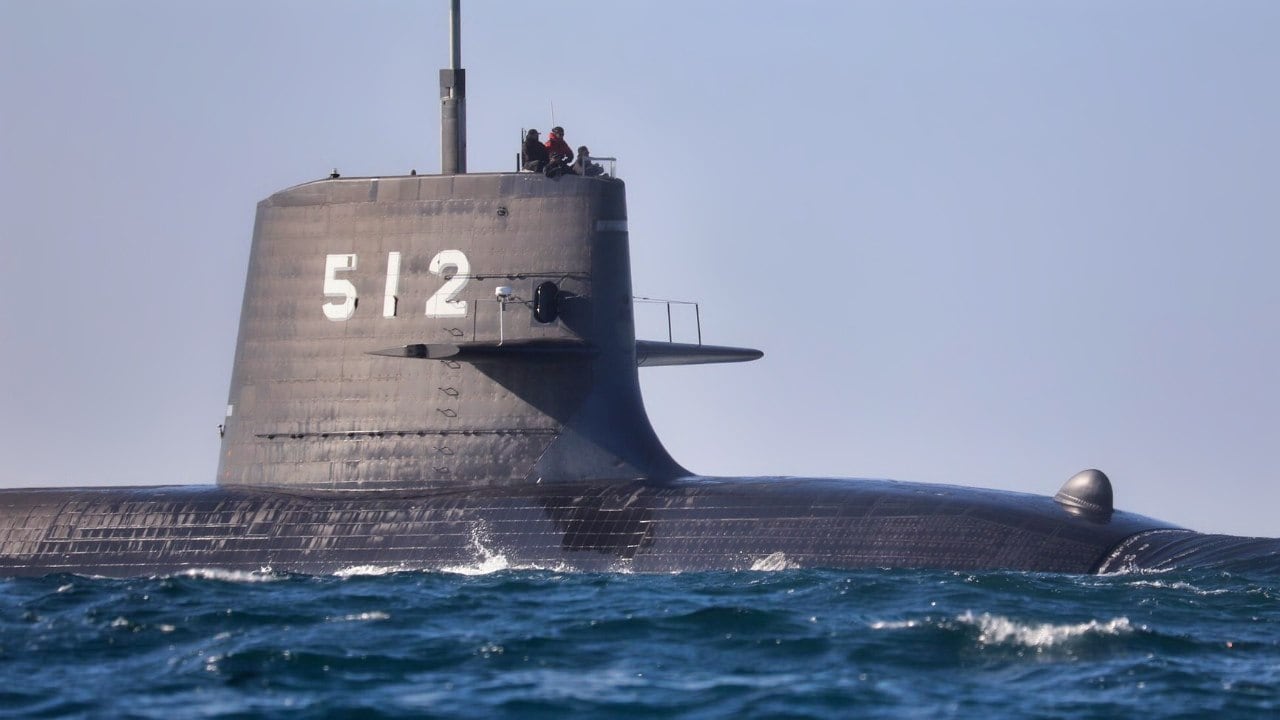
A quantum magnetic sensor is a device that detects the weak magnetic fields generated by a submarine's hull. The detection range of a single unit is limited and is affected by ocean currents, geomagnetism, and the magnetic treatment of the hull. Therefore, it is dangerous to assume that the term "quantum" alone guarantees reliable detection of submarines from long distances.
However, the situation changes when low-cost UAVs are operated in groups. The shortcomings of a single unit can be compensated for by deploying multiple units, altering their routes, and cross-referencing data, allowing for a concentration of other aircraft in areas where anomalies are detected. This should be viewed not as a means for final attacks, but as equipment that increases the "threads of contact" passed to the JMSDF's P-1 patrol aircraft, escort ships, submarines, and the Japan-U.S. intelligence network.
The Miyako Strait as a Litmus Test
As the Chinese Navy advances into the Pacific, the Miyako Strait in the Ryukyu Islands becomes a crucial transit area. The approximately 250-kilometer strait, with its deep waters, is valuable not only for surface ships but also for submarines. If UAVs can continuously collect magnetic data here, the JMSDF can redirect the limited flight time of manned aircraft to verify suspicious areas.
U.S. defense authorities indicate that China's submarine fleet could increase to about 80 vessels by 2035. Tracking China's increasingly quiet nuclear submarines using only conventional acoustic sensors will be challenging. A multi-layered anti-submarine surveillance system that integrates magnetic, acoustic, satellite, and track information will be necessary.
New Challenges for the Japan-U.S. Alliance
This plan is less about Japan's independent development of new weapons and more about the alliance's operational issue of how quickly anti-submarine warfare data can be shared between Japan and the U.S. By linking the U.S. Navy's wide-area surveillance capabilities with the JMSDF's accumulated knowledge of coastal and strait monitoring, it can serve as an effective auxiliary line for protecting the SLOC (Sea Lines of Communication) around the southwestern islands.
On the other hand, 2031 is still far off. Without miniaturization of sensors, weather resistance, communication bandwidth, battery longevity, and sufficient personnel to maintain a large number of units, the plan may stall at the experimental stage. The JMSDF faces not only a lack of detection technology but also a deficiency in command and control to convert the collected data into immediate judgments.
In my view, the true value of quantum sensors will be determined not by the "distance to find submarines," but by whether it can reduce the cost of resuming searches after losing track of them.
Sources
- Asia Times, Japan tapping quantum sensor drones to hunt China’s hidden subs
- South China Morning Post, Japan eyes quantum sub-hunting drone sensors
- U.S.-China Economic and Security Review Commission, Rear Admiral Mike Brookes testimony, March 2026
- Japan Maritime Self-Defense Force, September 16, 2026 bilateral exercise announcement
Japan is developing UAVs equipped with quantum magnetic sensors for anti-submarine warfare by 2031, transitioning from traditional naval methods to extensive UAV deployment for maritime surveillance. The Miyako Strait is highlighted as a key area for monitoring Chinese submarine activity, with the U.S. predicting a significant increase in China's submarine fleet. The program's success hinges on technological advancements and effective collaboration with U.S. forces.
- Japan plans to develop UAVs with quantum magnetic sensors for anti-submarine warfare by 2031.
- The focus is shifting from traditional naval vessels to a large number of UAVs for maritime surveillance.
- The Miyako Strait is identified as a critical area for monitoring Chinese submarine activity.
- The U.S. predicts an increase in China's submarine fleet by 2035, necessitating advanced detection methods.
- The success of the program depends on technological advancements and operational integration with U.S. forces.