

Summary and Key Points: NASA made the last SR-71 Blackbird flight ever on October 9, 1999, when jet 61-7980 reached Mach 3.21 at 80,100 feet. Twenty-seven years later, NASA Administrator Jared Isaacman stood before a slide showing an aircraft silhouette that an MIT aeronautics professor says looks like an SR-71, and told the All-In Summit that the agency is getting back into flying high and fast.
The SR-71 Blackbird Photo?
Addressing the All-In Summit last week, NASA Administrator Jared Isaacman presented before a PowerPoint slide on which the title “Rebuilding our X-plane portfolio” appeared.
The outline of an aircraft that, at first glance, seemed to resemble the famed reconnaissance jet, the SR-71 Blackbird, was pictured.
“In the service of the first A in NASA, we are rebuilding our X-plane fleet,” Isaacman said. He noted that the new X-59 is merely “ the beginning” of fresh plans toward new airframe and propulsion design and flight testing.
All-In co-host Chamath Palihapitiya recently implied the new X-plane was a Blackbird. Isaacman quipped, “You sure that’s a Blackbird?”
“NASA is getting back in the business of flying high and fast again,” he explained when discussing the photograph of an unidentified plane.
As it stands, the agency has declined to identify the aircraft in this newly unveiled image. It will not even say whether the image is of an actual program.
A NASA spokesman said the agency wants “more X-planes flying in the years ahead” and technologies that will allow it to fly “higher, farther, and faster than we have in decades.”
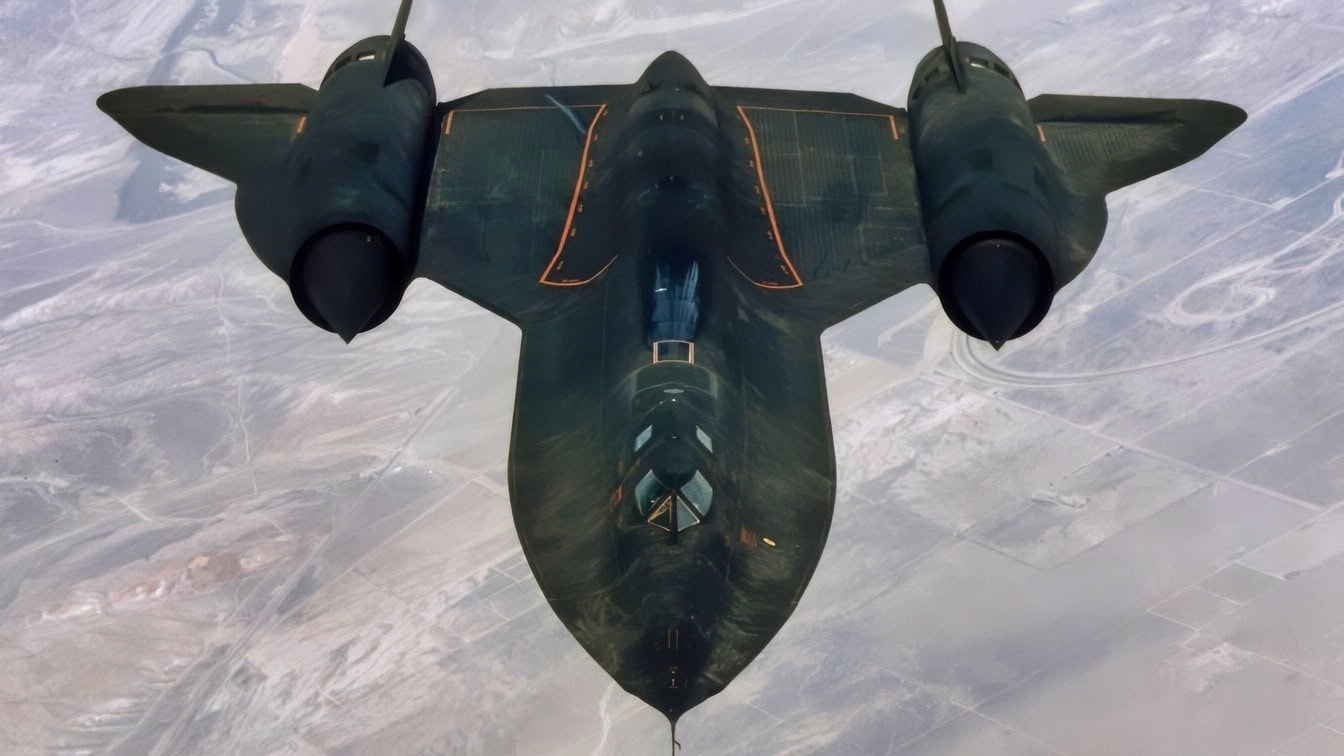
SR-71 Blackbird US Government Photo
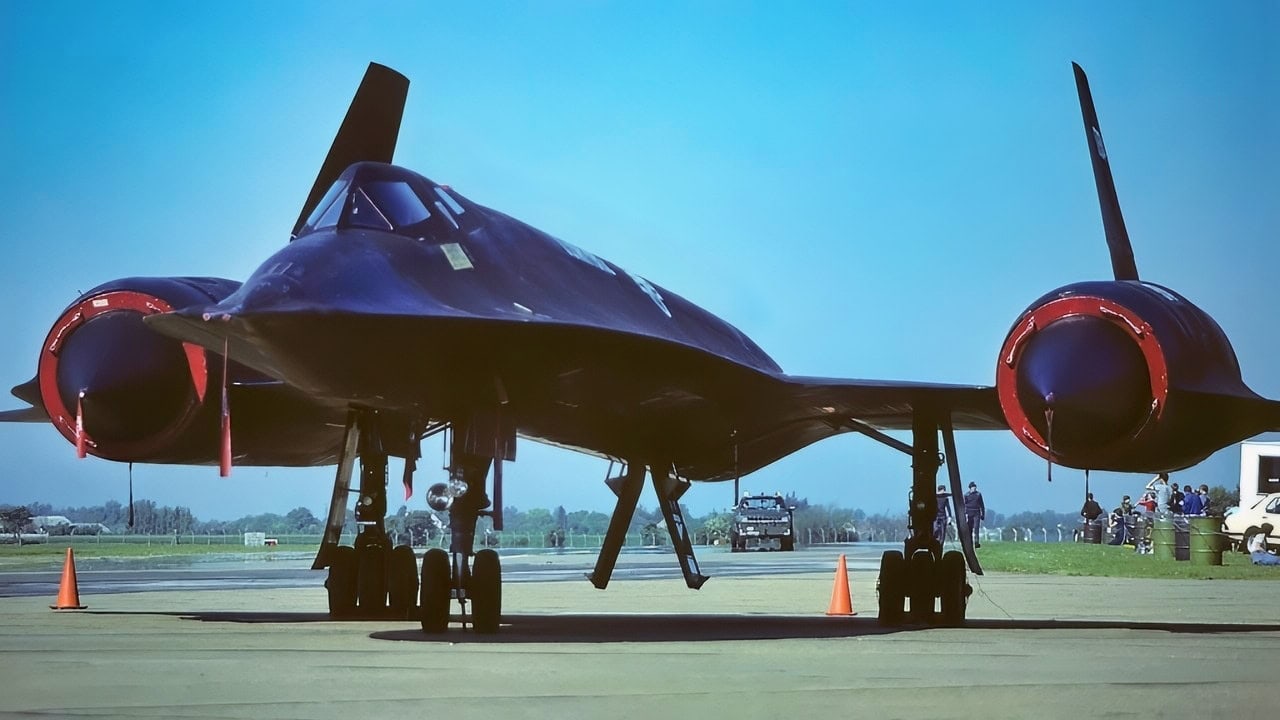
SR-71 Blackbird Creative Commons Photo on Tarmac
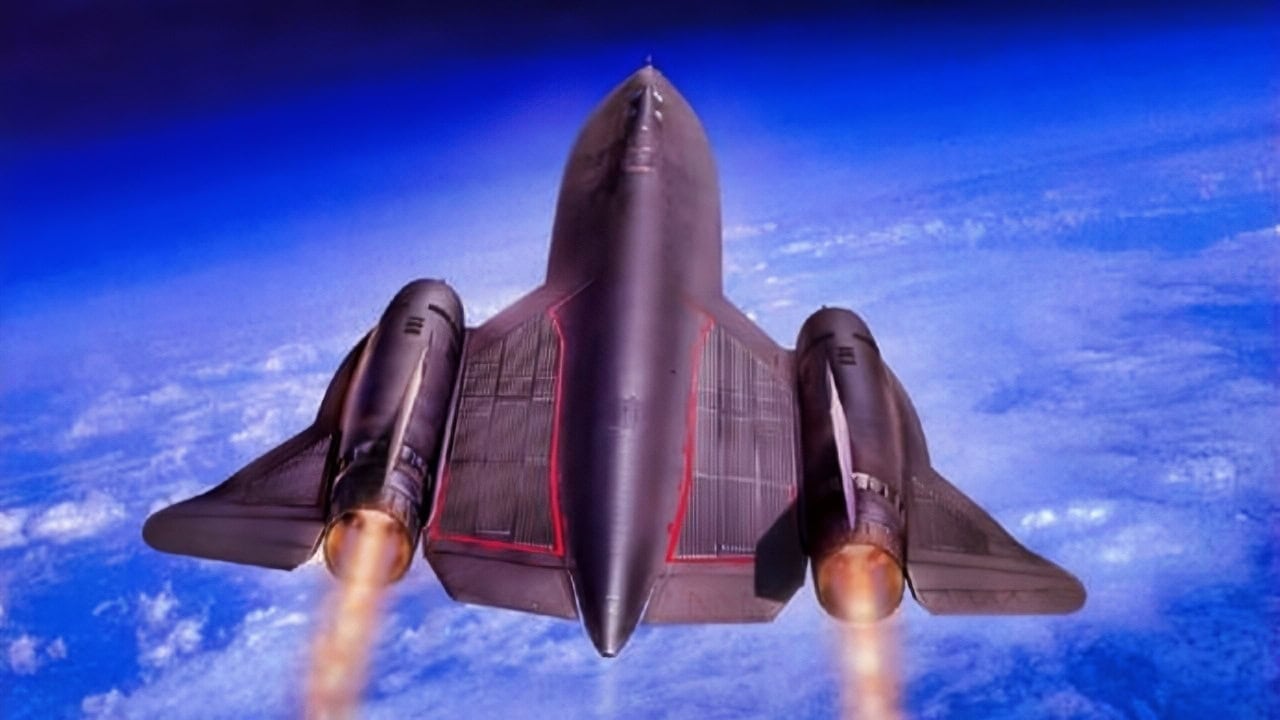
SR-71 Blackbird over the Earth Creative Commons Photo
John Hansman, a professor of aeronautics at MIT, told the Daily Caller News Foundation that the silhouette “does look like an SR-71 profile” but cautioned that the image says little about the aircraft’s propulsion, speed, or intended mission.
NASA Wants More X-Planes
Whatever the mystery aircraft turns out to be, the presentation fits an approach Isaacman has pushed since taking over NASA.
NASA logo at the Kennedy Space Center. Image by Harry J. Kazianis for 19FortyFive.
On his second day in the job last December, he told employees: “I’d love to see an expanded X-plane portfolio.”
During the same town hall, Isaacman said he wanted NASA “pushing the boundaries in radical airframe designs and propulsion” rather than focusing solely on incremental advances.
That intention is now showing up in NASA policy. In May, Isaacman asked the workforce to “Build more X-planes, launch more missions of science and discovery.”
NASA’s Aeronautics Flight Accelerator also sought ideas from industry, academia, and government on “cost-shared maturation leading to flight within the next three years.” Its areas of interest specifically include subsonic, supersonic, and hypersonic technologies.
The proposed FY2027 NASA budget is equally specific, calling for high-speed technologies that could “revolutionize air transportation, strengthen national security capabilities, and position America to lead the future of high-speed flight.”
NASA already has one conspicuous X-plane in the air.
The Lockheed Martin-built X-59 is designed to investigate whether an aircraft can create a comparatively quiet sonic “thump” rather than a disruptive sonic boom.
The aircraft went supersonic for the first time on June 5. NASA test pilot Jim “Clue” Less recalled: “You know you are supersonic when gauges say you are supersonic. I didn’t feel anything.”
“The plane wants to go faster,” he added.
It has since done so. On June 12, the X-59 reached Mach 1.4 at 55,000 feet, the conditions planned for future community-overflight tests.
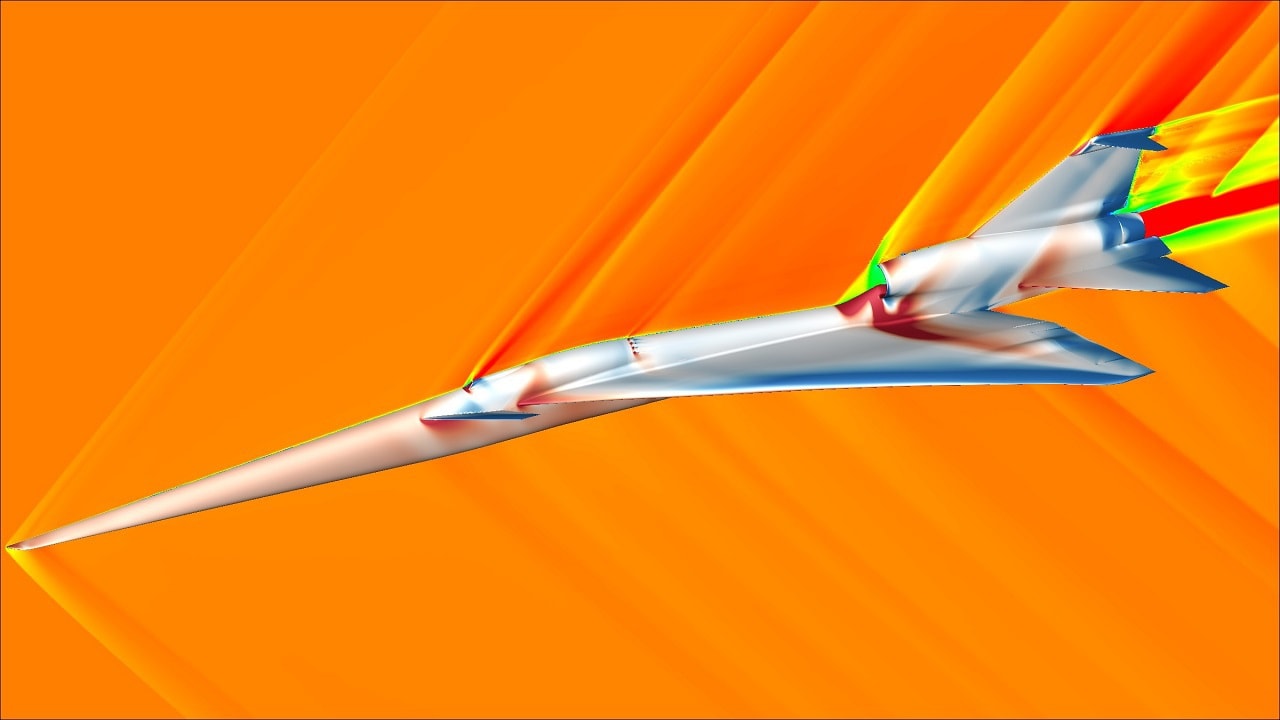
X-59 artist rendering. Image Credit: Creative Commons.
The Blackbird Connection
NASA also has a legitimate aviation history with aircraft similar to the type Isaacman’s mystery design seems to resemble.
The agency flew its share of SR-71s in the 1990s for research, using the aircraft to gather data on aerodynamics, propulsion, structures, thermal protection systems, high-temperature instrumentation, and sonic booms. NASA made the last-ever Blackbird flight on October 9, 1999, when SR-71A 61-7980 topped Mach 3.21 and 80,100 feet.
The SR-71 previously set an absolute speed record of over 2,193 mph, or approximately Mach 3.3, in 1976.
Lockheed Martin has even publicly speculated about a hypersonic successor called the SR-72, intended to be a Mach 6 aircraft.
In announcing the concept in 2013, Lockheed hypersonics program manager Brad Leland argued: “Speed is the next aviation advancement to counter emerging threats in the next several decades.”
The public status of the SR-72 today is unclear, and there is no known relation between that concept and Isaacman’s mystery aircraft, however.
For now, Isaacman’s description remains as specific as NASA feels it needs to be. He told the summit: “I want to get back to the radical airframe and engine designs like we were always supposed to do.”
About the Author: Georgia Gilholy
Georgia Gilholy is a journalist based in the United Kingdom who has been published in Newsweek, The Times of Israel, and the Spectator. Gilholy writes about international politics, culture, and education.