

The SR-71 Blackbird Was Built to Spy On the Soviet Union. It Also Used Titanium From the USSR – The Lockheed SR-71 Blackbird remains one of the world’s aeronautical wonders. Developed in the 1960s, the plane was well ahead of its time. It could exceed 80,000 feet while cruising at speeds faster than Mach 3. There was nothing in the Soviet arsenal that could really threaten this plane or impede its primary mission of conducting covert, detailed surveillance on the USSR during the Cold War.
One of the Blackbird’s most interesting features was the materials Lockheed used to build it.
The plane needed titanium for its durability and relatively light weight compared to materials used in conventional aircraft design. But the United States didn’t have access to the quantities it needed.
So the Americans got the titanium they needed from the one place with abundant stockpiles: the Soviet Union. The Soviet Union.
That’s right: the Blackbird, designed to spy on America’s principal Cold War adversary, the Soviet Union, was made from materials the USSR supplied.
The SR-71 from Lockheed was Military History Like No Other
The SR-71 Blackbird wasn’t the first high-altitude reconnaissance plane the Americans built to monitor the Soviet Union during the Cold War. The U-2 spy plane also existed. But the U-2 was becoming increasingly vulnerable to advancing Soviet air defenses.
Plus, the U-2 was a cumbersome bird to fly. So the US military and intelligence community wanted a reconnaissance plane that could perform the same mission as the U-2 but outrun the USSR’s advancing air defenses.
To build such a fast plane, though, Lockheed needed to make special adjustments to accommodate its extreme physics.
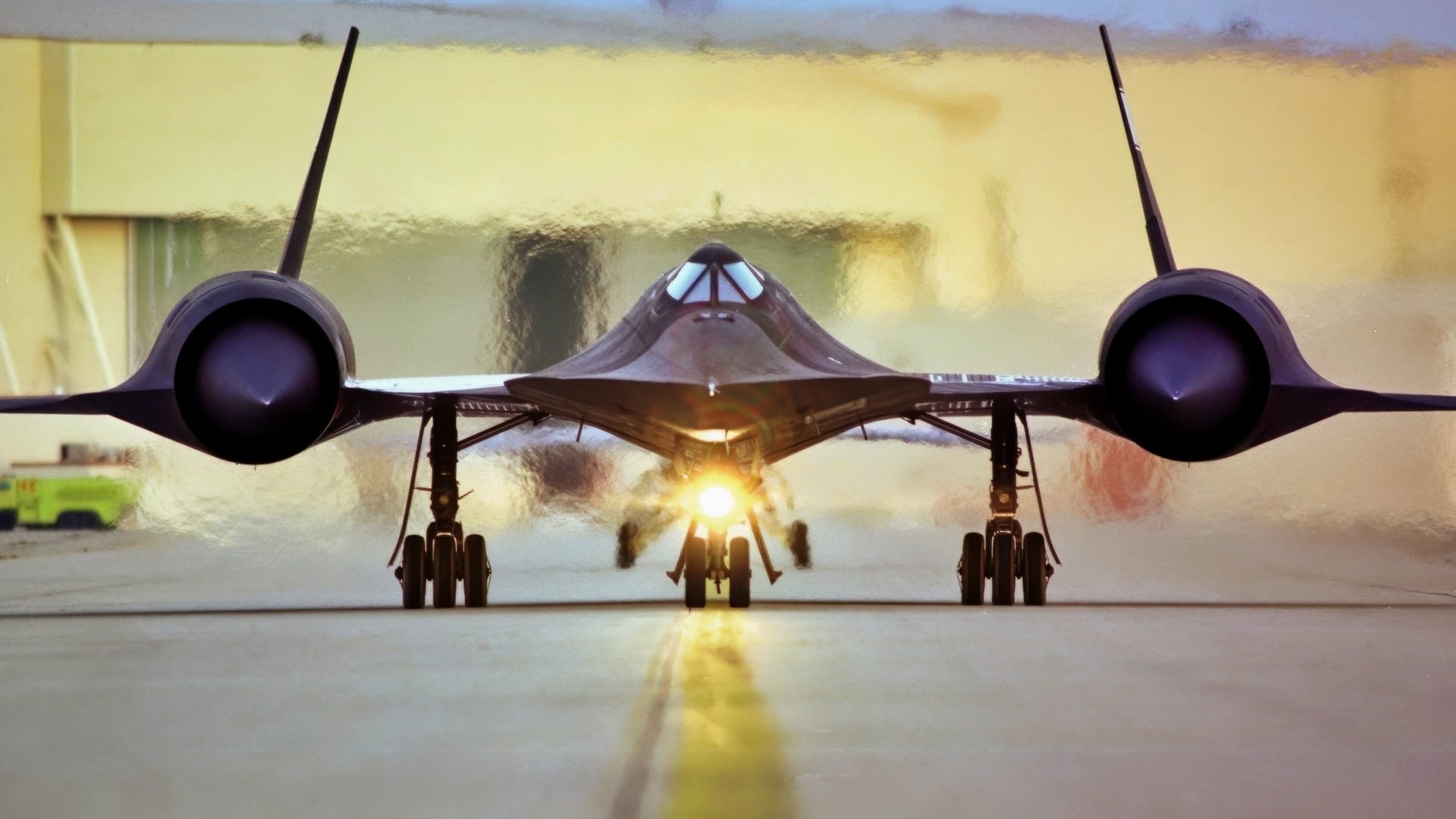
SR-71 Blackbird Creative Commons Image
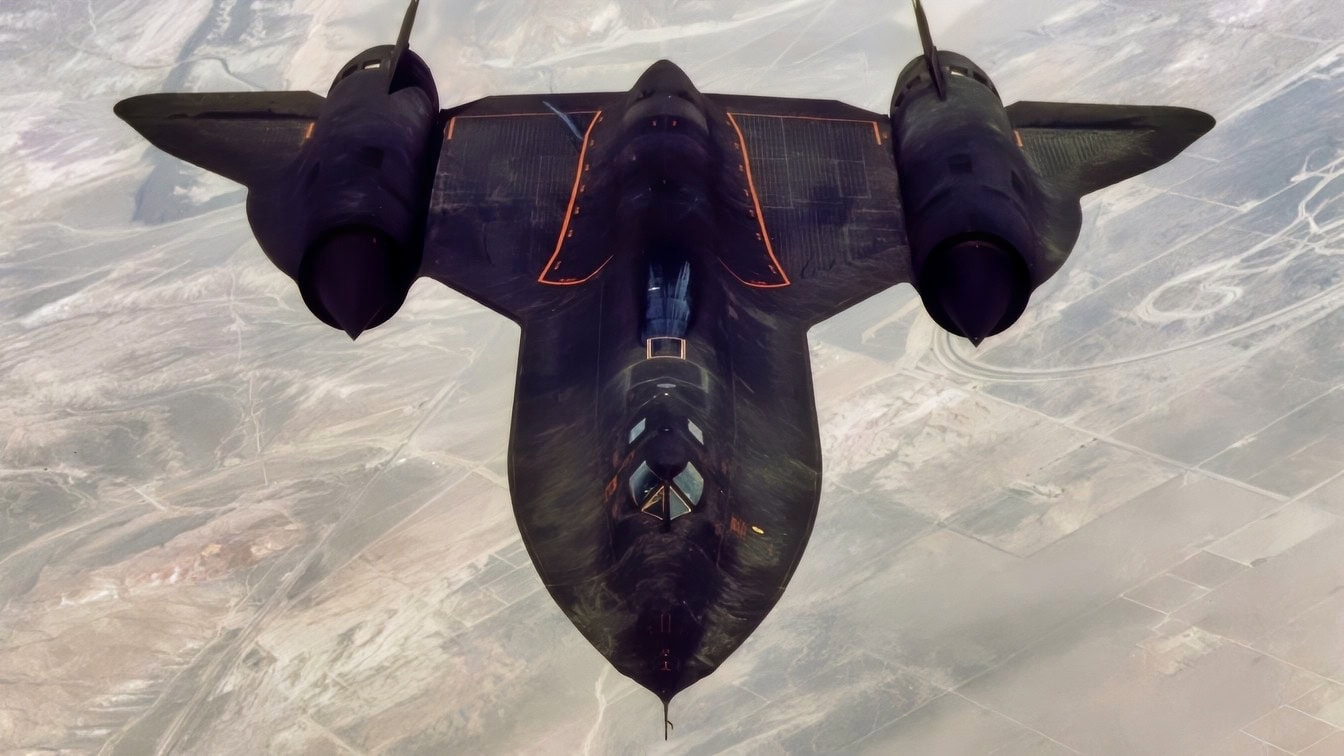
SR-71 Blackbird USAF Photo
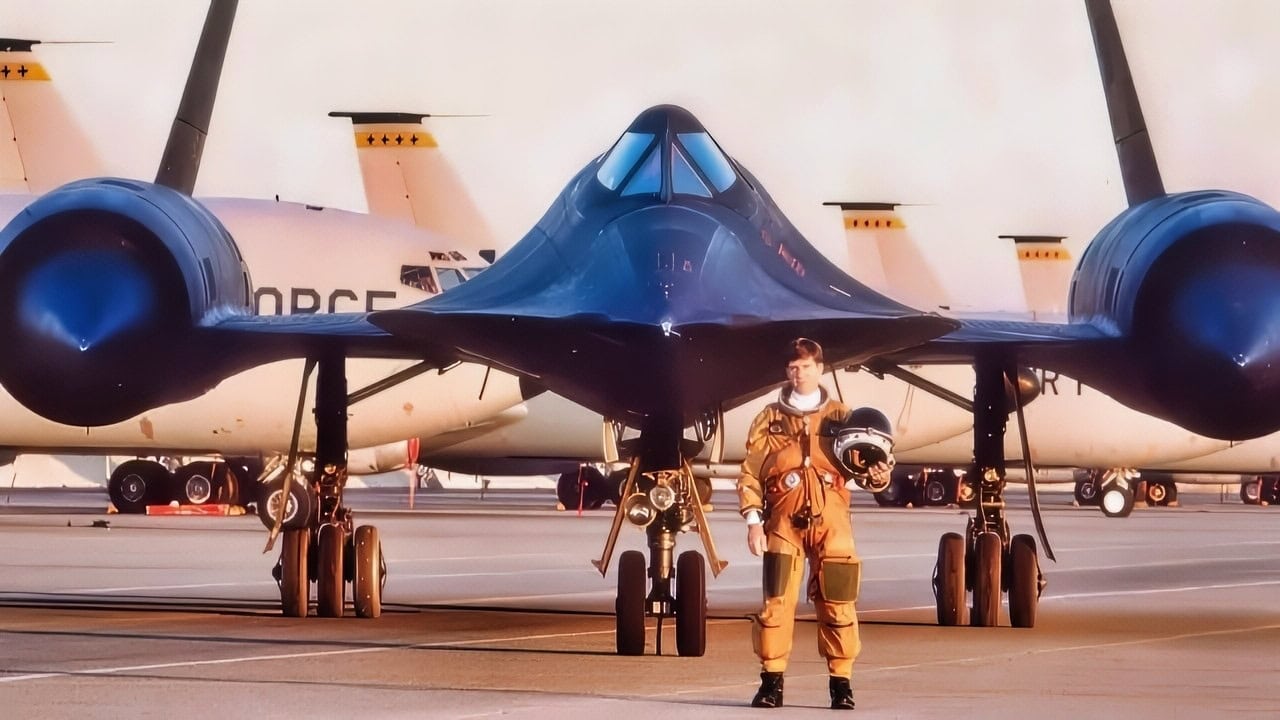
SR-71 Blackbird Creative Commons Photo.
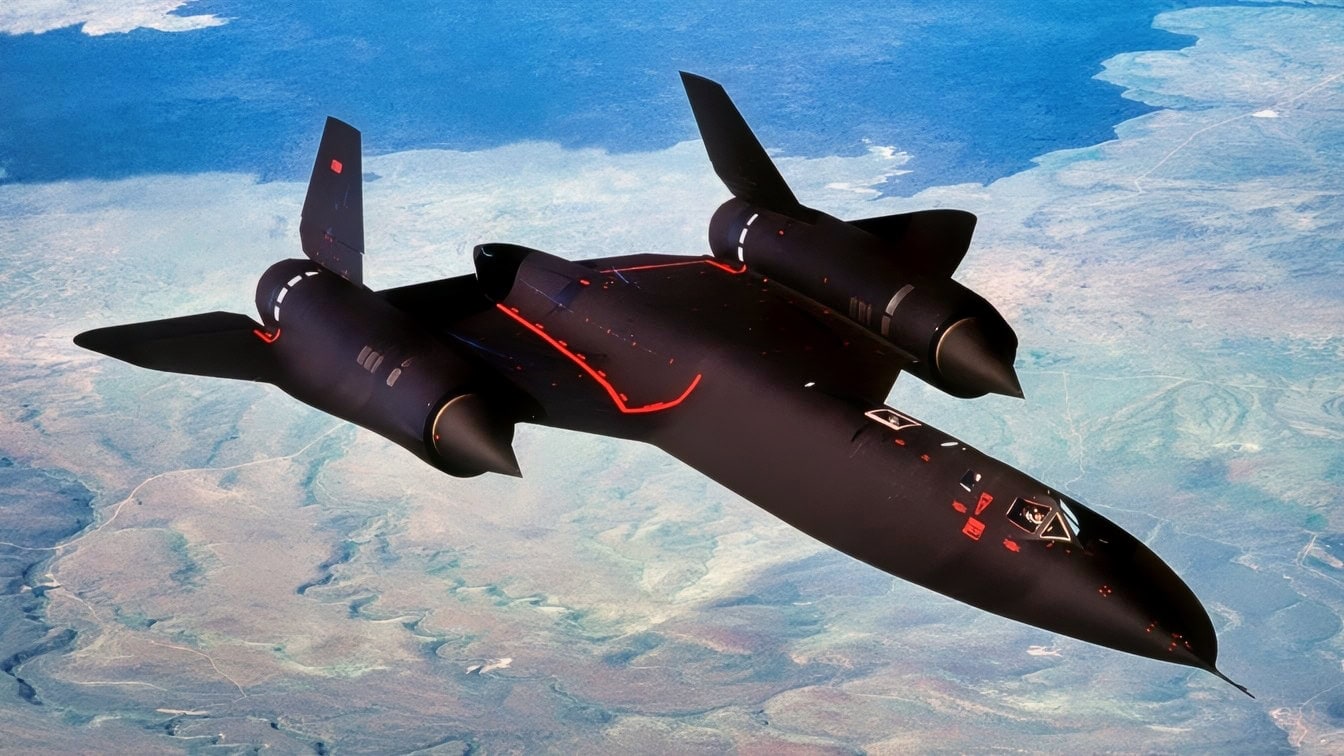
SR-71 Blackbird Creative Commons Photo
The materials used to build the Blackbird needed to survive the extreme temperatures generated during supersonic flight. At speeds exceeding Mach 3, aerodynamic heating could raise temperatures on parts of the plane’s exterior to several hundred degrees Fahrenheit. Conventional aluminum alloys would literally melt under those stresses and temperatures.
That’s why titanium was the only way forward. Titanium combines high strength with relatively low weight. The alloy is also corrosion-resistant and performs better at elevated temperatures than the standard aluminum alloys used to build conventional aircraft.
Lockheed built more than 80 percent of the Blackbird’s structural weight from titanium.
American procurement efforts of this essential alloy from the Soviet Union — America’s enemy — were a herculean task undertaken covertly by American defense contractors and the US intelligence community.
They employed third-party cutouts to conduct the commercial transactions in the Soviet Union. Intermediaries representing the Americans told the suspicious Soviet government they needed the alloy to build restaurant-grade pizza ovens. By giving the Soviets this benign civilian explanation for such an odd purchase, the Americans apparently allayed Soviet suspicions.
Redistributing Titanium From the Reds
Acquiring the titanium from the USSR was only the start of the problems that Lockheed engineers faced. Titanium is notoriously difficult to machine or weld. It’s hard to manufacture even with conventional aerospace production methods.
Lockheed engineers developed specialized manufacturing procedures and worked to prevent contamination that could compromise titanium components.
Titanium expands under intense aerodynamic heating. The Blackbird experienced intense aerodynamic heating when it accelerated beyond Mach 3. During high-speed flight, the Blackbird expanded by several inches. Lockheed engineers designed the SR-71 to expand during high-speed flight to accommodate titanium’s thermal expansion under intense aerodynamic heating.
That’s why the SR-71 was known for leaking JP-7 while parked on the ground, but it never had that issue in flight (because mid-flight thermal expansion tightened structural joints that were loose when the plane was parked).
An Incredible Plane
The Blackbird had a long, storied career on the Cold War front lines.
The Soviets had no idea the titanium used in the Blackbird came from the Soviet Union. The Air Force ultimately retired the Blackbird in 1990, though some units returned throughout the 1990s. Its official operational career ended in 1998, with NASA conducting the final SR-71 flight in October 1999.
But Blackbird’s titanium is one of the most interesting stories out of the Cold War era.
The Blackbird itself dogged Soviet air defenders for decades. Many Soviet pilots tried desperately to intercept these high-flying American surveillance planes.
Had Moscow known the origins of the SR-71’s essential alloy, they might have lost their minds even more over the Blackbird. It is hard to believe US intelligence could operate so effectively, but it did, and the evidence is in the SR-71 Blackbird.
About the Author: Brandon J. Weichert
Brandon J. Weichert is the Senior National Security Editor at 19FortyFive.com. He also manages The Weichert Brief on Substack. Weichert is the co-host for The Mario Nawfal Show on Twitter/X. He is the author of four bestselling national security books, most recently A Disaster of Our Own Making: How the West Lost Ukraine (Encounter Books). His next book, Fortress Americas: A New Monroe Doctrine (Tucker Carlson Books), is due out December 8. Follow him via Twitter/X @WeTheBrandon.