

Summary and Key Points: Expert Kris Osborn compares the canceled Constellation-class frigate with the Navy’s fast-emerging FF(X). Constellation promised 85 percent commonality with the Italian FREMM, Baseline 10 Aegis, the Enterprise Air Surveillance Radar, and a 32-cell Mk 41 VLS for Tomahawks and interceptors as a carrier strike group escort, but it gained 500 tons and collapsed under redesigns and cost. FF(X), announced in late 2025, adopts the Coast Guard’s Legend-class National Security Cutter hull with LCS-style containerized mission modules.
Constellation-Class: What a Mess
Cost overruns, production complications, changing requirements, and substantial design flaws are among the reasons the once-promising Constellation-class Frigate came to an abrupt end. This development opened the door to the now-emerging, vastly different FF(X) endeavor.
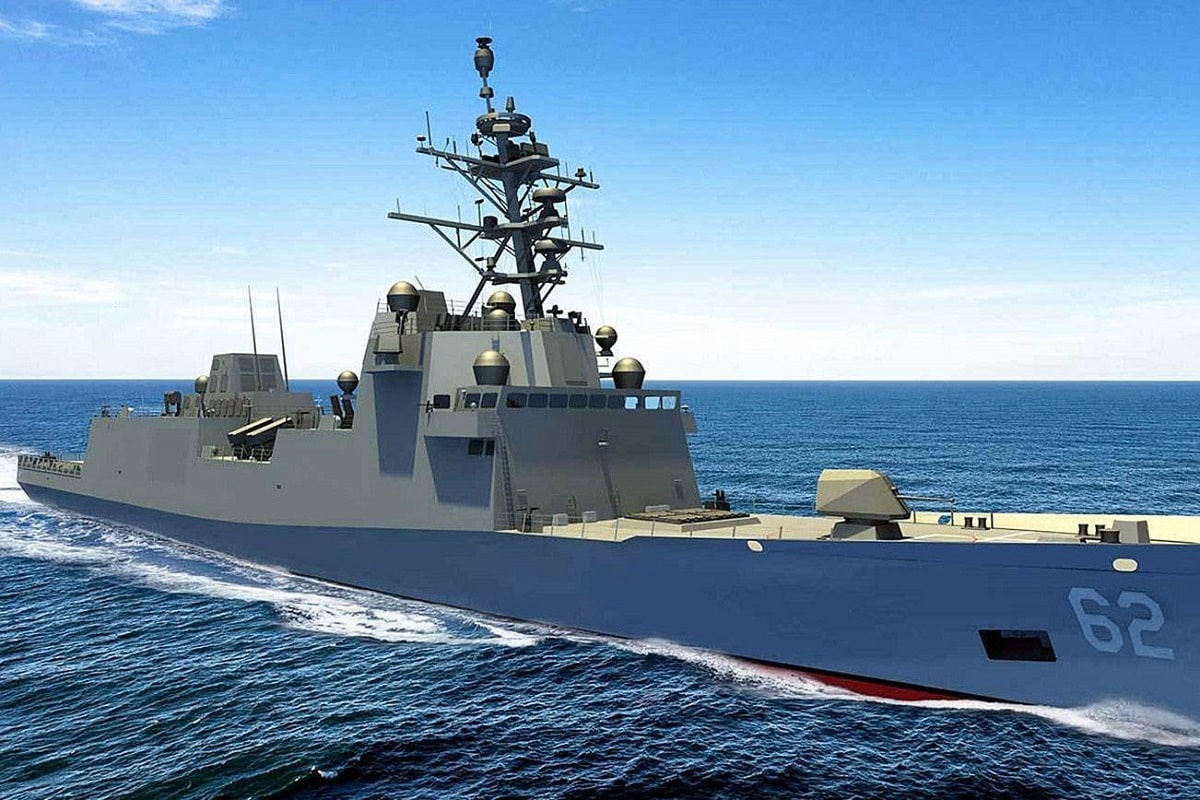
Imager: Fincantieri handout.
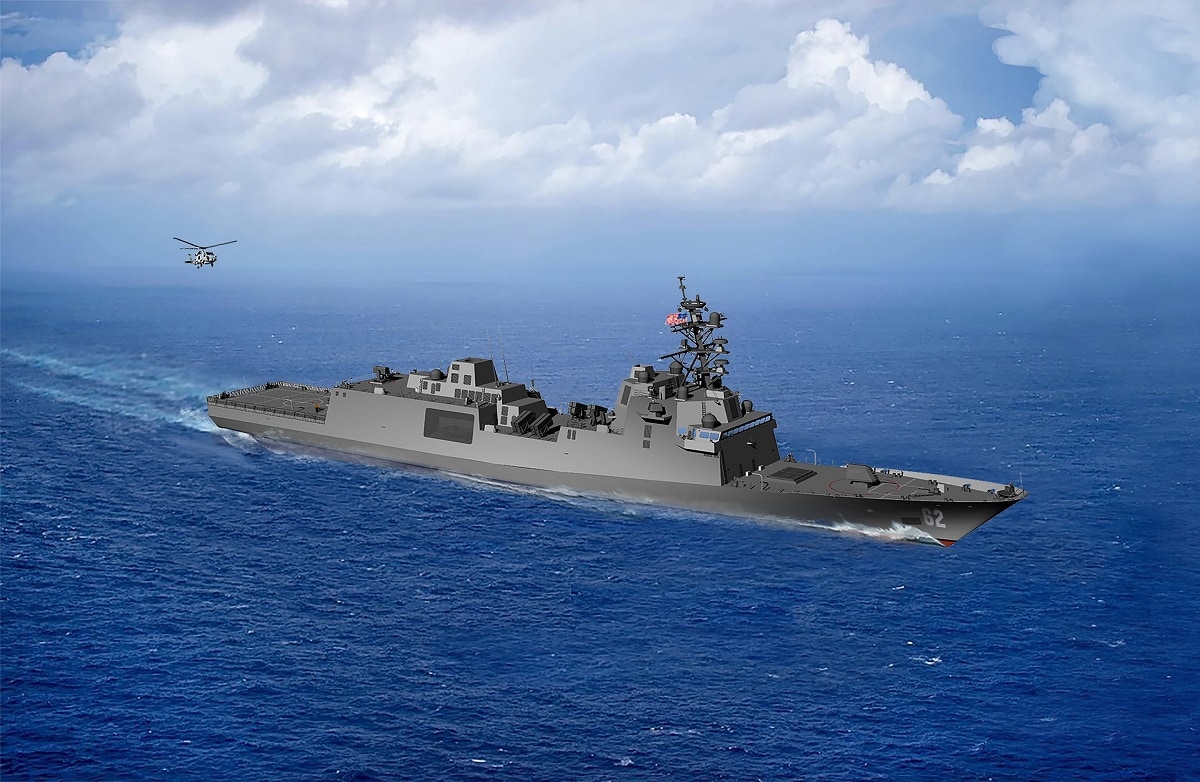
An artist rendering of the U.S. Navy guided-missile frigate FFG(X). The new small surface combatant will have multi-mission capability to conduct air warfare, anti-submarine warfare, surface warfare, electronic warfare, and information operations. The design is based on the FREMM multipurpose frigate. A contract for ten ships was awarded to Marinette Marine Corporation, Wisconsin (USA), on 30 April 2020.
Initially intended as a producible, lower-cost, yet high-capability ship with many off-the-shelf, readily obtainable parts and technologies, the Constellation class wound up massively deviating from its initial conceptual vision and devolved into a developmental and financial crisis.
The Constellation class was envisioned as a full-spectrum surface combatant with advanced sensors, weapons, and integration into high-end fleet operations.
Its proposed architecture included the Baseline 10 Aegis Combat System, the Enterprise Air Surveillance Radar (EASR), and a 32-cell Mk 41 Vertical Launch System (VLS) capable of fielding surface-to-air and other mission payloads.
The rationale for the Constellation-class was to efficiently build a producible ship with 85 percent commonality with the proven Italian FREMM Frigate, a strategy intended to streamline the acquisition of parts, components, and technologies, manage costs, and generate long-term logistical compatibility.
Despite the ambitious claim, the Constellation class collided with itself and grew much heavier, adding 500 tons to the original design.
Constellation Class vs FF(X) Frigate
The canceled Constellation-class and the Navy’s fast-arriving FF(X) may both be referred to as “Frigates” in U.S. Navy terminology.
Yet, they are worlds apart in concepts of operation, mission intent, weaponry, and maritime warfare orientation.
The service’s Constellation-class, which encountered insurmountable design and cost problems, was intended to support cruisers and destroyers in a Carrier Strike Group as heavier warships equipped with Vertical Launch Systems for Tomahawk missiles and interceptor missiles, and with the Aegis Combat System radar.
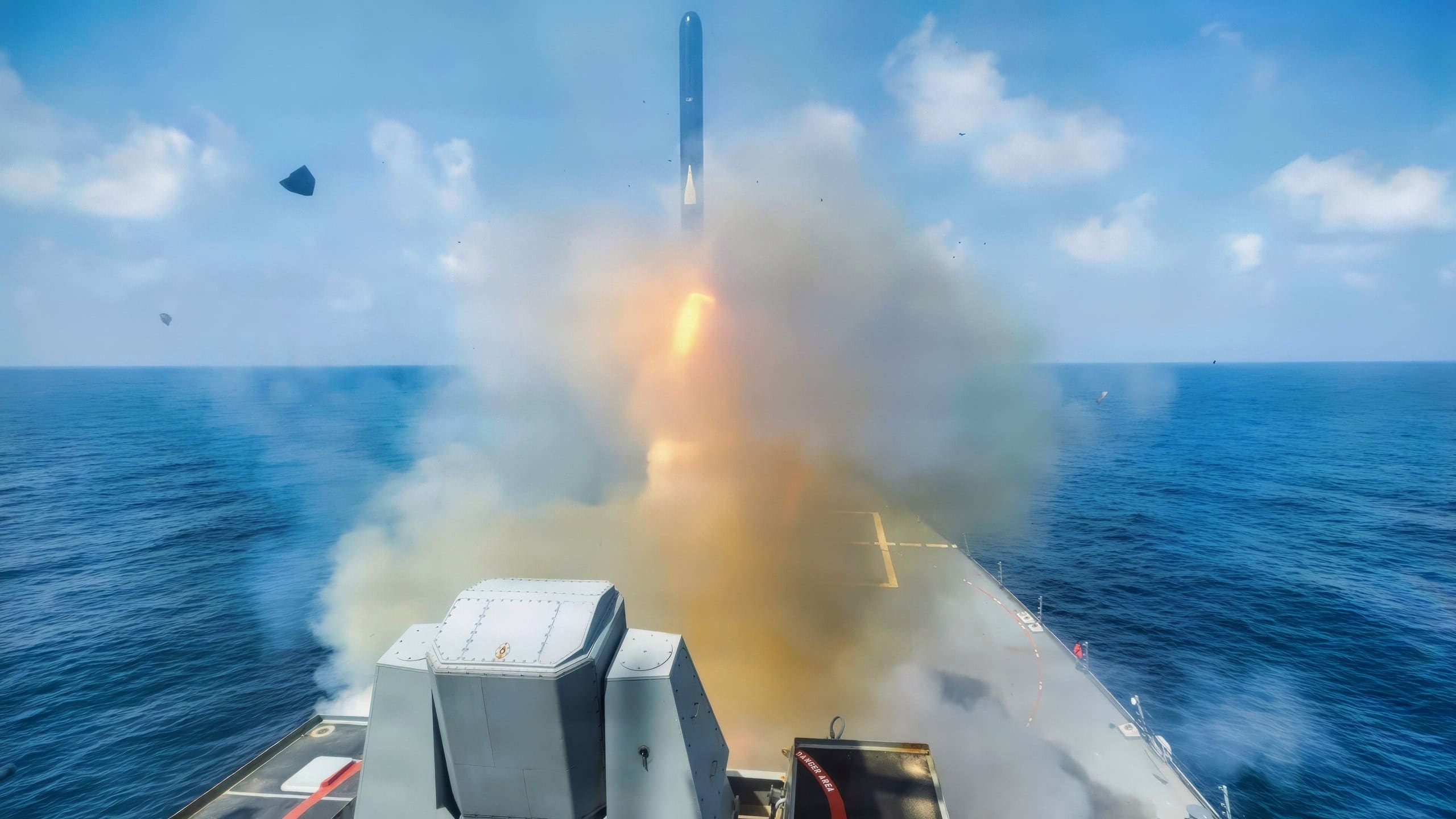
Arleigh Burke-class guided-missile destroyer USS Spruance (DDG 111) fires a Tomahawk Land Attack Missile (TLAM) in support of Operation Epic Fury, Feb. 28, 2026. (U.S. Navy photo)
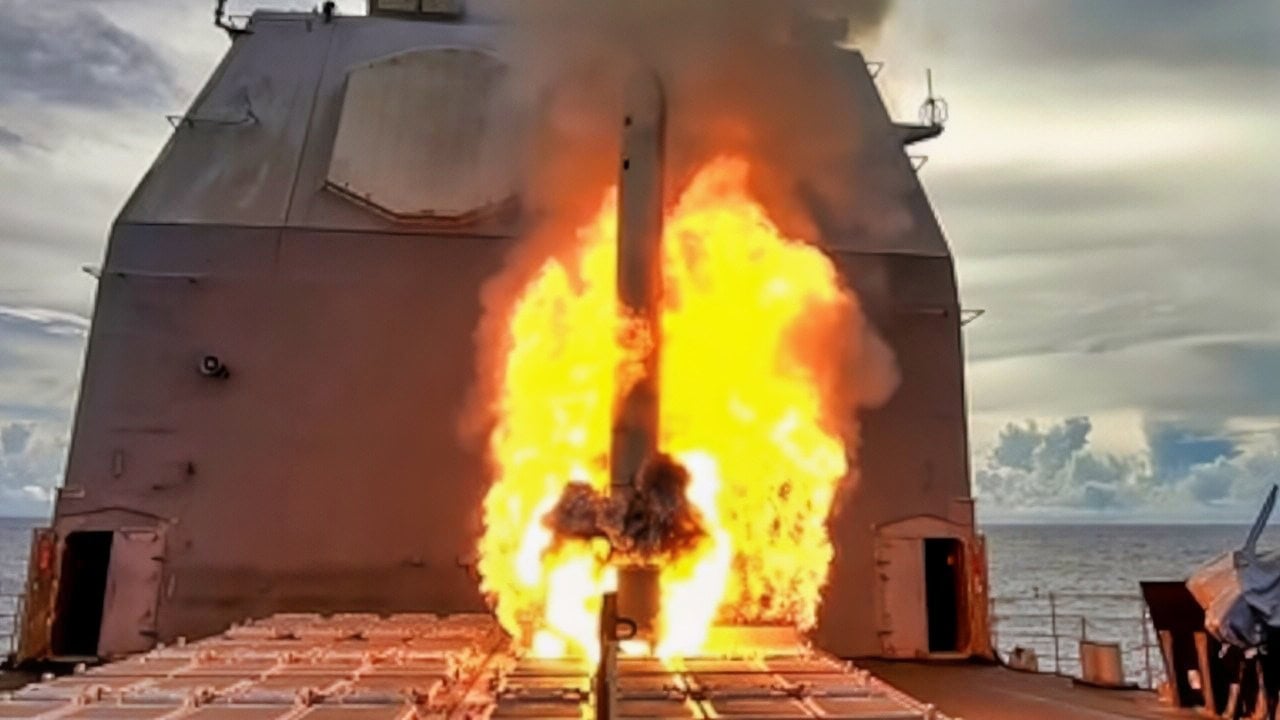
Tomahawk Missile Firing U.S. Navy Photo
FF(X) Strategy
In contrast, the FF(X) frigate is being designed for speed, affordability, and production stability.
Announced in late 2025 and early 2026, the FF(X) program was initiated in direct response to the delays and rising costs of the Constellation effort.
Rather than attempt to build an 8,000-ton multimission warship through extensive redesigns, the Navy adopted a proven U.S. hull form—the Coast Guard’s Legend-class National Security Cutter (NSC)—as the basis for the new frigate.
By relying on a stable, domestically built design already in service, the Navy seeks to reduce cost and technological risk and field new ships faster to fill capability gaps in escort, patrol, and maritime security missions.
Because the Constellation-class design emphasized high-end combat capability, it had a broader mission set.
It was to serve alongside Arleigh Burke-class destroyers in carrier strike group escort and expeditionary roles while contributing substantively to fleet air defense and anti-submarine warfare.
Its sophisticated sensors and VLS made it a force multiplier in contested environments where advanced threat systems could challenge U.S. naval power projection.
Lighter, Faster & More Versatile
Conversely, the FF(X) is optimized for persistent presence, maritime security, and lower-risk escort duties, freeing up higher-end assets for contested operations.
Its design includes containerized payload spaces that allow for modular mission packages, such as counter-unmanned systems, additional weapons cells, and sensors, without major hull redesigns.
In many respects, the vision for FF(X) resembles the embattled Littoral Combat Ship program, as it is intended to be a lighter, faster, shallower-draft, lower-risk platform, operating in areas less likely to involve massive, open, blue-water maritime warfare.
This emphasis on adaptability over raw firepower reflects a deliberate philosophical shift: instead of a single highly capable but expensive multi-mission ship, the Navy now seeks numbers and flexibility.
The FF(X) is intended to operate as part of a broader distributed force, alongside unmanned assets and adjustable mission modules tailored to tasking.
The mention of “mission modules” closely resembles the “mission packages” philosophy advanced for the LCS, so it will be interesting to see how the FF(X) compares to the LCS.
About the Author: Kris Osborn
Kris Osborn is the President of Warrior Maven – Center for Military Modernization. Osborn previously served at the Pentagon as a highly qualified expert in the Office of the Assistant Secretary of the Army—Acquisition, Logistics & Technology. Osborn has also worked as an anchor and on-air military specialist at national TV networks. He has appeared as a guest military expert on Fox News and other outlets.