
The Saudi-backed Yemen offensive recaptures Taiz and tests Riyadh's ability to break the Red Sea blockade in 2026.
 Ahmed Al-Rashid
Saudi-backed Yemen Offensive Recaptures Taiz and Tests Riyadh's Ability to Break the Red Sea Blockade in 2026
On October 4, 2026, the internationally recognized Yemeni government announced the start of a large-scale operation to reclaim areas controlled by the Houthis, with reports suggesting the mobilization of over 100,000 fighters. The following day, the Saudi-led coalition denied what it described as a misleading Houthi claim about targeting Riyadh. These are not isolated details; they are the first operational indication that Riyadh wants to shift the Red Sea crisis from a containment issue to one of regaining the initiative.
Taiz is the Real Test
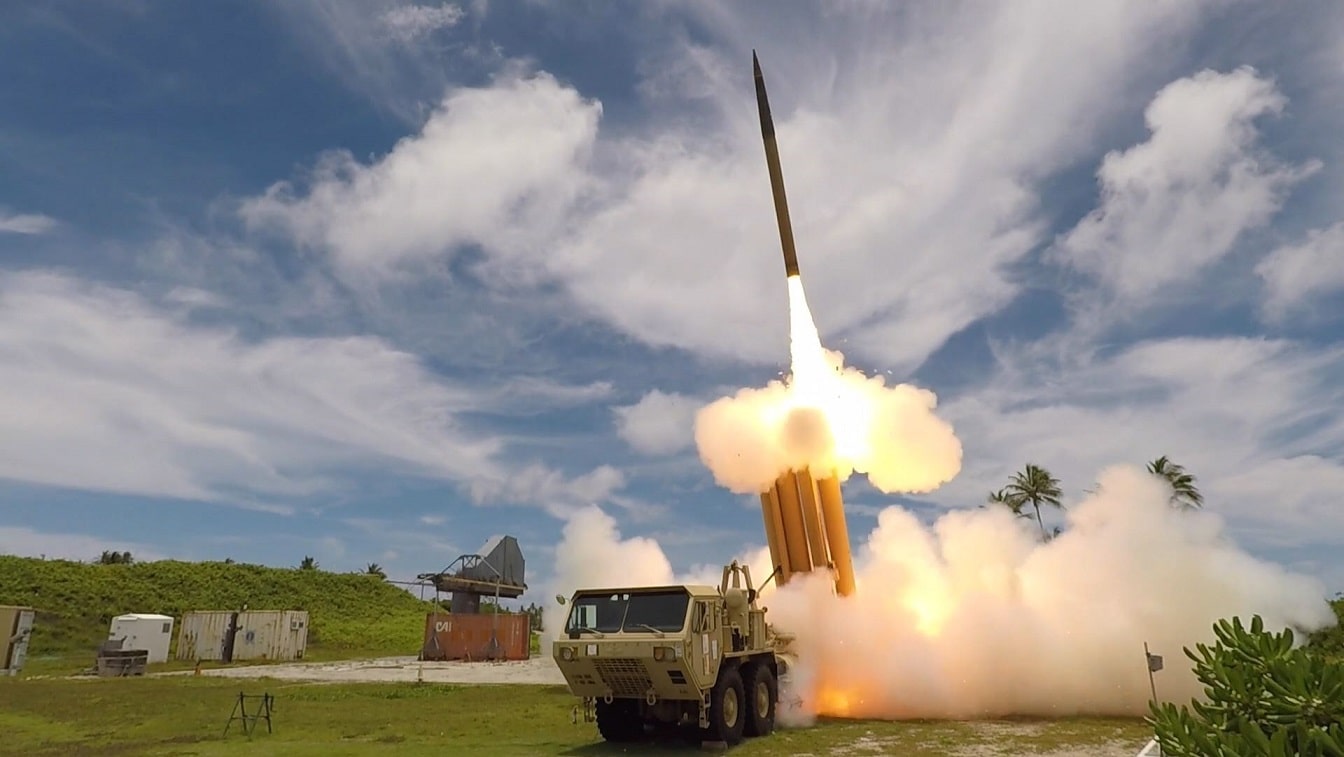
The declared axis is linked to Taiz and the routes leading to it, an area that holds not only symbolic value. Taiz is situated between the western highlands and corridors that connect the coast to the interior, and whoever pressures it can threaten Houthi supply lines and force the group to distribute its forces away from the coastal fronts. However, reclaiming a city or province in Yemen cannot be achieved through data alone. The mountainous terrain, network of tunnels, drones, and mines make ground advances slow and costly, even when the attacking side has air superiority and greater resources.
Reports from Reuters and Defense News indicate that the operation relies on Saudi-backed government forces, while other reports have stated that the Houthis have cut off a vital route to a besieged city. Therefore, the military question is not how many soldiers can be gathered, but whether the Yemeni leadership can coordinate these battalions under a single operations room, secure ammunition, maintenance, and medical evacuation, and prevent each faction from turning into an independent army. Those who have served in the region know that a large number on paper does not equate to a cohesive fighting force.
Saudi Arabia Wants to Break the Red Sea Blockade
The ground movement is directly linked to maritime security. The Houthis have proven that threatening ships does not require a conventional fleet; a ballistic missile, long-range drone, or unmanned boat can raise insurance costs and force companies to change their routes. This is why Reuters described the Saudi plan as an attempt to break the Red Sea blockade, not just an internal Yemeni operation.
Practically, Riyadh wants three outcomes simultaneously. First, to push the Houthis away from the ports and corridors that allow them to monitor navigation. Second, to demonstrate that previous ceasefire agreements did not grant the group permanent immunity. Third, to protect the alternative energy route along the western coast, especially since disruption in the Red Sea undermines the value of Saudi infrastructure originally designed to reduce dependence on the Strait of Hormuz.
However, these goals are partially contradictory. A wide-ranging attack may relieve pressure on navigation if successful, but it could push the Houthis to expand maritime and missile targeting. If the fighting drags on, the operation will become a security and economic burden on Saudi Arabia rather than a solution to the Red Sea problem.
The Absence of the United States Changes the Calculations
Axios reported that Washington does not intend to join the Saudi offensive at this time, while U.S. coverage has focused on Riyadh's readiness to work with its Yemeni partners. This position is more significant than the number of aircraft that may appear in Yemeni skies. Saudi Arabia has the money, platforms, and reconnaissance, but it still relies on U.S. support for air defense, early warning, information sharing, and extended operations management.
Here, the often-overlooked triad of capability emerges in the Gulf: equipment, training, and institution. Saudi Arabia can purchase weapons and provide ammunition, and it has accumulated significant experience since years of war, but the success of a Yemeni ground campaign requires a disciplined Yemeni command institution, not a temporary coalition of units. If Washington remains outside the battle, Riyadh will have to prove that defense spending has transformed into independent operational capability, not just a shopping list waiting for U.S. support at the first crisis.
The Houthis Do Not Need to Achieve Field Victory
It would be a mistake to measure the success of the Houthis solely by their ability to retain all territory. Sometimes, it is enough for them to slow the attack, keep cities threatened, and launch intermittent strikes on navigation or deep into Saudi territory to impose a political cost. The coalition's denial of the claim of targeting Riyadh illustrates that the media war is part of the battle; every alleged missile and every counter-statement aims to shape the deterrent image for shipping companies and local residents.
Therefore, the group will likely use a mix of flexible defense, ambushes, drones, and attacks on supply routes, rather than a static defense of every position. They may benefit from any division between the Yemeni government and southern or local factions. Liberating land from the Houthis without building a unified security authority will create a vacuum, and a vacuum in Yemen does not remain empty for long.
Conclusion
The new offensive is more of a Saudi test than a Houthi one. If government forces reclaim geographical nodes in Taiz and continue to apply pressure without internal collapse, Riyadh may be able to improve maritime security and negotiation terms. However, if the operation turns into a new war of attrition, it will be confirmed that purchasing advanced systems does not address the issues of leadership, discipline, and sustainability.
Military wisdom states that controlling the road is more important than controlling the map. Saudi Arabia is now trying to control the road to the Red Sea, but it is doing so through a fragmented Yemeni partner and under a U.S. umbrella that is less willing to intervene. The structural contradiction is clear: Riyadh wants security independence, while the war it has chosen requires a military institution that still relies on external support.
Sources
- Defense News coverage of the Yemeni government's offensive and plans to break the Red Sea blockade
- Reuters reports on the Yemeni offensive and the Saudi plan against the Houthis
- Al Jazeera reports on the fighting in Taiz and the denial of the claim of targeting Riyadh
- Axios on the lack of U.S. participation in the Saudi offensive at this time
On October 4, 2026, the Yemeni government launched a large-scale operation to regain control of Taiz from Houthi forces, potentially mobilizing over 100,000 fighters. This operation aims to break the Houthi blockade in the Red Sea and secure maritime navigation. Saudi Arabia supports the Yemeni forces, while the U.S. has opted not to participate in the operation at this time.
- The Yemeni government announced a large-scale operation to regain control of Taiz.
- Over 100,000 fighters may be mobilized for the operation.
- Saudi Arabia aims to break the Houthi blockade in the Red Sea.
- The operation is crucial for securing maritime navigation and energy routes.
- The U.S. is currently not participating in the Saudi-led operation.