

Key Points and Summary – Headlines love the idea of an SR-72 “Darkstar” Mach 6 bomber, but the concept fights the platform’s likely design reality.
-The SR-72’s lineage points to speed-first reconnaissance: compress timelines, collect data, and cue shooters—not haul a meaningful weapons load.
-Hypersonic flight imposes brutal trade-offs in fuel, thermal protection, internal volume, and cost, which all cut against payload, persistence, and flexibility—the traits that make bombers strategically useful.
-If the Darkstar exists, it likely fits as a niche, high-value ISR and time-sensitive targeting asset that enables bombers, submarines, and missiles to strike smarter, not as a strike platform itself.
Why the SR-72 Bomber Idea Collides With Physics
Periodic headlines suggest that the SR-72 “Darkstar” could be outfitted as a bomber. The idea of a hypersonic bomber is attractive on paper.
But the real question is whether a hypersonic reconnaissance aircraft makes sense as a strike platform.
The answer, according to physics and strategy, is probably not.
Cold War Lineage
The SR-72 concept is descended from the SR-71 Blackbird, a strategic reconnaissance platform—not a strike platform.
The SR-71 was groundbreaking; it survived via speed and altitude, flying too high and too fast for surface-to-air missiles to intercept.
But the SR-71 never carried weapons and was retired in 1998 after satellites and UAVs took over ISR roles.
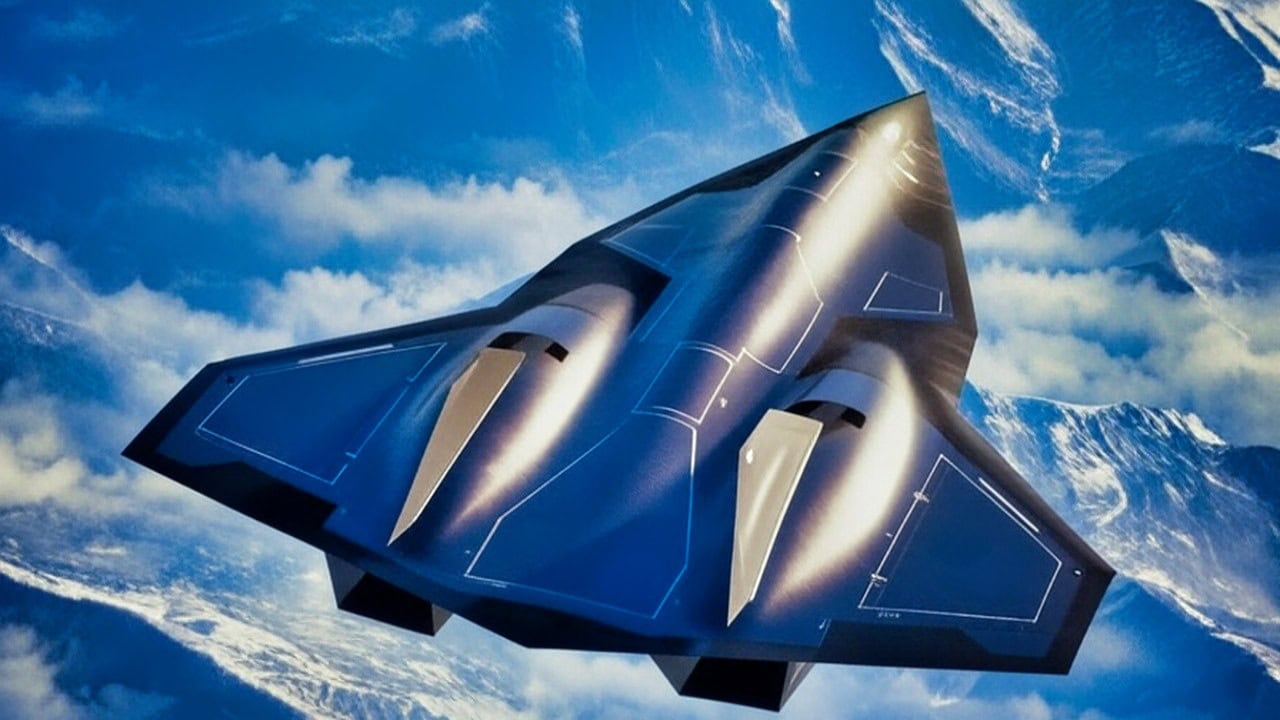
SR-72 Darkstar. Image Credit: Creative Commons.
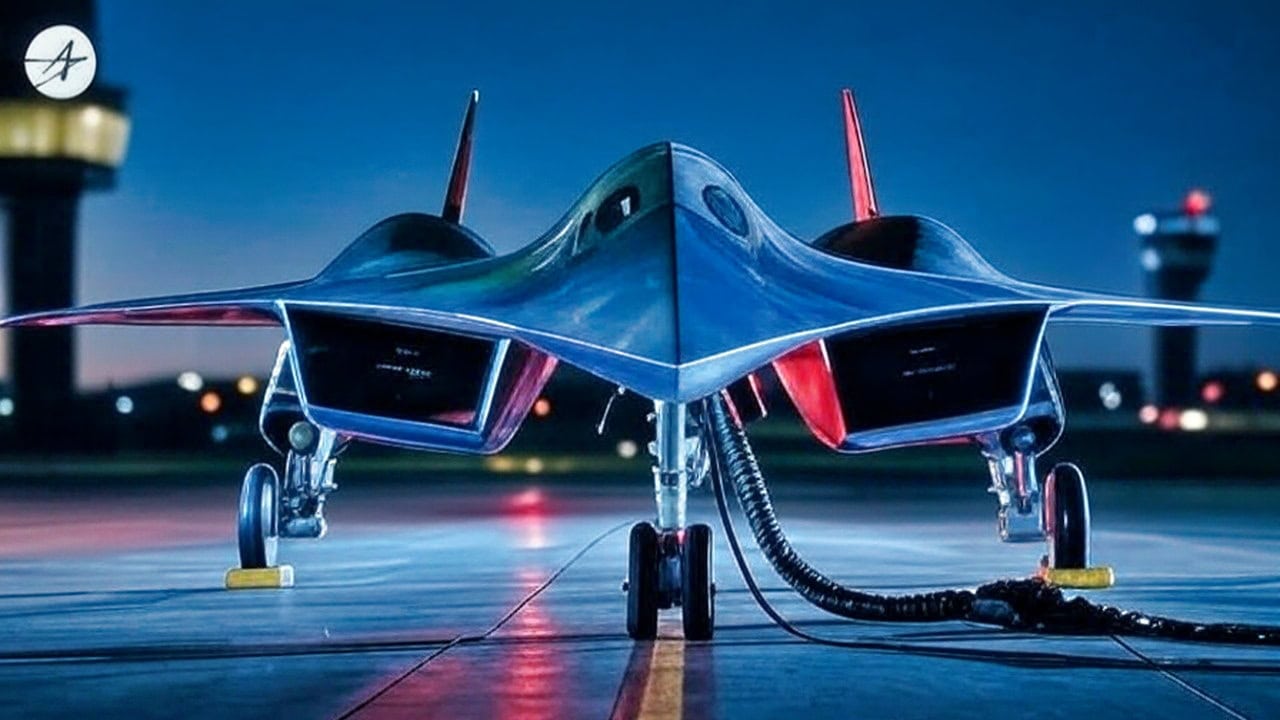
SR-72 Darkstar. Image Credit: Lockheed Matin with AI enhancement.
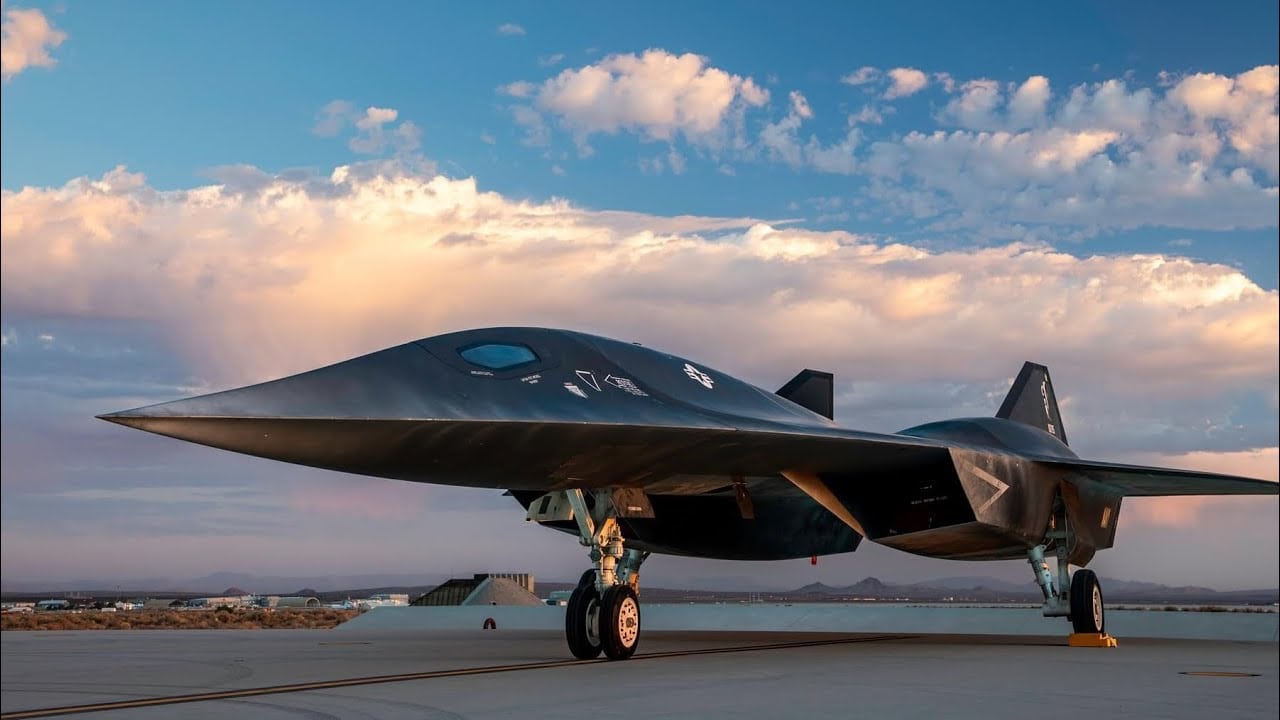
SR-72 Darkstar. Image Credit: YouTube Screenshot.
The SR-72 concept is a Lockheed Martin Skunk Works project—hypersonic, reusable, and optionally manned, designed primarily for time-critical ISR and strike cueing.
The SR-72 is not a direct replacement for the SR-71; however, it is not expected to be used to access denied-access environments.
Classified Program
Little is known about the program; official details are scarce, and much of what we presume to know is purely speculative.
Commonly cited characteristics hold that the platform will have hypersonic speed (in excess of Mach 5), with combined-cycle propulsion (turbine and scramjet), and an emphasis on speed over stealth.
Design constraints likely exist due to extreme thermal loads, limited internal volume, and high operating costs.
The payload will likely be small and sensor-focused; weapons are a possibility, but are unlikely to be the centerpiece. The truth is hypersonic flight severely constrains payload, endurance, and flexibility.
The primary mission set likely includes rapid global ISR, time-sensitive targeting, and penetration of heavily defended airspace. The SR-72 will probably be used as a sensor, not a missile truck—but the information that the plane gathers could be used to cue bombers, submarines, or long-range missiles.
The SR-72’s speed allows for short exposure windows and reduced vulnerability, but the mission set aligns poorly with traditional bombing roles.
Bomber Speculation
The desire for hypersonic strike options drives the SR-72-as-a-bomber speculation. The hypothetical argument is that speed replaces stealth, that hypersonic penetration can defeat air defense. But bombing requires payload, persistence, and flexibility.
Hypersonic aircraft struggle with all of these; speed is not a substitute for magazine depth, retargeting, or cost efficiency.
In short, the SR-72 suffers from payload limitations. Hypersonic designs prioritize fuel and structure, while weapons carriage is minimal.
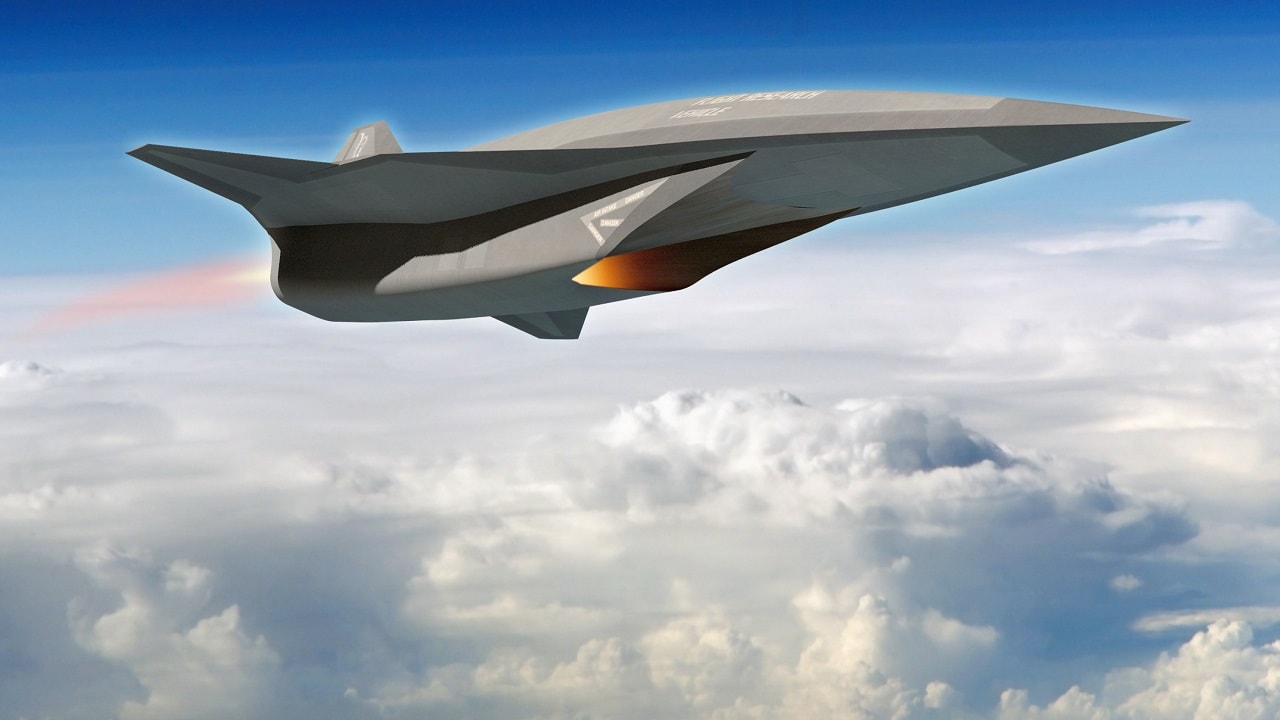
SR-72. Image Credit: Lockheed Martin.
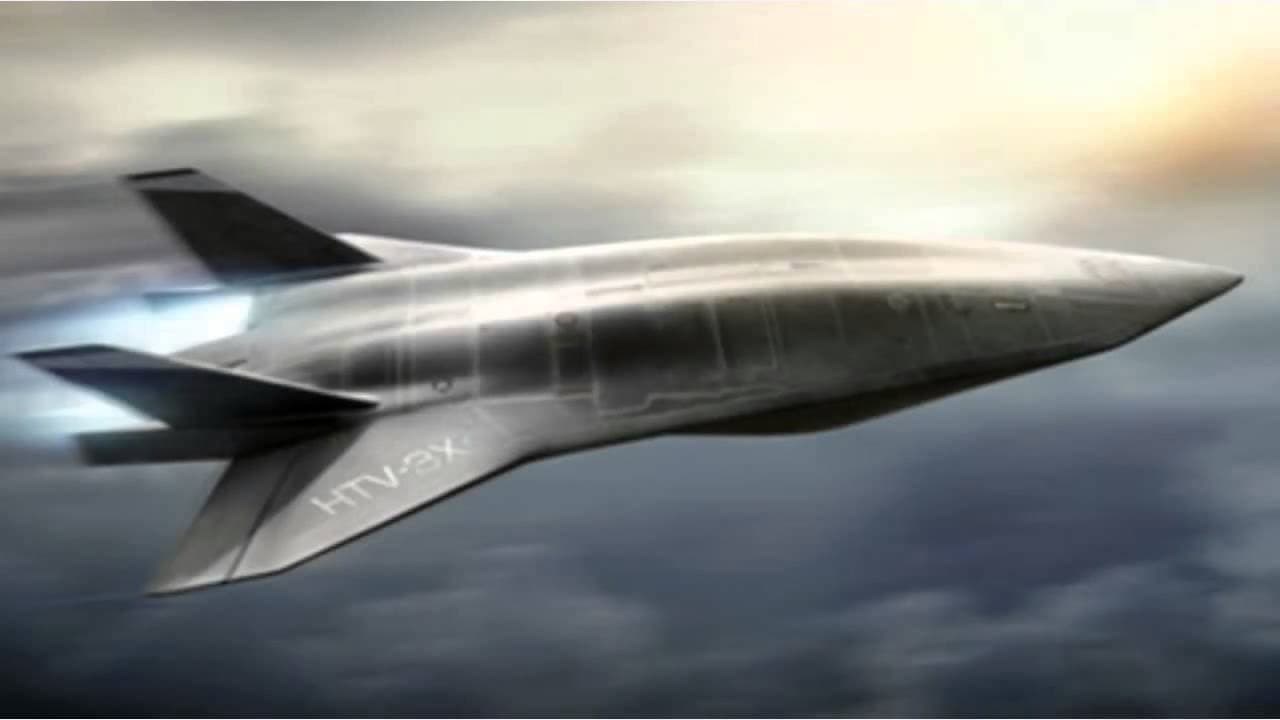
SR-72 artist image: Image Credit: Creative Commons.
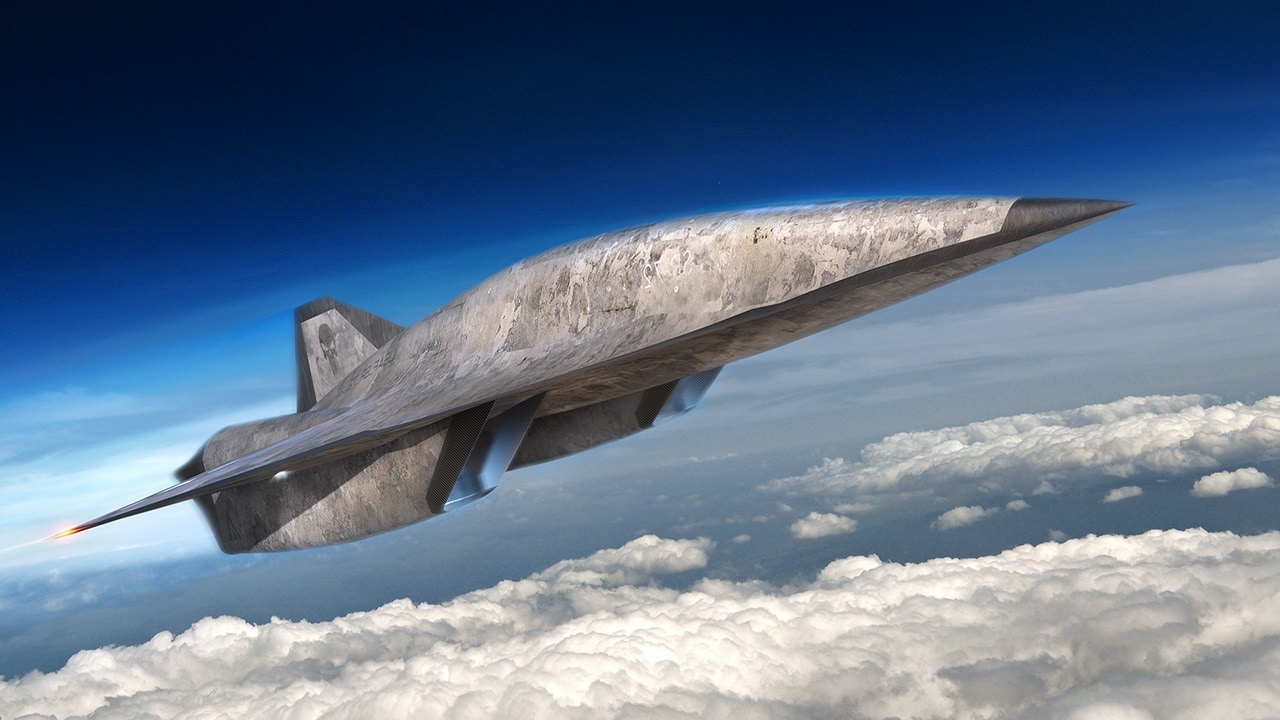
SR-72 artist rendering. Image Credit: Creative Commons.
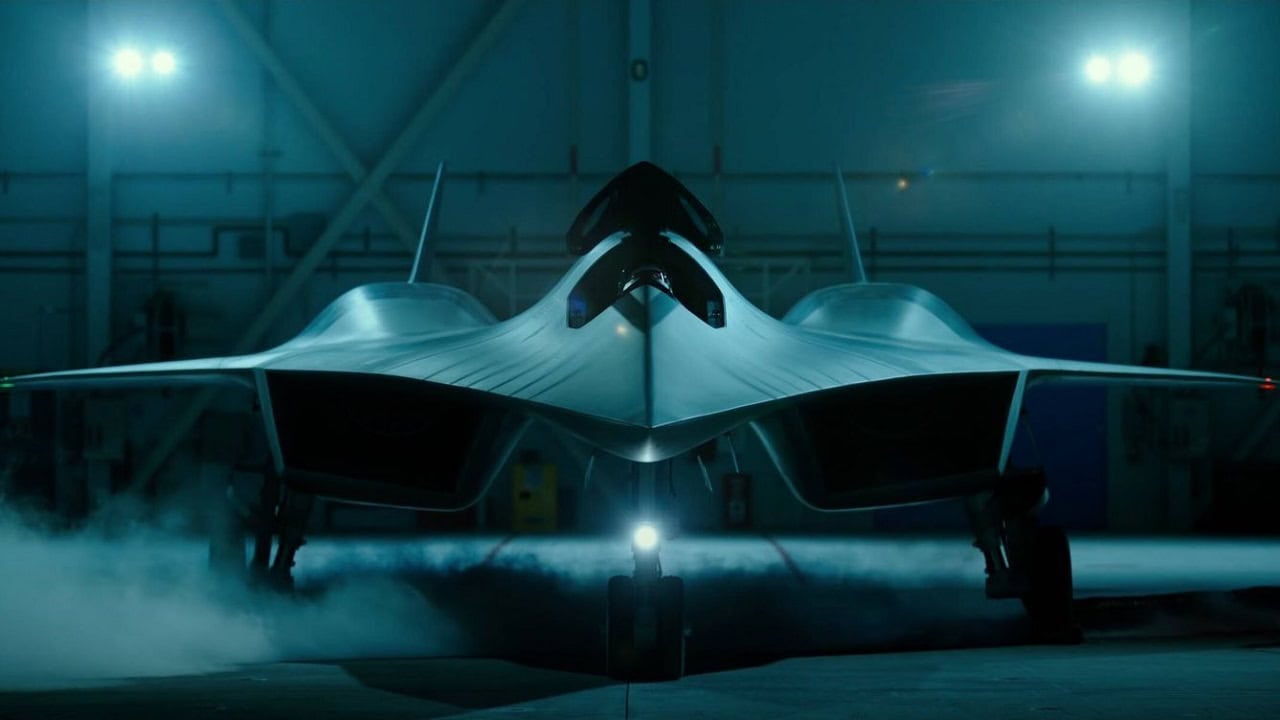
SR-72 Darkstar. Image Credit: Computer Generated Image.
That means the SR-72 would be a costly platform capable only of delivering limited ordnance. This is a cost-exchange problem. There are survivability tradeoffs, too; hypersonic platforms are not invulnerable.
And at such high speeds, flight paths can be predictable. The platform could also be redundant, as hypersonic missiles already exist. Strategically, the SR-72 in a bomber role would be a mismatch, as bombers excel at sustained campaigns, whereas the SR-72 would be optimized for brief, specialized missions. If the SR-72 were used as a bomber, it would be overqualified, underarmed, and strategically inefficient.
Darkstar Strategic Implications
The SR-72 reflects anxiety over A2/AD environments and the need for rapid response. But the SR-72 likely fits as a complement to bombers, not a replacement.
The SR-72 fits a future force structure in which ISR, targeting, and strike are tightly integrated, compressing decision cycles through speed.
The SR-72 platform, in all likelihood, remains niche, high-value, and limited in number. Turning the SR-72 into a bomber would dilute its real strategic value.
The SR-72-as-a-bomber idea is understandable but misguided. History shows that speed alone rarely defines air power success—especially today.
If the SR-72 is to have value, that value will derive from seeing things first, from moving fast, and from enabling others to strike with high-fidelity, real-time information.
Does the SR-72 Darkstar Exist?
Before getting into prospective usage, bomber or ISR, etc., we need to determine whether the SR-72 actually exists. Lockheed Martin has publicly acknowledged the SR-72 as a Skunk Works concept—so we know it’s not just a pure internet myth.
But there are no confirmed prototype sightings, test flights, or budget line items tied explicitly to the SR-72. Still, the program likely exists at the technology-demonstrator level—not as an acquisition program. The US Air Force has not announced a formal requirement for the SR-72 program, and timelines cited have repeatedly slipped.
So the entire program may be more about research—particularly with respect to propulsion, i.e., combined-cycle turbine/scramjet—than a finished platform.
About the Author: Harrison Kass
Harrison Kass is an attorney and journalist covering national security, technology, and politics. Previously, he was a political staffer and candidate, and a US Air Force pilot selectee. He holds a JD from the University of Oregon and a master’s in global journalism and international relations from NYU.