

Summary and Key Points: The SR-91 Aurora is the rumored successor to the SR-71 Blackbird, described as a classified American reconnaissance aircraft able to fly at Mach 5 to 6. The name appeared in a 1985 defense budget document, and aviation journalists read it as a sign of a secret program.
SR-91 Aurora: Real or Not?
The Lockheed SR-71 Blackbird was one of the most remarkable aircraft of the Cold War. And, as you can see from the below, we travel all across the country taking pictures of it for our readers.
Capable of flying above Mach 3, it conducted high-altitude reconnaissance missions for decades.
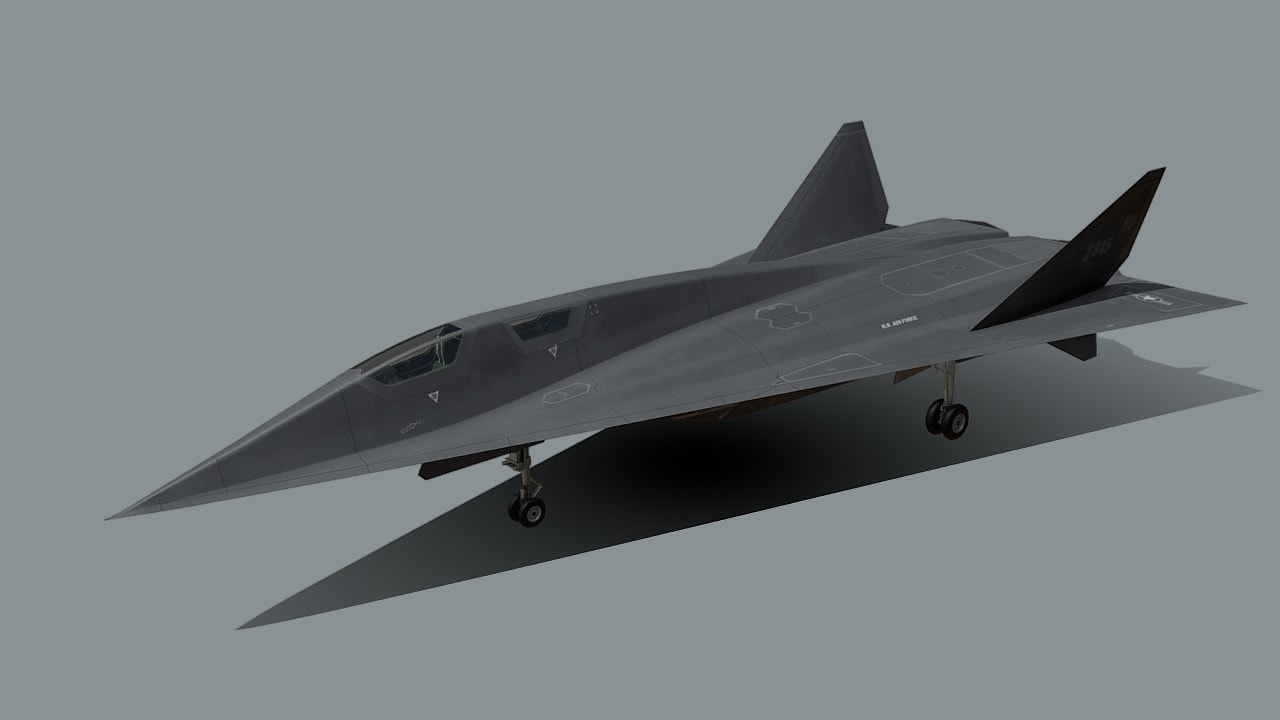
SR-91 3d Model. Screenshot from Tim Samedov Sketchfab.
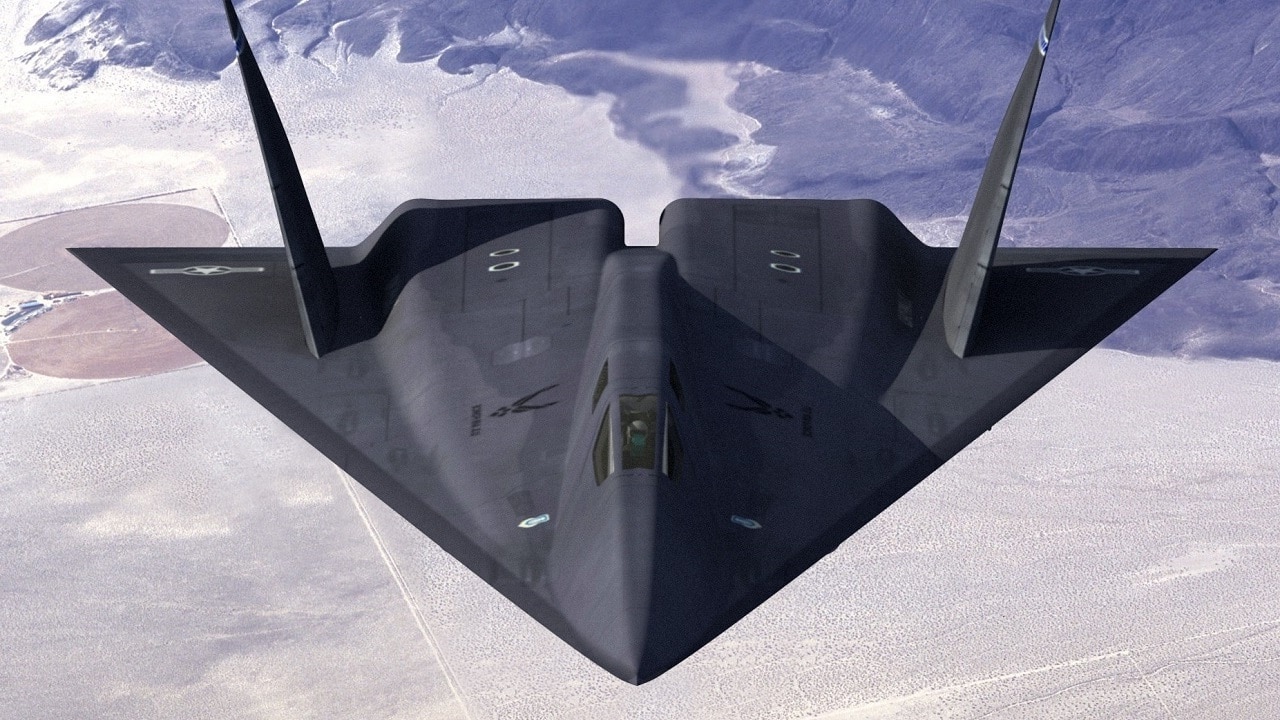
SR-91 Aurora. Image Credit: Rodrigo Avella
As the Blackbird approached retirement, rumors emerged about an even faster, more advanced successor—an alleged aircraft that became known as the SR-91 Aurora.
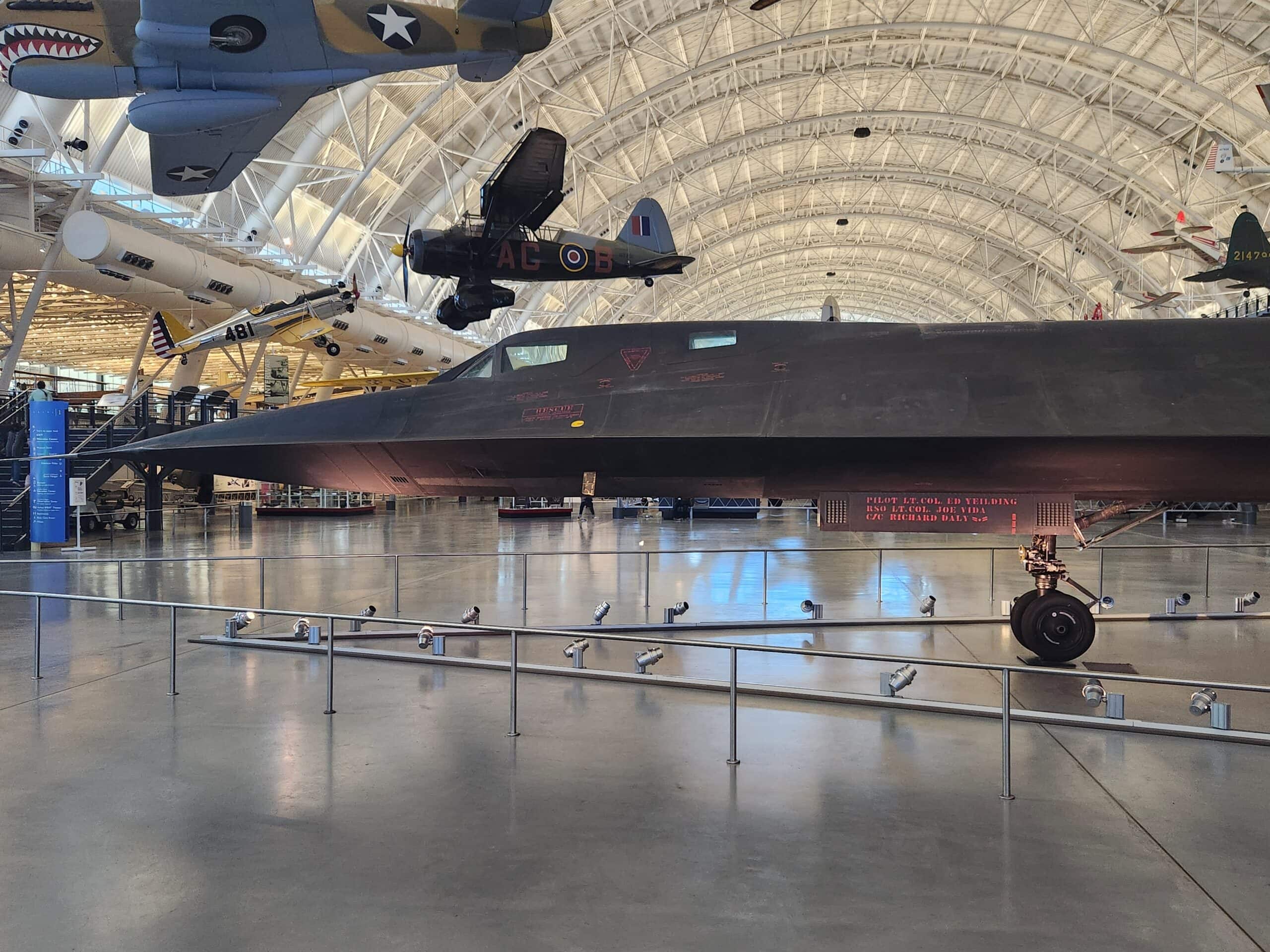
SR-71 from 19FortyFive.com original picture archive. Image taken at the Smithsonian.
According to speculation, Aurora was a classified American reconnaissance aircraft capable of hypersonic speed, with some accounts suggesting it could exceed Mach 5 or even Mach 6.
Of course, the Aurora never became operational, but more than three decades after the rumors emerged, speculation continues over whether the aircraft ever existed.
The Budget Entry
Aurora speculation gained momentum in the late 1980s.
In 1985, the name Aurora appeared in an unclassified US defense budget document associated with classified aircraft activities, and the entry attracted attention because of its apparent connection to advanced aviation development.
Aviation journalists and enthusiasts interpreted the reference as possible evidence of a secret aircraft program, and the name subsequently became associated with a possible successor to the SR-71 Blackbird.
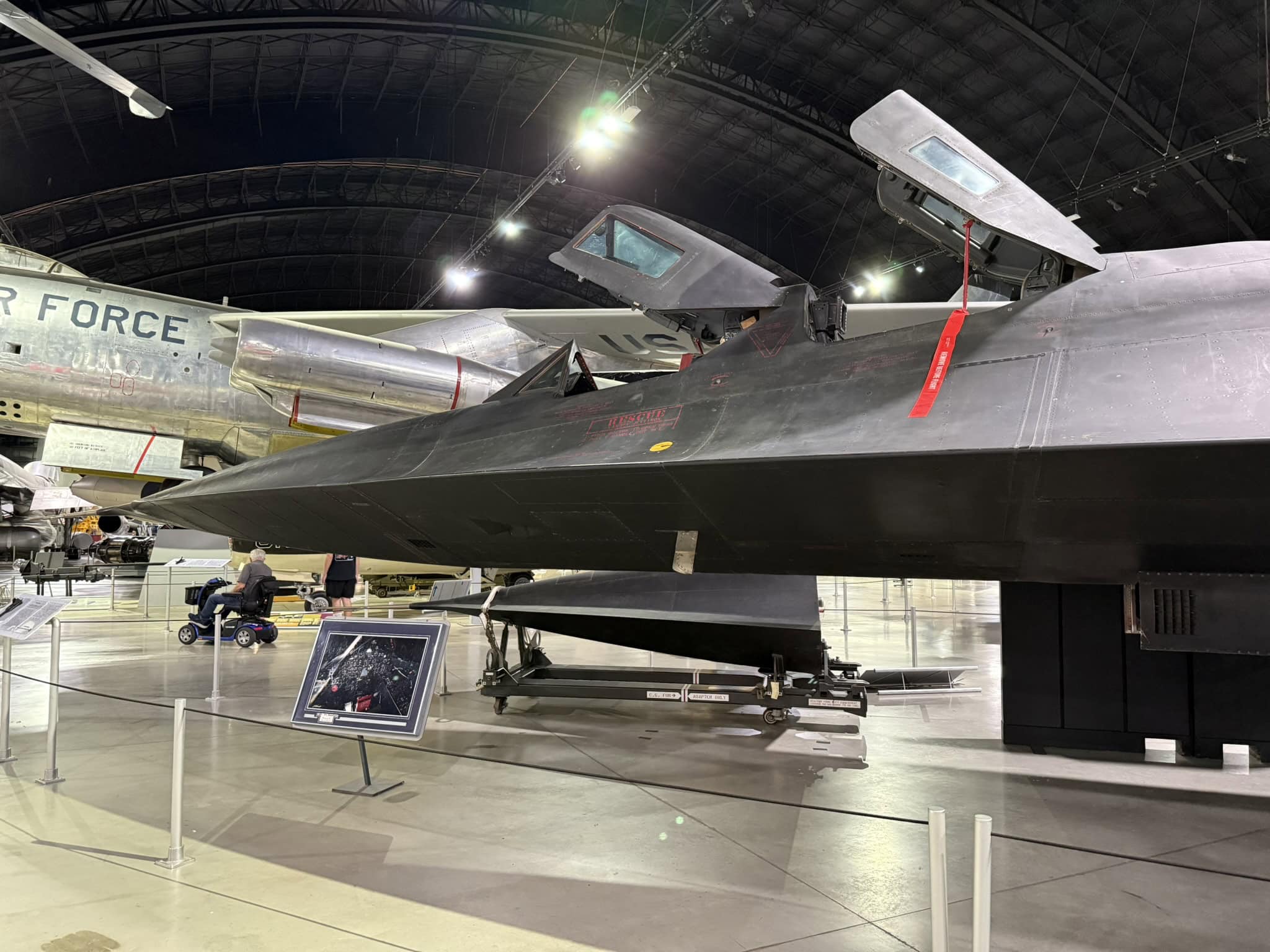
SR-71 at National Museum of the Air Force. 19FortyFive Photo
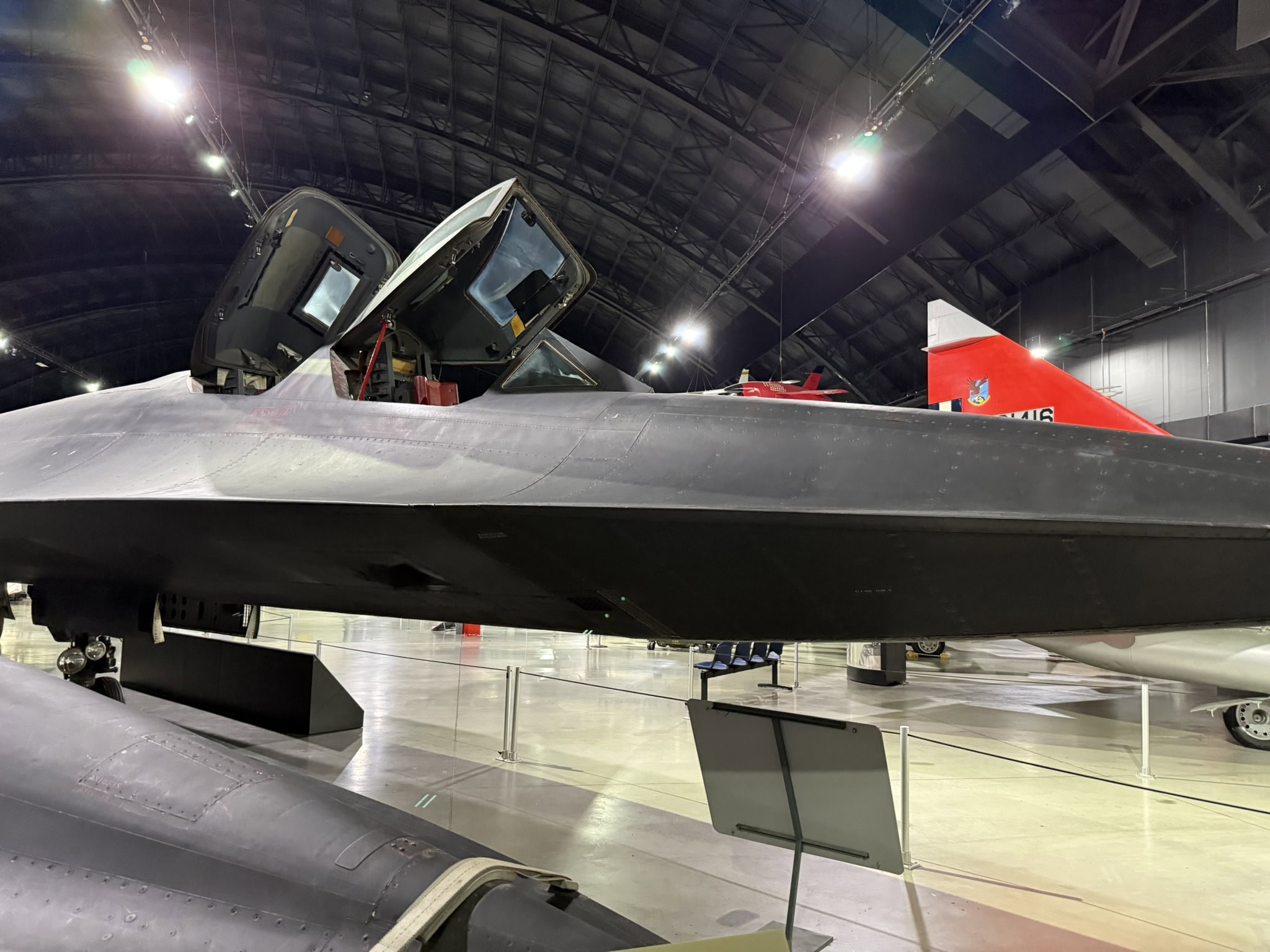
SR-71 at National Museum of the Air Force. 19FortyFive Photo.
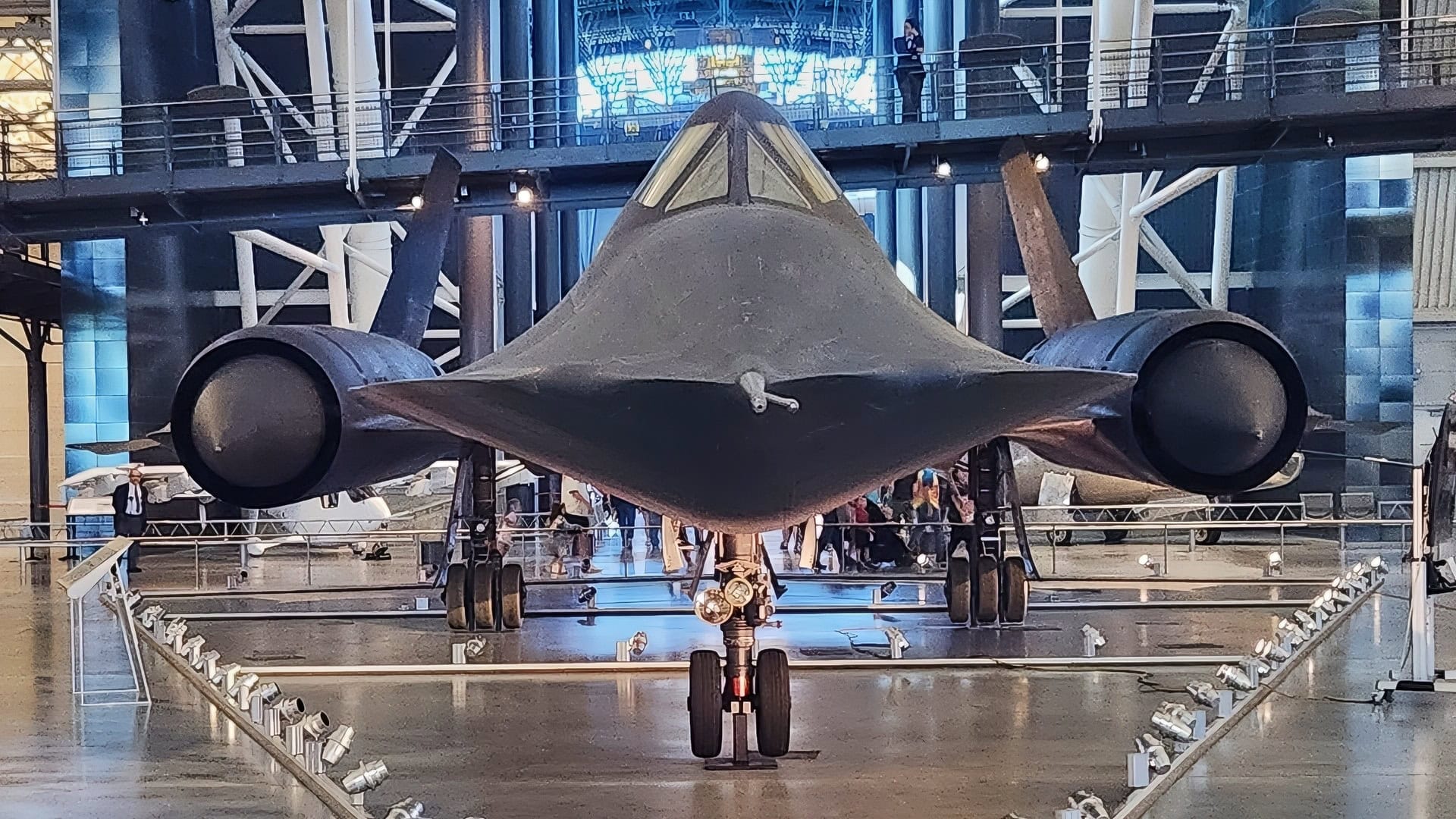
SR-71 At the Smithsonian. Image Credit: Creative Commons.
However, the budget reference never explicitly identified a hypersonic reconnaissance aircraft.
Former Lockheed Skunk Works Director Ben Rich later indicated that Aurora had been a budget-related code name associated with the B-2 stealth bomber program.
So the budget entry provides evidence only that the name existed, not that an SR-91 aircraft was ever built.
The Alleged Aircraft
Aurora was commonly described as a highly classified hypersonic recon platform.
Speculated capabilities included speeds of Mach 5 to 6, making it substantially faster than the SR-71, along with high-altitude performance, low-observable characteristics, and experimental propulsion involving ramjets, scramjets, or combined-cycle engines.
Some enthusiasts proposed that Aurora used pulse-detonation propulsion, although this was never substantiated.
Artists frequently depicted the aircraft with a sleek, triangular or delta-shaped configuration.
The designation SR-91 became widely associated with the rumored aircraft.
However, neither its designation nor its alleged specifications have been authenticated through publicly available program documentation.
The Evidence
During the early 1990s, unexplained sonic booms were recorded over Southern California.
Some researchers suggested the booms might have originated from classified high-speed aircraft operating over the Pacific.
Seismic observations attracted attention because they appeared consistent with unusually energetic supersonic events.
However, the recordings did not identify a specific aircraft or establish hypersonic flight.
Aviation enthusiasts also reported sightings of unusual triangular aircraft.
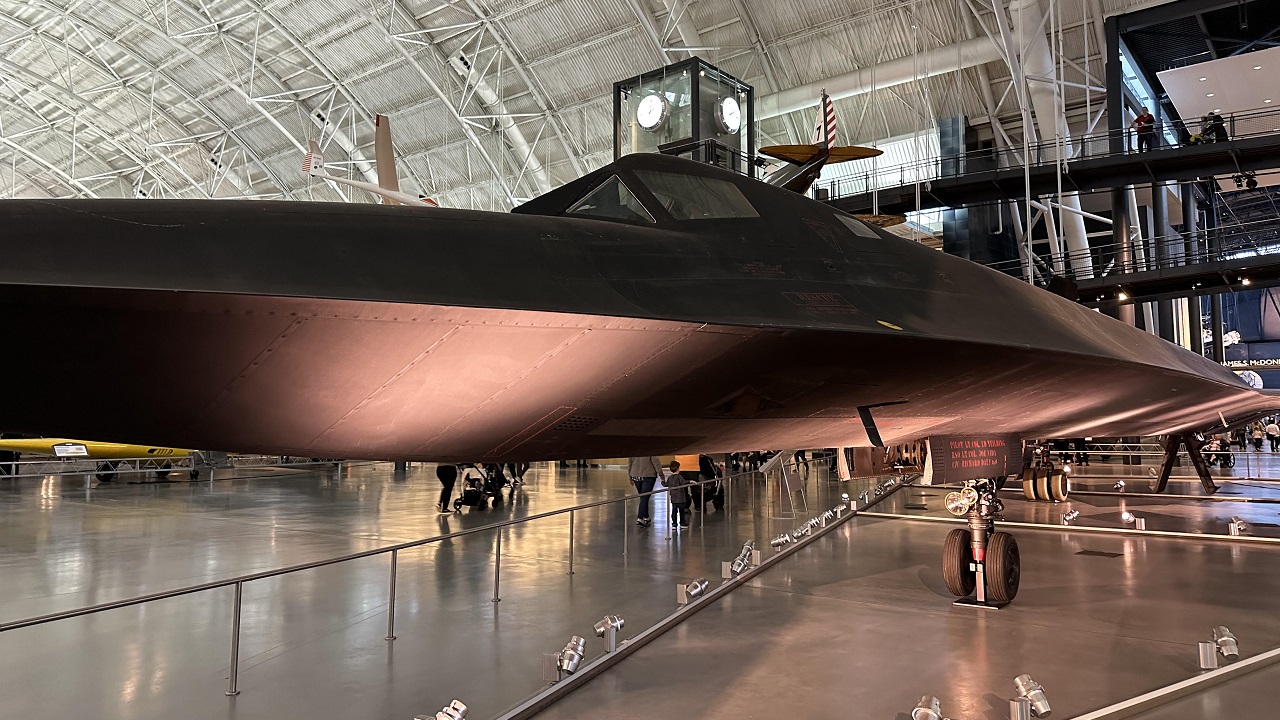
SR-71. SR-71 photo taken at the National Air and Space Museum. Taken by 19FortyFive on 10/1/2022.
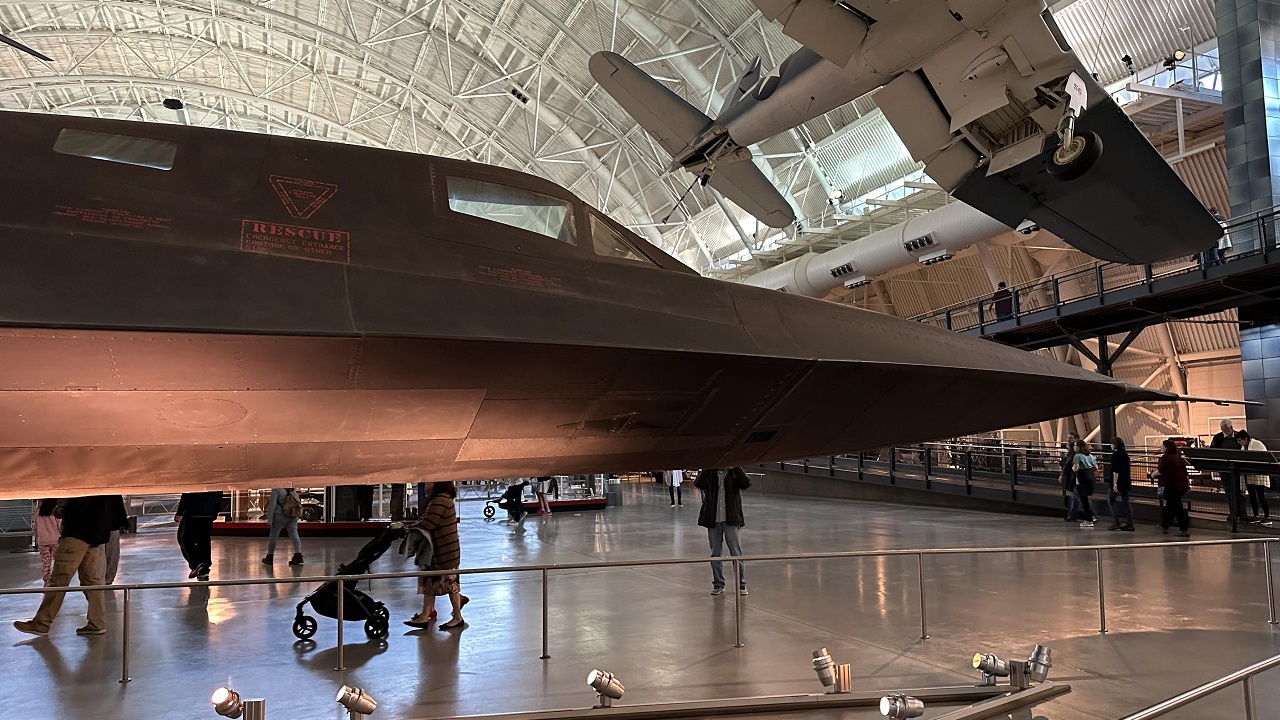
SR-71. SR-71 photo taken at the National Air and Space Museum. Taken by 19FortyFive on 10/1/2022.
One frequently cited account came from Chris Gibson, a trained aircraft observer who reported seeing an unfamiliar triangular aircraft over the North Sea in 1989.
The unidentified aircraft was reportedly accompanied by military aircraft, including F-111s.
Gibson’s observation helped fuel speculation about a secret American recon platform.
Yet none of these encounters ever conclusively established the existence of Aurora. The sightings and sonic booms could have, of course, involved other aircraft, unrelated classified programs, or misidentifications.
Plausible Rumors
The rumors may have, at times, appeared plausible.
The US has a long history of secretly developing revolutionary military aircraft.
The U-2, A-12, SR-71, and F-117 Nighthawk all emerged from highly classified development programs.
The F-117 operated secretly for years before its existence was publicly acknowledged in 1988.
So the possibility of another classified recon aircraft wasn’t an unreasonable assumption.
The SR-71’s retirement also created speculation about how the US would replace its unique capabilities, while advances in stealth technology and experimental propulsion only added to the intrigue.
Nevertheless, the existence of other classified aircraft programs did nothing to establish that the Aurora program existed.
While plausible, there was never any evidence of the Aurora program.
No Proof
There is simply no proof that the Aurora program existed: no authenticated photos, technical drawings, production records, or declassified flight-testing documents.
No government agency has ever acknowledged the existence of the SR-91.
And the simple truth is that building an operational Mach 5 or 6 aircraft would have presented enormous engineering challenges.
Sustained hypersonic flight involves extreme aerodynamic heating, difficult propulsion requirements, and specialized materials.
Such a program likely would’ve required substantial testing, infrastructure, and funding—yet no evidence of an operational fleet or the surrounding infrastructure that would’ve been required has ever surfaced.
About the Author: Harrison Kass
Harrison Kass is a writer and attorney focused on national security, technology, and political culture. His work has appeared in Tablet, City Journal, The Hill, The Spectator, and The Cipher Brief. He holds a JD from the University of Oregon and a master’s in Global & Joint Program Studies from NYU—more at harrisonkass.com.