
The UAE intercepts 4 ballistic missiles and 25 Iranian drones, but the stop in Habshan exposes the limits of the air defense in 2026.
 Ahmed Al-Rashid
The UAE intercepts 4 ballistic missiles and 25 Iranian drones, but the Habshan incident exposes the limits of air defense in 2026
In Abu Dhabi, the significance of the past hours lies not only in the fact that the UAE's air defenses intercepted four ballistic missiles and twenty-five drones launched from Iran, but also in that the debris from the interception itself reached the Habshan gas facility, leading to a halt in operations there. This is the truth that many prefer to ignore in the Gulf: tactical interception is one thing, and protecting the national economy is something entirely different. In practical terms, a state can declare a military success in the sky, only to discover minutes later that the energy hub on the ground has entered a state of disruption.
Cross-reports from several regional media outlets indicated that work at the facility was suspended after debris from the interception fell, resulting in one fatality and four injuries, along with localized fires. Even if Abu Dhabi contained the damage quickly, the message was received before the debris cooled: Iran does not need to fully breach defenses to impose economic and psychological costs on the UAE; it is enough for the first wave of missiles and drones to compel the interception system to neutralize the threat above sensitive infrastructure.
What actually happened
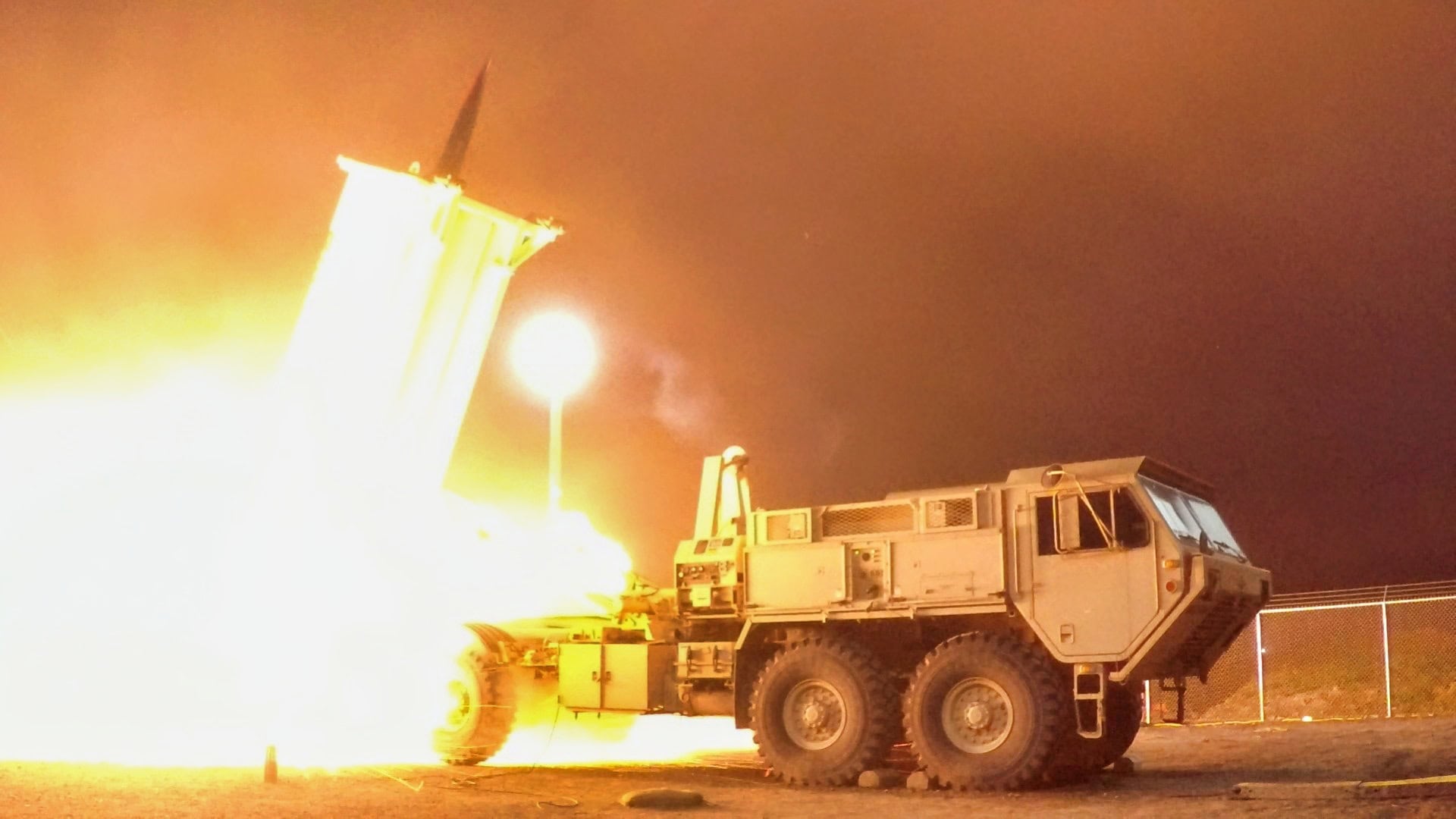
The announced figures are significant in themselves. Four ballistic missiles and twenty-five drones are not a symbolic strike, but a package of attacks designed to confuse layers of warning and engagement, and to force quick decisions in command rooms. Any military personnel who has served in the region knows that the problem with such strikes is not just the number of hostile targets, but their timing and the choice of directions, angles, and altitudes that consume decision time and the number of intercepting missiles. When oil and gas facilities are the ultimate or indirect target, the true measure of success is not the number of targets intercepted, but the number of hours production, processing, or export remains uninterrupted.
- The UAE's defenses announced the interception of 4 ballistic missiles and 25 drones.
- The Habshan facility suspended its operations after debris from the interception fell.
- Initial reports recorded one fatality and four injuries with limited fires.
- The political outcome was clearer than the technical result: the infrastructure remained vulnerable to disruption despite the success of the interception.
From a military perspective, interception is not complete protection
This incident reveals once again the triangle of capability that I always talk about: equipment, training, and organization. The UAE, like the rest of the Gulf states, has heavily invested in the first layer, namely equipment. It has advanced systems, and purchasing more interception batteries or radars remains politically easier than the slow investment in engineering fortification, continuity exercises, and decentralized command chains during an attack. However, owning THAAD or Patriot does not equate to having economic immunity. Successful interception may prevent a direct explosion, but it does not prevent debris from falling, nor does it guarantee that workers will continue to work, nor does it ensure that the energy company, insurance company, or port operator will act as if nothing has happened.
Here, the old Gulf paradox appears in a new guise. The region buys the most expensive interception missiles in the world to deal with much cheaper offensive tools, only to discover that the adversary does not need to completely destroy the facility to achieve a strategic effect. It is enough for them to stop the flow, impose an evacuation, raise insurance costs, or make market participants question the safety of supply. From this perspective, debris becomes a weapon in itself, even if it was not the intended weapon originally.
Habshan is more important than the number of missiles
The importance of Habshan is not media-related, but functional. We are talking about a major gas hub in Abu Dhabi, which is part of the apparatus that maintains energy, industrial, and export stability. When a facility of this weight stops, even temporarily, the message that markets, adversaries, and allies receive is the same: air defense can reduce losses, but it cannot alone keep the energy cycle fortified. This is precisely what should concern decision-makers more than the sight of exploding missiles in the sky. Because modern warfare in the Gulf is not always about occupation or total destruction, but about disruption, fatigue, and draining confidence.
In my estimation, the Iranians have understood this equation for a long time. Therefore, they combine ballistic missiles with cheap drones, and direct military threats with pressure on energy facilities and maritime corridors. They do not require every strike to be lethal; it is enough for it to be confusing, to compel the opposing side to spend more, reposition more, and live under constant alert. The longer this situation persists, the wider the gap becomes between the declared deterrence image and the reality of operational fragility.
What this means for the Gulf
For the UAE, Saudi Arabia, and the rest of the Gulf states, the lesson is not that Western systems have failed, but that relying on them alone has become an incomplete recipe. What is needed is not just more interception, but more passive fortification, distribution of sensitive assets, training operational teams to continue under bombardment, and building a faster capability to restore service after an attack. Armies in the region love shiny platforms, but the economy needs a survival doctrine, not just a technological showcase. Without this transformation, every wave of attack will be suitable for repeating the same question: how many missiles did we intercept? Instead of the more important question: is the state still functioning?
The conclusion that many officials do not like is clear. Owning advanced air defense does not equate to owning advanced energy security. Between the desire for security independence and actual reliance on the American umbrella, the Gulf remains stuck in the same contradiction: it buys protection from abroad, only to discover in every round that protection does not eliminate vulnerability, but merely postpones the moment of its appearance.
The United Arab Emirates intercepted 4 ballistic missiles and 25 drones launched from Iran, resulting in operational disruptions at the Habshan gas facility. Debris from the interceptions caused one death and four injuries. This incident underscores the limitations of air defense systems in protecting critical infrastructure from economic disruption.
- UAE intercepted 4 ballistic missiles and 25 drones from Iran.
- Debris from interceptions caused operational halt at Habshan gas facility.
- One fatality and four injuries reported due to debris.
- The incident highlights vulnerabilities in UAE's air defense despite successful interceptions.
- Iran's strategy involves economic disruption rather than total destruction.