
The U.S. and Israel's Ace Equipment Against Iran's "Mystery Weapon"
On February 28, Israel and the United States launched military strikes against Iran, which subsequently retaliated against military targets of the two countries in the Middle East.
So, in this suddenly escalating military conflict, what key combat forces have the U.S. and Israel deployed against Iran? As the situation progresses, what core weaponry that has not yet been revealed might both sides bring to the battlefield?
U.S. and Israel Increase Weaponry Deployment
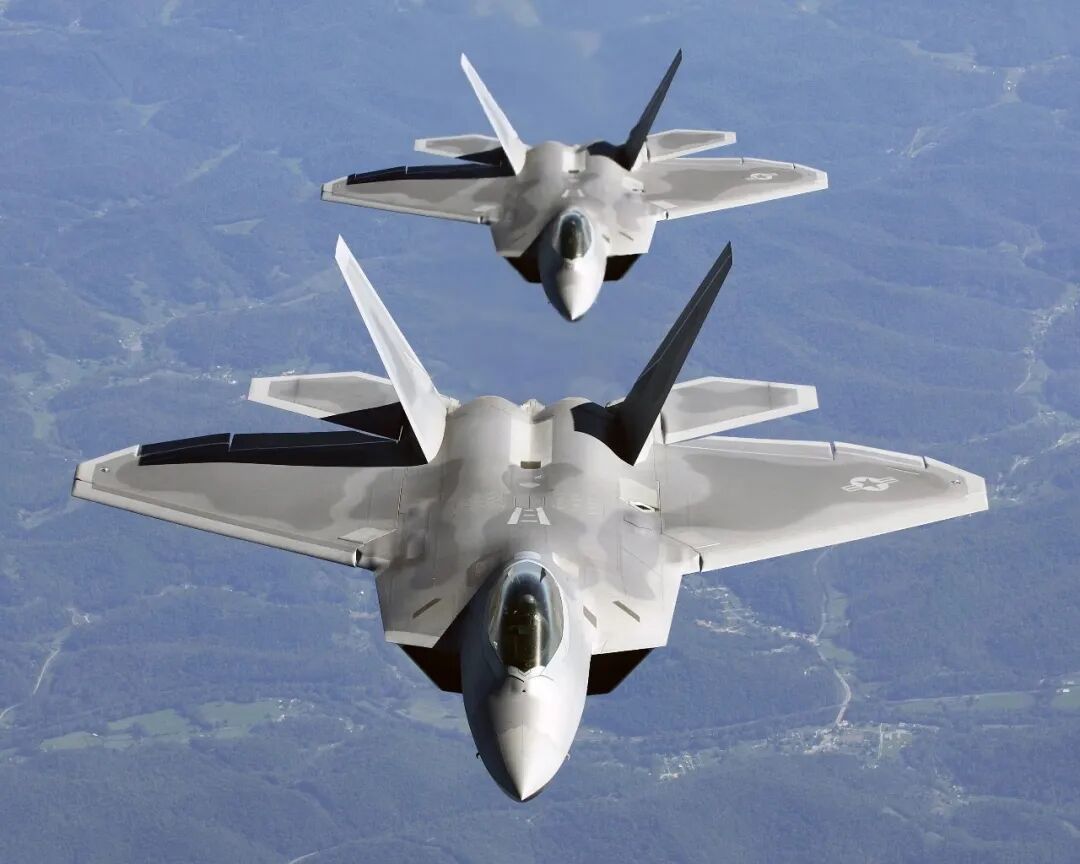
File photo: U.S. F-22 fighter jet (Source: CCTV News)
Military observer Zhang Xuefeng analyzed that in this military operation, the U.S. and Israel deployed a large number of troops at sea and in the air, with "Tomahawk" cruise missiles, "Blue Sparrow" ballistic missiles, and suicide drones all appearing on the battlefield.
Zhang Xuefeng:
First, "Tomahawk" cruise missiles. These missiles may have been launched by destroyers or nuclear submarines belonging to the U.S. "Ford" carrier strike group.
Second, various fighter jets. A large number of fighter jets flew over Syria and Iraq, likely coming from U.S. F-22 and F-35 fighters stationed at bases in Israel.
Third, from the missile debris scattered in Iraq, it appears that Israel also used the "Blue Sparrow" series of air-launched ballistic missiles, primarily to strike Iran's air defense systems in the first wave of attacks, creating openings for subsequent airstrike formations.
Fourth, suicide drones. Previously, the U.S. "Scorpion Task Force" had been deployed to the Middle East, equipped with suicide drones developed through reverse engineering or imitation of Iran's "Shahed" drones.
Fifth, equipment operating "behind the scenes." For example, the U.S. Air Force's EA-37 electronic warfare aircraft can disrupt the opponent's communication systems, making it difficult for their command systems to send instructions to combat units, thereby severing the connections between Iran's various combat units for targeted strikes.
Iran's Retaliation Speed Increases
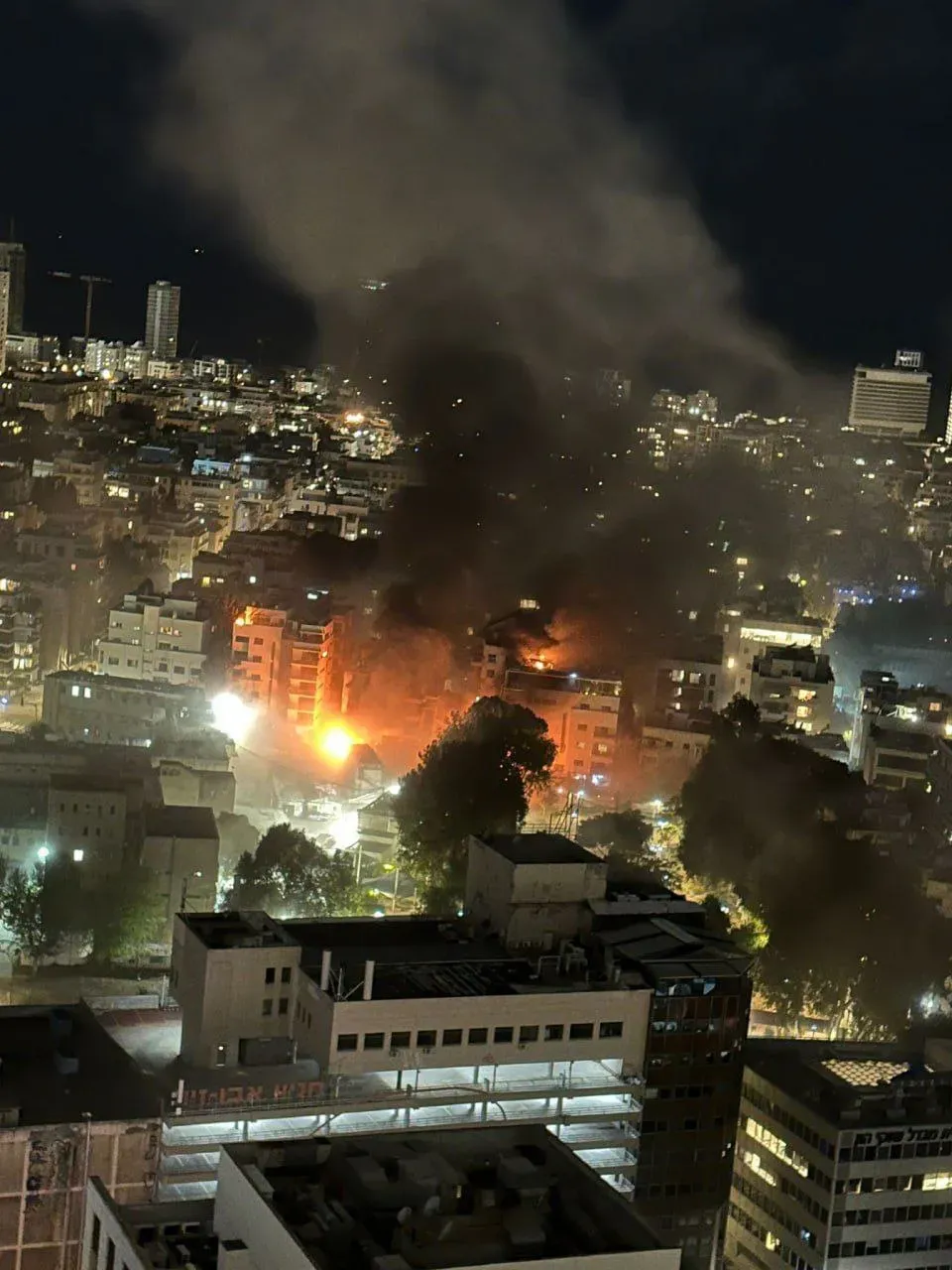
On March 1 local time, Iran disclosed images showing the headquarters building of the Israeli military general staff being attacked and catching fire (Source: CCTV News)
Zhang Xuefeng observed that unlike the "12-Day War" that broke out last June, the purpose of the U.S. and Israeli strikes this time has shifted from destroying Iran's nuclear capabilities to overthrowing the Iranian regime. Additionally, Iran's retaliation speed has significantly increased.
Zhang Xuefeng:
There are two reasons for the increase in Iran's retaliation speed.
First, with U.S. forces massing at the borders, Iran sensed the smell of gunpowder and prepared for combat.
Second, Iran has learned from the experiences and lessons of last year's strikes by Israel. For example, last year, Israel penetrated Iran's internal structures and struck some important command institutions and personnel, leading to a certain degree of chaos in Iran's command system. This time, Iran has made ample preparations; even if the supreme leader is attacked, a successor has been designated, and relevant command institutions have been adjusted.
Iran's Weaponry Utilization
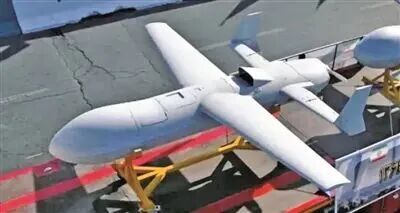
File photo: Iran's "Witness"-136B attack drone (Source: China Defense News)
Senior commander of the Iranian Islamic Revolutionary Guard Corps, Jabari, stated that the missiles used by Iran in the current retaliatory action are merely "old stock from the warehouse," and claimed that Iran will soon showcase and deploy a series of "never-before-seen mysterious weapons" on the battlefield, whose power and technological level will far exceed external expectations. Zhang Xuefeng analyzed the weaponry used by Iran in this operation and pointed out the potential supply difficulties Iran may face.
Zhang Xuefeng:
In combat, Iran primarily used missiles and drones. The first type is medium-range ballistic missiles, used to strike Israel. The second type is short-range ballistic missiles, used to strike some U.S. bases in the Middle East. Additionally, Iran also deployed a large number of suicide drones.
Currently, the issue Iran faces with its ballistic missiles is insufficient firepower sustainability. Last year, Israel struck Iran's ballistic missile bases, and Iran's reserves of medium-range ballistic missiles should not yet reach the levels prior to last year's conflict. Therefore, for Iran, it is necessary to conduct saturation strikes while also considering conserving ammunition for sustained operations.
As for the "mysterious weapons" claimed by Iran, they could potentially be new types of hypersonic missiles that have not been publicly disclosed before. Of course, it is also possible that Iran is engaging in a propaganda battle, exaggerating the effectiveness of the "mysterious weapons" to exert pressure on the U.S. and Israel.
Reporter: Hu Chengcheng
On February 28, 2023, U.S. and Israeli forces launched military strikes against Iranian targets in the Middle East, employing Tomahawk missiles and advanced fighter jets. Iran responded with counterattacks, utilizing ballistic missiles and suicide drones. The conflict marks a significant escalation from previous engagements, with both sides preparing for further military actions.
- U.S. and Israel launched military strikes against Iran on February 28, 2023.
- Iran retaliated with counterattacks against U.S. and Israeli military targets in the Middle East.
- U.S. and Israeli forces utilized Tomahawk missiles, F-22, and F-35 fighters in the operation.
- Iran claimed to have a series of 'mysterious weapons' ready for deployment in the conflict.
- Iran's response included the use of ballistic missiles and suicide drones.