
Summary and Key Points: The Army says the M1E3 Abrams program is moving up to five years faster, with four prototype tanks slated to arrive in summer 2026, allowing soldiers to train on early hardware and help shape the final design.
-These vehicles are transitional configurations rather than fully mature operational tanks, which are still expected to reach initial operational capability in the early 2030s.
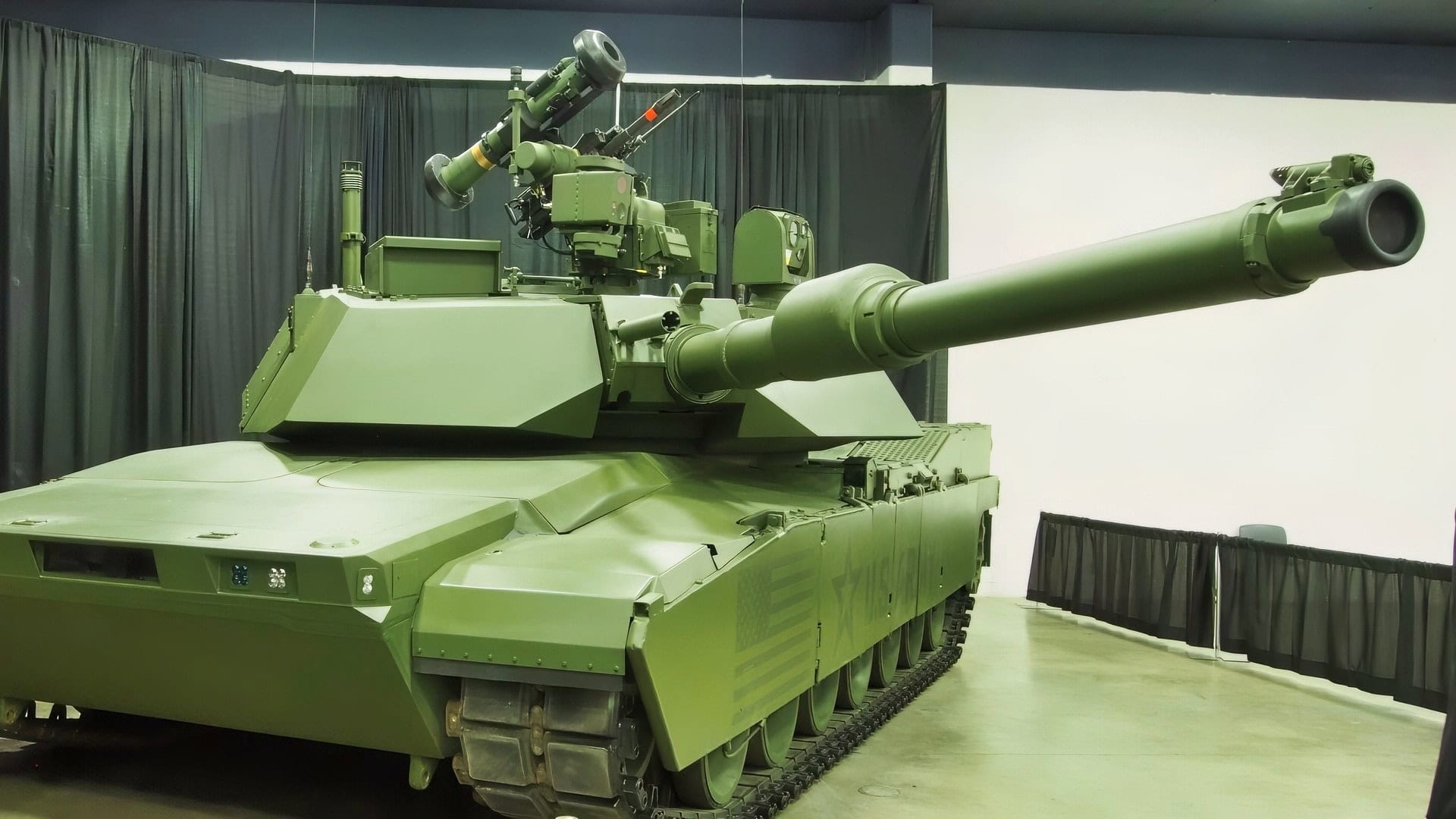
M1E3. 19FortyFive Image from the Detroit Auto Show.
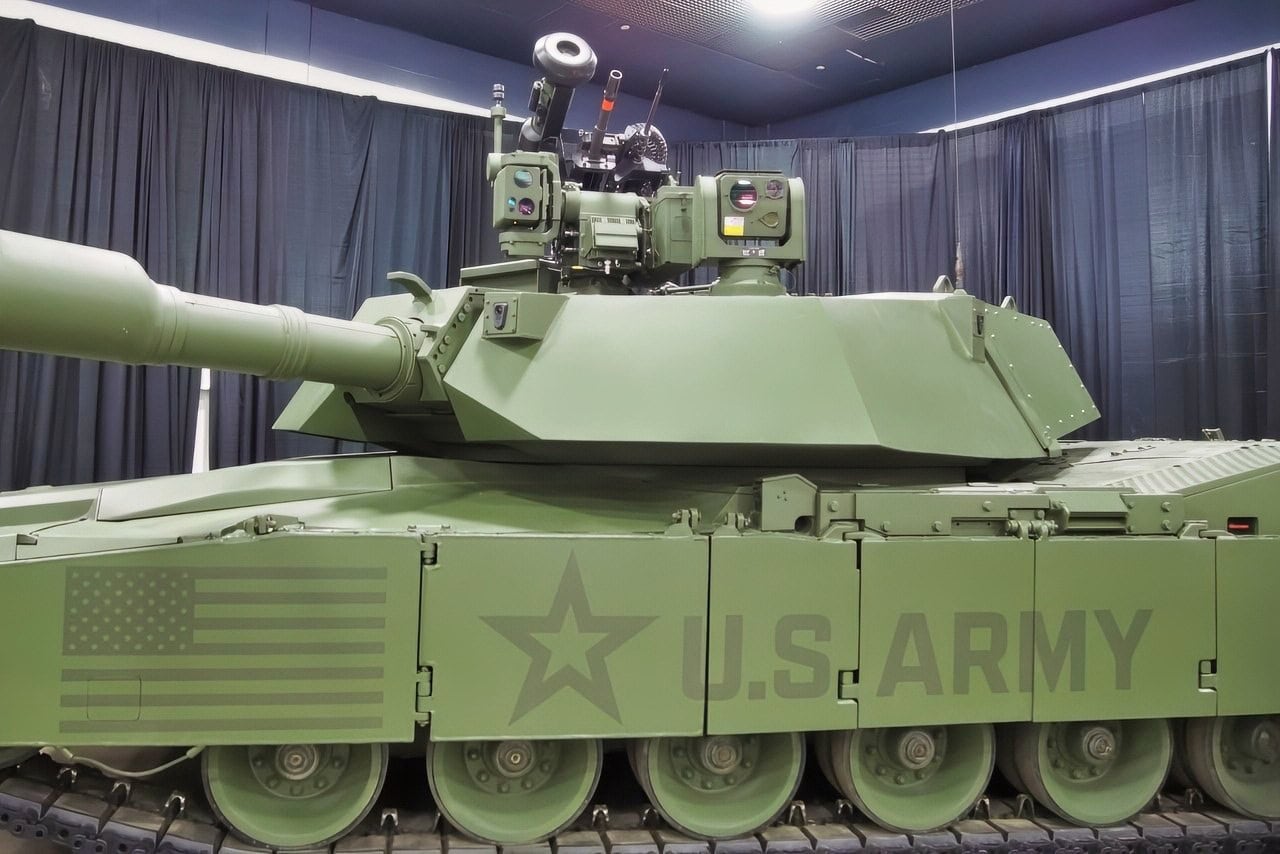
M1E3 from the Detroit Auto Show. Taken by 19FortyFive.com on 1/17/2026.
-The point of fielding prototypes early is to test open-architecture systems, software-defined controls, human-machine interfaces, and sustainment realities that can’t be resolved in labs.
-Lessons from Ukraine—drones, precision strikes, and rapid adaptation—are driving the push.
-BONUS: 19FortyFive visited the latest M1E3 Abrams tank at the Detroit Auto Show and has placed some unique photos from that visit in this article.
In 1 Word: Ukraine
M1E3 Abrams “Five Years Early”: What the Army’s Prototype Rush Really Means
The U.S. Army says its next-generation M1E3 Abrams main battle tank is moving as much as five years ahead of its expected schedule – a welcome change from the slipped schedules that have become commonplace for programs like it. The White House X account posted a screenshot of an article published by Fox News, in which Rebecca Grant described the M1E3 tank as a “hybrid-drive silent killer.”
“The best arsenal in the world just got STRONGER, five years early: M1E3 Abrams Tank,” the White House account wrote.
The piece referred to comments made in January 2026 by Chief of Staff Gen Randy George at the Detroit Auto Show – and we were in attendance at the Auto Show.
Speaking to reporters, George confirmed that the Army would roll out four prototypes of the new M1E3 Abrams tank, designed to replace the M1A1 and M1A2, this summer. Crucially, George confirmed that the tanks won’t be fully ready, and will instead serve as an opportunity for troops to familiarize themselves with the platform as its capabilities are refined. Nonetheless, the announcement means that prototypes will be available five years earlier than originally anticipated.
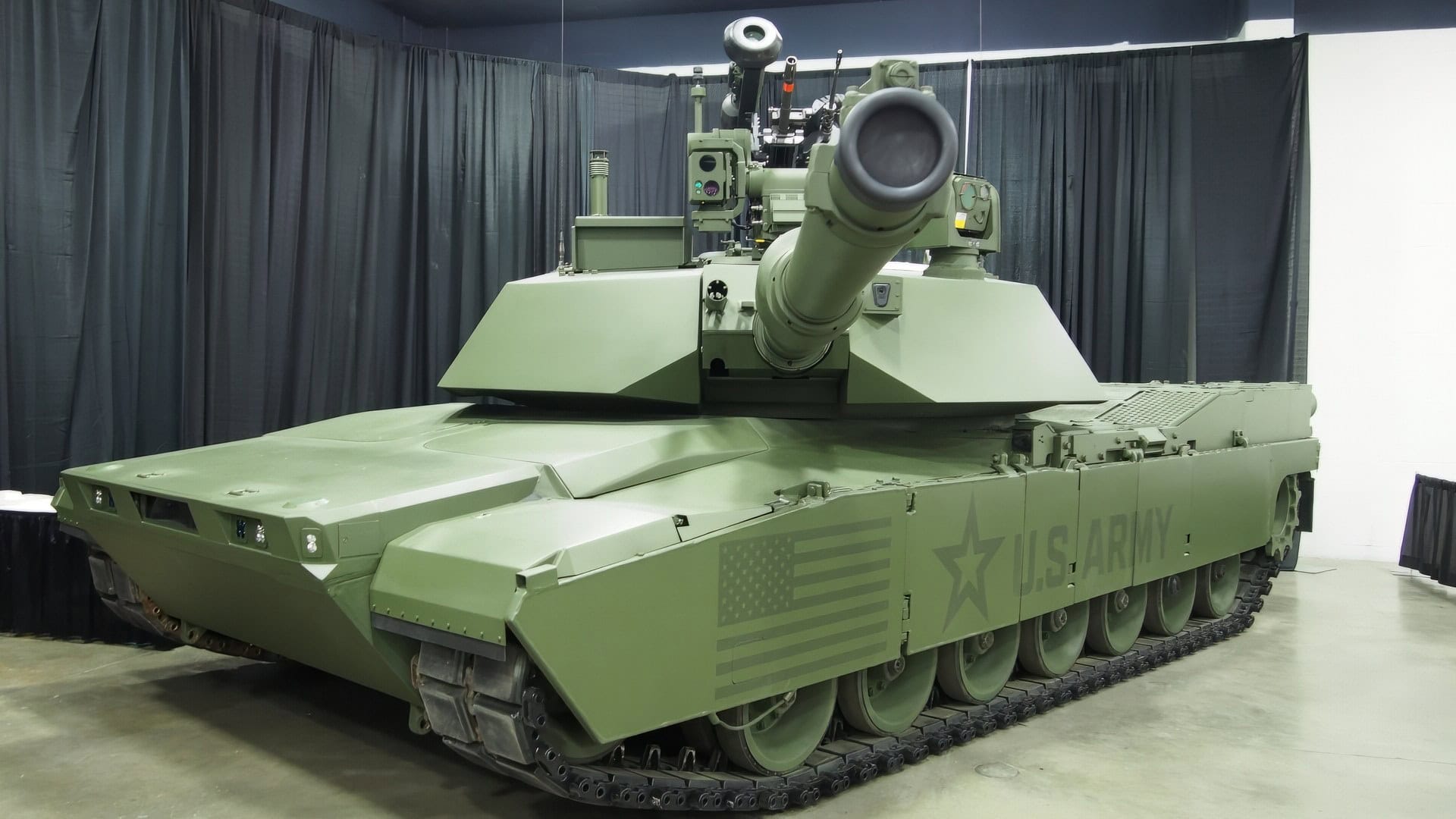
Photo taken on 1/17/2026 of the M1E3 Tank at the Detroit Auto Show. Image by 19FortyFive, All Rights Reserved.
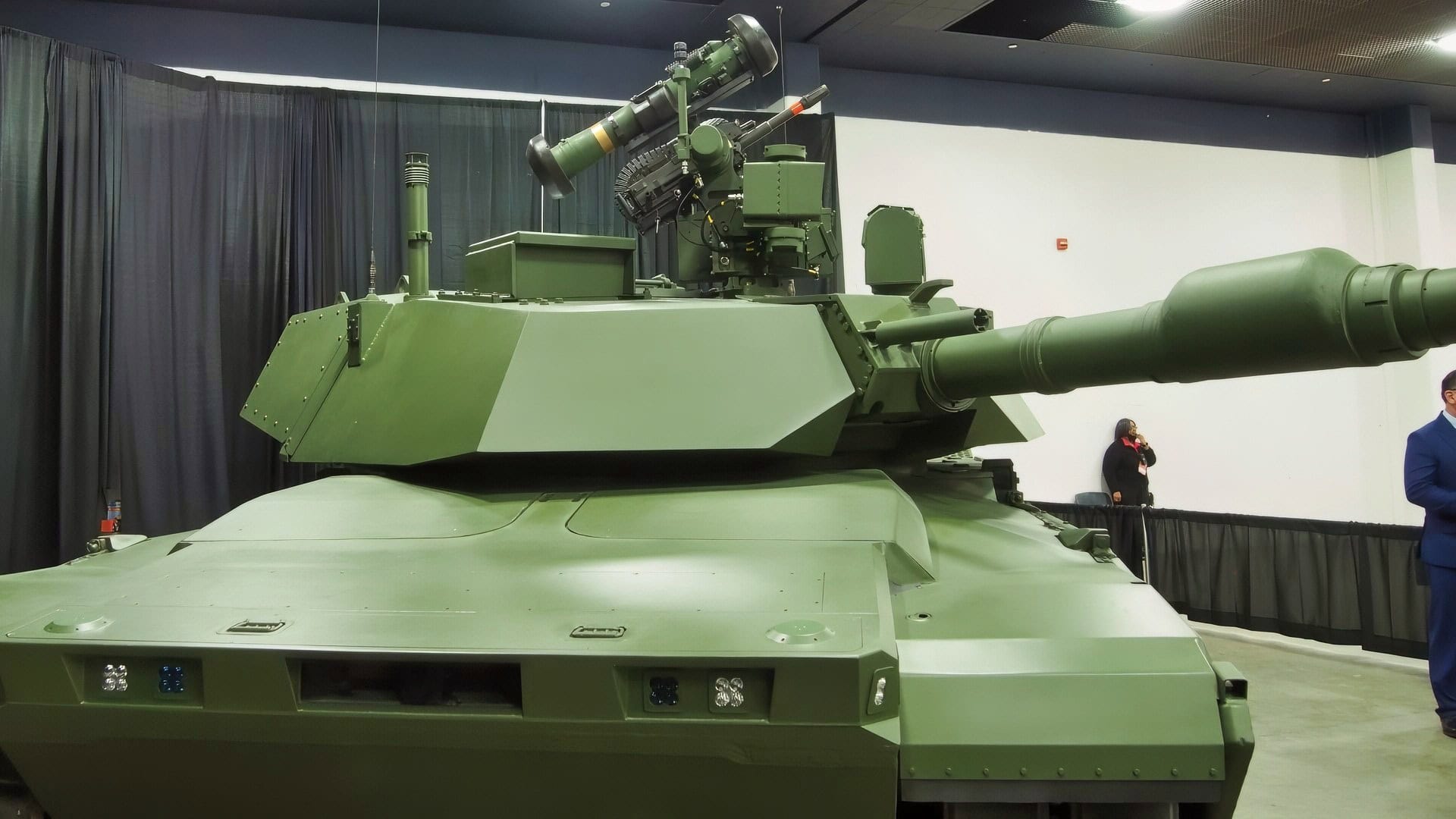
M1E3 Tank from the Detroit Auto Show. Photo Taken By 19FortyFive Staff on 1/17/2026.
George described how soldiers would be given an opportunity to train on the hardware and software that will ultimately become the official M1E3 platform and help inform decisions by engineers and planners over the coming years.
“When a vendor comes and says, ‘Hey, I’ve got something that’s better for active protection, there’s a better engine, there’s a lighter transmission to meet those specs.’ [Soldiers] could, you know, plug in and play in that,” George said.
The Army Chief of Staff also said that the strategy is to ensure that every possible risk has been “wrung” out.
While the White House is evidently keen to present the news as a victory, it’s important to note that the tank is not expected to officially enter operational service until well into the next decade. According to Army modernization documents, the service originally projected initial operational capability (IOC) in the early 2030s, with production and fielding ramping up through that period as testing concludes and system refinements are finalized.
The vehicles arriving in 2026 are transitional configurations, meaning they do not represent the final product and are designed to expedite feedback from soldiers. They will be usable and function largely as the final tank is expected to, giving soldiers an opportunity to see how it works on the battlefield and provide crucial feedback.
The Army is currently planning for a phased introduction of fully configured M1E3s over several years, gradually replacing older M1A2 Abrams variants.
What the Army Is Trying to Learn from M1E3 Abrams Tests
Beyond familiarizing crews with the hardware, officials say early exposure to M1E3 prototypes is designed to answer questions that cannot be resolved in simulation or engineering labs. The next-generation Abrams is the first to fully embrace open architecture and has a radically different design philosophy compared with previous variants, which makes testing more challenging.
The modularity of the tank and its software-defined systems mean that crews will be able to evaluate how well new digital vehicle controls and human-machine interfaces perform under realistic conditions – and crucially, how these systems interact with logistics and support structures designed for previous iterations of the tank.
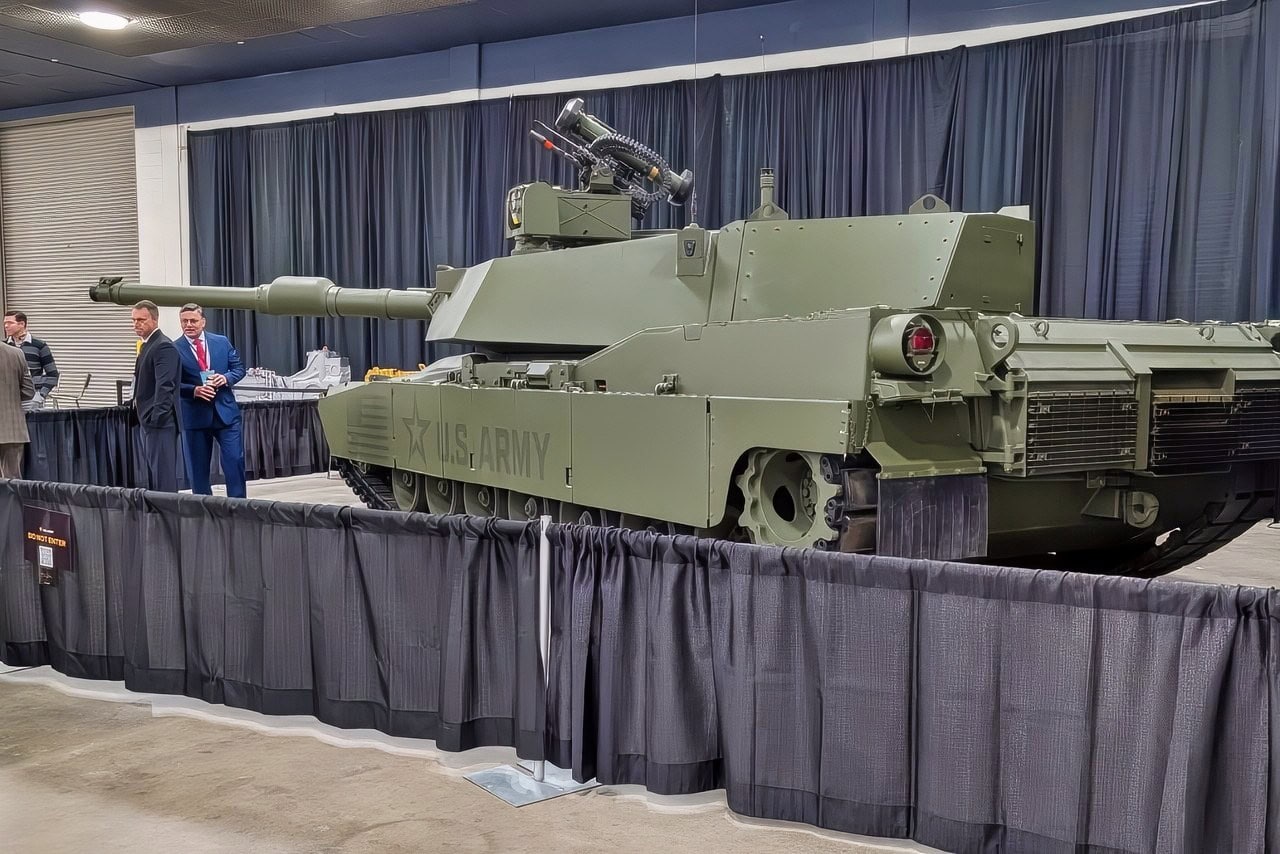
M1E3 Tank at the Detroit Auto Show. Image Credit: 19FortyFive.
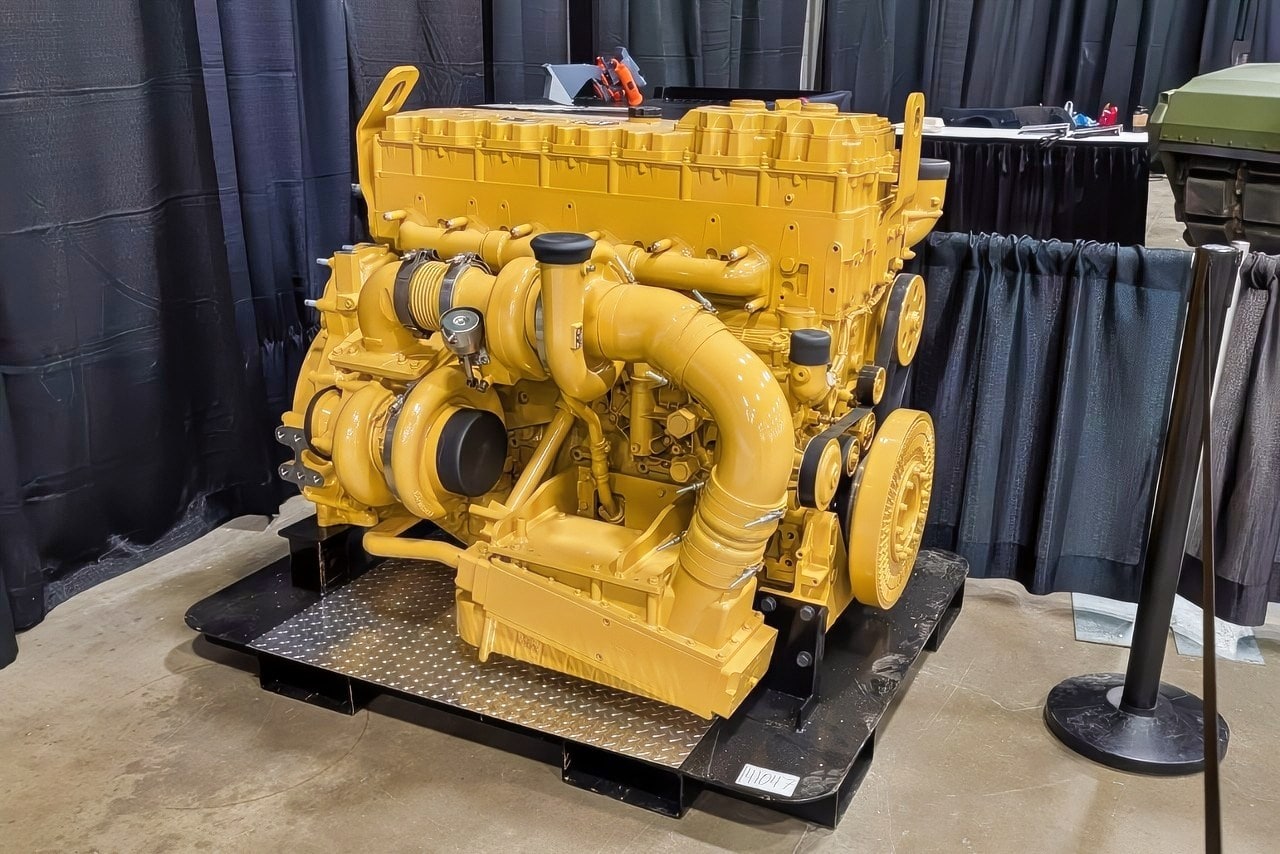
M1E3 Tank at the Detroit Auto Show. Image Credit: 19FortyFive.
So, more than simply telling designers what they like and don’t like, soldiers will generate data on operational friction points that may range from power disruptions to sustainment problems. All of that data will inform design choices for a platform ready for finalization.
The strategy is a deliberate shift from usual practice and is perhaps what the White House should focus on more than the idea that the project is truly five years “ahead.”
Tanks Learning From Recent Conflicts Like Ukraine and Drone Warfare
The urgency behind the M1E3 effort not only reflects the Trump administration’s stated plans to rapidly prioritize the military’s overall warfighting capability, but also lessons learned from recent conflicts – particularly in Ukraine. In the ongoing conflict, tanks have faced unprecedented threats from drones and precision artillery as battlefield dynamics rapidly change.
Those lessons have proven that armored vehicles must be able to rapidly integrate new sensors and electronic warfare systems as the threat profile evolves. Active protection technologies must also be refined, and platforms must be easier to fit with new protection as advancements are made.
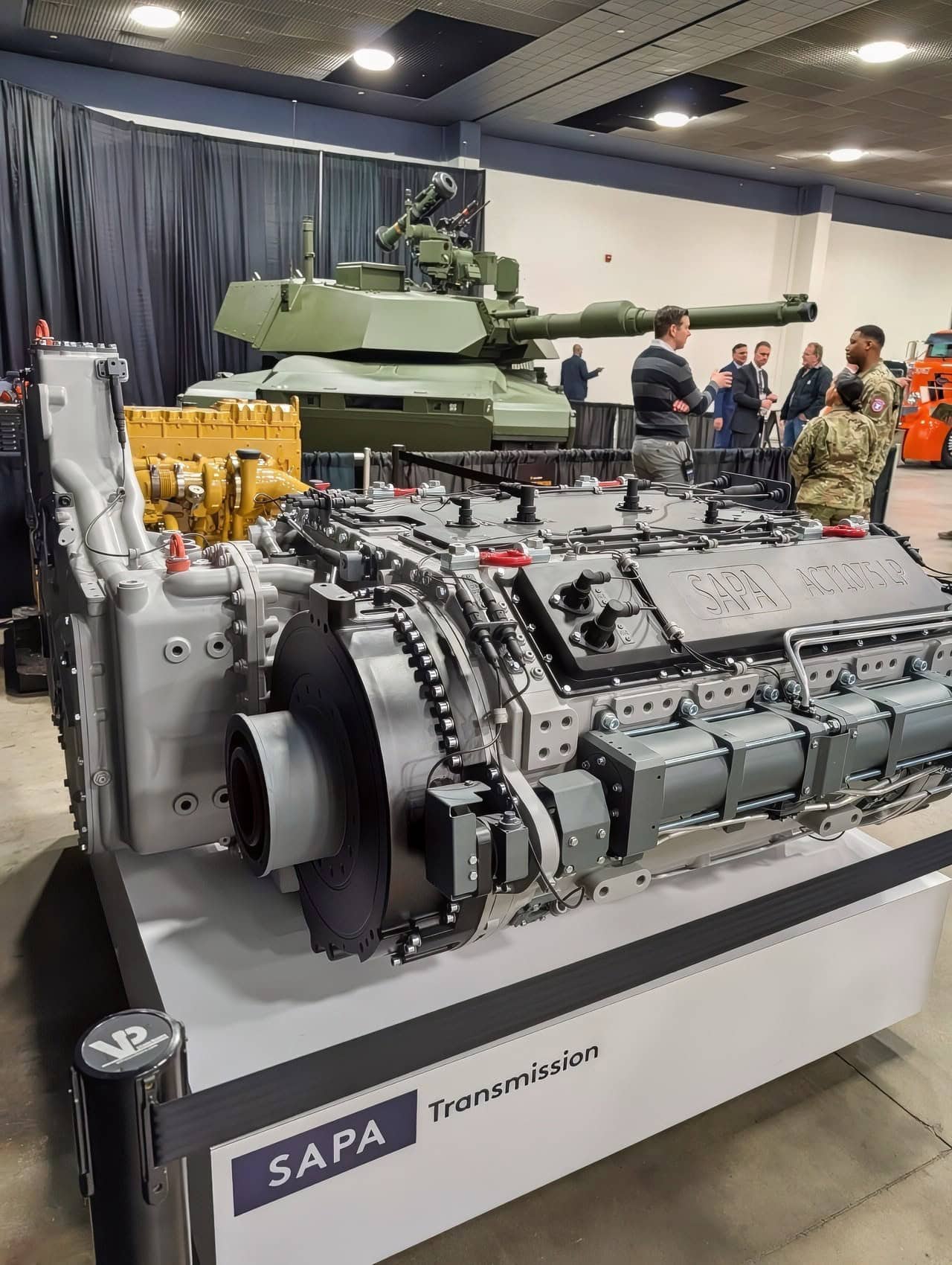
M1E3 Tank at the Detroit Auto Show. Image Credit: 19FortyFive.
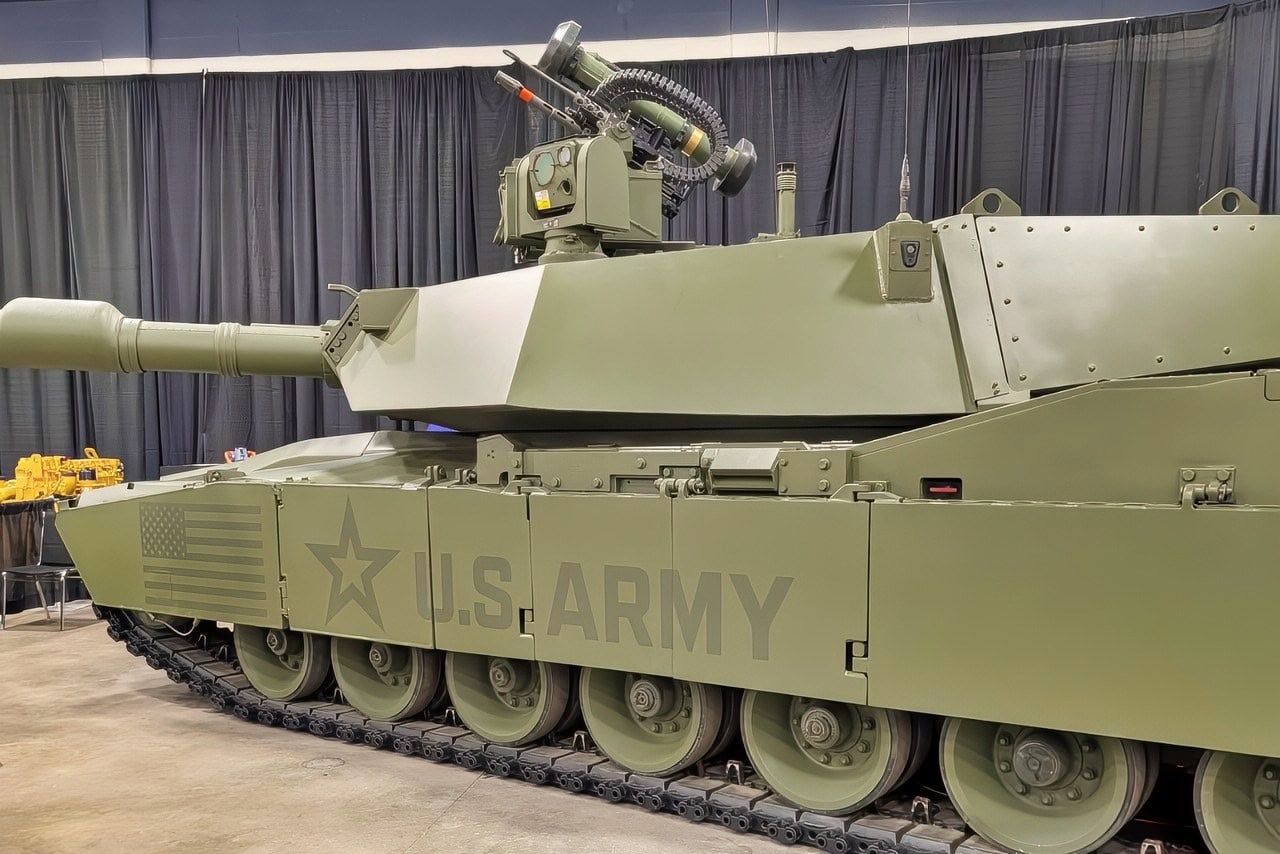
M1E3 Tank at the Detroit Auto Show. Image Credit: 19FortyFive.
For the U.S. Army, getting soldiers hands-on with M1E3 prototypes years ahead of formal service entry is really about buying time – seeing how new power systems work and how well they support growing demands from new hardware, and how modular armor performs against new threats. And indeed, it gives the Army a chance to test how software-defined vehicles like this perform in the field.
About the Author:
Jack Buckby is a British researcher and analyst specialising in defence and national security, based in New York. His work focuses on military capability, procurement, and strategic competition, producing and editing analysis for policy and defence audiences. He brings extensive editorial experience, with a career output spanning over 1,000 articles at 19FortyFive and National Security Journal, and has previously authored books and papers on extremism and deradicalisation.