

When the United States Army retired its light infantry tracked, protected vehicle (that carried a tank-sized gun), the M551 Sheridan, the Army was adrift.
It needed a replacement that could accompany infantry without bringing the massive logistical burden of an M1 Abrams.
Big Green believed it had found that in the proposed M10 Booker.
Canceled After 80 Units Were Built
But by 2025, the program was cut.
The decision terminated a vehicle that was supposed to have more than 500 units in its fleet.
Eighty of these systems were built by the time the Army canceled the project.
The Army unceremoniously ended the program for an age-old tale of Pentagon waste, inefficiency, and mismanagement. Evolving requirements complicated the system and drove cost overruns.
Weight was engineers’ biggest concern.
Namely, the M10 Booker required maximum armor while carrying the largest possible arsenal.
But that significantly increased the weight, meaning it stopped being a replacement for the M551 Sheridan and started looking like a small Abrams.
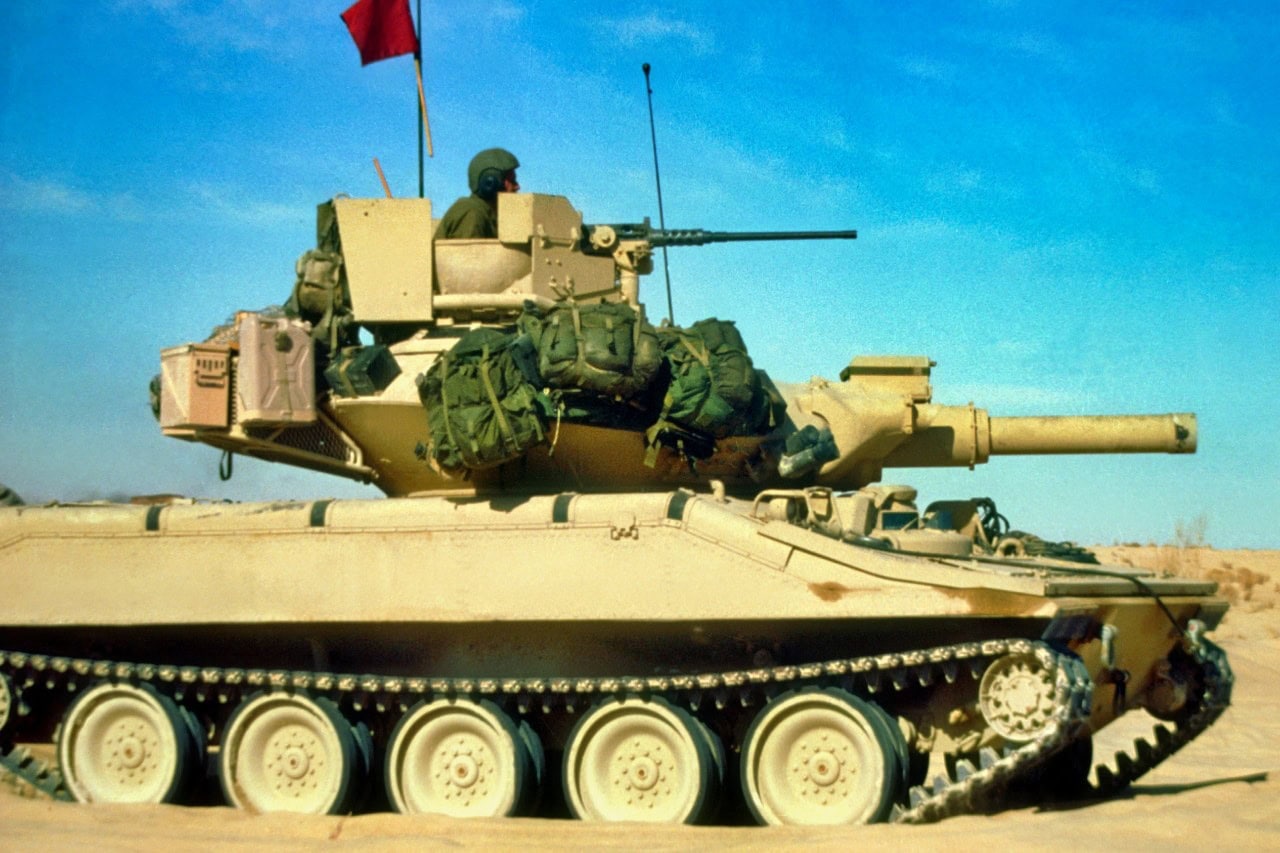
M551 Sheridan Light Tank. Image Credit: Creative Commons.
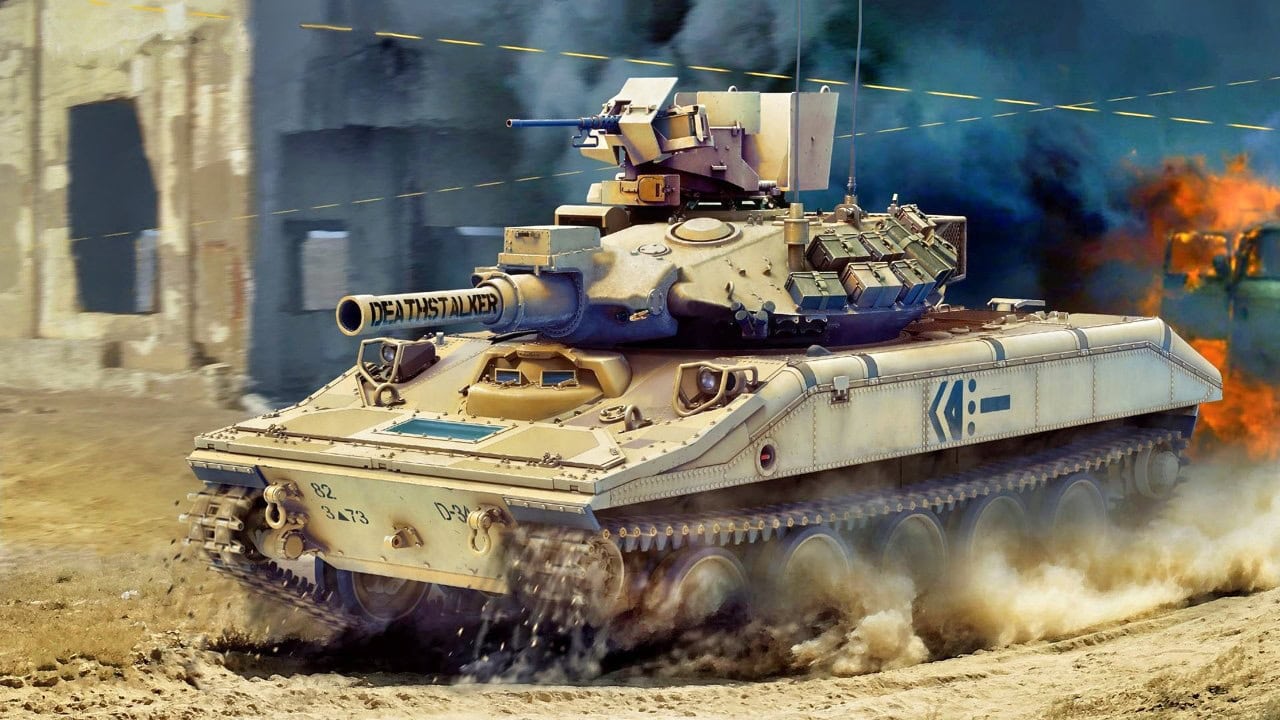
M551 Sheridan. Image Credit: Creative Commons.
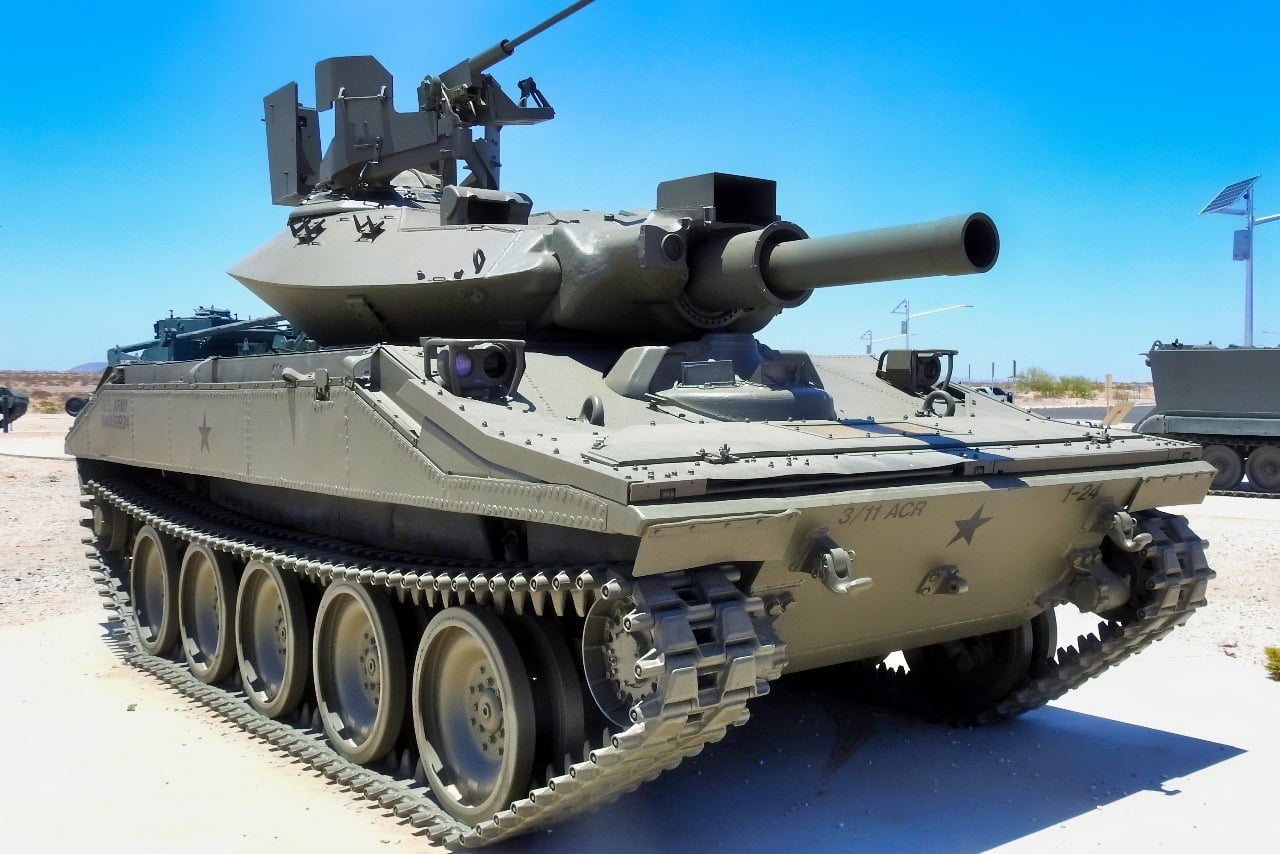
M551 Sheridan Light Tank. Image Credit: Creative Commons.
When the Army first conceived of the M10 Booker, Big Green wanted mobile firepower for its Infantry Brigade Combat Teams that could destroy bunkers, fortified positions, light armored vehicles, and enemy personnel.
So, the M10 carried a 105mm M35 cannon, a .50-caliber M2 machine gun, and a 7.62mm coaxial machine gun. It had a four-man crew, an 800-horsepower diesel engine, and a top speed of around 40 miles per hour.
General Dynamics Land Systems had been awarded a contract to develop this system in 2022 worth $1.14 billion.
A Disastrous Design Phase
During its design, the Booker became a 38-ton vehicle, meaning it was no longer a “light tank.” That added weight worked against the expeditionary role the Army wanted.
To be clear, the M551 Sheridan, which the M10 Booker was meant to replace, weighed just 17 tons. This new system weighed a stunning 38 tons.
No, it wasn’t as heavy as the 70-ton M1 Abrams. But it certainly wasn’t “light” by any definition of a “light tank.”
And because of the weight increase, the M10 Booker could not deploy from a C-130 transport.
The Army claimed that two vehicles could be transported aboard a C-17 Globemaster III.
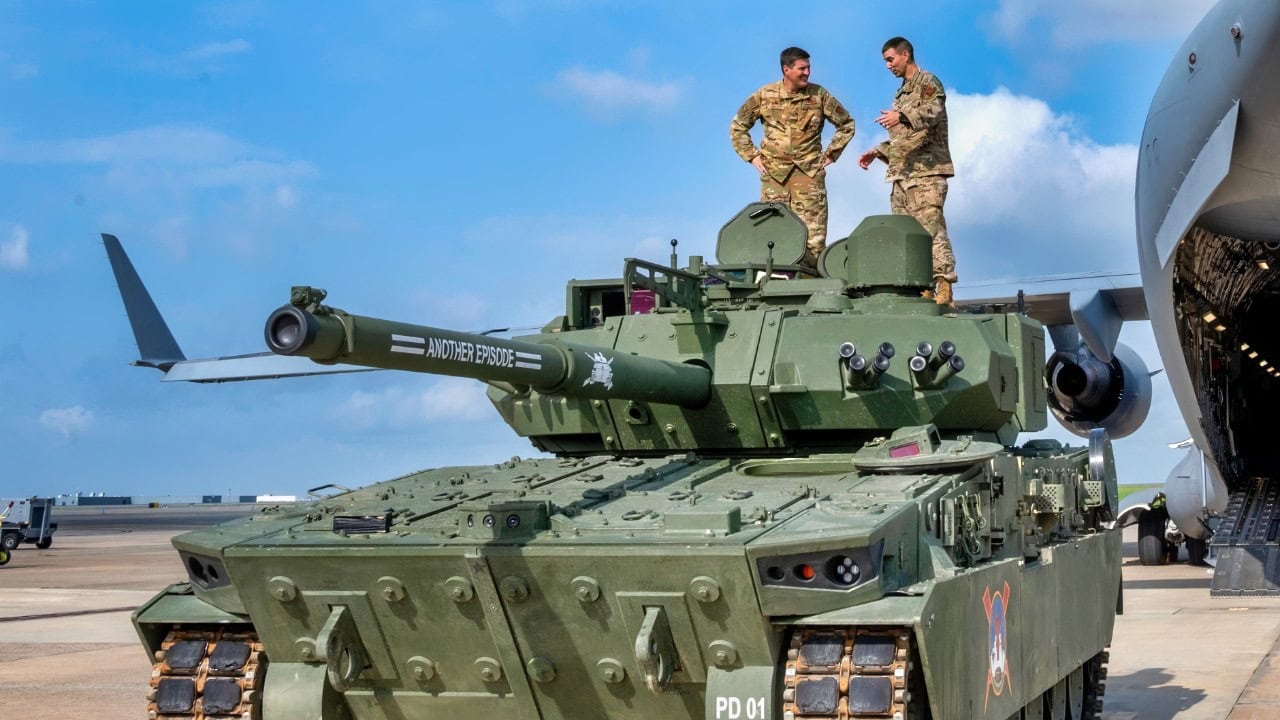
Members of the North Carolina Air National Guard assess an Army M10 Booker Combat Vehicle before it is loaded onto a C-17 Globemaster III aircraft, at the North Carolina Air National Guard base, Charlotte-International Airport, August 3, 2024. Portions of this photo were masked for security reasons. (U.S. Air National Guard photo by Staff Sgt. Reanna Hartgrove)
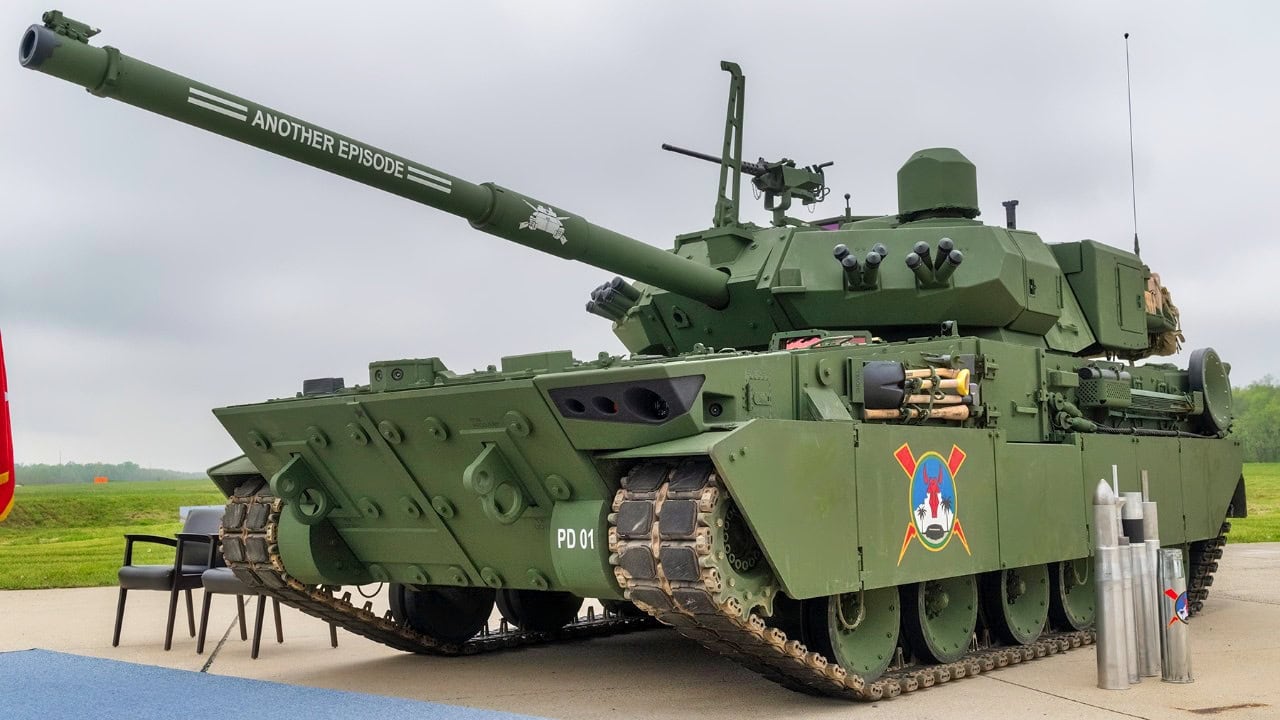
The M10 Booker displayed at it’s dedication ceremony at Aberdeen Proving Ground in Aberdeen, Md., April 18, 2024. As part of the dedication of the M10 Booker Combat Vehicle in their name, Pvt. Booker, a Medal of Honor recipient, and infantryman, assigned to the 133rd Infantry Regiment, 34th Infantry Division, during World War II, and Staff Sgt. Stevon A. Booker, a Distinguished Service Cross recipient, and tank crewman, assigned to Alpha Company, 1st Battalion, 64th Armor Regiment, 3rd Infantry Division, in support of Operation Iraqi Freedom, will be recognized and honored for their ultimate sacrifice, heroism and commitment to service and the country, represented by family members during the ceremony. (U.S. Army photo by Christopher Kaufmann).
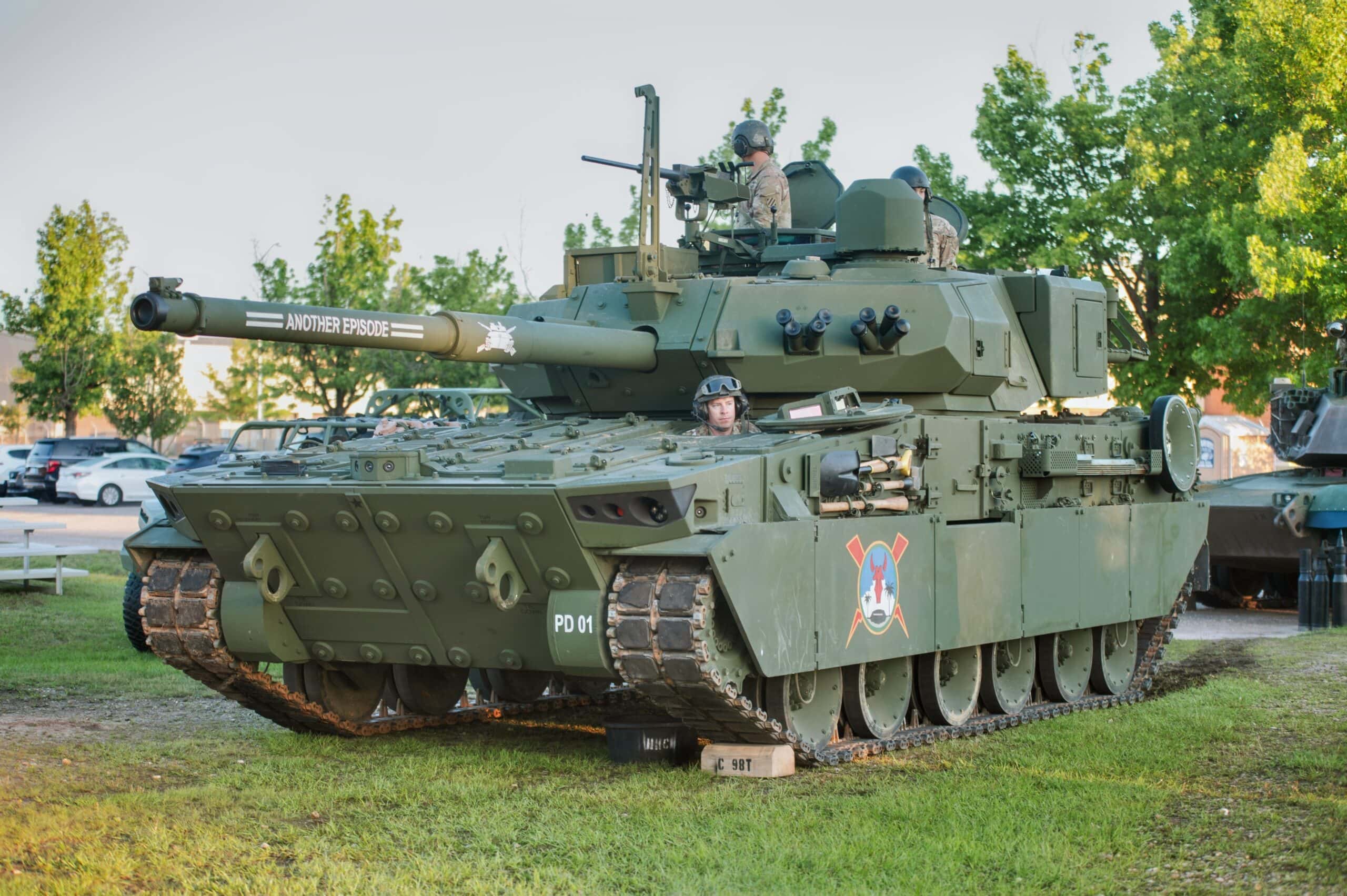
M10 Booker is part of a static display while a live segment for FOX and Friends is being filmed at Fort Liberty, N.C., May, 21, 2024. The M10 Booker Combat Vehicle is named after two American service members: Pvt. Robert D. Booker, who posthumously received the Medal of Honor for actions in World War II, and Staff Sgt. Stevon A. Booker, who posthumously received the Distinguished Service Cross for actions during Operation Iraqi Freedom. Their stories and actions articulate the Army’s need for the M10 Booker Combat Vehicle, an infantry assault vehicle that will provide protection and lethality to destroy threats like the ones that took the lives of these two Soldiers. (U.S. Army Photo by Sgt. Jacob Bradford)
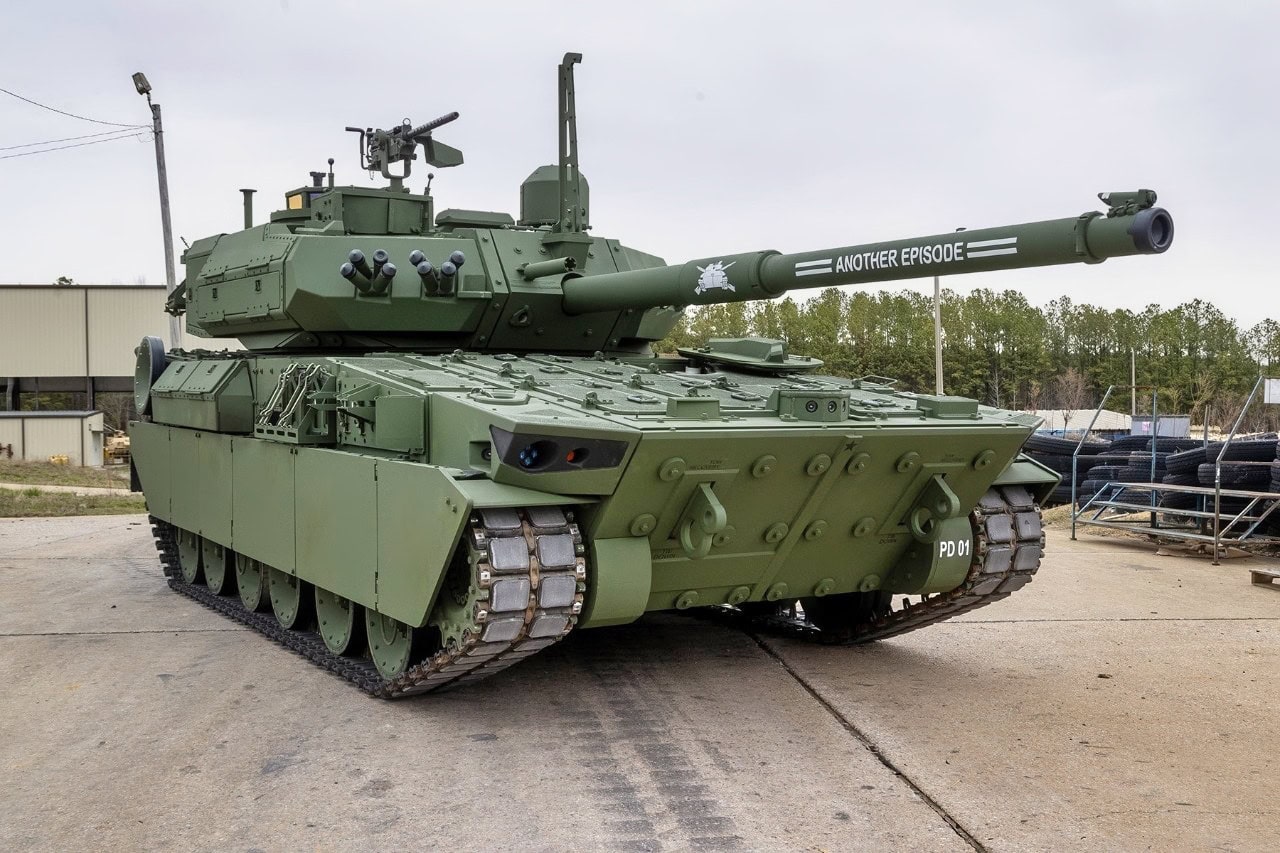
PD1 – Delivery of First Production Vehicle M10 Booker Combat Vehicle
Then the Air Force’s weight restrictions on its C-17s further undermined the two-Booker-per-C-17 concept, reducing the load to just one vehicle per C-17.
Then the M10 failed many weight inspections, including tests at Fort Campbell, Kentucky; the M10 Booker was too heavy for some bridges.
The M10 was supposed to move fast with light infantry, but field testing at Fort Campbell for the 101st Airborne showed it could not cross certain bridges because it was too heavy.
Then came complications with maintaining these systems.
Force News reported that contractual “right to repair” restrictions limited the Army’s ability to perform maintenance tasks itself, meaning the manufacturer might be required to send assistance to maintain the vehicles in theater.
That would also complicate the Army’s ability to rely on the platform under combat pressure. But it’d increase costs, since the Army would call the manufacturer any time the system needed repair.
Ukraine War Revealed How Ridiculous the M10 Booker Was
Plus, the war in Ukraine was underway, and it repeatedly showed that modern conflict had surpassed the Army’s designs for the M10 Booker.
Inexpensive drones, loitering munitions, mines, and even precision artillery were rendering armor’s classic role on the battlefield increasingly irrelevant.
These platforms were simply magnets for increasingly devastating enemy fire.
So, the M10 Booker would have been an expensive platform that ultimately did not meet the Army’s need for a light tank; it would have been difficult to maneuver into combat zones, and the M10 Bookers would have been hard to maintain.
The machine did not match the mission.
The Army yearned for Abrams-like direct-fire support without the Abrams-like logistical footprint, without ever realizing that the Abrams logistical footprint existed for a precise reason.
Big Green then wanted protection without excessive weight, heavy firepower without heavy infrastructure, and an armored vehicle that could keep pace with formations built around rapid deployment.
The system was designed to perform tasks that were at odds with each other.
The M10 Booker Is Now On Display
And here’s the real kicker: the 105mm gun and modern optics meant the Army was getting more direct firepower than the M551 Sheridan ever had.
The M10 Booker failed less because of that 105mm gun and more because of the complex evolutions the Army added to the design process.
By the time the Booker left the design phase, it was basically a mini tank. That isn’t what the Army wanted or needed.
That’s why the Army ultimately canceled the platform, despite having already built 80 units.
And the saddest news of all: the M10 Booker is already on display in what amounts to a museum. Yes, an M10 Booker is on static public display at the U.S. Army Armor and Cavalry Collection at Fort Benning, Georgia. You would need to get access to the base by requesting a pass and go when the museum is open to the public, but still, what a way to go out.
About the author: Brandon J. Weichert
Brandon J. Weichert is the Senior National Security Editor at 19FortyFive.com. He also manages The Weichert Brief on Substack. Weichert also hosts “National Security Talk” on Rumble. He is the author of four bestselling national security books, most recently A Disaster of Our Own Making: How the West Lost Ukraine (Encounter Books). Follow him via Twitter/X @WeTheBrandon.