
The US Is Leaving Iraq and the Iran-Backed Militias Are Staying
 Alexandra Reeves
The US Is Leaving Iraq and the Iran-Backed Militias Are Staying
September 30 is supposed to be Iraq's sovereignty day. That's when the Global Coalition to Defeat Daesh ends its military mission, the last American troops head for the exits, and Baghdad finally gets to claim it owns its own security. Prime Minister Ali al-Zaidi called the date "fixed and final" this week after meeting CENTCOM commander Adm. Brad Cooper, and a US official promptly confirmed Washington is on schedule. Everyone gets to call it a success.
Nobody should. Because the hardest part of the story — the Iran-backed militias that have already refused to disarm — is exactly the part the American departure doesn't solve. It might make worse.
A 23-Year Presence, Wound Down in Seven Weeks
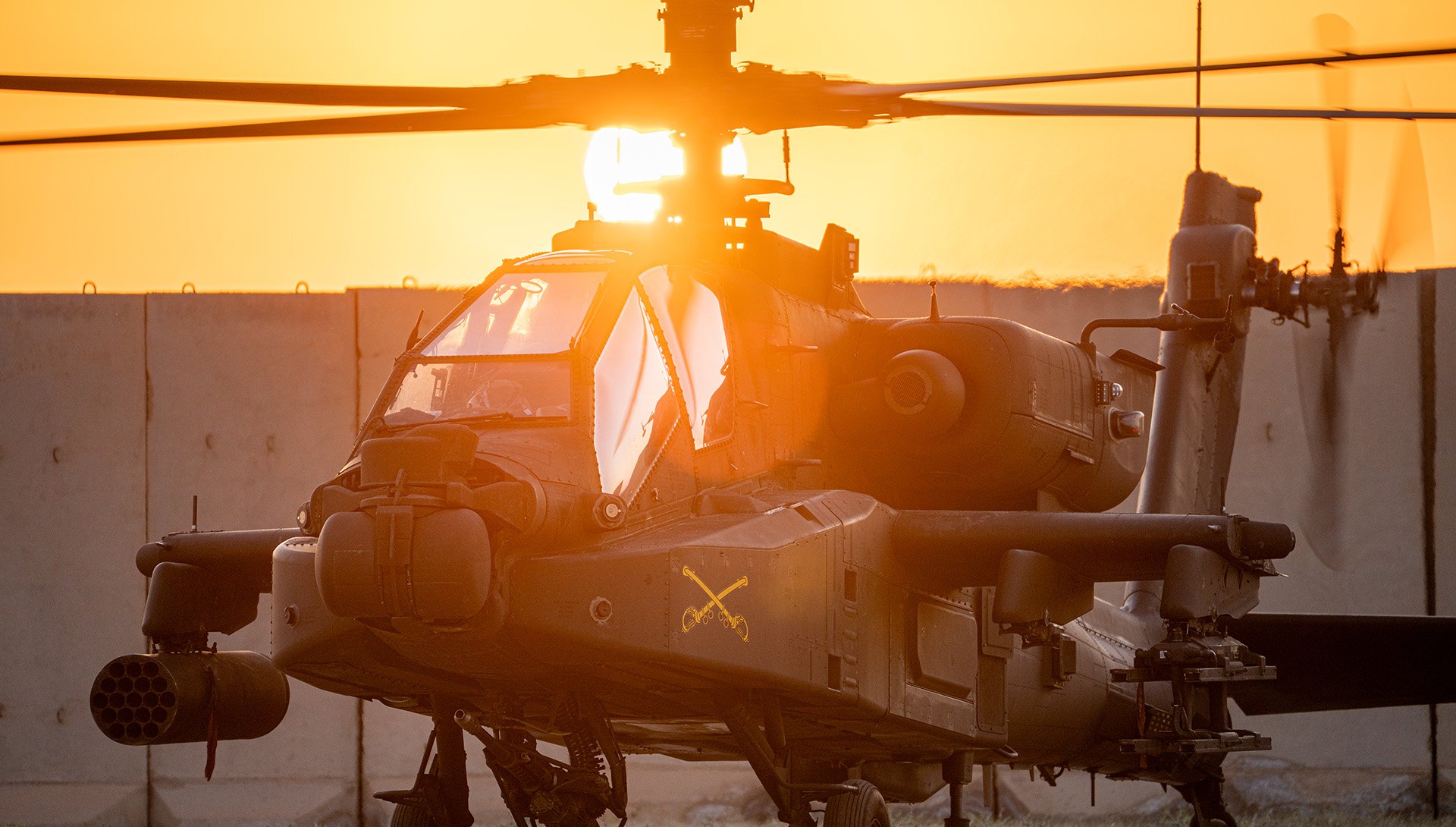
The scale of what's ending is worth a moment. At the height of the counterinsurgency, the United States had more than 170,000 troops in Iraq. The force leaving now numbers around 2,500, according to The Media Line, most of them in the Kurdish region after US units pulled out of bases across the rest of the country last year. Personnel and equipment began departing Erbil about three weeks ago.
This was never a snap decision. Baghdad and Washington agreed back in 2024 to wind down the anti-ISIS mission, and the September 30 deadline completes that timeline. The US left Iraq in 2011, came back in 2014 when ISIS seized a third of the country, and has spent the past decade insisting it would stay as long as needed. Al-Zaidi's government just set the date Washington could never bring itself to choose: seven weeks from now, October 1 begins a "new phase" in which Iraqi security forces carry exclusive responsibility for national defense.
The Disarmament Bet
Here's the uncomfortable part. Al-Zaidi has tied the coalition exit to a second deadline on the same day: September 30 for armed groups outside state control to hand over their weapons. The logic is elegant — once the foreign soldiers are gone, the militias lose their standing justification for keeping private armies. Iraqi officials have framed the post-October 1 Iraq as one where the state holds a monopoly on weaponry, period.
The problem is that the militias in question have heard this argument before, and they're not buying it. Kataib Hezbollah and Harakat al-Nujaba — the most powerful of the Iran-aligned factions operating inside or alongside the Popular Mobilization Forces — have rejected disarmament outright, according to Iraqi News. They answer to Tehran's strategic interests, not to Baghdad's sovereignty speeches. The PMF is not a monolith; plenty of its components are negotiating integration. But the factions that matter most for the region's stability have said no, and nothing in the withdrawal agreement changes their calculus.
Al-Zaidi is betting that removing the foreign presence removes the excuse. That's a bet with no history working in his favor. Every armed group in Iraq that has ever been asked to disarm by a weak central state has found a reason to keep its weapons. What changes on October 1 is not the militia's willingness to fight — it's the absence of the army that used to sit between them and their targets.
Why the Timing Matters
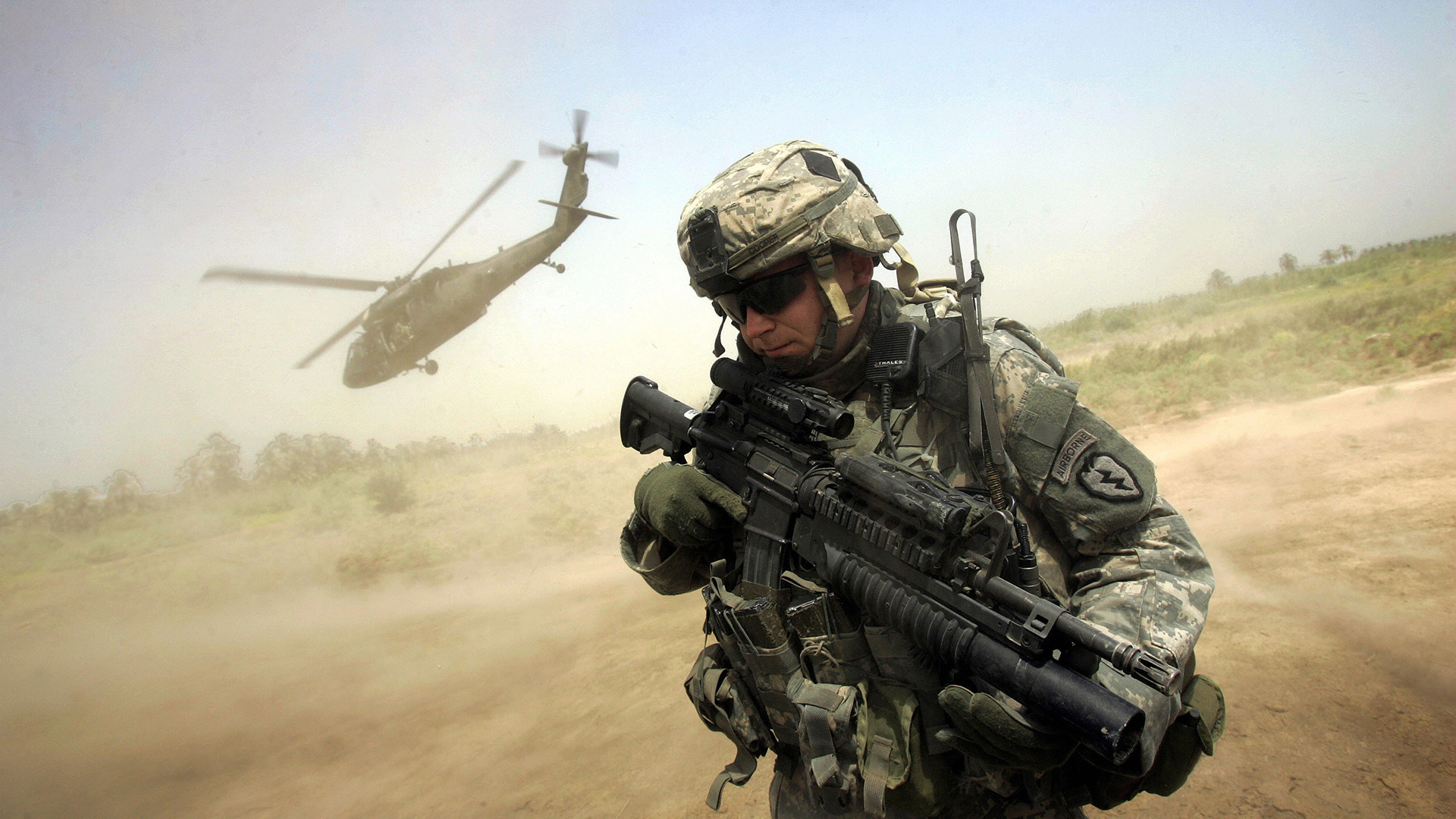
Here's the context too many headlines are skipping: this withdrawal is happening while Washington is still fighting a war with Iran. The militias the Iraqi state cannot disarm are the same forces that have been striking US targets and, per Iraqi News, launching attacks from Iraqi soil that jeopardized Baghdad's rapprochement with Saudi Arabia and drew foreign strikes inside Iraq. The US is leaving mid-conflict — which means it's also leaving its leverage, the physical presence that made the militias' weapons an urgent problem for Tehran's interests.
Al-Zaidi's own messaging is a tell. He has told Washington, Paris, and anyone else listening that Iraq "will not allow attacks on its neighbors from its territory," per reports Wednesday. That promise is aimed at Riyadh and Ankara as much as at Washington — an attempt to reassure nervous investors that a militia-free Iraq is coming. But the militias aren't part of that assurance. They're the reason it has to be made at all.
The Afghanistan Echo Nobody Wants to Say Out Loud
The US official's statement this week could have been written in 2021: "Now the Iraqi security forces, including the Peshmerga and other Iraqi Kurdistan Region security forces, will lead the fight against terrorists in Iraq." That is almost word-for-word the Kabul script — local forces will handle it, our work here is done, and the coalition can be proud on the way out.
The differences matter, though. Iraq is not facing a Taliban-style insurgency with momentum; ISIS is degraded, not ascendant, and the coalition did help build a real Iraqi security apparatus. And unlike Afghanistan, Iraq's problem isn't a hostile takeover from outside — it's that the state's own security structure contains armed factions whose loyalty runs to Tehran. You cannot outlast that problem with a withdrawal date, and you cannot outsource it to a handover ceremony.
The Real Deadline
So here's what to watch after October 1. The handover of coalition sites in the north is already underway. The first real test won't be whether the Iraqi flag flies over a former US base — that's the easy part. It's what happens the first time Baghdad actually tries to collect weapons from Kataib Hezbollah, and what Tehran tells its proxies to do in response. Watch for a militia provocation timed to prove that "the resistance" survives the coalition's exit — the one thing that would make Al-Zaidi's sovereignty day look like a fiction in real time.
Everyone in Washington will call this a victory lap: the war that started in 2003, ended on schedule, on Iraqi terms, without a collapse. That framing is available to anyone who wants it. But the US is walking out of Iraq during a war with Iran, leaving armed groups inside the state that refused to disarm, and calling the handover "sovereignty." Sovereignty gets declared on paper October 1. It gets tested the day Baghdad tries to take a rocket launcher from a militia that doesn't answer to it.
That day isn't in the withdrawal agreement. It's coming anyway.
The U.S. military is set to withdraw from Iraq by September 30, 2024, reducing its presence from 2,500 troops. Iran-backed militias, including Kataib Hezbollah and Harakat al-Nujaba, have refused to disarm, raising concerns about Iraq's security post-withdrawal. Prime Minister Ali al-Zaidi has linked the U.S. exit to a deadline for these militias to surrender their weapons, but their compliance remains uncertain. This withdrawal occurs amid ongoing conflicts involving Iran.
- U.S. military presence in Iraq reduced from 170,000 to 2,500 troops.
- The withdrawal is scheduled for September 30, 2024.
- Iran-backed militias have refused to disarm despite the U.S. exit.
- Prime Minister Ali al-Zaidi has set a deadline for armed groups to hand over weapons.
- The withdrawal occurs amid ongoing tensions with Iran.