

Self-sliding into the designated runway
Automatically matching the best taxiing parameters
“High Aspect Ratio” wings……
What secrets does our domestically produced new type of drone, Rainbow-7, hold?
Come on! Show us ↓
How hardcore is the intelligent flight control of Rainbow-7?
A certain airport in the northwest
Our domestically produced new type
High-altitude, high-speed, high-survivability drone
Rainbow-7
is undergoing the last full-system “check-up” before takeoff
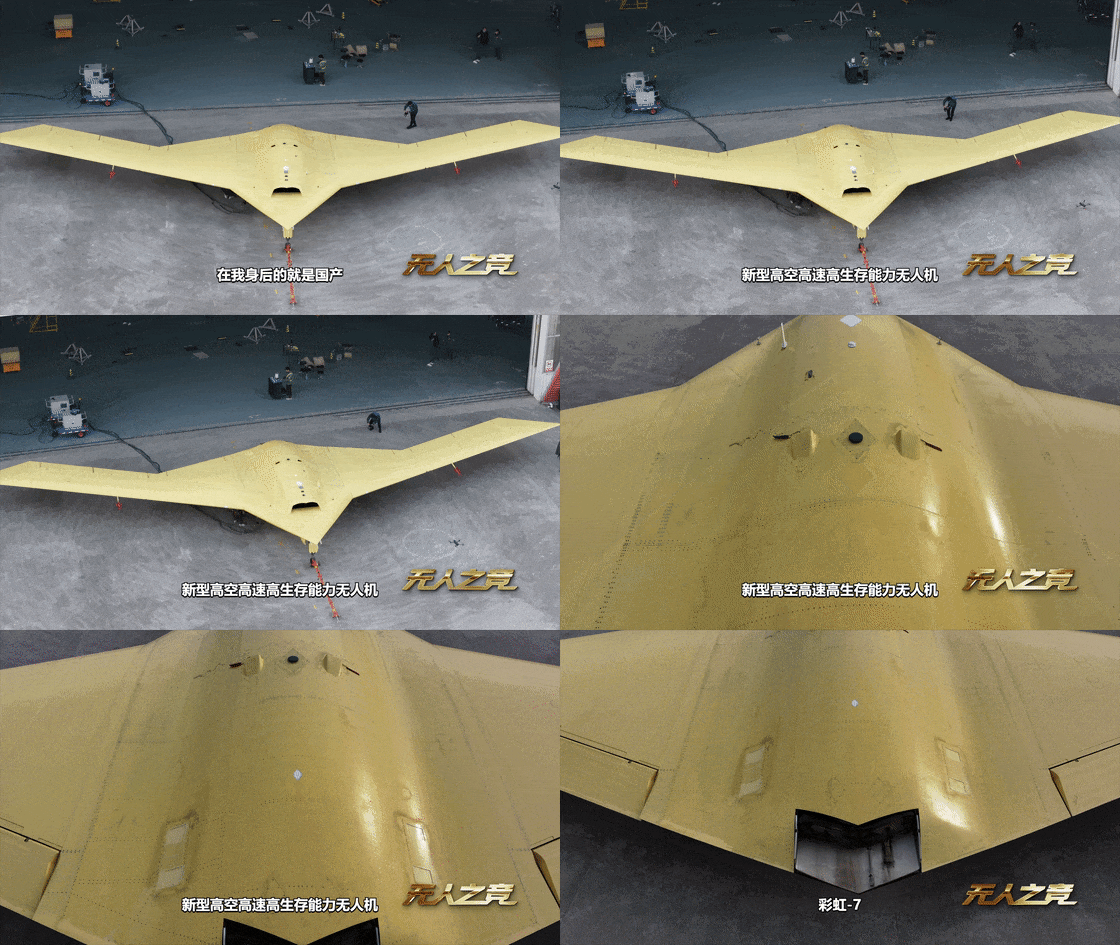
All test data is normal
The command system issues the “allow taxiing” instruction
Rainbow-7 initiates its autonomous program
Sliding into the designated runway without any personnel control
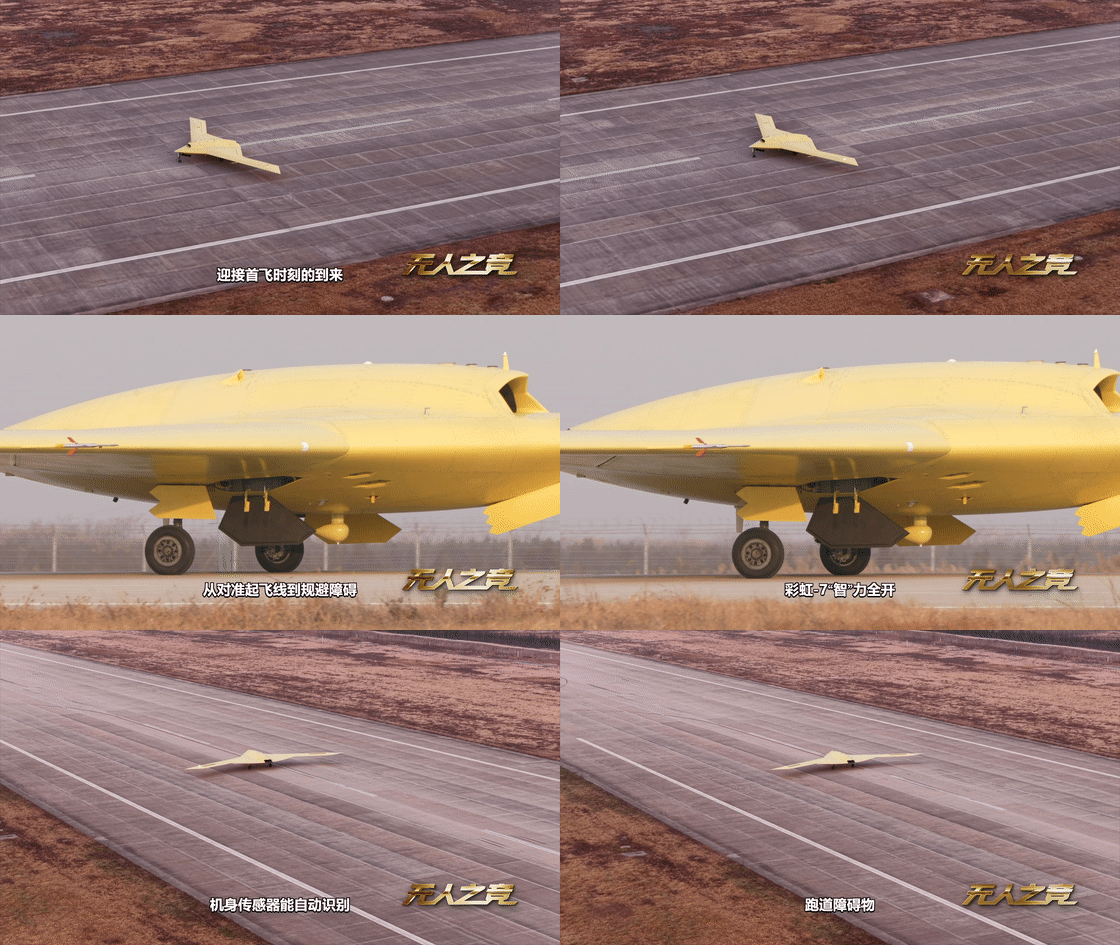
From aligning with the takeoff line to avoiding obstacles
Rainbow-7’s intelligence is fully activated
The body sensors automatically identify runway obstacles
The flight control system real-time calibrates the taxiing posture
The self-check system operates at high speed
Automatically matching the best taxiing parameters
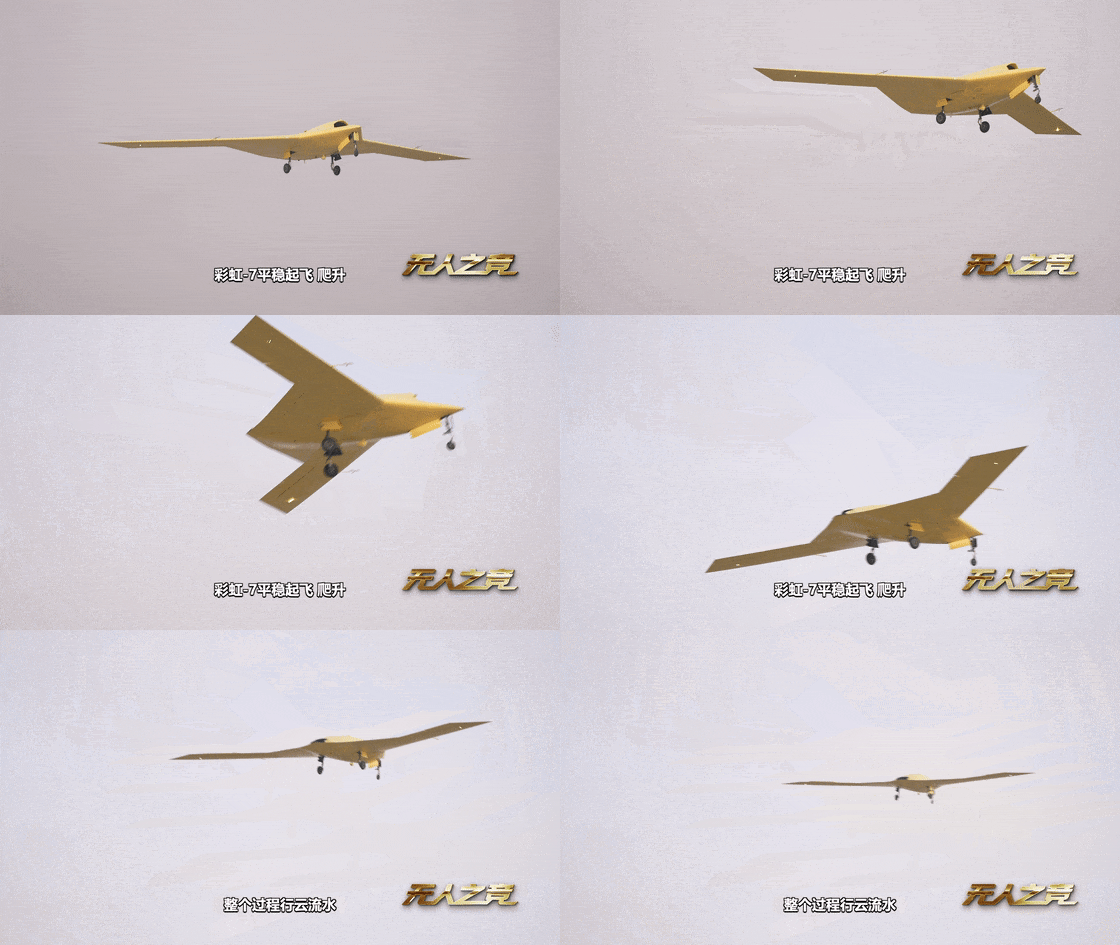
With the change in roar
Rainbow-7 accelerates and taxis
Taking off smoothly and climbing
The entire process is seamless
The intelligent flight control technology is very hardcore
High lift, low drag
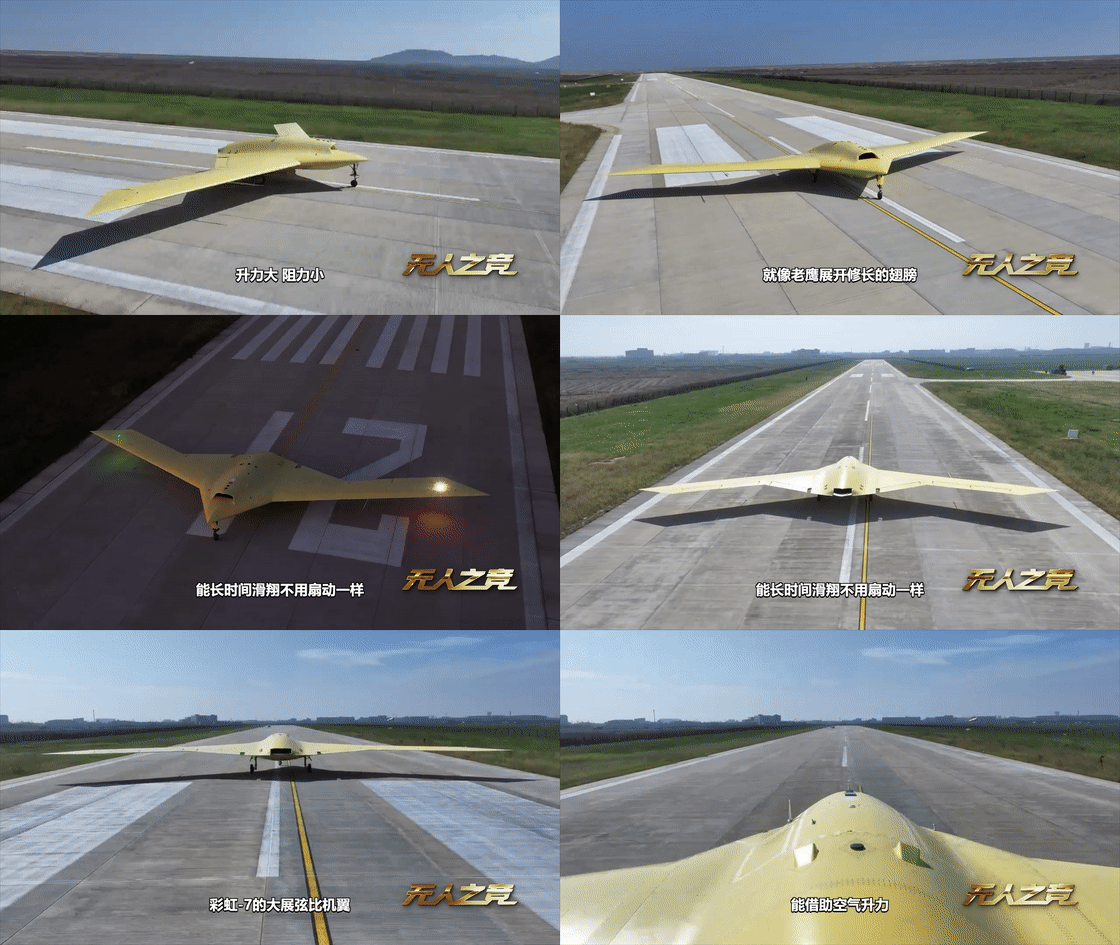
Rainbow-7’s “High Aspect Ratio” assists flight
The Rainbow-7 drone
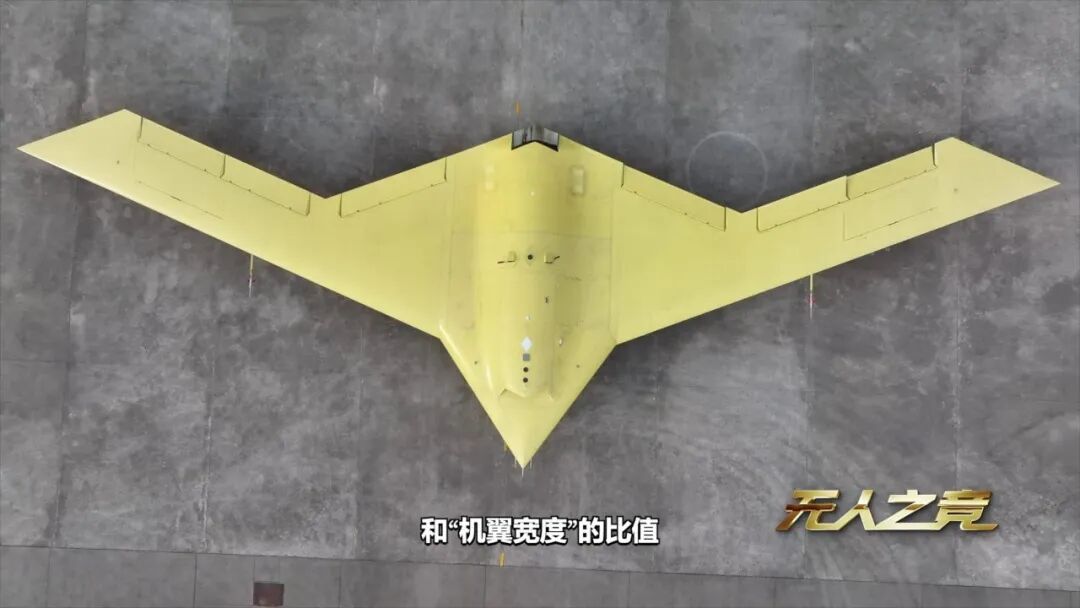
Features “High Aspect Ratio” wings
Aspect ratio, as the name suggests,
is the ratio of “wing length” to “wing width”
The larger the ratio, the more “elongated” the wing
This is a special design for the wings
And it is key to the drone's endurance
Like an eagle spreading its long wings
It can glide for a long time without flapping
Rainbow-7’s “High Aspect Ratio” wings
Provide high lift and low drag
Utilizing aerodynamic lift
With lower fuel consumption
It can stay in the air for dozens of hours
And the low drag design
Allows it to efficiently overcome air resistance
In addition
Rainbow-7 has ailerons, flaps
And serrated horizontal tail fins
Installed from the wingtips to the rear of the fuselage
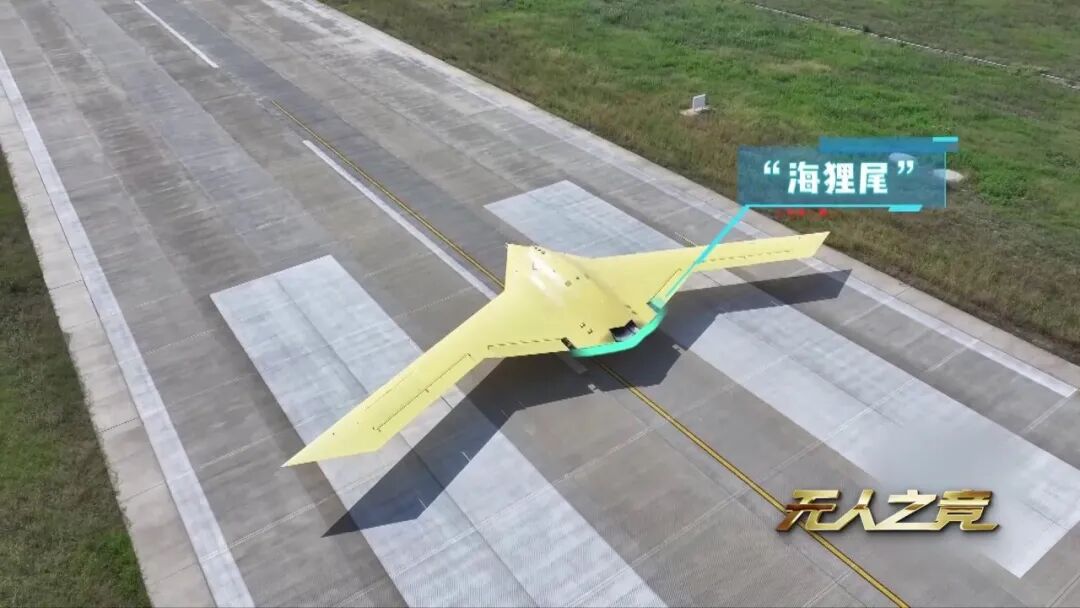
This tail fin is vividly called the “beaver tail”
It helps the aircraft counteract turbulence caused by vertical gusts during low-altitude flight
And can shorten
The taxiing distance before takeoff
At the same time
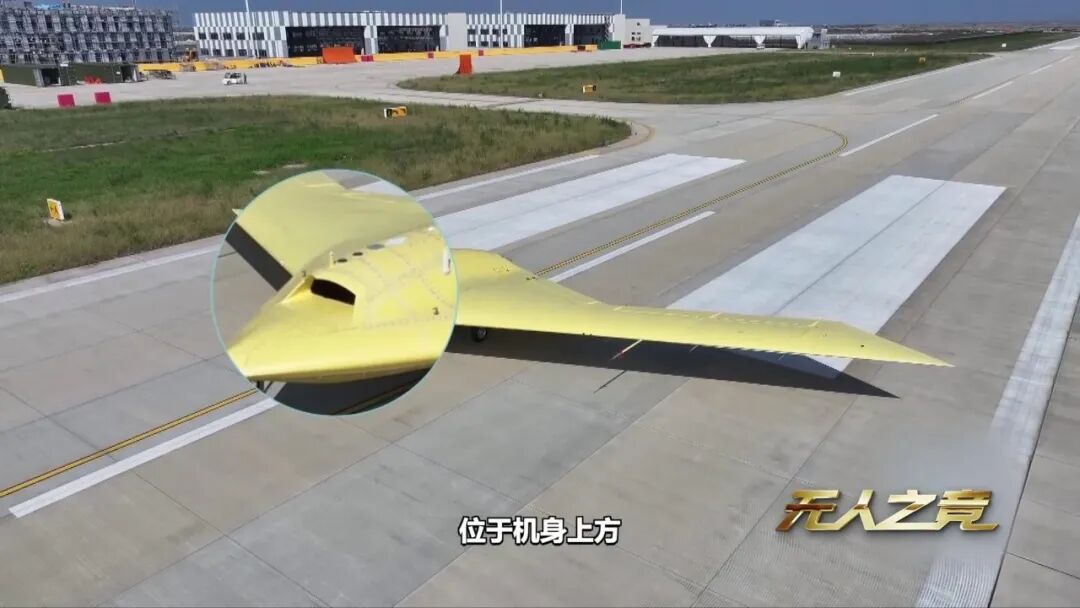
The engine air intake of Rainbow-7
Is located above the fuselage
The aircraft has a smooth and beautiful shape
The overall design is simple and clear
Netizens:
“Appearance is combat power”




Intelligent flight control, aerodynamic ingenuity……
These “invisible skills”
Are lifting the domestic drone higher in the blue sky
Flying farther and more steadily
Source: CCTV Military Comprehensive CCTV-7 “Competition of Drones”
The Rainbow-7 drone is undergoing a final system check at a Northwest airport, showcasing its autonomous flight capabilities and advanced technology. It is designed for high-altitude, high-speed operations, featuring a large aspect ratio wing that enhances efficiency and stability during flight. The drone's design allows for extended flight duration with lower fuel consumption, demonstrating significant advancements in UAV technology.
- The Rainbow-7 drone is undergoing a final system check at a Northwest airport.
- It features advanced autonomous flight control technology.
- The drone is designed for high-altitude, high-speed operations with a large aspect ratio wing for efficiency.
- The design includes features to enhance stability and reduce takeoff distance.