
Trump Again Says Iran Conflict Will "End Soon" as Multiple US Military Aircraft Arrive in Israel
As the U.S. midterm elections in November approach, reports have emerged that the U.S. may resume military strikes against Iran after the elections.
On the 29th, U.S. officials and informed sources revealed that General Brad Cooper, commander of the U.S. Central Command, reported military action options against Iran to President Trump. However, Trump has not yet made a final decision on whether to take military action against Iran.
Meanwhile, U.S. Vice President Pence has reportedly sent a letter to Iran, attempting to restart U.S.-Iran negotiations. As of now, Iran has not formally responded. However, according to Iran's Tasnim News Agency, Iran insists on seven conditions that the U.S. must meet.
U.S. President listens to reports in the White House; U.S. military actions in the Middle East are frequent
△Video丨U.S. military officials report military options against Iran to Trump
According to U.S. officials and informed sources, attending the White House meeting with General Brad Cooper on the 29th were U.S. Secretary of Defense Mark Esper, Chairman of the Joint Chiefs of Staff General Mark Milley, and other officials.
Two days before the outbreak of hostilities in February, Trump had received a personal briefing from Cooper
It is noteworthy that General Brad Cooper, who participated in the briefing to President Trump, rarely reports directly to Trump. Just days before the briefing, Cooper flew over the Strait of Hormuz by helicopter to gain firsthand knowledge of the current operational environment.
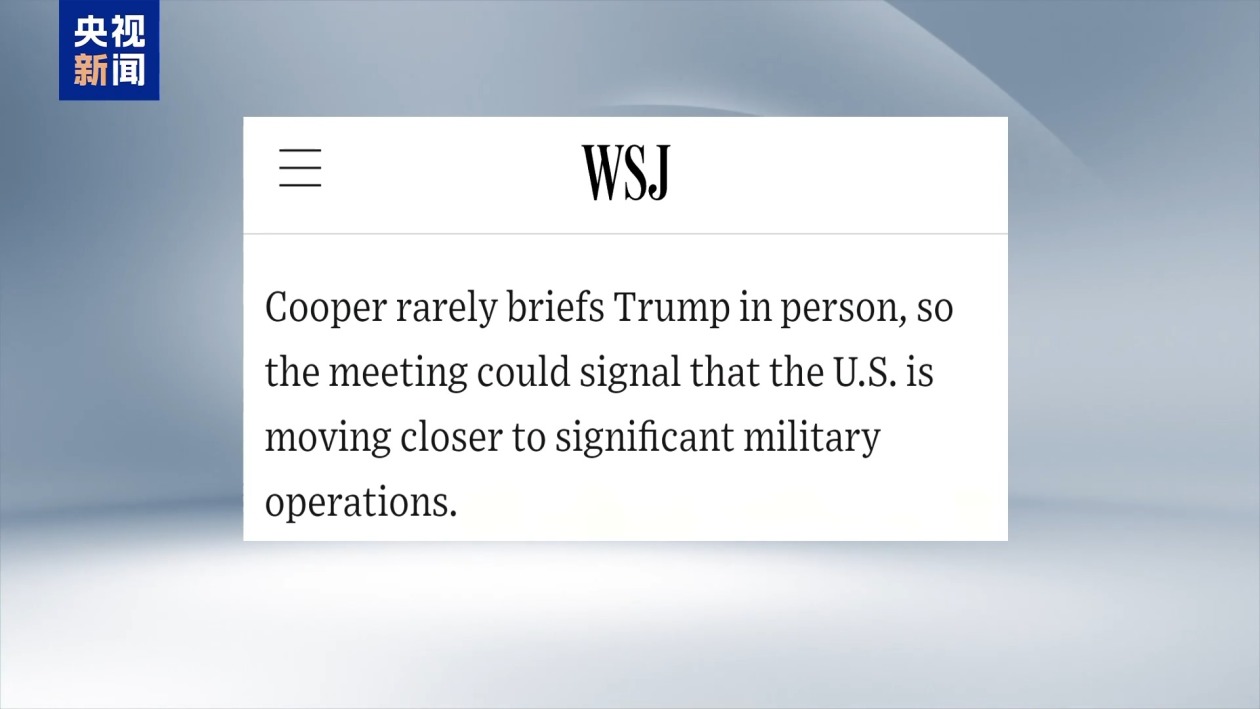
△The Wall Street Journal: Cooper's personal briefing to Trump may indicate that the U.S. is moving closer to a significant military operation.
According to the initial report by The Wall Street Journal, as the commander of all U.S. forces in the Middle East, Cooper had briefed the president in person on February 26, and two days later, hostilities with Iran broke out.
However, the U.S. government has not officially confirmed this briefing. President Trump continued to reiterate on the 30th his previous statement that "the Iran conflict will end soon."
Trump speaks again: The Iran conflict will "end soon"
On the 30th local time, President Trump stated in an interview with a local radio station in Kansas City, Missouri, that the Iran conflict will "end soon". The U.S. needs assurance that "Iran will never have nuclear weapons."
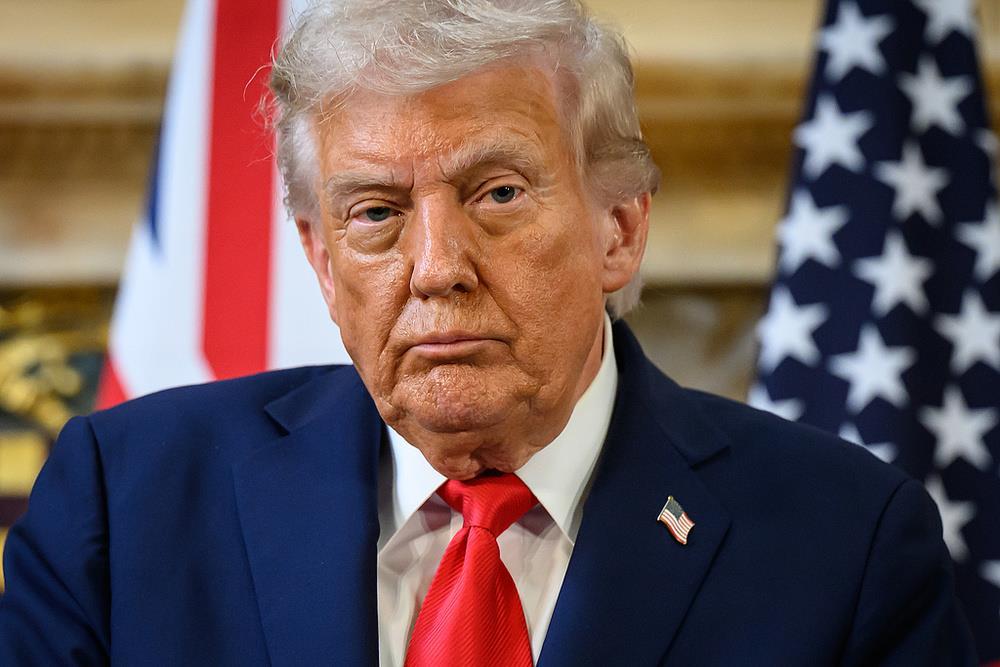
△U.S. President Trump (file photo)
According to Trump, "We will see a denuclearized Iran; Iran cannot have nuclear weapons, and they will never have nuclear weapons. All of this will end soon." He also stated that prices for gasoline, diesel, and other goods would decrease at that time.
Trump has previously stated multiple times that the Iran conflict will "end soon". On the 23rd, at a campaign rally in Florida, he mentioned that the U.S. might conduct another small-scale "Epic Fury" military operation against Iran, or Iran might agree to reach an agreement.
Recently, there have been frequent reports that the U.S. will resume military strikes against Iran after the midterm elections. The U.S. military was reported on the 26th to be prepared for a new round of large-scale strikes against Iran, and there are also reports that President Trump may issue operational orders after the November midterm elections.
Multiple U.S. military aircraft reported to have arrived at Israeli air force bases
In addition to the dynamics within the White House, the U.S. military's recent military deployments in the Middle East have also been relatively frequent. Israeli sources reported on the 29th that 10 large U.S. military transport aircraft have recently arrived at the Ovda and Nevatim air force bases in southern Israel.
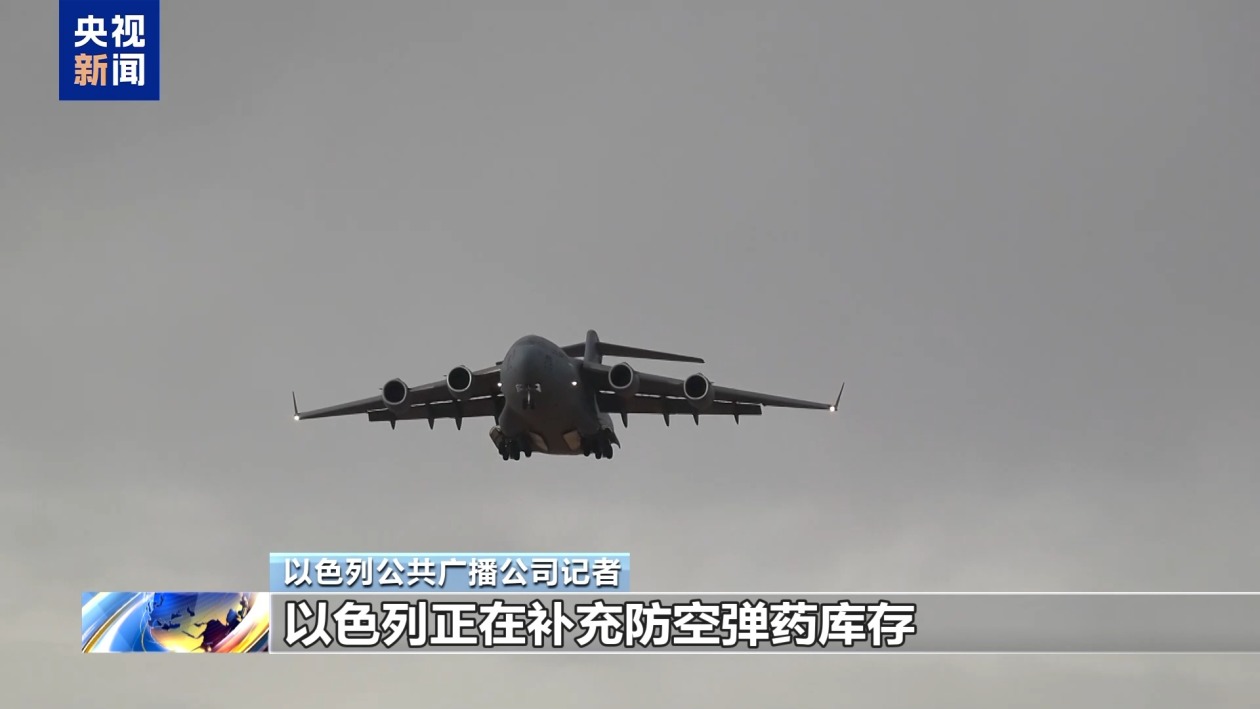
Reports indicate that these military aircraft took off from Fort Bliss in Texas and may have delivered air defense missiles and additional air defense systems to the Israeli military. Analysts from Israel's public broadcasting corporation believe that the recent U.S. military actions in Israel indicate that Israel is replenishing its air defense ammunition stockpile.
Additionally, other U.S. military bases in the Middle East, including those in Jordan, Saudi Arabia, and Qatar, have also been reported to have U.S. transport aircraft arriving recently.
U.S. Vice President sends letter to Iranian officials to seek to restart negotiations; Iranian military frequently reports activities in the Strait
While President Trump has not yet made a final decision on whether to take military action against Iran, Vice President Pence has sent a letter to Iran, attempting to restart the long-stalled U.S.-Iran negotiations.
Pence's letter to Iranian officials seeks to renegotiate; Iran insists on seven conditions
This news initially emerged from the U.S. on the 28th, with Pence's letter addressed to Mohsen Rezaei, the secretary of Iran's Supreme National Security Council. The following day, on the 29th, Iran reported that it had received Pence's letter but had not yet responded.

△Tasnim News Agency: Iran has not yet responded to Pence's letter
In a report on the 29th, Tasnim News Agency stated that Iran insists that the U.S. must meet its seven conditions as a prerequisite for stopping hostile actions and reopening the Strait of Hormuz, emphasizing that any position that undermines this "established framework" is unacceptable.
Mohsen Rezaei, the secretary of Iran's Supreme National Security Council, stated in an interview on September 19 that Iran had communicated the seven conditions required to initiate any negotiations to the U.S. Rezaei also indicated that if the U.S. wishes to escape the current predicament, there is no other way but to accept Iran's conditions.
According to Rezaei's statements that day, the conditions proposed by Iran for negotiations include the U.S. ending all hostilities against Iran, unfreezing Iranian assets, and ending maritime blockades. However, Rezaei did not specify what each of the seven conditions entailed.
Can Pence's letter restart U.S.-Iran negotiations?
Regarding whether Pence's letter to Iran can achieve the desired restart of negotiations, Qin Tian, deputy director of the Middle East Studies Institute at the China Institute of Contemporary International Relations, holds a relatively pessimistic view.
Qin Tian believes that the U.S. is currently well-prepared to resume military actions against Iran, and Iran has also gained some confidence through its previous struggles against the U.S. Neither side has established deterrence against the other, nor has a new balance of power been formed.
Iranian military frequently conducts operations in the Strait of Hormuz
In response to the frequent threats from the U.S. to resume military strikes against Iran, the Iranian military has also recently announced its operations in the Strait of Hormuz multiple times.
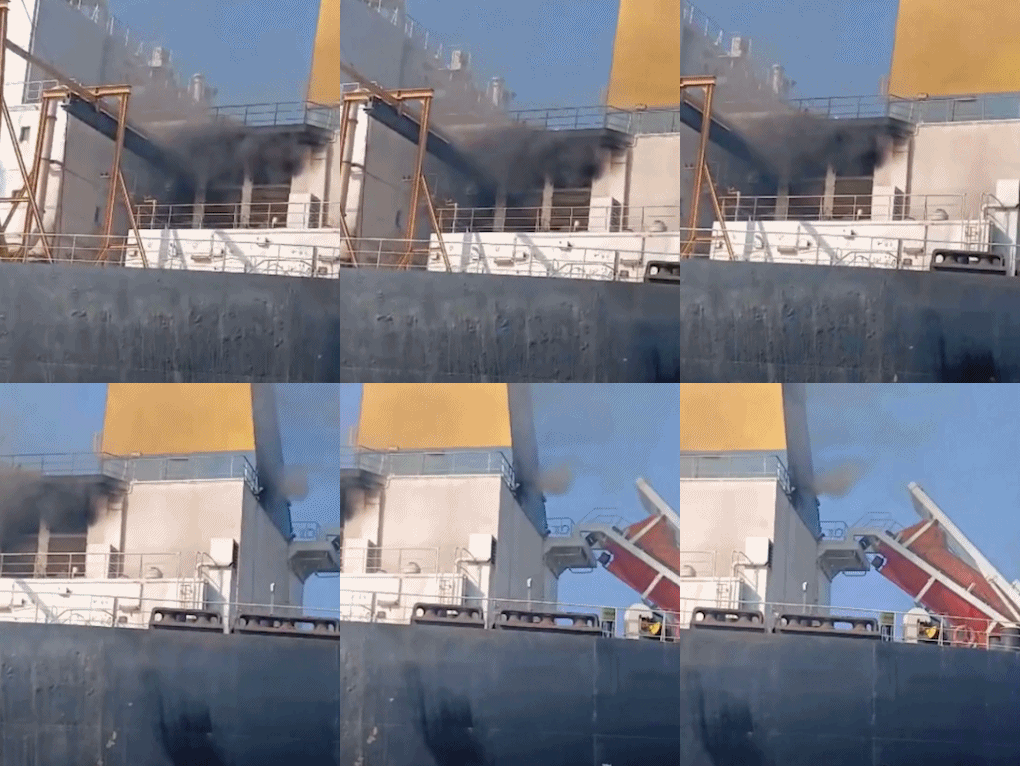
△The Iranian Islamic Revolutionary Guard Corps Navy released images on October 30 of the fourth oil tanker that violated navigation rules hitting a mine and catching fire
On the 30th alone, the Iranian military issued multiple statements regarding intercepting a U.S. drone over Qeshm Island in the Strait of Hormuz, as well as four oil tankers that attempted to cross the Strait through unauthorized routes and either exploded or were intercepted.
In the past week, the Iranian military has reported incidents involving violating vessels hitting mines and being intercepted almost daily. Analysts believe that the Iranian military's continued operations in the Strait of Hormuz are still part of the previous strategy of using the "Strait card" in its struggle against the U.S.
If hostilities resume, Iran will continue to play the "Strait card"
According to a statement published on the website of Iran's Supreme Leader, Supreme Leader Ali Khamenei discussed maintaining national and regional security through controlling the Strait of Hormuz during a meeting with Mohsen Rezaei, the secretary of Iran's Supreme National Security Council, on the 27th. Analysts believe this indicates that Iran's leadership has clearly identified controlling the Strait of Hormuz as an important strategy in its game with the U.S.
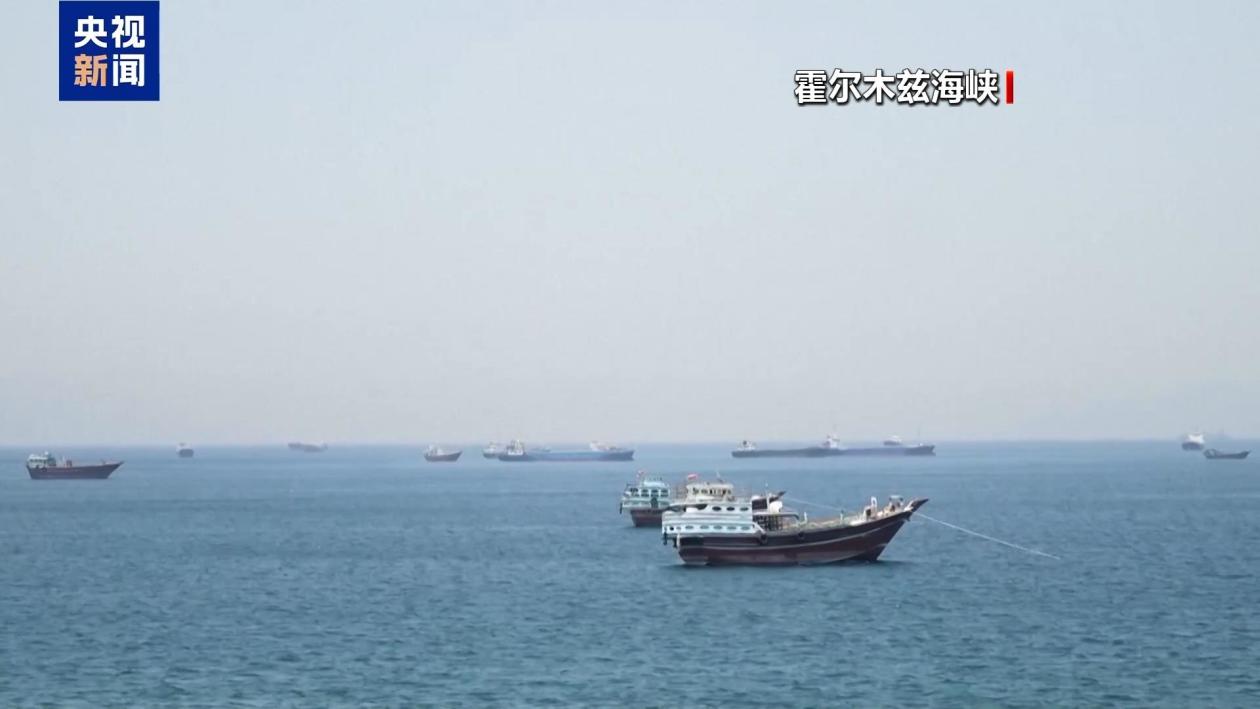
In the view of Qin Tian, deputy director of the Middle East Studies Institute at the China Institute of Contemporary International Relations, if direct conflict between the U.S. and Iran breaks out again, Iran is likely to restart the "Strait card". The ongoing U.S.-Iran struggle over control of the Strait of Hormuz will directly drive up international oil prices and impact the stability of global oil supply and supply chain systems.
On November 29, 2023, ten U.S. military transport aircraft arrived at Ovda and Nevatim Air Bases in Israel, likely delivering air defense missiles and systems. U.S. Central Command presented military options to President Trump regarding Iran, while Trump stated that the Iran conflict would soon conclude. Additionally, Vice President Pence contacted Iranian officials to discuss restarting negotiations.
- 10 U.S. military transport aircraft arrived at Israeli air bases.
- Aircraft likely delivered air defense missiles and systems.
- U.S. Central Command reported military options to President Trump regarding Iran.
- Trump reiterated that the Iran conflict will end soon.
- U.S. Vice President Pence reached out to Iran to restart negotiations.