
Trump's Patriot Wobble Leaves Ukraine Exposed After 27 Ballistic Missiles
 Alexandra Reeves
Trump's Patriot Wobble Leaves Ukraine Exposed After 27 Ballistic Missiles
One ballistic missile intercepted out of 27 is not an air defence problem. It is an alliance credibility problem with a casualty count attached.
After another overnight Russian strike on Kyiv on Aug. 1, Ukrainian officials said at least nine people were killed and dozens injured. The Kyiv Independent, citing Ukraine's Air Force, reported that Russia launched 35 missiles, including 27 ballistic missiles, and 185 Shahed-type drones against Ukraine. Ukrainian defences shot down 154 drones, but only two missiles. President Volodymyr Zelensky put the ugly part plainly: only one ballistic missile was brought down over Kyiv because Ukraine lacked Patriot missiles.
That same week, President Donald Trump walked back what Kyiv thought was a breakthrough. Asked on July 31 about licensing Ukraine to produce Patriot interceptors, Trump said, "We have not agreed to that. We're talking about it, but it's a hard thing to give away that kind of technology." Days earlier, Zelensky had said after a White House meeting that Trump had accepted the idea of giving Ukraine licenses for Patriot production. The gap between those two statements is where Ukrainian cities now live.
The Weapon Russia Is Designing Around
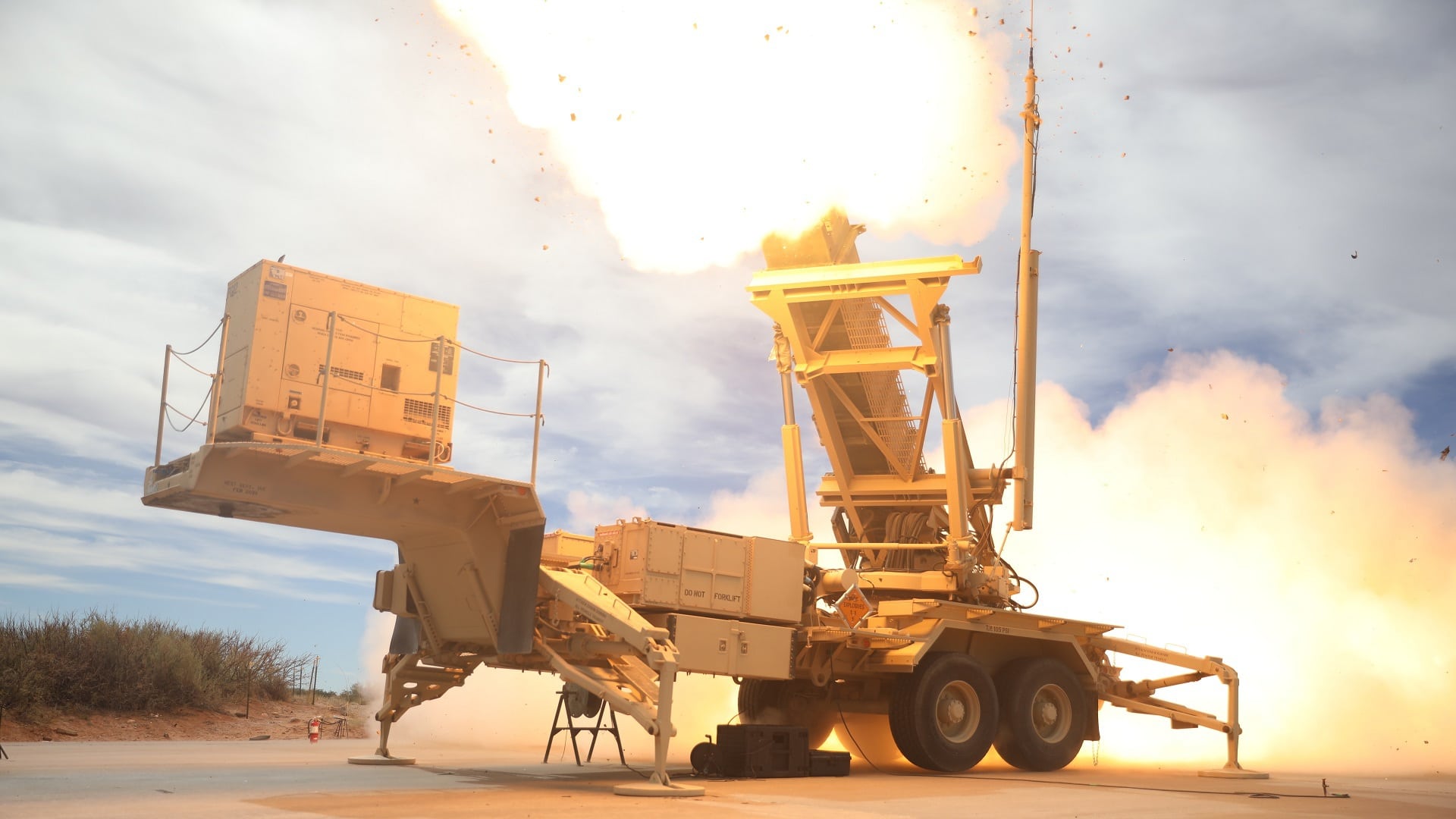
Patriot matters because it occupies the narrow part of Ukraine's air defence problem that cannot be solved by bravery, machine guns, or improvised drone-hunting teams. Shahed drones can be attrited by layered systems. Cruise missiles can be engaged by several Western and Soviet-derived platforms. Ballistic missiles are different. They arrive fast, steep, and with minutes of warning. For Kyiv residents trying to reach a shelter, the difference between a drone raid and a ballistic strike is the difference between fear and no time.
Raytheon describes Global Patriot as a system of radars, command-and-control technology, and multiple interceptor types designed to detect, identify, and defeat tactical ballistic missiles, cruise missiles, drones, aircraft, and other threats. It says Patriot is used by 19 nations and has been involved in more than 250 combat engagements, including more than 150 ballistic missile intercepts since January 2015. In Ukraine, that marketing language has become a practical truth: Patriot is the system Russia most wants to exhaust.
The technical issue is not only launchers. A Patriot battery is a package: radar, engagement control station, launchers, power generation, trained crews, and the interceptor stockpile. The PAC-3 family, including the more capable PAC-3 MSE variant, is designed for hit-to-kill ballistic missile defence. It is also expensive, tightly controlled, and built through supply chains that were never sized for a long European war against a missile-heavy Russia.
Licensing Is Not A Magic Factory
There is a tempting story in Washington that a production license lets Ukraine build its way out of dependency. That is too neat. Even if the United States approved the transfer tomorrow, Ukrainian production would need tooling, security arrangements, quality control, sensitive components, integration with existing Patriot fire units, and sustained American industrial cooperation. Japan and Germany are the only countries currently identified by the Kyiv Independent as licensed Patriot missile producers outside the United States. That should tell us how high the bar is.
But the license still matters, because politics moves production. A firm American yes would give Lockheed Martin, Raytheon, European partners, and Ukraine's own defence industry a basis for planning beyond emergency shipments. A maybe does the opposite. It tells Moscow that the bottleneck is not merely industrial capacity. It is political nerve.
Trump's concern about transferring sensitive technology is not frivolous. Patriot is one of the most valuable air and missile defence systems in the American arsenal, and Washington does not hand over its production know-how casually. Every government protects its crown jewels. The problem is that Russia is not waiting for a clean export-control memo. It is testing the weak point in Western support with missiles fired into apartment blocks.
The Alliance Politics Are Worse Than The Hardware
Here is the thing everyone in DC likes to avoid saying out loud: Ukraine's air defence shortage is now a measure of Western seriousness. Not sympathy. Not statements. Seriousness.
Zelensky spoke with Vice President JD Vance on July 31 about air defence needs, according to the Kyiv Independent, and described the call as productive. That is useful diplomacy. It is not an interceptor. The same reporting said Zelensky emphasized additional Patriot missiles as the priority because Russian ballistic attacks continue. This is the pattern Kyiv knows too well: urgent tactical requirement, supportive language, slow allied machinery, then another Russian salvo that exposes the gap.
Europe has less room to tut from the sidelines than it thinks. If Washington hesitates on technology transfer, European governments should be asking what they can do to expand lower-tier air defence, free up existing Patriot stocks, pay for new interceptors, and absorb more risk on their own territory. The missile that fell into Poland's Lublin region during the earlier Russian mass attack is a reminder that Ukraine's air defence line is already part of NATO's eastern security perimeter. Geography does not care whether Brussels has finished the communique.
The uncomfortable comparison is the Middle East. When Patriot interceptors protect U.S. forces or partners from Iranian missiles, American officials understand immediately that missile defence is strategic, not humanitarian. In Ukraine, the same logic is too often treated as assistance rather than deterrence. Russia has learned to exploit that distinction. It fires missiles at the place where Western policy is slowest: the handoff between political promise and actual inventory.
What To Watch Next
The next test is not whether Trump says something warmer about Zelensky. It is whether Washington turns the Patriot license discussion into a decision, whether existing interceptor deliveries accelerate, and whether Europe stops treating U.S. hesitation as an excuse for its own.
Russia will keep probing Kyiv's ballistic vulnerability because the math is working. If 27 ballistic missiles can produce only one confirmed Patriot intercept over the capital, Moscow does not need a new theory of victory. It just needs enough missiles to keep forcing the same awful calculation on Ukrainian civilians.
The headline finding is simple: Ukraine's Patriot shortage is no longer a procurement footnote. It is shaping Russian targeting, Ukrainian survival, and NATO's credibility at the same time. The next thing to watch is whether the United States and Europe behave as if that is true before the next sirens over Kyiv prove it again.
On August 1, Russian forces launched 35 missiles and 185 drones at Kyiv, resulting in at least nine casualties. Ukrainian air defenses managed to intercept only one of the 27 ballistic missiles. President Zelensky highlighted the urgent need for additional Patriot missiles, while President Trump hesitated on licensing Ukraine to produce them, raising concerns about Western support and alliance credibility.
- Russia launched 35 missiles and 185 drones against Ukraine on August 1.
- Ukrainian defenses intercepted only 1 out of 27 ballistic missiles.
- President Trump hesitated on licensing Ukraine to produce Patriot missiles.
- Zelensky emphasized the need for additional Patriot missiles to counter Russian attacks.
- The shortage of Patriot missiles is affecting Ukraine's air defense capabilities.