
Two Explosions in Four Days — Europe's Munitions Factories Have Become Targets
 Dr. Klaus Weber
Two Explosions in Four Days — Europe's Ammunition Factories Have Become Targets
On August 13, 2026, an explosion shook the powder press facility of the KNDS Ammo Italy ammunition factory in Colleferro, about 50 kilometers southeast of Rome. Residents initially thought the blast was an earthquake; a massive column of smoke rose above the plant, which was surrounded by police and ten fire brigades with helicopter support (according to AP, August 13). All 24 employees who were in the facility at the time of the incident were evacuated to safety — no one was injured. Three days earlier, a fire at an ammunition depot of the Bulgarian manufacturer EMCO near Belitsa triggered explosions and forced the evacuation of around 300 employees. Two incidents in four days, at two locations, with a common denominator: Both facilities produce artillery ammunition for Ukraine.
What Happened in Colleferro and Belitsa
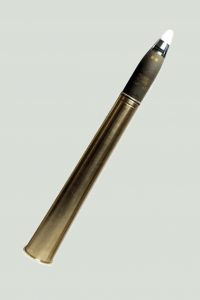
The Colleferro facility is the former Simmel plant; since its acquisition by the German-French defense company KNDS, it has operated as KNDS Ammo Italy. It produces medium and heavy calibers for land and naval forces — from 25 millimeters to 155 millimeters — including propellant powder, explosives, fuses, and complete shells. According to Mayor Giulio Calamita, the explosion was confined to a single production and storage area; the cause, according to KNDS, is under investigation (according to Kyiv Independent, August 13).
In Bulgaria, on August 10, a burning truck on the premises of the EMCO plant in Belitsa (municipality of Tryavna) triggered explosions in several ammunition depots. The national alert app BG-ALERT was activated, and the surrounding area was cordoned off. EMCO stated that human error could be ruled out; Bulgarian authorities initially emphasized that there was no evidence of foul play (according to BTA, August 10).
Why These Factories Matter
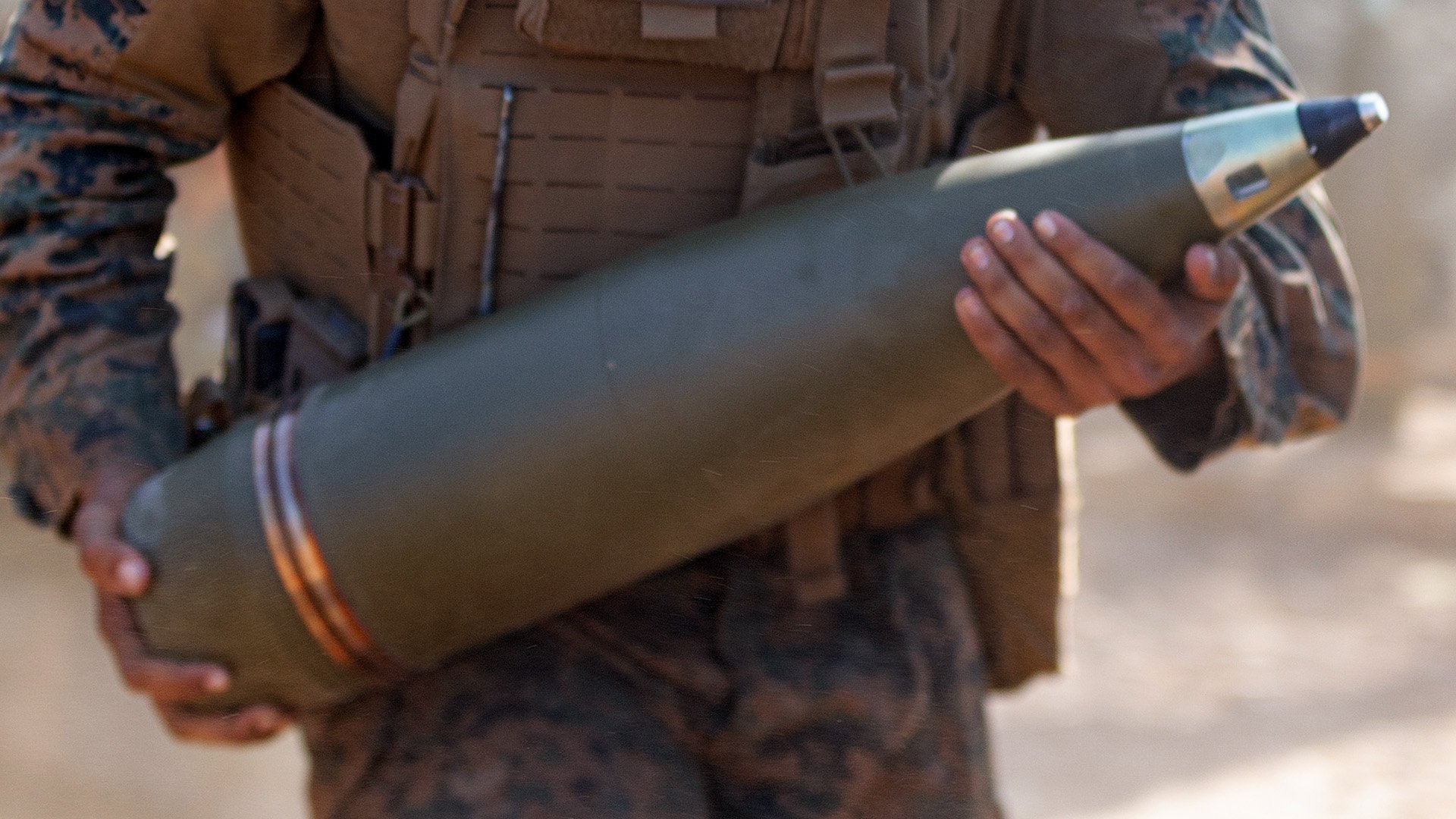
KNDS Ammo Italy supplies Ukraine with NATO-standard 155-millimeter shells through European partners and collaborates under agreements with the European Defence Agency to build Ukrainian production capacities. The company, whose systems — Leopard 2, CAESAR, PzH 2000, Gepard — number around 800 units in Ukraine or under contract, opened a subsidiary in Kyiv in October 2024. Any disruption to this supply chain affects not just an Italian plant but the entire European ammunition strategy.
EMCO is a special case with a history: Owner Emilian Gebrev, who supplied ammunition to Ukraine in the early stages of the war, was poisoned in Sofia in 2015 along with his son and a manager. The Bulgarian prosecutor's office later charged three Russian citizens with attempted murder. Every incident on EMCO's premises is viewed in this context — regardless of the investigation's outcome (according to Defence Matters, August 14).
The Pattern Behind the Incidents

The historical reference point remains Vrbětice: In 2014, members of the Russian military intelligence GRU blew up two ammunition depots in the Czech Republic, killing two people. The Czech police concluded that the operation aimed to prevent weapons from reaching areas where Russian forces were operating. Destroying ammunition before it can be used is cheaper, less visible, and less escalation-prone than attacks on the battlefield — this logic is embedded in Russian thinking.
The past ten days fit into this picture: On August 4, an explosive-laden drone was found next to a Ukrainian An-124 at Leipzig/Halle Airport, while a second collided with an incoming cargo plane. According to U.S. intelligence assessments, as reported by the Wall Street Journal, Moscow is responsible; German Interior Minister Alexander Dobrindt referred to a hybrid attack scenario. On August 7, Polish security authorities arrested a Russian in Warsaw who was allegedly tasked by the Russian intelligence service to assassinate a Ukrainian-American dual citizen (according to AP and The Guardian, August 13).
Prime Minister Donald Tusk: "For the first time, someone acting on orders from Russia attempted to attack an American citizen on the territory of another NATO state."
The Institutional Gap
The European response to the ammunition crisis has so far been a financial one: 500 million euros through the ASAP program, with a target of two million shells per year, and 150 billion euros in SAFE loans. What is missing is the question of the security of production itself. European ammunition manufacturing is concentrated in a few specialized plants — the loss of a single powder press can jeopardize deliveries across borders. This concentration is treated as an industrial efficiency problem, not a military security issue. There is no European entity coordinating the protection of the defense base, no common definition of sabotage thresholds, no obligation for redundancy.
The EU has repeatedly accused Moscow of conducting hybrid operations involving sabotage, attacks on infrastructure, and cyber activities — yet the protection of ammunition production remains a national matter for member states. As long as Brussels defines capacity targets, but Berlin, Rome, and Sofia make separate decisions about plant security, European rearmament is only as secure as its weakest plant. Powder presses cannot simply be replaced: Building new nitrocellulose and propellant capacities takes years, not months.
Whether the investigations in Colleferro and Belitsa yield sabotage or coincidence — the strategic lesson is the same. Europe builds the arsenals it needs for emergencies as if they were part of the civilian economy and not part of the battlefield. Those who concentrate on ammunition production also create targets. And those who leave the protection of production to local police have already lost the first battle of the next crisis — before the first shell is fired.
Two explosions occurred at ammunition factories in Colleferro, Italy, and Belitsa, Bulgaria, between August 10 and 13, 2026. The Colleferro explosion affected the KNDS Ammo Italy facility, while the Belitsa incident was caused by a fire in an ammunition depot. Both factories are involved in producing artillery ammunition for Ukraine, raising concerns about the security of European ammunition supply chains.
- Two explosions occurred at ammunition factories in Italy and Bulgaria.
- The Colleferro explosion involved a powder press at KNDS Ammo Italy.
- The Belitsa incident was triggered by a fire in an ammunition depot.
- Both factories produce artillery ammunition for Ukraine.
- The incidents raise concerns about the security of European ammunition production.