

Ukrainian officials say the country’s Unmanned Systems Forces damaged or disabled 116 Russian-linked vessels during a sustained nine-day drone campaign in the Sea of Azov. The claim comes from Ukraine—and has not been verified.
But if true, the campaign demonstrates Ukraine’s willingness to target commercial and logistical vessels supporting Russia’s wartime economy, rather than Russian warships.
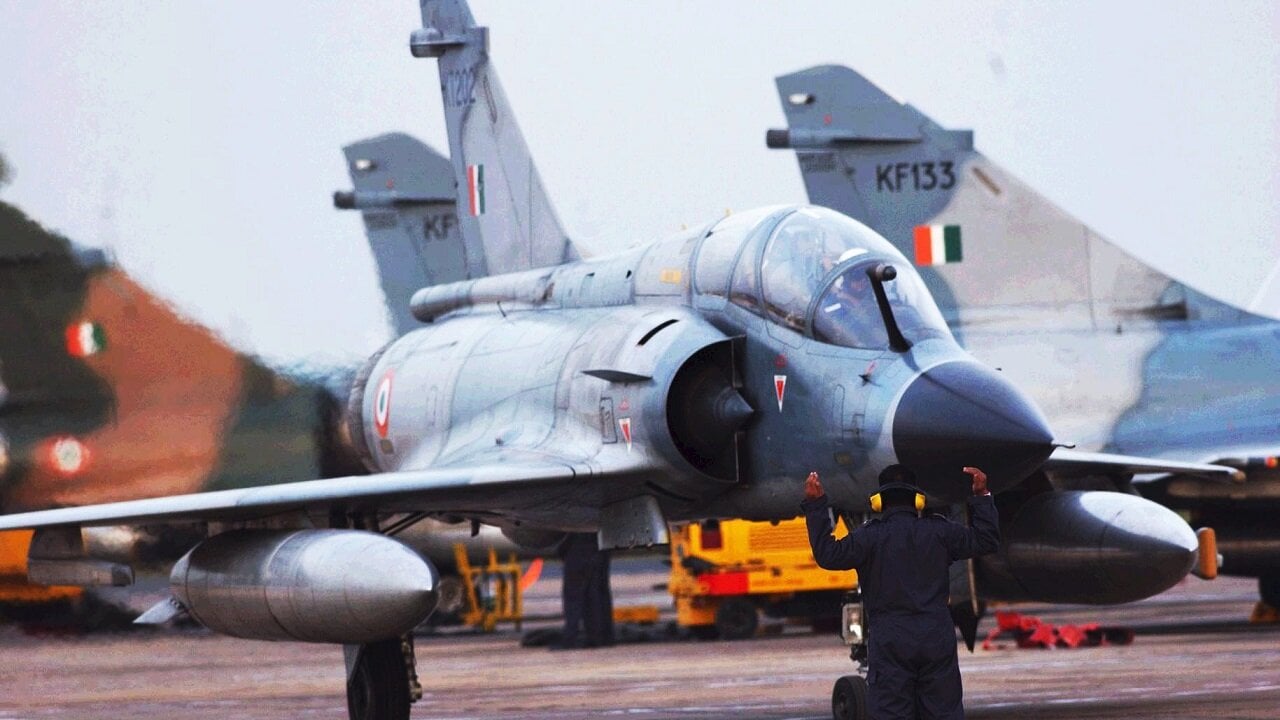
Mirage 2000. Image Credit: Creative Commons.
This would be consistent with Ukraine’s recent attacks on refineries rather than military targets and would be yet another example of inexpensive unmanned systems being used to attack logistics, creating vast cost asymmetries.
The New Campaign
Ukrainian commander Major Robert “Madyar” Brovdi announced the operation, which was initially focused over nine days in the Sea of Azov, before expanding to the Black Sea near occupied Crimea.
According to Ukrainian claims, 116 vessels were struck in the Azov while an additional wave targeting roughly 20 more vessels was conducted afterward.
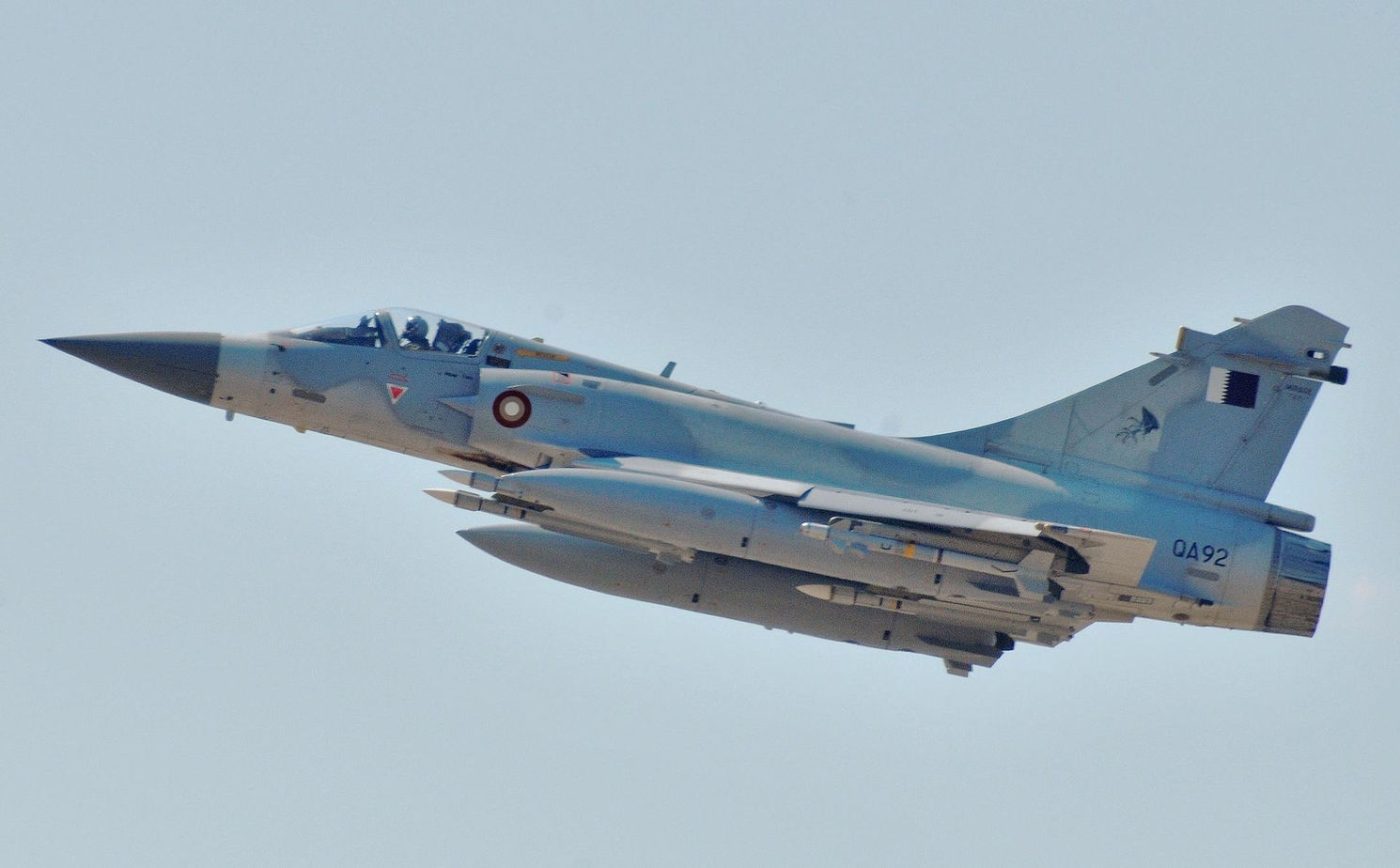
Mirage 2000-5.
The operational tempo was high, with repeated nighttime attacks and sustained pressure over days rather than one spectacular attack.
Ukraine was reportedly targeting oil tankers, fuel barges, cargo vessels, tugboats, and logistics craft—not primarily frigates, destroyers, or submarines.
The reason for this is that Russia’s military depends on fuel shipments, ammunition movement, construction materials, and logistical sustainment. Commercial shipping keeps military operations functioning.
The Shadow Fleet
Russia has increasingly relied on a “shadow fleet” of older commercial tankers. Often operated under foreign flags and used to move oil despite sanctions, these vessels are frequently associated with opaque ownership structures.
Some vessels reduce or disable AIS tracking, which complicates monitoring.
Yet Ukraine appears increasingly willing to treat these logistics networks as legitimate wartime targets when supporting Russia’s military effort.
The Sea of Azov is important, too, acting essentially as Russia’s logistical backyard. Linking southern Russia with occupied Crimea, Azov connects to the Kerch Strait and the Volga-Don Canal, supporting military logistics, grain exports, petroleum movement, and regional commerce. For several years, Moscow has portrayed the Sea of Azov as relatively secure following its occupation of surrounding territory. These strikes challenge that assumption.
The Drone Technology
The drones used to target the shadow fleet are likely relatively inexpensive systems that use GPS/inertial navigation and can navigate to waypoints autonomously.
Used to conduct nighttime operations, these drones are employed en masse yet are difficult to track.
Consistent with trends in modern naval warfare, unmanned aerial and maritime systems are being used to launch attacks, reducing reliance on traditional fleets.
The strategic implications here are significant.
The drones place pressure on Crimea. If maritime logistics are disrupted, fuel deliveries become harder, and military resupply slows.
Occupation authorities must rely more heavily on the Kerch Bridge, rail, and road transport. This concentrates logistics onto fewer routes.
The Economic Pressure
Disrupting shipping affects more than military operations. Potential impacts include energy transport, grain exports, commercial confidence, insurance costs, and freight rates.
Even temporary disruptions can increase the cost of moving cargo through the region.
Accordingly, Russia may need to devote additional resources toward air defenses, coastal surveillance, electronic warfare, patrol aircraft, and escort missions.
Every asset protecting commercial shipping is unavailable for use elsewhere. And notably, Ukraine is demonstrating its ability to reach a wide range of Russian targets.
Even rear-area infrastructure is increasingly vulnerable. Maritime logistics is contestable. All because relatively inexpensive drones can threaten assets worth millions of dollars.
And the wide-ranging nature of the target list spreads Russian defense resources thinner and thinner.
The Disclaimer
Of course, Ukraine’s reported figures have not been independently verified. Damaging a vessel is not necessarily the same as sinking it.
Russia retains significant naval and commercial capacity, and individual strikes rarely prove decisive on their own. However, it should be pointed out that a sustained campaign against logistics can impose cumulative military and economic costs over time.
Whether or not every reported strike is confirmed, Ukraine’s campaign underscores the broader evolution of the war, where Ukraine is increasingly attacking infrastructure instead of just forces at the front. Drones are facilitating this strategic shift at scale and with cost efficiency.
About the Author: Harrison Kass
Harrison Kass is a writer and attorney focused on national security, technology, and political culture. His work has appeared in Tablet, City Journal, The Hill, The Spectator, and The Cipher Brief. He holds a JD from the University of Oregon and a master’s in Global & Joint Program Studies from NYU. More at harrisonkass.com.