
Ukraine's 18 Wildberries Strikes Expose Russia's Logistics Problem
 Alexandra Reeves
Ukraine's 18 Wildberries Strikes Expose Russia's Logistics Problem
Russia has spent four years telling itself that distance is protection. Ukraine is now making that assumption look expensive.
On Aug. 3, Ukrainian drones reportedly struck a Wildberries logistics facility in Russia's Vladimir Oblast and a building at Belgorod State Technological University, according to the Kyiv Independent and Kyiv Post, citing Russian regional and local media. Wildberries confirmed a fire at the facility; Vladimir Oblast Governor Alexander Avdeyev said two people were injured. The university strike remains less firmly confirmed, but local reporting said the building was linked to automated drone control work.
That is the story in narrow form. The larger one is more interesting: Ukraine is no longer just hunting oil refineries, bomber bases, and ammunition depots. It is probing the civilian-commercial infrastructure that helps Russia move, finance, and sustain the war economy.
The Target Was Not Random
Wildberries is often described as Russia's Amazon. That shorthand is imperfect, but useful. It is a vast e-commerce and logistics network with warehouses, transport routes, payments infrastructure, and consumer reach across Russia. Kyiv argues that some of that network supports the war effort. The Kyiv Independent noted that Wildberries lists military equipment, including drone components and body armour, and that the company's banking arm was sanctioned by the European Union in July over its contribution to Russia's state budget.
Kyiv Post reported that the Vladimir facility covered 58,500 square meters, about 14.5 acres, and had been expected to expand to 175,000 square meters this year. It served Moscow, central Russia, and the northwest. If those figures are right, this was not a symbolic tap on a warehouse roof. It was a strike on distribution capacity.
Russian outlet Agentstvo, cited by Kyiv Post, estimated that Ukraine has targeted at least 18 Wildberries facilities over the past two weeks, damaging warehouses with a combined area of around 1 million square meters. It also estimated that logistics centers representing roughly 60 percent of Wildberries' major warehouse capacity have been targeted. Those numbers should be treated carefully because they come through wartime reporting chains. But even at half that scale, the pattern matters.
Why A Retailer Matters In A War
The old assumption was that military logistics and civilian logistics are separable. Ammunition depots are military. E-commerce warehouses are civilian. Air bases are military. University research labs are civilian. That boundary has always been cleaner on paper than in wartime Russia.
Moscow's war economy leans on dual-use systems: civilian factories making components, universities researching automation, commercial suppliers moving electronics and protective equipment, and banks pushing money into the state budget. Ukraine has learned to attack that system where it is soft. A warehouse does not need to store missiles to matter. It only needs to move parts, gear, uniforms, drone accessories, or tax revenue through a system that the Kremlin relies on.
That is what makes the Wildberries campaign more than harassment. It is a pressure campaign against Russia's depth. A drone that reaches Vladimir Oblast, roughly east of Moscow and hundreds of kilometers from Ukraine's border, tells Russian planners that the rear is becoming negotiable.
There is a second lesson here for NATO, and it is not flattering. Everyone in Brussels likes to talk about resilience. Ukraine is showing what resilience failure looks like from the other side: a large state forced to reroute logistics because cheap long-range drones can repeatedly find big, flammable, commercially important nodes.
The Drone Economics Are Brutal
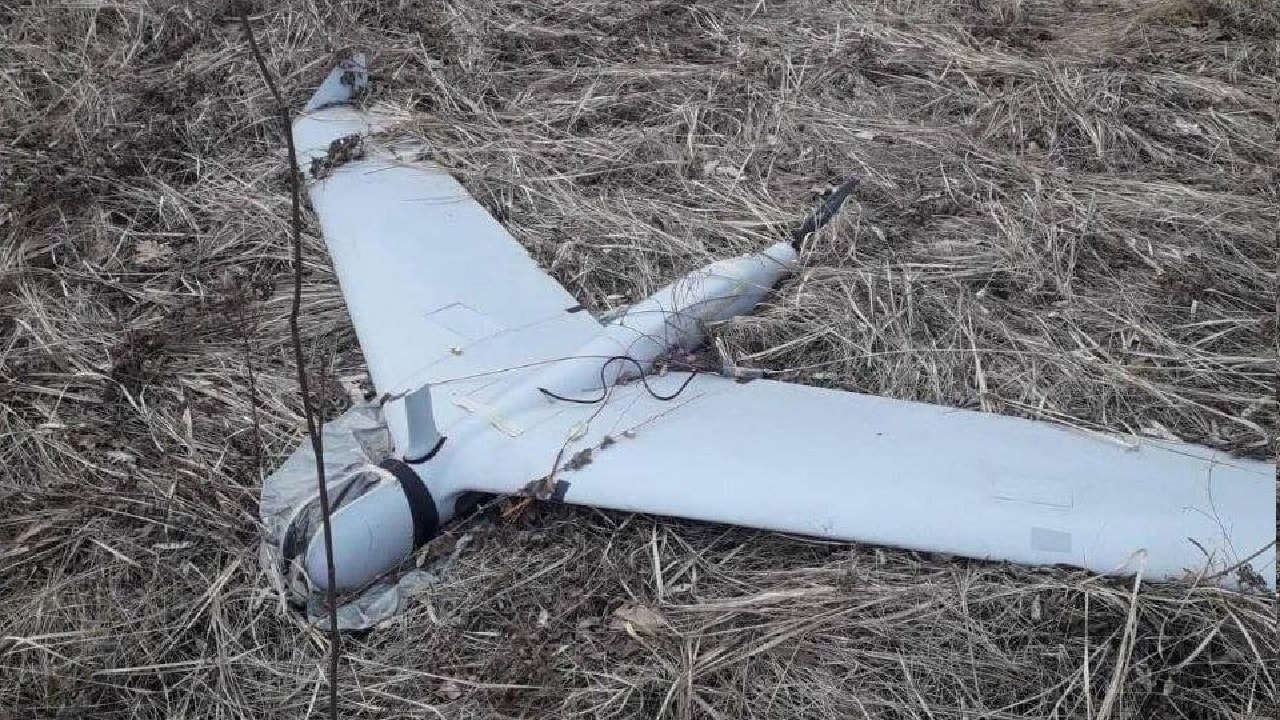
We do not know which Ukrainian systems were used in the Aug. 3 strikes. Kyiv has built and fielded a growing family of long-range one-way attack drones, including domestically produced systems used against oil refineries, air bases, and industrial sites deep inside Russia. The exact platform matters less than the exchange ratio.
A warehouse complex, a logistics disruption, a fire response, insurance losses, rerouted inventory, and additional security all cost more than the drone that starts the chain. Russia can shoot down many drones and still lose the economic argument if enough get through to the right targets. Moscow's Defence Ministry said it downed hundreds of Ukrainian drones during the latest wave, according to The Independent, but Russian official shootdown claims are not the same as proof of strategic control. If fires are breaking out at repeated Wildberries hubs, something is leaking through.
The reported strike on Belgorod State Technological University adds another layer. Kyiv Post said the facility had reportedly housed work on an automated drone control system based on the Russian-made Milandr microprocessor, while the Kyiv Independent said the university had worked on automated drone control, uninterrupted power supply systems, and other unmanned aircraft projects. Ukraine has not publicly claimed the attack, and the reporting remains developing. Still, the logic is obvious: hit not just the drones, but the people and institutions trying to make them better.
Russia's Home Front Is Getting Larger
There is a temptation to overread every Ukrainian deep strike as a turning point. That is usually lazy. Russia still has mass, industrial depth, and a willingness to absorb punishment that Western analysts keep underestimating. A burning warehouse in Vladimir Oblast will not decide the war.
But repetition changes the meaning. One strike is a headline. Eighteen reported Wildberries-related targets in two weeks is a campaign. Add attacks on refineries, depots, airfields, and occupied Crimea, and a picture emerges: Ukraine is forcing Russia to defend a much larger map than the one Moscow wanted to fight on.
That creates choices. Russia can pull more air defence assets away from occupied Ukraine to protect domestic infrastructure. It can harden civilian logistics nodes at huge cost. It can accept more fires and disruptions. Or it can escalate in ways that try to impose costs on Ukraine faster than Ukraine can impose them back. None of those options is clean.
The Uncomfortable Lesson For Europe
Here is the thing Europe should notice: Ukraine is improvising a deep-strike campaign with a wartime industrial base, donor constraints, and constant Russian pressure. If Kyiv can do this to Russia, Russia can study the method and apply it against Europe in a crisis.
Ports, parcel hubs, rail yards, transformer stations, ferry terminals, and drone research facilities are not glamorous targets. That is why they matter. Modern war is not just about destroying tanks. It is about making the enemy spend attention everywhere.
The Aug. 3 Wildberries strike is therefore not mainly a story about an online retailer. It is a story about the shrinking comfort zone behind the front line. Russia built a war machine that uses civilian capacity when convenient and complains when that capacity becomes a target. Ukraine is calling that bluff.
The next thing to watch is whether Kyiv keeps hitting Wildberries until the network's disruption becomes measurable in Russian logistics data, not just video clips of smoke. If it does, the lesson will be blunt: Russia's rear is not a sanctuary anymore. It is just another part of the battlefield with worse air defence coverage.
Ukrainian drones struck logistics facilities in Vladimir Oblast and Belgorod on August 3, 2023, targeting infrastructure that supports Russia's war economy. The strikes are part of a broader campaign against Wildberries, a major logistics network, with at least 18 facilities reportedly hit in recent weeks. This campaign aims to disrupt Russian logistics and supply chains essential for military operations.
- Ukrainian drones targeted 18 Wildberries facilities over two weeks.
- The strikes aimed at disrupting logistics supporting the Russian war effort.
- Wildberries is a significant e-commerce and logistics network in Russia.