
Ukraine's 2026 Drone War Just Lost Its Civilian Architect
 Alexandra Reeves
Ukraine's 2026 Drone War Just Lost Its Civilian Architect
Kyiv may have just made Russia's best argument for patience.
President Volodymyr Zelenskyy's dismissal of Defense Minister Mykhailo Fedorov, reported this week by Defense One and Ukrainian outlets, is not just another personnel fight inside a wartime government. It is a fight over what kind of war Ukraine thinks it is fighting in 2026. One side sees drones, software, procurement speed, satellite access, and small-unit experimentation as the way to make Russian mass obsolete. The other side still thinks the decisive question is whether the General Staff gets the artillery shells it asked for, in the way it asked for them.
That sounds bureaucratic. It is not. It goes straight to whether Ukraine can keep converting Russian manpower into a liability rather than a strategic advantage.
Why Fedorov Mattered
Fedorov was never a conventional defence minister. That was the point. Before taking the defence portfolio, he was best known as Ukraine's digital transformation minister, the politician most comfortable treating the state as a platform rather than a ministry chart. In a war where quadcopters, first-person-view strike drones, electronic warfare patches, and procurement cycles measured in weeks can matter more than another briefing slide, that instinct had military value.
Defense One reported that Zelenskyy framed the firing around Fedorov making procurement decisions at his own discretion rather than following General Staff requests, including on artillery shells. Fedorov's own final public remarks, according to the same report, were blunter: war had changed completely, drone technology and command systems were changing several times a year, and Ukraine could not rely on what worked two years ago.
That is the real dispute. It is not shells versus drones. Ukraine needs both. The question is whether the Ukrainian state can privilege battlefield adaptation over institutional comfort when the two collide.
According to the Kyiv Independent's editorial board, Fedorov's six-month tenure was tied to competitive procurement, wider drone distribution to front-line units, middle- and deep-strike campaigns, and efforts to tackle the ugly manpower problem inside combat units. The editorial is clearly opinionated, and it should be read as such. But the underlying tension it describes is not imaginary. Ukraine has spent the last year proving that a smaller army can change the cost curve if it moves faster than Russia's command culture can absorb.
The Drone War Is Also a Personnel War
Everyone likes talking about drones because the machines are visible. The harder part is admitting that drone warfare is a management problem.
FPV drones are not magic. They require procurement channels that do not suffocate small producers, training pipelines that do not turn operators into disposable infantry, electronic warfare teams that can push updates quickly, and commanders willing to let tactical lessons move upward. A drone army run like a Soviet artillery army will eventually become a very expensive museum exhibit.
This is why Fedorov's removal has set off such a reaction among Ukrainian soldiers, activists, and foreign supporters. Defense One quoted former U.S. and Ukrainian officials describing the move as making no sense, a bad sign, and very bad. Those are not technical assessments, but they capture the political fear: Ukraine may be breaking the civil-military mechanism that helped it move faster than Russia.
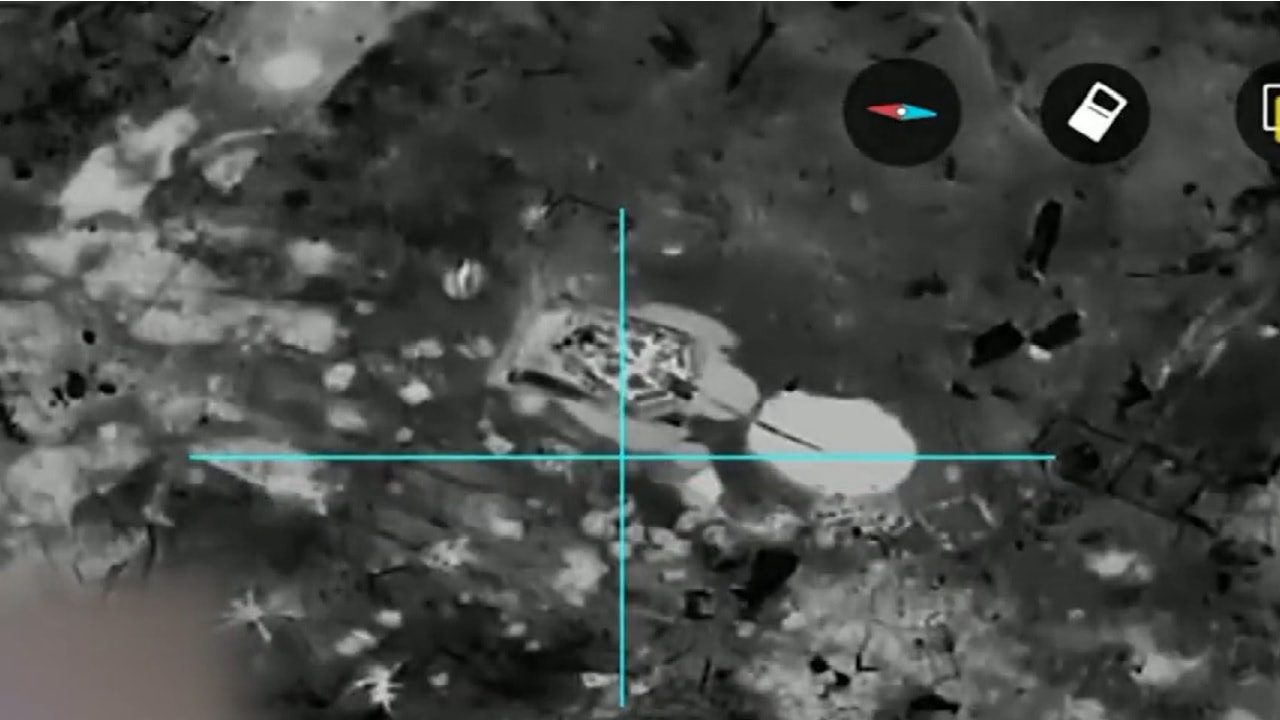
The timing is terrible. Defense News reported this week that CIA Director John Ratcliffe said Russian recruits arriving at the front now survive an estimated 20 to 30 minutes before being killed or wounded, largely because AI-powered drones have become low-cost killing machines. The same report cited CSIS research putting Russia's casualty ratio against Ukraine at nearly 8-to-1 in the first half of 2026, compared with roughly 2-to-1 or 3-to-1 earlier in the war.
Those figures should be treated carefully. Casualty estimates are always political, and battlefield averages can hide wide local variation. But the strategic direction is clear enough: Ukraine's best chance is not to match Russia soldier for soldier. It is to make each Russian movement, truck, antenna, assault group, and command post more expensive than Moscow can comfortably sustain.
Starlink Was a Warning Shot
The Starlink fight earlier this year showed what this kind of warfare looks like when it works. The BBC reported in February that SpaceX, after a Ukrainian request associated with Fedorov, cut off Russian access to Starlink terminals operating in Ukraine unless they were on a Defence Ministry-approved whitelist. Ukrainian activists then exploited the scramble, identifying Russian terminals and sowing confusion among troops who had relied on satellite connectivity for drones and command links.
That episode matters because it was not a classic battlefield success. It combined commercial space infrastructure, identity controls, cyber deception, artillery targeting, and drone operations. No single general staff branch owns that whole chain. Someone in government has to force the pieces to work together.
Fedorov appeared to understand that the new battlefield rewards people who can connect systems faster than their opponent can disconnect them. That is not glamorous. It does not fit neatly into NATO's traditional categories either. But it is exactly the lesson European defence ministries claim they want from Ukraine.
Here is the uncomfortable part for NATO: if Kyiv itself cannot protect the reformers who built that model, European capitals may be studying a moving target that Ukraine is already beginning to dismantle.
Russia Gets a Vote
Moscow does not need Zelenskyy to make a catastrophic mistake. It only needs Ukraine to slow down. Russia's theory of victory has always depended on endurance: absorb losses, adapt just enough, exploit Western fatigue, and wait for Ukrainian politics to become more brittle than Russian mobilisation.
That is why this firing is useful to the Kremlin even if nothing changes tomorrow. It creates doubt among donors, anxiety among Ukrainian units that benefited from faster procurement, and an opening for traditional command structures to reassert control over a war that has increasingly punished traditional habits.
None of this means Fedorov was irreplaceable. No minister should be. Ukraine has also had real problems with coordination, mobilisation, accountability, and the relationship between civilian innovators and uniformed commanders. A wartime president has the right to demand discipline from his cabinet.
But discipline is not the same as obedience. In a war of adaptation, a loyal system that moves too slowly is still a losing system.
What to Watch Next
The next indicator is procurement behaviour, not protest size. If drone contracts slow, if smaller manufacturers complain about access, if front-line units report more centralised approval chains, or if deep-strike tempo drops without a clear operational reason, then Fedorov's removal will have been more than a personnel reshuffle. It will have been a doctrinal reversal by other means.
The second indicator is whether Zelenskyy appoints a successor who can argue with the General Staff and survive the argument. Ukraine does not need a celebrity minister. It needs a civilian with enough political backing to tell generals when the battlefield has changed faster than their habits.
My read is simple: Ukraine's drone war was never just about drones. It was about giving a smaller country permission to fight differently. If Kyiv withdraws that permission now, Russia will not need to solve Ukraine's innovation problem. Ukraine will have solved it for Russia.
President Zelenskyy dismissed Defense Minister Mykhailo Fedorov in Kyiv, impacting Ukraine's drone warfare strategy in 2026. This leadership change raises concerns about procurement processes and the military's ability to adapt to modern warfare. The report highlights a significant casualty ratio for Russian forces and the potential political ramifications of this decision on Ukraine's military operations.
- President Zelenskyy dismissed Defense Minister Mykhailo Fedorov.
- Fedorov's removal raises concerns about Ukraine's drone warfare strategy.
- The casualty ratio for Russian recruits is reported at nearly 8-to-1 against Ukraine.
- Fedorov's tenure was marked by competitive procurement and drone distribution.
- The dismissal may create doubt among donors and affect procurement processes.