
Ukraine's 500 PAC-3 Missiles Could Arrive Too Late in 2026
 Alexandra Reeves
Ukraine's 500 PAC-3 Missiles Could Arrive Too Late in 2026
Five hundred Patriot PAC-3 missiles sounds like the kind of number that changes a war. It may instead be a very expensive promise about the next war.
Washington has approved the possible sale of 500 Patriot interceptors to Ukraine for an estimated $2.1 billion, according to the U.S. State Department announcement reported by Al Jazeera on October 31, 2026. Kyiv needs the missiles now. The package, however, is not expected to arrive until the early 2030s because the interceptors have not yet been made.
The Missile Deal Is Real, but the Timeline Is the Story
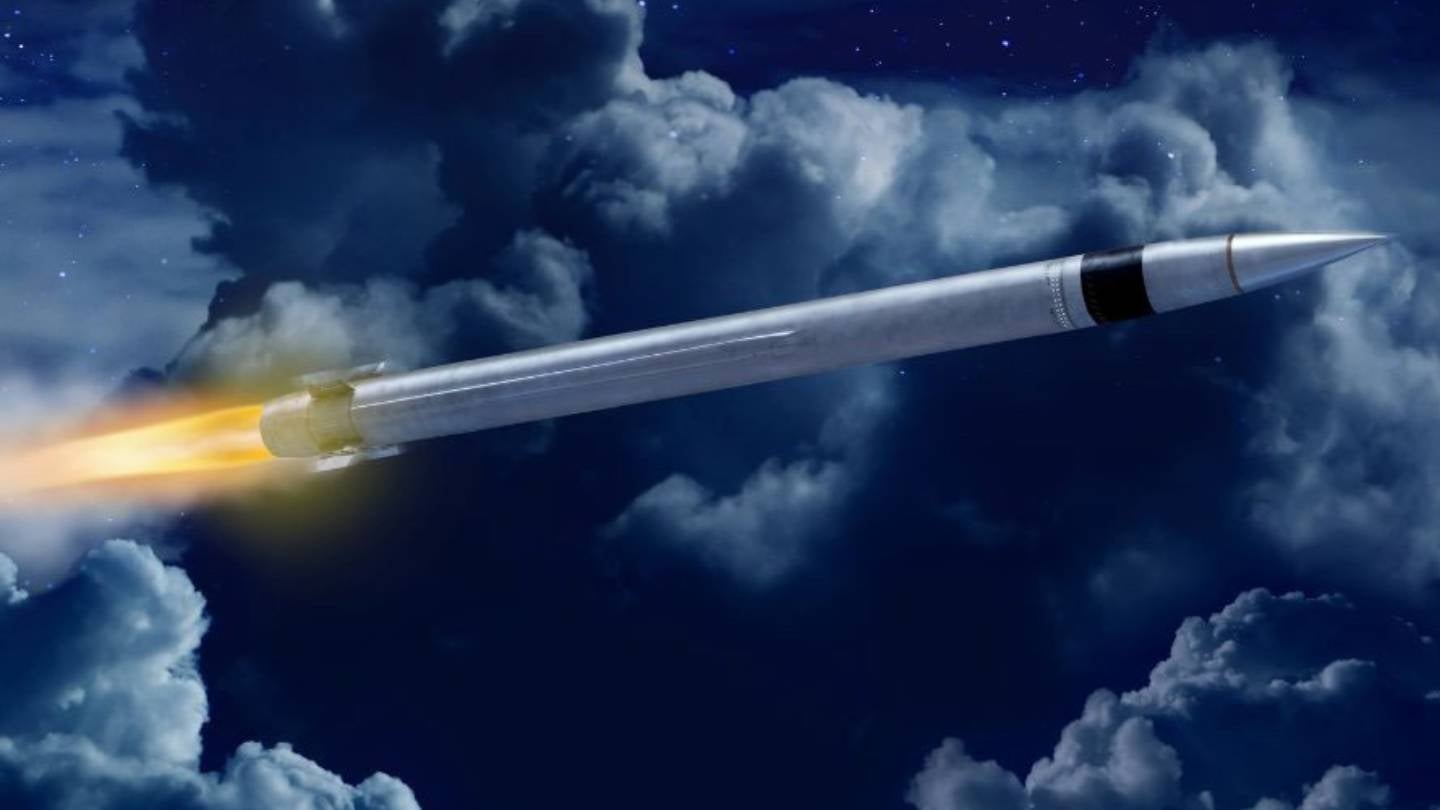
The Patriot system remains one of the few Western air-defence systems designed to engage fast-moving ballistic missiles. The PAC-3 family uses hit-to-kill interceptors, with the missile destroying its target through direct impact rather than relying mainly on a large explosive warhead. That makes each round valuable—and makes a stockpile of 500 strategically meaningful if Ukraine can receive it in time.
But a possible sale is not a delivery order. Al Jazeera reported that people briefed on the decision do not expect the missiles to reach Ukraine until a couple of years into the 2030s. That gap matters more than the headline figure. Russia's current missile and drone campaign is hitting Ukrainian energy infrastructure, cities and transport nodes this winter, not in 2032.
Bloomberg separately reported that NATO's military leadership sees no current delay to Patriot deliveries for Kyiv. Those statements are not necessarily contradictory. Existing deliveries can proceed while this new 500-missile package remains a long-term production commitment. The uncomfortable point is that a clear delivery schedule for near-term rounds is still harder to identify than the dollar value of the announcement.
Why 500 Interceptors Do Not Equal 500 Saved Targets
Ukraine's air-defence problem is not simply a shortage of missiles. It is a problem of allocation. Patriot batteries must protect major cities, power plants, command centres and the logistics network that keeps the army operating. Every battery assigned to one mission is unavailable somewhere else.
Nor does one interceptor automatically equal one defeated Russian missile. Engagement doctrine may require more than one shot against a difficult target, especially when operators face uncertainty about warhead type, flight path and the reliability of incoming tracking data. Russia's use of cruise missiles and large numbers of drones also forces Ukraine to preserve expensive interceptors for the threats that cheaper systems cannot handle.
The 500-round figure should therefore be read as a resilience reserve, not a magic shield. It could help Ukraine sustain layered defence over years. It cannot close an immediate gap created by a winter campaign that is already underway.
Europe Is Paying, but Washington Still Controls the Bottleneck
The financing arrangement exposes the politics behind the sale. Canada, Germany and Norway are expected to contribute through the U.S. JUMPSTART programme, while European Union-backed financing will help cover Ukraine's national contribution. Europe is putting money into the solution, but the critical industrial bottleneck remains American production.
Lockheed Martin is the principal contractor. The company has said its production capacity for PAC-3 interceptors will reach 2,000 annually after a planned expansion, and the U.S. Army awarded it a contract worth up to $58.6 billion in July to support Patriot and THAAD interceptor output. Those numbers sound large until they are divided among the United States, Ukraine and other customers facing the same missile threat.
Here is the strategic catch: Europe is being asked to finance a capability whose schedule, factory capacity and export priority are still set in Washington. That is not European strategic autonomy. It is European purchasing power attached to an American production queue.
The 2026 Lesson Is Industrial, Not Merely Military
Washington has also been using large quantities of air-defence and precision weapons in its own operations in Iran, raising concerns about U.S. inventories. The Ukraine package arrives in a wider contest for interceptors, not in a quiet market where Kyiv can simply move to the front of the line.
This is why the deal should be judged on three tests. First, can the United States publish a credible interim delivery schedule rather than only a final production target? Second, can European partners provide additional systems, radars and reload capacity while the new missiles are built? Third, can Ukraine expand cheaper layers—electronic warfare, gun-based air defence and locally produced interceptors—so that Patriot rounds are reserved for the most dangerous attacks?
Patriot is not obsolete. The opposite is true: its scarcity proves how valuable it is. But scarcity also exposes the weakness of a defence strategy that depends on a small number of exquisite systems while an adversary launches massed, mixed salvos.
What to Watch Next
The $2.1 billion package is a welcome signal that Ukraine's air-defence crisis has not been forgotten. It is not evidence that the crisis has been solved. The decisive facts will be the first contract milestones, the number of missiles available before the next winter campaign, and whether European governments can supply complete fire units rather than financing alone.
The uncomfortable conclusion is simple. Ukraine may eventually receive enough PAC-3 missiles to protect its most important sites, but a missile scheduled for the 2030s cannot defend a power station tonight. NATO has finally found the money. It still has to find the time.
Sources
- Al Jazeera, “US greenlights $2.1bn Patriot missile sale to Ukraine,” October 31, 2026.
- U.S. State Department, possible foreign military sale notification for Ukraine, reported in the Al Jazeera article above.
- Bloomberg, “NATO Military Chief Sees No Delays to Patriot Deliveries to Kyiv,” October 30, 2026.
- U.S. Army and Lockheed Martin reporting on expanded PAC-3 production and the July 2026 contract.
The U.S. State Department approved the sale of 500 PAC-3 missiles to Ukraine for $2.1 billion, but delivery is not expected until the early 2030s. This delay poses a significant challenge as Ukraine faces ongoing missile and drone attacks from Russia. European nations are contributing financially, but the production bottleneck remains with U.S. manufacturers, particularly Lockheed Martin.
- The U.S. approved a sale of 500 PAC-3 missiles to Ukraine for $2.1 billion.
- The missiles are not expected to arrive until the early 2030s.
- Ukraine's air defense is currently under threat from Russian missile and drone campaigns.
- European countries are contributing to the financing of the missile package.
- Lockheed Martin is the principal contractor for the PAC-3 missiles.