
Ukraine's PAC-3 Application Breaks EU Rule for European Procurement in 2026
 S.W
S.WUkraine's PAC-3 Request Breaks EU Rule for European Procurement in 2026
One single number makes the new request from Kyiv politically uncomfortable: 35 percent. More non-European and non-Ukrainian content is supposed to be included in a procurement project according to the rules of the EU support loan finalized in April. Now, Ukraine is specifically asking to be allowed to purchase PAC-3 interceptor missiles for Patriot batteries from this 90 billion euro instrument for the first time. The missiles come from the United States. Therefore, the request is not just an administrative detail, but a test of whether Europe's financing for Ukraine is a defense instrument or an industrial protection measure.
The Request Hits the Core of the 90 Billion Euro Loan
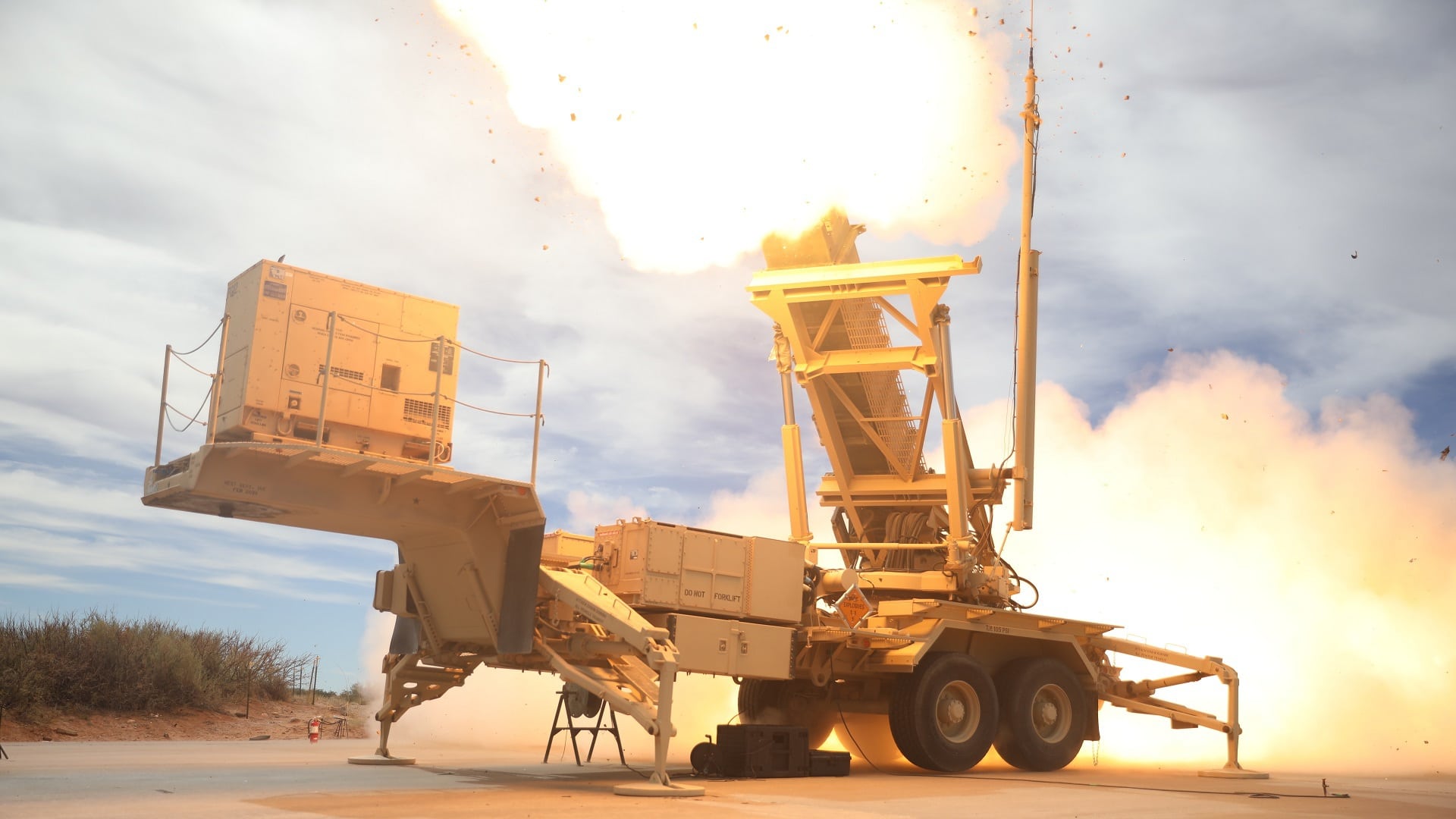
According to Defense News, the European Union is currently reviewing Kyiv's request to spend several billion euros on PAC-3 interceptors. It would be the first formal attempt by Ukraine to utilize the 90 billion euro loan decided in the spring for the purchase of these American systems. The instrument is roughly divided into two blocks: about 60 billion euros for defense procurement and around 30 billion euros for budget support. This division sounded like a clean response to Ukraine's chronic funding gap in April. It was only as long as no one asked what weapons Ukraine actually needs immediately.
Ukrainian Defense Minister Yevhenii Khmara estimated the current defense budget gap at 27 billion dollars. At the same time, Russian airstrikes on Kyiv, Odessa, and other cities continue. In this situation, the priority is not theoretical industrial value creation in Europe, but the availability of interceptors against ballistic threats. Ursula von der Leyen publicly confirmed on September 2 that the EU wants to continue supporting Ukraine with European air defense and PAC-3 Patriot systems. Her wording is diplomatically clever but factually revealing: European air defense and PAC-3 are not the same.
The 35 Percent Rule Was Intended as a Sovereignty Clause
The procurement rules of the loan favor European and Ukrainian systems. Non-European and non-Ukrainian components are generally limited to 35 percent of the value of a purchase. Institutionally, this is understandable. Brussels wanted to avoid a European-backed financial instrument primarily utilizing American production lines. After two years of debate over SAFE, EDF, PESCO, and joint munitions production, the money should not again prove that Europe can pay but cannot deliver.
But this is exactly where the contradiction lies. A sovereignty clause that blocks the most urgent capability in an emergency does not protect sovereignty. It documents its absence. PAC-3 is not just any import good. For Ukraine, it is the scarcest ammunition in that segment where Russian missile attacks generate the highest political costs: protection of large cities, critical infrastructure, and military command centers. Anyone in Brussels who now approves an exception indirectly admits that the European rule fails against European production reality.
Patriot Remains Europe's Most Expensive Dependency
The European debate on air defense has suffered from conceptual inaccuracy for years. States speak of European support but often mean American systems purchased with European money. Germany, the Netherlands, Spain, Poland, and other European NATO states have integrated Patriot into their national air defense architecture. This improves operational connectivity within the alliance but does not create independent production sovereignty over the crucial interceptors.
The PAC-3 family is the most precise example of this. It is technologically capable, politically desirable, and industrially controlled. Even if European states cover the costs, American companies and American export controls dictate the pace of availability. This is precisely why the earlier debate about a Patriot license production for Ukraine was so disillusioning. A license is not a factory, and a permit from Brussels is not a delivery guarantee from the United States.
For Weberians who believe in institutions, this is an uncomfortable finding. The EU can write rules, create funds, and make joint decisions. However, it cannot conjure up the industrial capacity that has not been built up over the years by decree. The 35 percent limit was an attempt to transform procurement policy into industrial policy. The PAC-3 request transforms it back into crisis management.
The Chinese Drone Exception Was the Precedent
Brussels already allowed an exception for Chinese components in Ukrainian drones back in April. At that time, the step could still be presented as a technical necessity: Ukraine produces drones in mass, but certain electronic components come from global supply chains. The PAC-3 case is politically more significant. This is not about components in Ukrainian production, but about the purchase of a fully American-dominated high-value system.
This creates a hierarchy of exceptions. First, Chinese components are accepted because Ukrainian drones cannot scale quickly enough without them. Then, American interceptors are to be accepted because Europe cannot provide a comparable quantity in the short term. What remains of the claim to generate European defense capability with European financial instruments? Less than the rhetoric of recent months suggests.
Europe's Alternative Needs Orders, Not Declarations
This does not mean that the exception is wrong. On the contrary: If Russian attacks create an acute protection gap, it would be strategically negligent to refuse an available capability out of industrial political purity. Ukraine cannot wait for European programs to solve their governance problems. But an exception should be named for what it is: a symptom. It is not a confirmation of European action capability, but a receipt for its delay.
The lesson is sober. Europe needs more European air defense, but not in the form of further announcements. What is needed are multi-year procurement contracts, standardized requirements, joint maintenance infrastructure, and the willingness to limit national special requests. IRIS-T SLM, SAMP/T, future interceptor systems, and Ukrainian indigenous developments can only grow out of the niche if states take on real production risks. A credit framework does not replace these decisions.
Ukraine is forcing the EU to adopt a more honest language. Either the 90 billion euro loan is an instrument for rapid war capability, then the 35 percent rule must give way in the PAC-3 case. Or it is primarily an instrument of European industrial policy, then Brussels must not pretend that it can close Kyiv's acute air defense gap. Claiming both at the same time is a comfortable illusion.
The Paradox of the Right Exception
The probably right decision is therefore a politically embarrassing one. The EU should approve the PAC-3 exception because Ukrainian cities need protection now. Precisely for this reason, it should stop selling such purchases as progress in strategic autonomy. Strategic autonomy does not begin where Europe pays for American missiles with European loans. It begins where the next exception is no longer necessary.
The paradox remains: Those who want to effectively protect Ukraine today must break Europe's procurement rule. Those who want to make Europe more sovereign tomorrow must not normalize this rule violation. More money gives Europe room for action. But only production capacity transforms money into power.
Ukraine has requested to purchase PAC-3 interceptor missiles from the United States, challenging EU procurement rules that limit non-European components. This request comes amid ongoing Russian airstrikes and highlights a significant gap in Ukraine's defense budget, estimated at $27 billion. The EU is currently reviewing this request as part of its broader military support for Ukraine.
- Ukraine is requesting to purchase PAC-3 interceptor missiles from the U.S.
- The request challenges the EU's 35% rule on non-European components in defense procurement.
- The EU is currently reviewing Ukraine's request for several billion euros for these missiles.
- The Ukrainian defense budget gap is estimated at $27 billion.
- Russian airstrikes continue against Ukrainian cities, increasing the urgency for air defense capabilities.