
Ukraine's Refinery Threat Turns Russia's Winter War Into a Fuel Fight
 Alexandra Reeves
Ukraine's Refinery Threat Turns Russia's Winter War Into a Fuel Fight
Russia wants to make Ukraine's winter a test of civilian endurance. Kyiv is preparing to make Russia's fuel system part of the test.
In interviews reported by Reuters on October 3 and in subsequent remarks reported by The Guardian and Deutsche Welle, President Volodymyr Zelenskyy said Ukraine would intensify strikes on Russian oil refineries in response to Moscow's new campaign against civilian infrastructure. That is more than another exchange of threats. It signals a shift toward openly reciprocal infrastructure warfare, with energy assets replacing the front line as the main measure of escalation.
The new target set is strategic, not symbolic
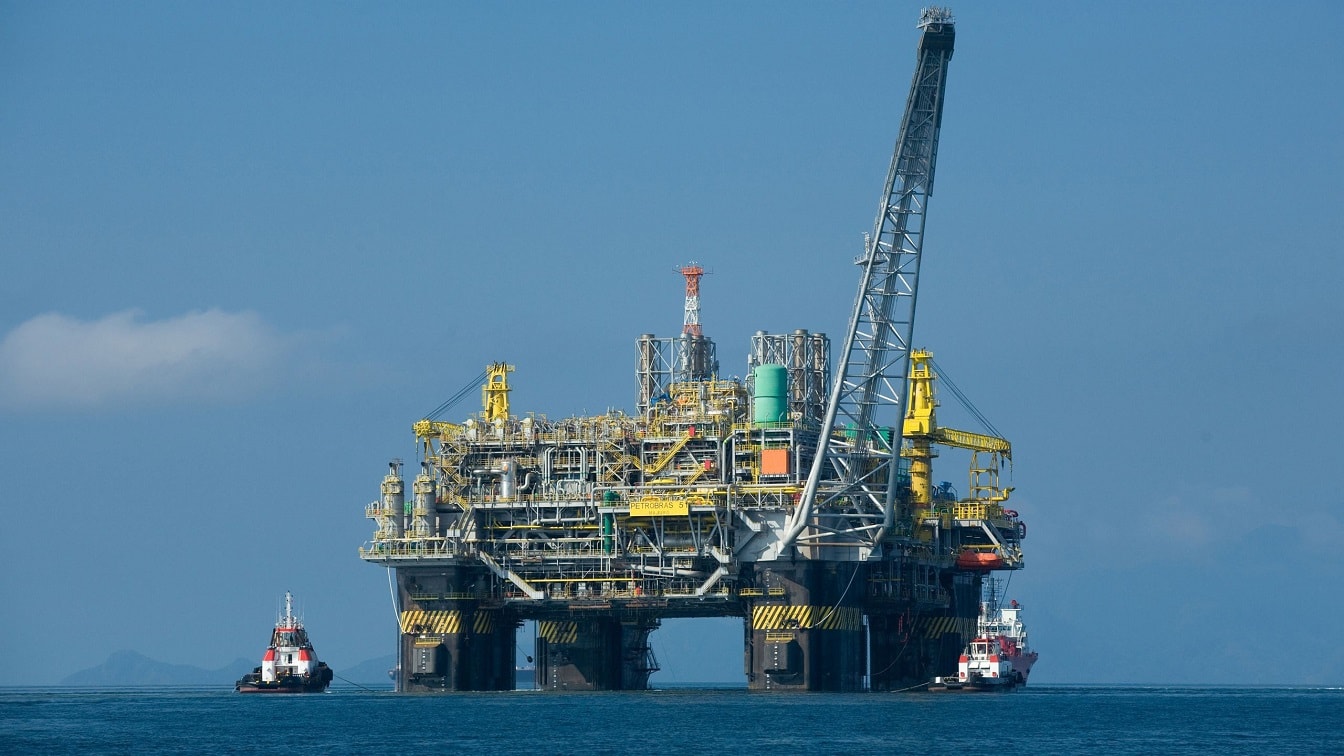
A refinery is not simply a large industrial building. It is a conversion hub that turns crude into the fuels that keep trucks, generators, aircraft support vehicles and military logistics moving. Russia can continue exporting crude or redirecting some production, but losing refining capacity creates a different problem: bottlenecks, regional shortages, longer transport routes and pressure on domestic prices.
Ukraine's long-range strike campaign has already demonstrated the basic logic. Drones are cheaper than the air-defence missiles needed to stop them, and a fire at a processing unit can force a facility to slow or halt operations even when the physical damage looks limited. The weapon does not need to destroy a refinery permanently. It only needs to create repeated interruptions at the wrong point in the supply chain.
That is why the headline figure is not the number of drones launched. It is the number of refinery days Russia cannot reliably recover.
Moscow's winter strategy creates the incentive
According to reporting by Al Jazeera and the Kyiv Independent, Zelenskyy described a new Russian doctrine that increasingly targets civilian sites and energy infrastructure. The immediate military purpose is familiar: degrade electricity, heating and water systems before the coldest months, complicate Ukrainian mobilisation and make the war visible in every home.
But the political calculation is just as important. Moscow is betting that hardship will fracture Ukrainian morale and that European governments will grow tired of financing air defence and emergency energy imports. Kyiv's answer is to impose a cost Russia cannot hide from its own population. If Russian attacks are meant to turn infrastructure into leverage, Ukrainian counterstrikes threaten to turn Russian fuel availability into leverage instead.
That is a dangerous logic, but pretending it does not exist would be worse. The conflict is already an infrastructure war. Zelenskyy's statement makes the reciprocal part explicit.
Why the escalation still has limits
Ukraine cannot treat every Russian refinery as an easy target. Refineries are dispersed, defended and politically sensitive. A successful strike may interrupt production without changing Moscow's overall military capacity, especially if Russia can move fuel by rail, draw on stocks or import refined products through friendly states. Ukraine also has to conserve scarce long-range systems and avoid spending them on targets that produce dramatic footage but little operational effect.
There is a second constraint. Russia has repeatedly used attacks on Ukrainian energy facilities to justify further strikes, and a sustained campaign against refineries gives Moscow a ready-made argument for widening the target list. That does not make the Ukrainian threat illegitimate. It does mean Kyiv is choosing an escalation ladder where every rung is visible.
The equipment matters here. Russian forces rely on a mix of cruise missiles, ballistic missiles and one-way attack drones to saturate air defences. Ukraine's response has leaned heavily on domestically produced long-range drones, which offer persistence and scale but lack the explosive mass of a large missile. The contest is therefore less about a single decisive strike than about whether each side can keep repairing, defending and supplying its network faster than the other side can disrupt it.
Europe is watching the wrong scoreboard
Germany's Chancellor Friedrich Merz arrived in Kyiv on October 4 as Russian attacks intensified, with reporting from Reuters, CNBC and France 24 pointing to additional military support and a prospective drone agreement. The timing is not incidental. Europe is discussing weapons deliveries while Ukraine is warning that the next phase of the war will be fought against fuel and power infrastructure.
European governments should stop measuring support only in tanks, missiles and annual aid totals. Air-defence interceptors, repair equipment, grid components, mobile generators and refinery protection may now matter just as much. So will intelligence that helps Ukraine distinguish a high-value processing node from a target whose destruction merely creates political theatre.
The uncomfortable point is that European support can reduce civilian suffering while also enabling Ukraine to impose deeper costs on Russia. That is not a contradiction, but it requires a clearer political explanation. If allies want Ukraine to defend itself, they cannot act surprised when defence reaches beyond the trench line. At the same time, Kyiv needs a campaign that serves a military purpose rather than simply answering every Russian strike in kind.
The winter test will be measured in recovery time
The strongest signal in Zelenskyy's warning is not that Ukraine will attack oil. It is that both sides now view infrastructure disruption as a seasonal campaign. Russia wants to make Ukraine's winter expensive and unstable. Ukraine wants to make Russia's war machine pay for that strategy at home.
Watch three indicators over the coming weeks: refinery utilisation and fuel prices inside Russia, the frequency of Ukrainian long-range drone launches, and the speed with which European partners deliver air-defence interceptors and energy-repair equipment. Those indicators will reveal whether Kyiv has built a sustainable pressure campaign or merely announced one.
Russia's winter strategy was supposed to turn Ukrainian infrastructure into a weapon against Ukrainian society. It may instead turn the refinery into the war's most important battlefield. The question for Europe is not whether this escalation is comfortable. It is whether Europe is prepared for the consequences of helping Ukraine survive it.
Sources: Reuters; The Guardian; Deutsche Welle; Al Jazeera; The Kyiv Independent.
Ukraine is intensifying strikes on Russian oil refineries as part of a military strategy to disrupt Russian logistics and retaliate against attacks on civilian infrastructure. President Zelenskyy emphasized the importance of targeting energy assets, marking a shift towards reciprocal infrastructure warfare. This strategy aims to impose costs on Russia while complicating its winter campaign against Ukraine. Key indicators to monitor include refinery utilization and fuel prices in Russia.
- Ukraine plans to intensify strikes on Russian oil refineries.
- Zelenskyy described a new Russian doctrine targeting civilian sites and energy infrastructure.
- The conflict is characterized as an infrastructure war with both sides targeting energy assets.
- European support is crucial for Ukraine's military strategy against Russian fuel availability.
- Indicators to watch include refinery utilization and fuel prices in Russia.