
Urgent Order Delivery, Examining Innovative Design, Gulf Countries' Global Emergency Procurement of Air Defense Ammunition
[Global Times Special Correspondent Xie Zhao] The ongoing conflict between the U.S., Israel, and Iran, which has lasted for more than a month, has caused heavy losses for Gulf countries, with their air defense munitions nearly depleted. The U.S. Wall Street Journal reported on the 12th that these Gulf countries are urgently searching globally for various air defense systems and alternative innovative solutions, taking advantage of the current fragile ceasefire agreement between the U.S. and Iran.
South Korea Becomes the Biggest Beneficiary
According to reports, the intensity of the retaliatory attacks by the U.S. and Gulf countries against Iran during the conflict was unexpected. The U.S. New York Times stated that by early April, Gulf countries had intercepted thousands of Iranian missiles and drones, consuming a large amount of their air defense missile stockpiles, with the UAE and Bahrain's Patriot-3 air defense system interceptors depleting more than 75% of their inventory.
Although the U.S. government previously approved the sale of $23 billion worth of weapons to the UAE, Kuwait, and Jordan, including the Patriot-3 air defense system and associated radar, the U.S. itself has also severely depleted its ammunition stockpiles during the conflict and needs to prioritize replenishing its own requirements, thus delaying the fulfillment of ammunition replenishment requests from other allies, with many pieces of equipment needing to wait years for delivery. Under pressure, Gulf countries have begun to diversify their supply chains to obtain alternative missile defense systems.
The Singapore United Morning Post cited an analysis report from Morgan Stanley stating, "The demand for air defense missiles in the Middle East is rising rapidly, partly due to countries wanting to reduce their dependence on U.S. suppliers and replace outdated weapon systems. As existing interceptor missile stocks are consumed, these countries may accelerate their replenishment efforts."
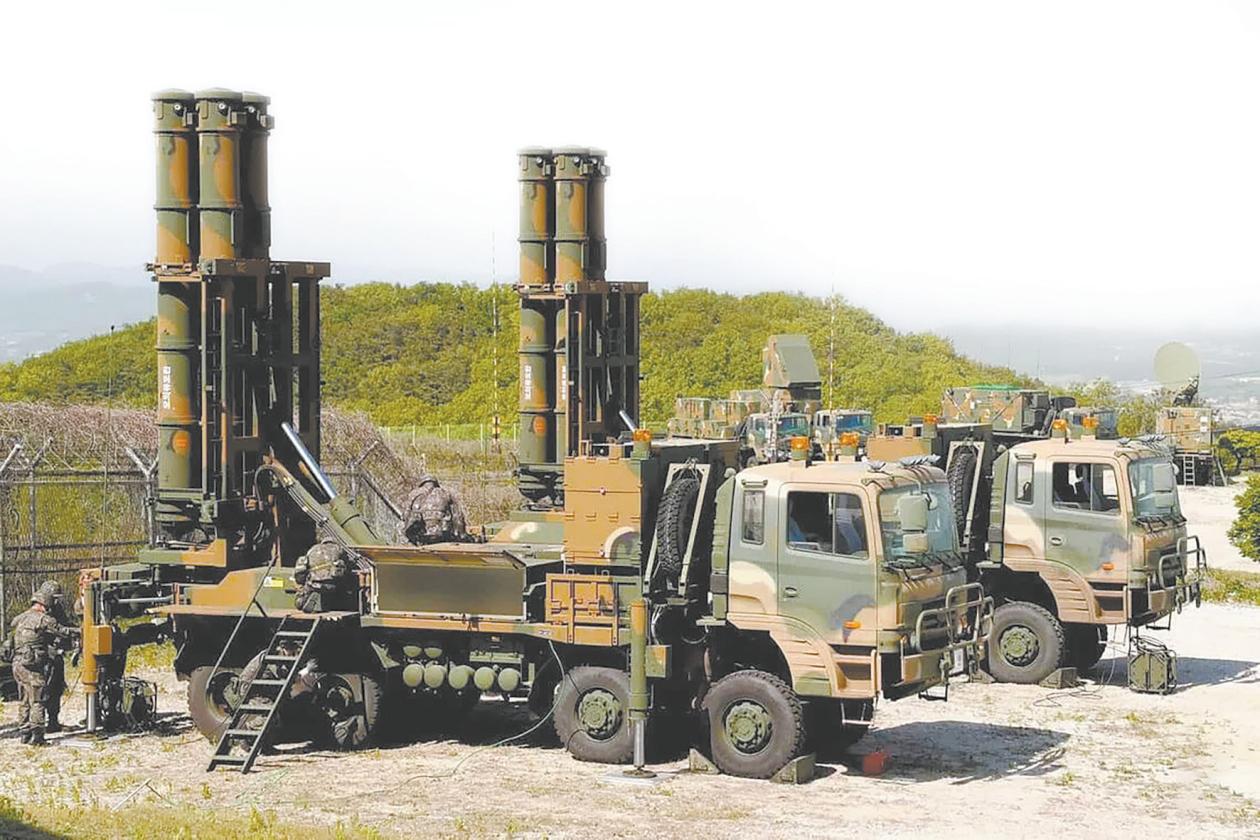
Reports indicate that informed sources revealed that, with U.S. arms production unable to keep up with demand, Saudi Arabia has requested South Korea to expedite the delivery of its ordered Cheongung-2 medium-range air defense system. The UAE has also requested South Korean companies to provide more interceptor missiles. South Korean Finance Minister Choo Kyung-ho told Bloomberg, "Middle Eastern countries are now lining up to purchase South Korean missiles."
It is reported that the Cheongung-2 is a medium-range air defense system with a maximum range of about 40 kilometers, capable of intercepting drones, missiles, and aircraft. Compared to the Patriot-3 missile defense system, which costs up to $4 million per interceptor missile, the cost of the Cheongung-2 interceptor missile is less than a quarter of that.
As early as 2022, the UAE spent $3.5 billion to purchase 12 sets of the Cheongung-2 system from South Korea, with several sets already delivered. In February 2024, Saudi Arabia signed a $3.2 billion arms sale contract with South Korea to procure 10 sets of the Cheongung-2 system. Additionally, Iraq has also spent about $2.63 billion to procure 8 sets of the Cheongung-2 air defense system.
Since most of the drones launched by Iran do not have active evasion capabilities, they have become the most suitable targets for the Cheongung-2 missiles. South Korean media reported that during the U.S.-Israel-Iran conflict, the UAE's use of this missile to intercept Iranian drones achieved a hit rate of up to 90%, comparable to the U.S.-made Patriot system. The United Morning Post quoted an anonymous South Korean government official stating that at the request of the UAE, South Korea has agreed to deliver dozens of Cheongung-2 missiles ahead of schedule.
Ukraine Promotes "Cheap Solutions" to the Middle East
The Wall Street Journal reported that in addition to introducing South Korean air defense systems that can be delivered quickly and at a low cost, Gulf countries are also discussing relevant tactics for intercepting drones with Ukraine.
Reports indicate that Saudi Arabia recently signed a defense cooperation agreement with Ukraine, focusing on weapon production and experience sharing. Qatar has also signed a similar cooperation agreement with Ukraine. Recently, Qatari officials visited a drone interception training ground in Ukraine and met with representatives from one of the country's largest defense companies. Informed sources revealed that the UAE is also negotiating a defense cooperation agreement with Ukraine.
U.S. Defense News stated that during the four-year Russia-Ukraine conflict, Ukraine has accumulated rich experience in intercepting Iranian "Shahed" series drones. At the end of March, Ukrainian President Zelensky visited several Middle Eastern countries to promote Ukraine's "cheap solutions" for intercepting drones.
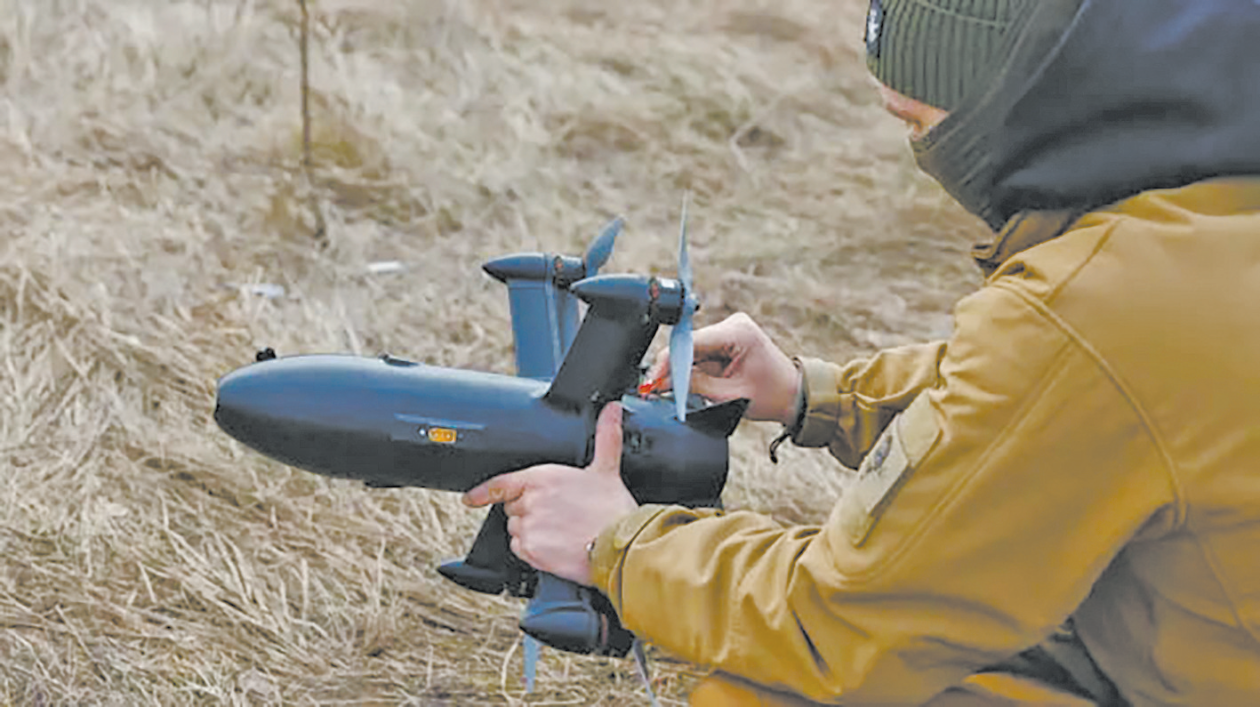
Reports indicate that compared to expensive traditional air defense systems, Ukraine has developed a complete set of relatively inexpensive detection and interception systems for drones. Several Ukrainian companies have launched a variety of interceptor drones, such as the P1-SUN interceptor drone developed by SkyFall, which is known as the "king of cost-effectiveness," priced at only about $1,000, with a monthly production capacity of up to 50,000 units. It uses modular 3D printing technology, weighs less than 4 kilograms, and can reach a maximum speed of 450 kilometers per hour, capable of destroying slowly flying "Shahed" drones through direct impact. Another star product of interceptor drones is the STING drone from "Wild Hornet" company, which has a maximum speed of 280 kilometers per hour, a range of 37 kilometers, and a price between $1,000 and $2,500.
Since the price of "Shahed" drones typically ranges from several thousand to tens of thousands of dollars, the P1-SUN interceptor drone also breaks the cost dilemma of countering cheap drones.
AFP reported that on the 10th, Zelensky revealed in an interview that the Ukrainian troops deployed to the Middle East in March have proven their combat effectiveness and have shot down Iranian drones in "multiple" countries in the region. He also stated that the Ukrainian military personnel deployed to the Middle East to provide expertise in counter-drone operations will "continue to work in the region" after a temporary ceasefire agreement is reached between the U.S. and Iran.
However, the Wall Street Journal believes that Ukrainian arms manufacturers may not have sufficient supply or export capacity. Currently, Ukraine needs enough interceptor drone production capacity to meet its own demand for interceptor drones. For example, "Wild Hornet" company can produce more than 10,000 interceptor drones per month, but these are necessary equipment to meet Ukraine's own needs. Due to severe damage to Ukraine's defense industry during the Russia-Ukraine conflict, further increasing production capacity also faces difficulties.
Additionally, there are reports that Ukraine hopes to use these interceptor drones in exchange for high-end air defense missile systems from Gulf countries, but no clear response has been received so far.
Seeking Help from Startups
Furthermore, Gulf countries are also seeking new equipment for intercepting drones from startups. Reports indicate that in March, officials from several Gulf countries met with executives from British defense companies at a military camp near Buckingham Palace. The UK's Minister of Defence Procurement and Industrial State, Luke Pollard, posed a question to these executives on behalf of them: "What can you deliver in 30 days, 60 days, and 90 days?" This move demonstrates the urgent need of Gulf countries for equipment to counter the threat of cheap drones.
Reports indicate that Cambridge Aerospace in the UK has confirmed that it will supply Gulf countries with small, low-cost missiles designed to destroy drones and other munitions. The company's "Hammer" is a low-cost, rapidly deployable interceptor missile specifically developed for intercepting "Shahed" series drones. It has a range of about 30 kilometers, a maximum speed of 700 kilometers per hour, and is equipped with an X-band radar guidance system, providing precise lethality. Moreover, it adopts a "spiral development" concept, allowing for rapid iteration and upgrades based on real combat feedback.
Additionally, Gulf countries are also seeking other lower-tech, faster-delivery cheap solutions. Jennifer Gauthier, Vice President of Naval Systems and Sustainment at Raytheon, stated that inquiries have been received regarding the company's rapid-fire Gatling gun. Proven in combat, the mobile rapid-fire machine gun, which can be mounted on trucks, is an effective low-cost measure to intercept cheap drones.
At the same time, countries are also developing specialized ammunition suitable for intercepting drones. A bullet developed by Ukraine, named "Little Pea," can break into multiple fragments after being fired to expand the hit range. The U.S. Navy Surface Warfare Center stated in February that it is developing a "drone killer round," whose warhead can split into three fragments. Additionally, Thales Group is developing a 70mm airburst rocket equipped with steel balls, which can be used to intercept "Shahed" series drones.
Gulf countries are urgently procuring air defense systems due to the depletion of their missile stocks amid ongoing conflicts. The UAE and Bahrain have consumed over 75% of their Patriot-3 interceptors. Saudi Arabia has requested expedited delivery of the Cheongung II system from South Korea. Additionally, Ukraine is offering low-cost drone interception solutions to these nations. This situation reflects a significant shift in defense procurement strategies in the region.
- Gulf countries have intercepted thousands of Iranian missiles and drones, depleting their air defense stocks.
- UAE and Bahrain's Patriot-3 systems have over 75% of their interceptors consumed.
- Saudi Arabia has requested expedited delivery of the Cheongung II air defense system from South Korea.
- Ukraine is promoting low-cost drone interception solutions to Gulf countries.
- Gulf nations are diversifying their supply chains for missile defense systems.