
U.S. Air Force extends A-10 Warthog service to 2030
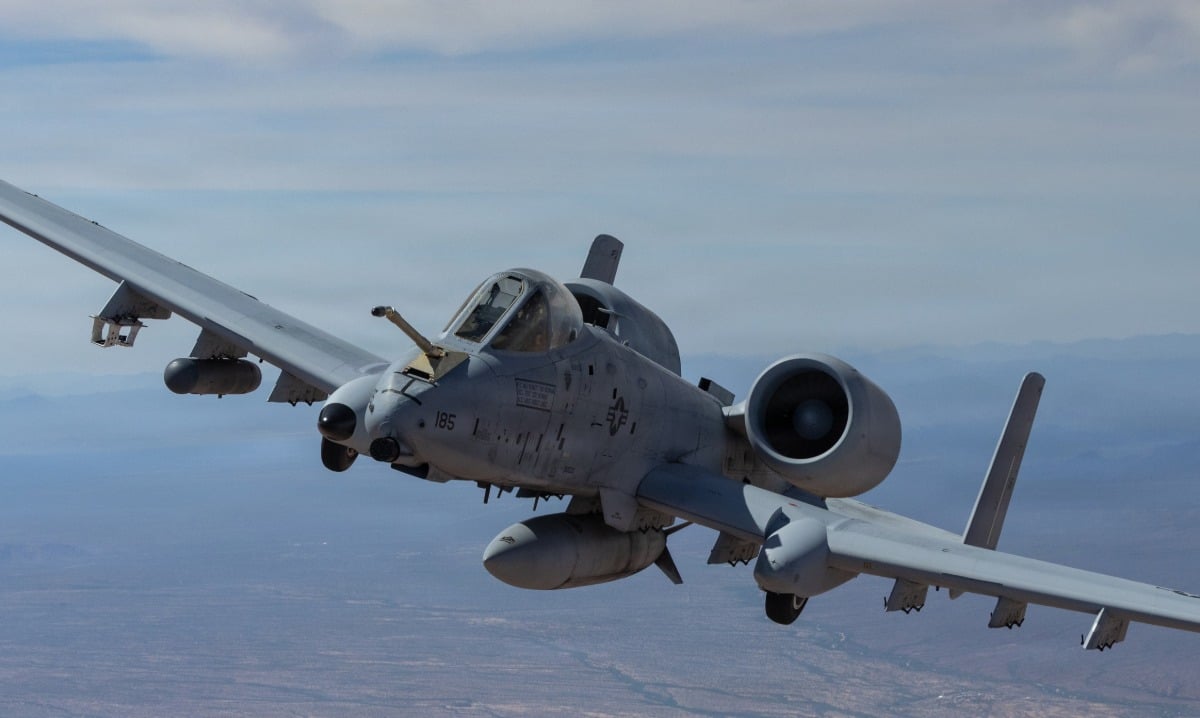
The United States Air Force will keep the A-10 Thunderbolt II, known as the “Warthog,” in service until around 2030, extending the lifespan of a close air support aircraft that has been slated for retirement for years.
The decision was announced by the Office of the Secretary of the Air Force, which confirmed the move in a public statement following consultations with senior defense leadership. “In consultation with the Secretary of War, we will EXTEND the A-10 ‘Warthog’ platform to 2030. This preserves combat power as the Defense Industrial Base works to increase combat aircraft production,” the office wrote.
The statement also acknowledged political backing for the move, adding, “Thank you to President Donald J. Trump for your unwavering support of our warfighters and quick, decisive leadership as we equip our force. More to come.”
Secretary of War Pete Hegseth echoed the message in a separate post, offering a brief but clear endorsement of the aircraft’s continued service: “Long live the Warthog.”
The decision halts, at least for now, the Air Force’s push to retire the A-10 fleet as part of a broader transition toward newer aircraft. For years, the service has argued that modern platforms could take over its mission, but the timeline has shifted as production of next-generation systems continues to ramp up.
Keeping the A-10 in service ensures the Air Force retains a dedicated platform for close air support during that transition. The aircraft was built specifically to assist ground forces in combat, operating at lower speeds and altitudes than most fighter jets. That allows pilots to identify targets more clearly and remain over the battlefield longer, a key advantage when supporting troops in contact.
The Warthog is centered around its GAU-8/A Avenger 30mm cannon, designed to engage armored vehicles and fortified positions with high accuracy. Its rugged design includes heavy armor around the cockpit and redundant flight systems, enabling it to continue flying even after taking damage. The aircraft can also operate from austere or damaged runways, adding to its flexibility in forward areas.
Those features have kept the A-10 in demand across multiple conflicts, particularly in environments where sustained air support is required. Its ability to loiter over an area and deliver repeated, precise strikes has made it a preferred option for ground units over decades of service.
For now, the decision locks in the A-10’s role through the end of the decade, ensuring that one of the Air Force’s most recognizable aircraft remains part of its combat inventory as broader changes take shape.
Content preview only. Full article available at source. View Full Article
The U.S. Air Force announced it will extend the service of the A-10 Thunderbolt II until around 2030, preserving its role in close air support during the transition to newer aircraft. This decision, confirmed by the Office of the Secretary of the Air Force, reflects political backing and aims to maintain combat power. The A-10, known for its effectiveness in supporting ground forces, will remain a key asset in the Air Force's inventory.
- The U.S. Air Force will extend the A-10 Thunderbolt II service to 2030.
- The decision was confirmed by the Office of the Secretary of the Air Force.
- Political backing for the decision was acknowledged, including support from President Trump.
- The A-10 is designed for close air support and has been in demand across multiple conflicts.
- The decision halts the push to retire the A-10 fleet for now.