
U.S. Air Force seeks acoustic sensor for drone detection
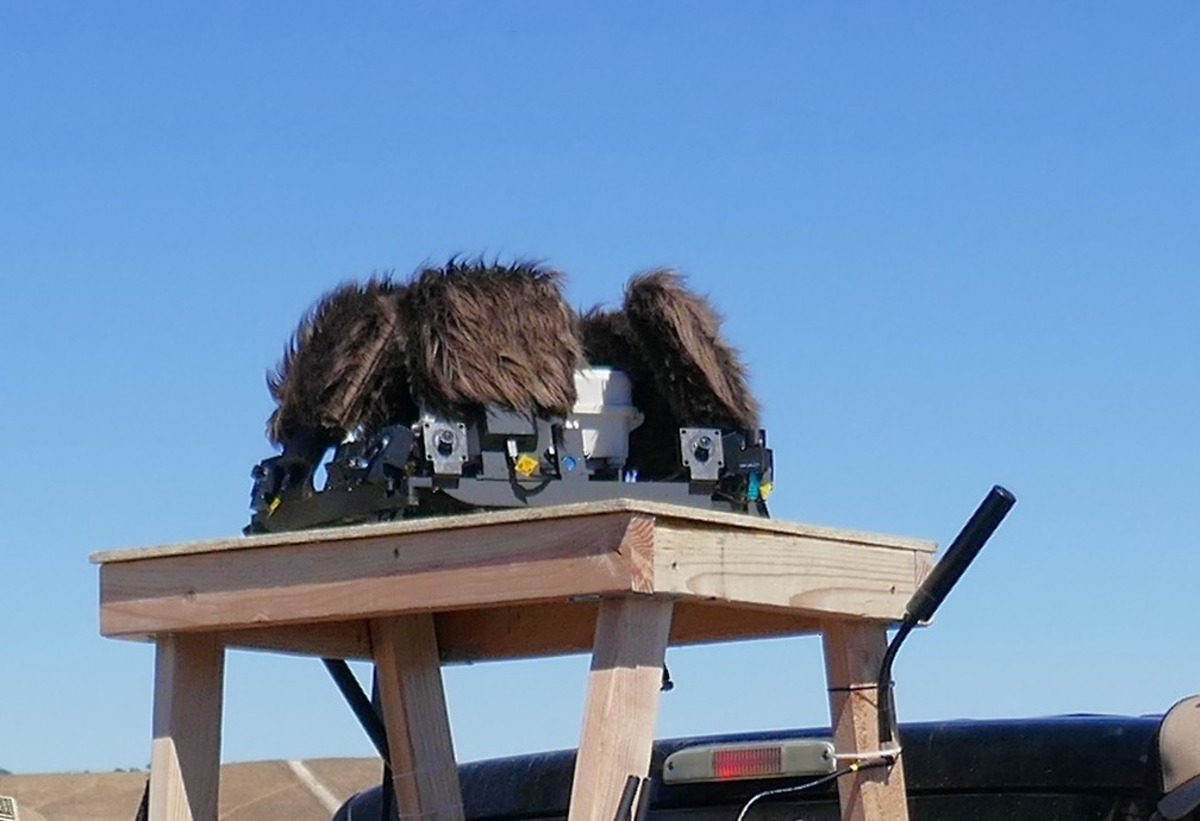
The United States Air Force is looking for industry solutions for a portable passive acoustic sensor that can help troops detect small drones and other nearby threats during both mounted and dismounted operations, according to a request for information released on April 3.
The notice was issued by the Air Force Life Cycle Management Center’s Intelligence, Surveillance and Reconnaissance and Special Operations Forces directorate at Wright-Patterson Air Force Base.
At the heart of the requirement is a clear operational need: giving frontline teams an early warning tool that does not reveal their own position. Unlike radar or active electronic detection systems, the Air Force is specifically asking for a passive sensor, one that listens rather than emits. That distinction is central to the requirement, as the service wants a system that can identify incoming small unmanned aerial systems without creating signals that hostile forces could track.
The request says the sensor must be man-portable and usable both on foot and from vehicles, making it suitable for special warfare units operating in exposed or fast-moving environments. The Air Force also wants the system to provide near-instantaneous directional bearing on threats, including small drones, vehicles, and small-arms fire. In simple terms, troops need to know almost immediately where a threat is coming from the moment the system picks up its acoustic signature.
That focus on passive detection reflects the growing challenge posed by small drones on today’s battlefield. Commercially derived quadcopters and other low-cost unmanned systems are now widely used for surveillance, target spotting, and attack missions. Because these aircraft often fly low and present a limited radar signature, they can be difficult to track with larger air defense systems, especially at the tactical edge where special operations teams and forward units are operating.
An acoustic sensor offers a different layer of protection. Instead of relying on radar returns, it detects sound patterns such as the noise produced by motors and propellers. The Air Force’s requirement for an omni-directional passive sensor means the device must provide 360-degree awareness, allowing troops to determine the direction of an approaching drone or vehicle without manually orienting the system.
The notice also calls for the sensor to integrate with an end-user device, indicating that the data may be displayed on a handheld tactical device or mission tablet already used by deployed operators. In addition, the Air Force wants a single device capable of tracking a moving target using decibel readings, which would allow teams to follow the movement of a drone or ground vehicle after initial detection.
The timeline outlined in the notice points to a relatively fast evaluation cycle. The Air Force is asking vendors to indicate whether they can deliver two units within six months of receiving an order, suggesting the service may be preparing for a rapid prototype assessment or operational trial. Interested companies are being asked to provide technical specifications, test data, training materials, drawings, and cost estimates, along with details on warranties, spare parts, and any planned upgrades.
Responses are due by May 4, and the Air Force said it may follow up with demonstrations, discussions, or site visits as it reviews available options.
Content preview only. Full article available at source. View Full Article
The U.S. Air Force is seeking industry solutions for a portable passive acoustic sensor to detect small drones and nearby threats, as outlined in a request for information issued on April 3, 2023, from Wright-Patterson Air Force Base. The sensor is required to be man-portable, provide 360-degree awareness, and integrate with existing tactical devices. Responses from interested vendors are due by May 4, 2023, indicating a potential rapid prototype assessment.
- The U.S. Air Force is looking for a portable passive acoustic sensor for drone detection.
- The request was issued by the Air Force Life Cycle Management Center.
- The sensor must be man-portable and provide 360-degree awareness.
- Responses from interested companies are due by May 4, 2023.
- The Air Force aims for a rapid prototype assessment or operational trial.