
U.S.-Iran Nuclear Talks "Temporarily" End: Understand the Latest Developments in One Article
Iran and the United States held indirect negotiations in Muscat, the capital of Oman, on February 6. Iranian Foreign Minister Zarif stated after the talks that the negotiations started well, and both sides reached a consensus on continuing the discussions. In contrast, the U.S. side, which has been relatively "low-key" with few related announcements, announced on the 6th that it would impose sanctions on Iranian-related entities and individuals.
Before the negotiations, the White House had stated that achieving "zero nuclear capability" is a position repeatedly emphasized by President Trump; however, according to Iranian sources on the 6th, Iran made it clear during the U.S.-Iran negotiations that it would never accept the condition of "no uranium enrichment activities."
The negotiations on the 6th began around noon, slightly delayed from the scheduled time. The Iranian delegation was led by Zarif, while the U.S. delegation was led by President Trump's special envoy Hook and Trump's son-in-law Kushner. Reports indicated that General McKenzie, the commander of U.S. Central Command, participated as a member of the U.S. delegation. The commander of U.S. Central Command is the highest-ranking military commander of the U.S. in the Middle East.
Iranian Foreign Minister: U.S. and Iran Reach Consensus on Continuing Negotiations
Iranian Foreign Minister Zarif stated on the 6th that the negotiations in Muscat, Oman, started well, and both sides reached a consensus on continuing the talks. Zarif described the discussions as positive, with both sides engaging in long, substantive dialogue, saying, "I think the atmosphere is good; it is a good start." He noted that if the negotiations continue in this manner, it may be possible to reach a framework acceptable to both sides, but whether the talks continue will depend on the leadership of both countries.
Oman's Foreign Minister Badr also posted on social media the same day, stating that all parties plan to hold further negotiations at an appropriate time, and both the U.S. and Iran will take the results of the talks back to their respective capitals for careful study.
U.S. Announces Sanctions on Entities and Tankers Related to Iranian Oil Trade
Meanwhile, reporters in Muscat observed that Iran has been actively releasing information regarding the negotiations, while the U.S. side has issued few related announcements, maintaining a low profile that seems to cool the atmosphere surrounding the talks.
On the same day that the U.S. and Iran held negotiations, the U.S. State Department issued a statement announcing sanctions on multiple entities, individuals, and tankers related to Iranian oil trade, aiming to combat Iran's "illegal oil traders" and "shadow fleet."
Multiple Parties Call for Diplomatic Means to Peacefully Resolve Disputes between U.S. and Iran
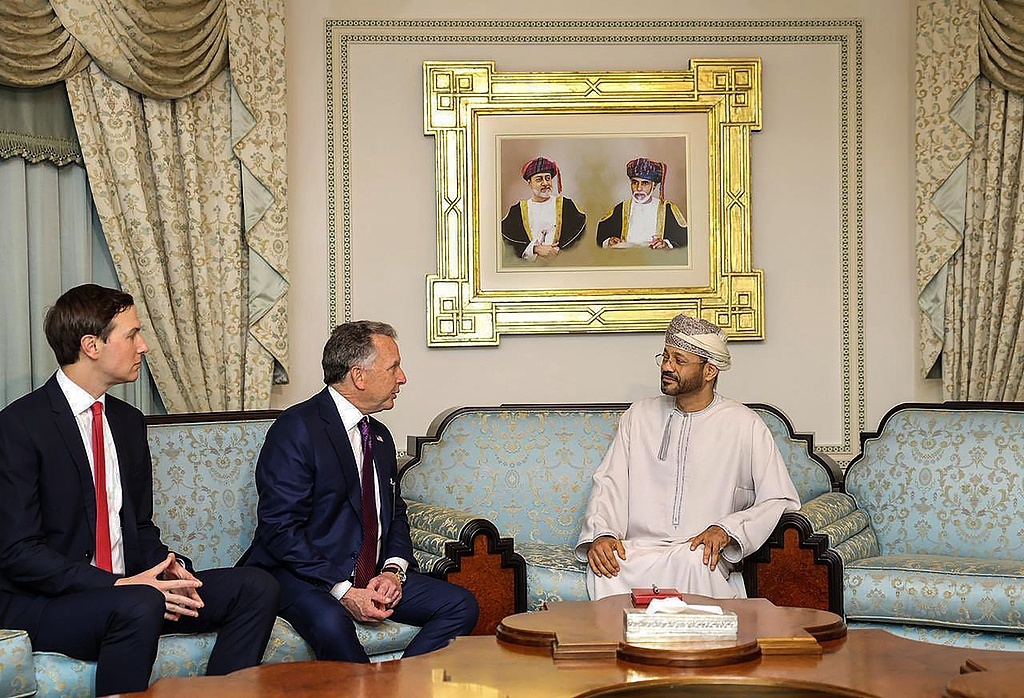
Oman's Foreign Minister Badr stated on social media on the 6th that the negotiations held that day in Muscat between Iran and the U.S. were "very serious." He said this helps both sides clarify their positions and identify areas where progress may be possible. All parties plan to hold further negotiations at an appropriate time, and both the U.S. and Iran will take the results of the talks back to their respective capitals for careful study.
The Qatari Foreign Ministry issued a statement that day welcoming the negotiations between Iran and the U.S. in Muscat. The statement expressed Qatar's hope that the negotiations would lead to a comprehensive agreement that balances the interests of all parties and contributes to strengthening regional security and stability.
The Jordanian Ministry of Foreign Affairs and Expatriates also issued a statement that day welcoming the negotiations between the U.S. and Iran in Muscat. The Jordanian Foreign Ministry expressed hope that the negotiations would lead to a comprehensive agreement that balances the interests of both sides and contributes to enhancing regional security and stability.
On the 6th local time, United Nations Secretary-General Guterres issued a statement through a spokesperson welcoming the resumption of talks between Iran and the U.S. that day and expressing hope that these talks would help ease regional tensions and prevent a broader crisis.
On the Eve of Negotiations
Both U.S. and Iran Take Actions
On the eve of these negotiations, relevant parties including Iran, the U.S., and Israel have taken various military and political actions:
On the Iranian side, in addition to showcasing one of its key pillars of "active deterrence"—the Khorramshahr-4 ballistic missile—starting from the evening of the 6th local time, the Iranian armed forces entered the highest state of alert. Details>
U.S. White House Press Secretary Levitt stated on the 5th that the U.S. goal is for Iran to have no nuclear capability, and that the U.S. still prefers diplomacy, but also has "many other options."
According to reports from the central station on the 5th, Israeli Prime Minister Netanyahu stated during a discussion at the Knesset's Foreign Affairs and Defense Committee that Israel is prepared to launch a "very severe strike" against Iran, with the level and intensity of preparation far exceeding the strikes against Iran in June of last year.
What Information Does This U.S.-Iran Nuclear Negotiation Reveal?
So, what information does this U.S.-Iran nuclear negotiation reveal? From the recent statements of various parties, how should we view Israel's attitude changes before and after the U.S.-Iran negotiations? Qin Tian, deputy director of the Middle East Institute of the China Institute of Contemporary International Relations, believes that there are three key words in this negotiation.
1
High Difficulty
First, this negotiation is indeed quite difficult. The U.S. and Iran have a long-standing adversarial relationship, and during the "12th War" in June of last year, the U.S. bombed Iran's nuclear facilities, placing their relationship at a historical low. Conducting negotiations in this atmosphere is inherently challenging, and there has been no consensus on the main topics of discussion. Therefore, the advancement of this negotiation indeed faces significant challenges.
2
Time Constraints
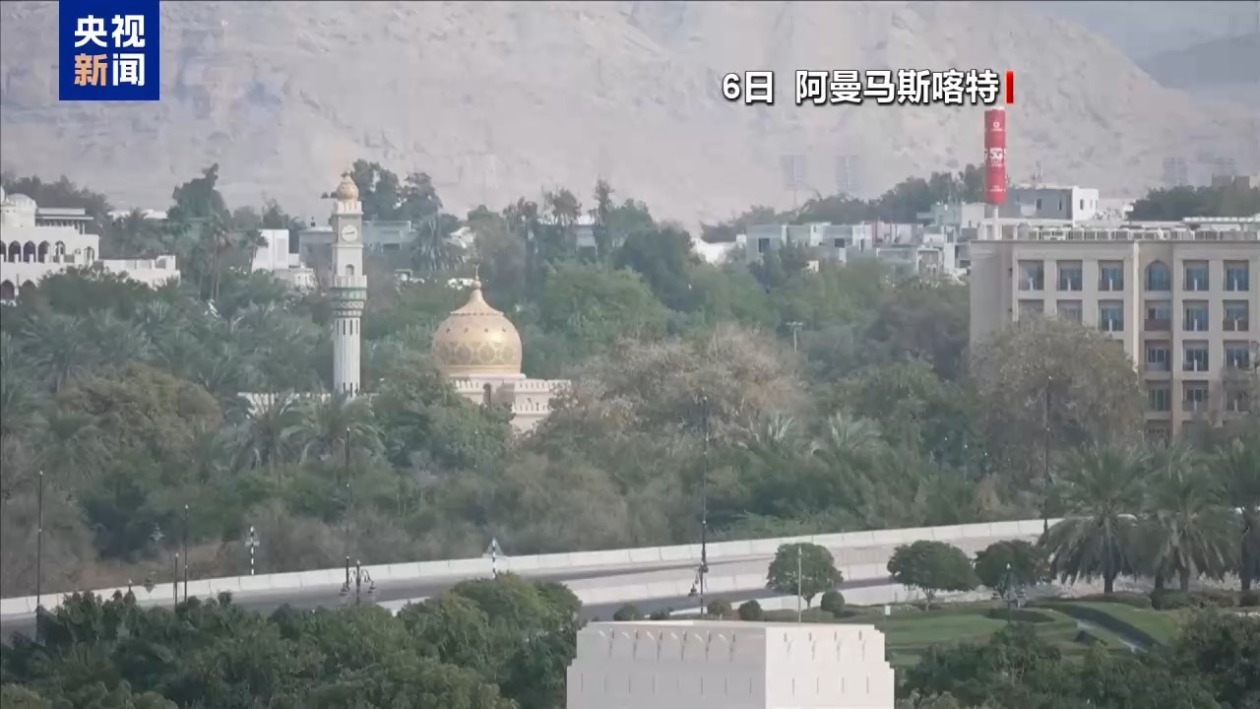
Second, the time for negotiations is also very tight. This negotiation is of a temporary nature; it is not a long-planned process that both sides can approach with patience. In fact, it is taking place against the backdrop of recent tensions, especially with the U.S. threatening military action against Iran, so it is conceivable that the U.S. government will not allow too much time for these negotiations. Thus, this very tense negotiation window itself creates a significant sense of urgency and pressure.
3
Hope and Risk Coexist
Third, the outcome of the negotiations carries a certain degree of uncertainty, which can be said to be a coexistence of hope and risk. From the perspective of "hope," prior to these negotiations, Iran has shown some flexibility on nuclear issues.
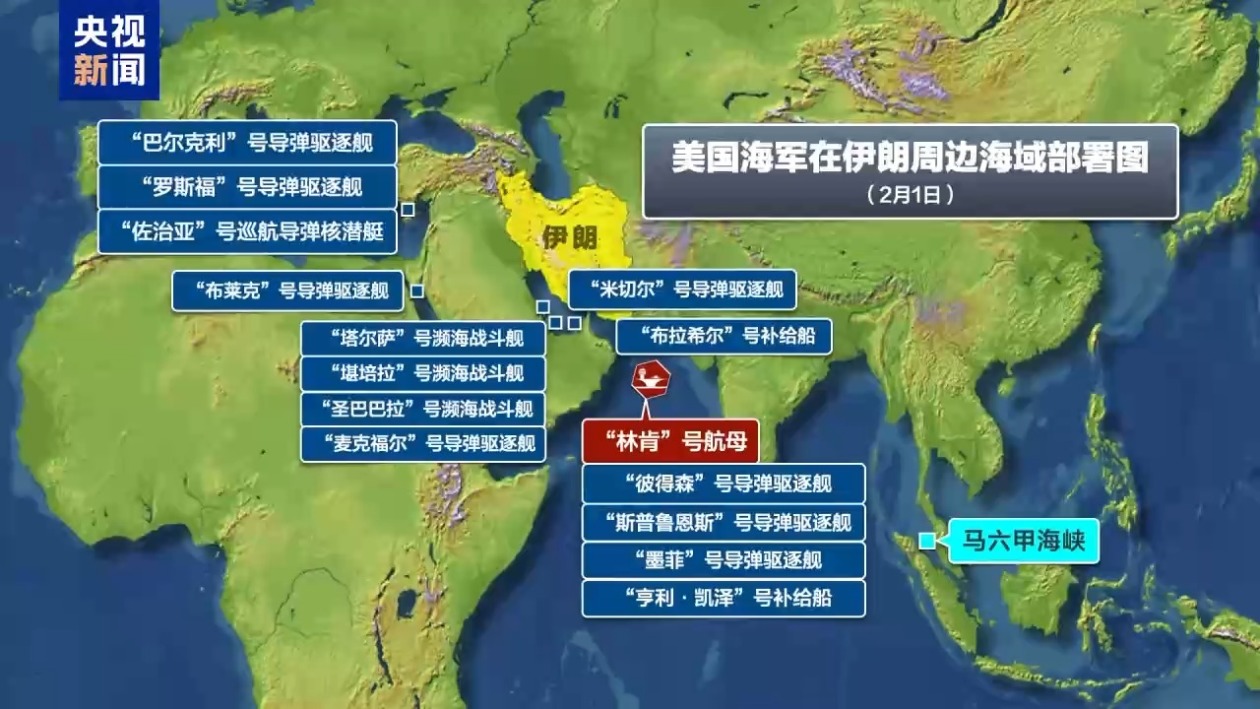
Experts point out that while there is hope, if these negotiations fail, the U.S. will clearly continue to pursue military action. Through the recent troop increases in the Middle East, the U.S. military deployment for a potential attack on Iran is already in place, and it can be said to be at a stage where "it can strike at any time." Therefore, this U.S.-Iran negotiation transcends the traditional so-called negotiations on the Iranian nuclear issue and directly impacts the war and peace in the Middle East.
Iran and the U.S. engaged in indirect negotiations in Muscat, Oman on February 6, with Iran's Foreign Minister reporting a positive start and agreement to continue discussions. Concurrently, the U.S. imposed sanctions on Iranian entities involved in oil trade. Regional countries welcomed the talks, highlighting their importance for regional stability.
- Iran and the U.S. held indirect negotiations in Muscat, Oman on February 6.
- Iran's Foreign Minister stated that the talks began positively and consensus was reached on continuing negotiations.
- The U.S. announced sanctions against Iranian entities related to oil trade on the same day as the negotiations.
- Iran emphasized it would not accept conditions prohibiting uranium enrichment.
- Regional actors, including Qatar and Jordan, expressed support for the negotiations.