
U.S. Marine Corps holds first-ever attack drone competition
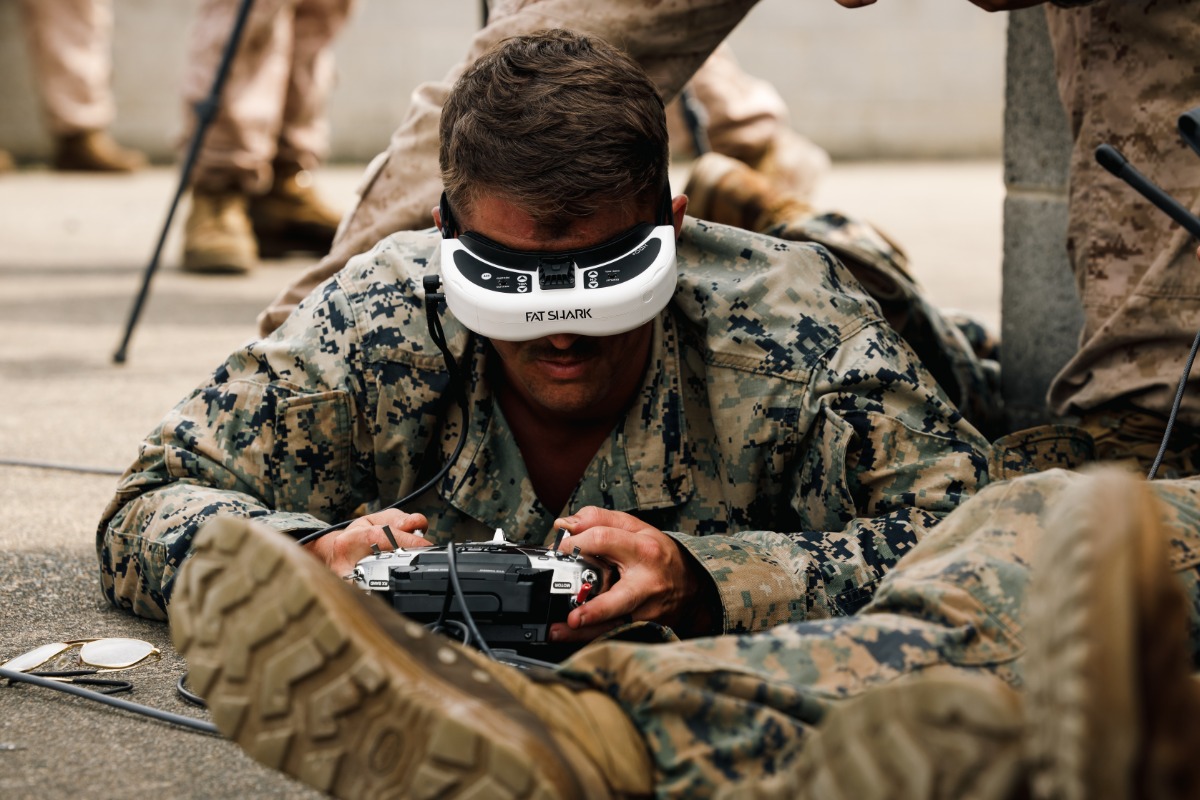
The U.S. Marine Corps held its first Attack Drone Competition August 10-14 at Marine Corps Base Quantico, Virginia, testing Marines from 3rd Littoral Combat Team and 4th Marine Division on strike planning, target engagement and survival against the very drone threats they were trained to employ, U.S. Marine Corps Training and Education Command reported.
Weapons Training Battalion, part of Training Command, hosted the event. Teams conducted strike planning and execution, intelligence, surveillance and reconnaissance integration, urban and night operations, long-range strikes and moving-target engagements. Competitors had to synchronize multiple attack drones against separate targets at nearly simultaneous times on target.
The exercise also placed competitors on the receiving end of drone warfare. An opposing force used ISR to locate and track teams, forcing competitors to manage their signatures and respond to the threat while still completing their assigned missions.
“Being on the receiving end of the weapon system we’re trained to employ was humbling, to say the least,” said Lance Cpl. Georgino Perez, an infantryman with 3rd Littoral Combat Team and an FPV drone pilot. “It highlighted the need for more training, not only on how to employ these systems, but how to survive against them.”
The competition gave Weapons Training Battalion insight into how to sharpen current attack drone training, including long-range aerial navigation, time-on-target planning, hide-site and antenna management, emergency protective actions, escape and evasion, and signature management.
“The experience gained at the championship is important to the Marine Corps’ train-the-trainer model,” said Col. Charles E. Anklam III, commanding officer of Weapons Training Battalion. “Marines who develop proficiency through advanced training and competition can take those lessons back to their units and help build more capable attack drone teams throughout the Fleet.”
FPV operators from 4th Marine Division won the competition, which concluded with an awards ceremony.
The Marine Corps plans to expand the competition for fiscal year 2027, introducing a dedicated opposing force and electronic warfare effects while extending engagement distances to as much as 20 kilometers (12 miles). The changes are intended to build on lessons from this year’s event and further test teams operating attack drones in a contested environment.
Content preview only. Full article available at source. View Full Article
The U.S. Marine Corps conducted its first Attack Drone Competition at Marine Corps Base Quantico, Virginia, from August 10-14, 2023, involving teams from the 3rd Littoral Combat Team and 4th Marine Division. The event focused on strike planning, target engagement, and survival against drone threats, with FPV operators from the 4th Marine Division winning. The Marine Corps intends to expand the competition in fiscal year 2027, incorporating a dedicated opposing force and electronic warfare effects.
- The U.S. Marine Corps held its first Attack Drone Competition from August 10-14, 2023.
- Teams from the 3rd Littoral Combat Team and 4th Marine Division participated.
- The competition involved strike planning, target engagement, and survival against drone threats.
- FPV operators from the 4th Marine Division won the competition.
- The Marine Corps plans to expand the competition for fiscal year 2027.