
U.S. Media: Pentagon Officials Worried Actions Against Iran Could Lead to Loss of Control, U.S. Air Defense Reserves May Be Depleted
[Global Network Report, Reporter Zhang Qian] On February 28, the United States and Israel launched military strikes against Iran, resulting in the assassination of Iran's Supreme Leader Khamenei. The Islamic Revolutionary Guard Corps of Iran initiated multiple counterattacks against the United States and Israel. According to reports from the U.S. "Washington Post" and "Beast Daily" on March 1 local time, Pentagon officials are secretly panicking, worried that if the military actions against Iran continue according to the timeline set by President Trump, the situation may spiral out of control. "Beast Daily" stated that U.S. military leaders are sounding the alarm behind the scenes, warning that if the conflict drags on, U.S. air defense reserves will be depleted.
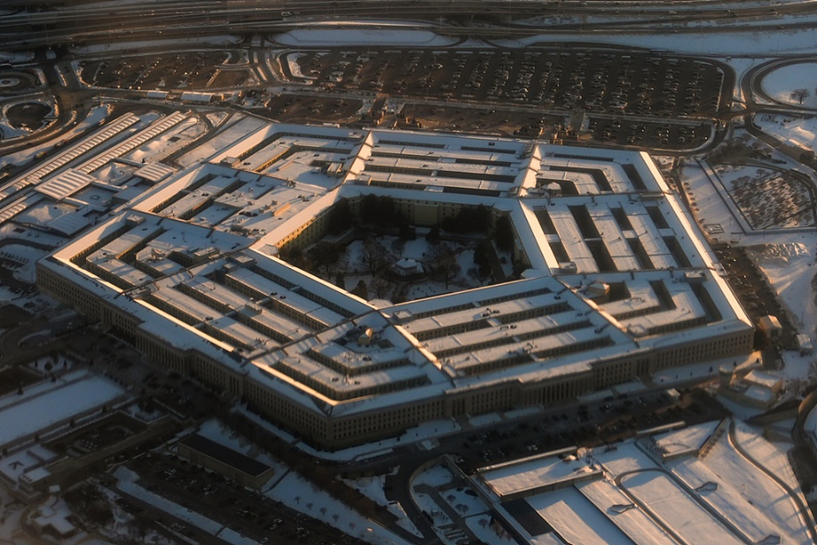
“The atmosphere here is tense and filled with suspicion,” a source told the "Washington Post," indicating that senior U.S. leaders are concerned that prolonged strikes against Iran will further exacerbate the pressure on America's limited air defense reserves.
“People are worried that this situation will last for more than a few days,” a knowledgeable source said. “I think people have not fully realized how much this impacts our equipment reserves.” The source added that typically, two to three air defense missiles are needed to ensure the interception or destruction of incoming missiles during a conflict.
The "Washington Post" reported that Democratic Representative Adam Smith of the House Armed Services Committee described the current state of U.S. reserves as “strained.”
“Now that operations have begun, we cannot tell Iran, ‘Hey, Iran, our missile defense system is running out, so can you pause for a moment?’” Smith stated. “This will put further pressure on our ability to defend all necessary targets.”
The "Washington Post" previously reported that Chairman of the Joint Chiefs of Staff General Mark Milley had warned the White House that issues of weapon shortages and lack of broad support from allies would pose significant risks to any U.S. actions against Iran and endanger U.S. personnel in precarious situations.
The escalation of the U.S.-Israel-Iran conflict has affected multiple countries in the region, resulting in varying degrees of casualties and economic losses. On March 1, President Trump stated that U.S. military operations in Iran are “going smoothly and even ahead of schedule,” but that ending the conflict “depends on many factors.” Trump also mentioned that military actions against Iran could last about four weeks. Additionally, Israeli Prime Minister Netanyahu stated that operations would “further escalate” in the coming days. Iranian Foreign Minister Zarif stated on March 1 that Iran will defend its security without hesitation but has no intention of attacking neighboring countries.
The U.S. and Israel launched military strikes against Iran on February 28, 2023, resulting in the reported death of Iran's Supreme Leader Khamenei. The Pentagon expressed concerns about the potential depletion of U.S. air defense reserves as Iranian forces retaliated. U.S. military leaders warned that prolonged conflict could further strain resources, while Iranian officials affirmed their commitment to national security without plans to attack neighboring nations.
- U.S. and Israel conducted military strikes against Iran on February 28, 2023.
- Iran's Supreme Leader Khamenei was reportedly killed in the strikes.
- The Pentagon is concerned about the depletion of U.S. air defense reserves due to ongoing operations.
- U.S. military leaders warn that prolonged conflict could strain resources.
- Iranian officials state they will defend their security but do not intend to attack neighboring countries.