
U.S. moves leave Ukraine less able to defend itself
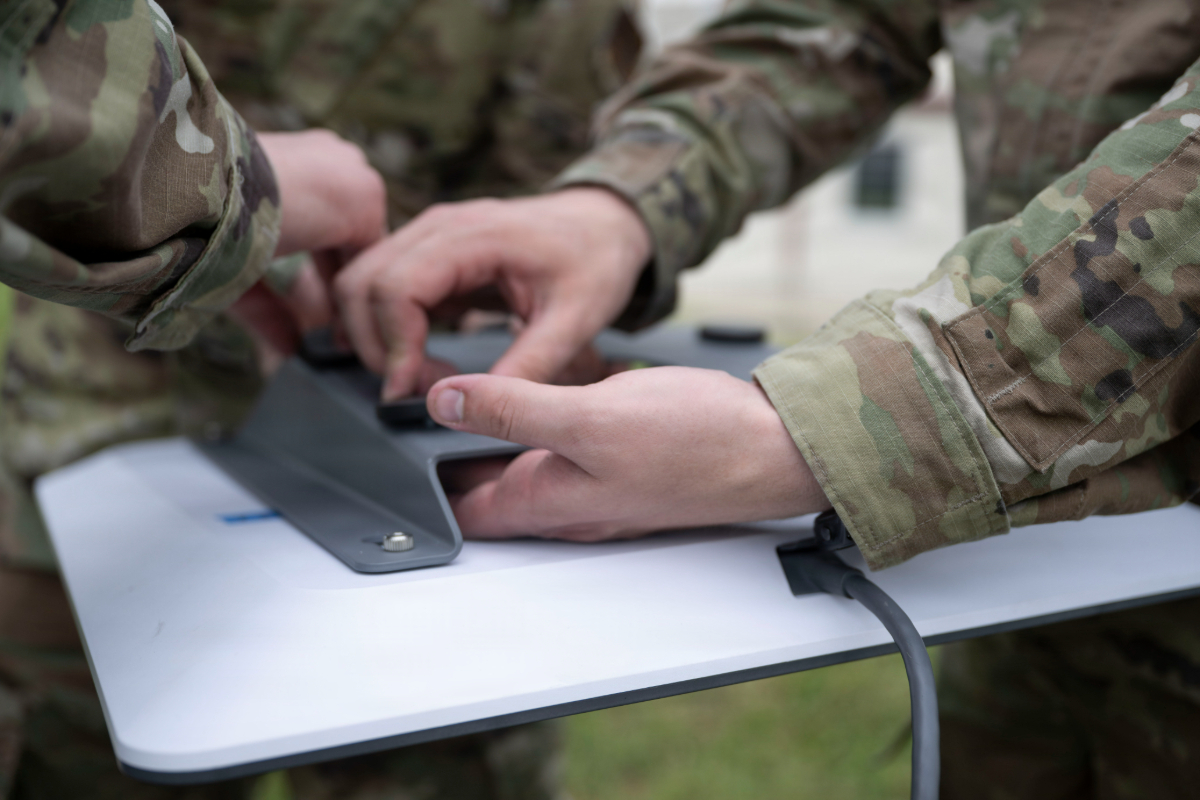
Ukraine’s ability to defend itself against Russian strikes has been limited by two U.S. moves in a single night: the country went without early warning of Russian ballistic missile launches from its partners for a second time in a row, and Starlink, the U.S. satellite service its frontline units depend on, was cut back for the Ukrainian military just as Russia launched one of its heaviest missile attacks on Ukraine’s power grid.
The Ukrainian Air Force said Russia launched a ballistic missile attack on Kyiv at about 10:40 p.m. on Oct. 13, and that once again no information about the launches had come from Ukraine’s partners before the missiles were in the air. The Air Force said the reasons were being investigated.
“The situation is similar to yesterday’s. No information regarding launches from enemy territory had been received from our partners. The reasons are being investigated,” the Ukrainian Air Force said in an official statement.
Ukraine has relied heavily on early warning from the United States, whose satellites can spot the heat of a missile launch deep inside Russia within moments, giving Ukrainian air defense crews time to prepare and giving cities time to sound air raid sirens. Without those alerts, Ukrainian forces only detected the incoming ballistic missiles once they came within range of ground radars, a few minutes before impact, and tried to shoot some of them down. The lost minutes shorten the reaction time for interceptor crews and hit civilians hardest, leaving people in Kyiv and other cities less time to reach shelters and metro stations.
The attack that followed was massive. Zelenskyy said Russia fired 39 ballistic missiles and more than 120 attack drones and loitering munitions overnight into Oct. 14 at energy and critical infrastructure in Kyiv, the Kyiv region and Kharkiv, damaging 26 facilities in the power system and four in the oil and gas sector and leaving at least 600,000 people without electricity. He said there were dead and injured and warned that outages could spread.
Zelenskyy said the missile salvo deliberately targeted the energy infrastructure covered by the ceasefire President Donald Trump announced on Oct. 11, which Moscow never confirmed accepting.
“Russia has never before shown such ostentatious disrespect toward the United States,” said Zelenskyy.
During the same night, Starlink terminals used by Ukraine’s military began losing their connection whenever they moved faster than 160 km/h (100 mph). Serhii Beskrestnov, an adviser to Zelenskyy who is widely known by his call sign “Flash” and who has tracked Russian attempts to jam Starlink along the front, said the restriction hit the military StarShield package of the SpaceX service and that units received no notice before it took effect.
“Our defense forces did not receive any warning about this restriction, and it led to the disruption of a number of missions. It is obvious that this action cannot be a coincidence and is linked to the current political situation,” said Serhii Beskrestnov.
The restriction falls on Ukraine’s defense, not on its strikes inside Russia. SpaceX has never allowed Ukraine to use Starlink for strikes on Russian territory, and Zelenskyy said earlier this month that Kyiv was still asking for that permission, so Ukraine’s long-range drones and cruise missiles that hit targets in Russia do not rely on the service. Starlink has also been unavailable to Russian forces since February, when SpaceX and Ukraine’s Defense Ministry introduced a whitelist that cut off unregistered Russian terminals. Inside Ukraine, Starlink is used on tactical drones and uncrewed ground vehicles that operate over Ukrainian and Russian-occupied territory, so a speed cap above 160 km/h cuts the links of fast tactical strike and interceptor drones fighting Russian troops and drones along the front.
Ukrainian volunteer Serhii Sternenko, who first reported the change, said ordinary satellite terminals kept working and suggested SpaceX may have acted at the request of the Trump administration, while British analyst Jimmy Rushton noted that the limit does nothing to protect the Russian oil refineries Trump has criticized Ukraine for striking.
Ballistic missiles are the hardest part of Russia’s strike packages for Ukraine to stop, because they fly too fast and too high for most of its air defense systems, and Ukraine relies mainly on U.S.-made Patriot batteries to intercept them. Zelenskyy asked Washington and other partners for more Patriot interceptors and called on Trump to impose strong sanctions on Russia under the law sponsored by Sen. Lindsey Graham, which Trump signed in September.
“We ask for additional packages of Patriot missile interceptors for Ukraine,” said Zelenskyy.
The Ukrainian Air Force warned that further Russian attacks cannot be ruled out. Neither the White House nor SpaceX has explained why the missile launch warnings stopped or why the Starlink speed limit was introduced, or said whether either change is temporary.
Content preview only. Full article available at source. View Full Article
Russia launched a massive missile attack on Ukraine's energy infrastructure on October 13-14, 2023, firing 39 ballistic missiles and over 120 drones, leaving 600,000 people without electricity. The Ukrainian Air Force reported no early warning from partners about the missile launches, and Starlink services were restricted, disrupting military operations. President Zelenskyy requested additional Patriot missile interceptors from the U.S.
- Ukraine received no early warning of missile launches from partners for the second consecutive time.
- Russia launched 39 ballistic missiles and over 120 drones targeting energy infrastructure.
- Starlink service for Ukrainian military was restricted, impacting operations.
- At least 600,000 people were left without electricity due to the attacks.
- Ukrainian President Zelenskyy called for more Patriot missile interceptors.