
U.S. Navy signs $49.9M deal for Blackbeard hypersonic strike weapon
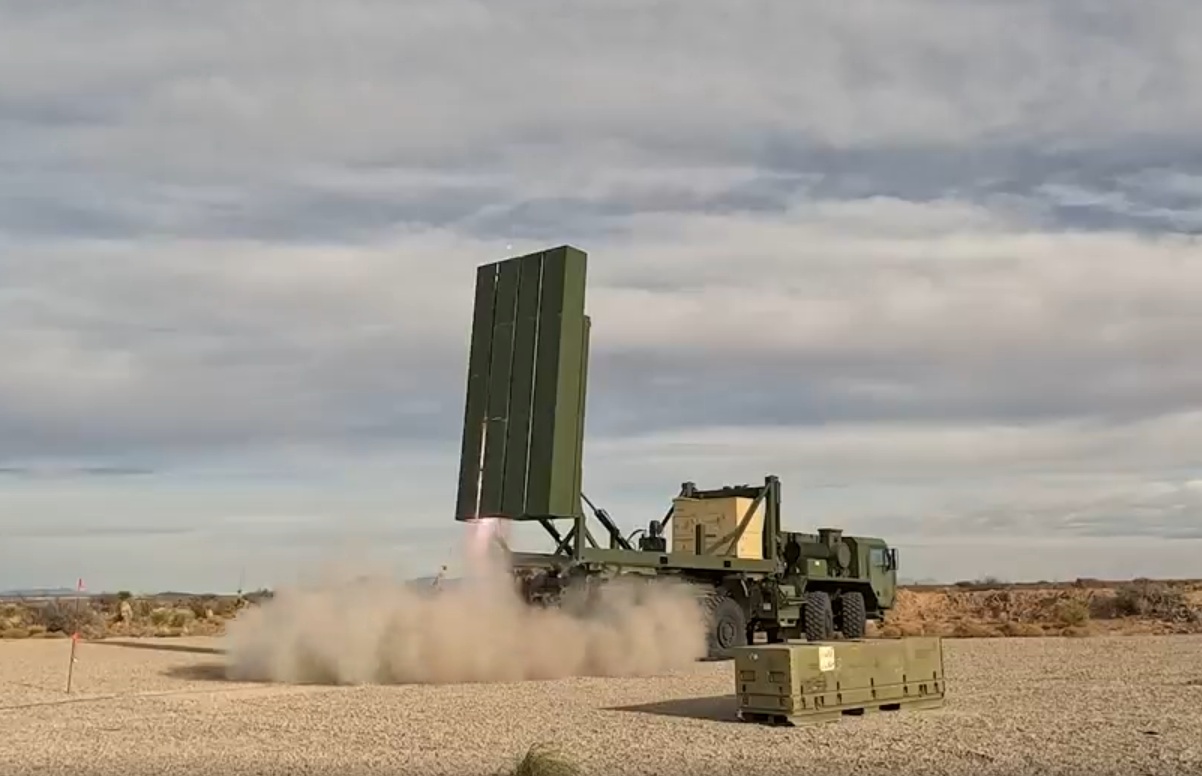
The United States Navy has awarded Castelion, based in Torrance, California, a $49,9 million order to advance development of the Blackbeard hypersonic weapon through full-scale prototyping, flight testing, and early operational fielding, according to a contract announcement released by the service. Work will be performed in Torrance and is scheduled for completion in November 2027.
The award supports efforts to accelerate development of a low-cost, highly manufacturable long-range strike weapon under a Small Business Innovation Research Phase III program. The contract focuses on moving the Blackbeard hypersonic system beyond experimental stages toward early operational capability.
According to the announcement, the order was issued against a previously established basic ordering agreement and funds continued development, integration, and testing activities tied to SBIR topic AF231-D026, titled “Low Cost Highly Manufacturable Long Range Strike Weapon Production.” Fiscal Year 2026 research, development, test, and evaluation funds from the Navy totaling $49,998,005 are being obligated at the time of award, with funding remaining available beyond the current fiscal year.
The Naval Air Warfare Center Aircraft Division in Lakehurst, New Jersey, serves as the contracting activity under order number N6833526F1022. The contract action was competed, indicating multiple eligible participants were considered before selection.
As noted in the contract notice, the work includes production of full-scale prototypes, flight testing campaigns, and operational fielding activities intended to demonstrate early deployable capability. These steps represent a transition from laboratory development toward real-world operational validation.
In practical military terms, hypersonic weapons are designed to travel at speeds exceeding Mach 5 while maintaining maneuverability during flight. This combination of speed and maneuver capability reduces reaction time for defensive systems and complicates interception compared with traditional ballistic or cruise missiles.
The Blackbeard program emphasizes manufacturability and cost efficiency alongside performance. The SBIR Phase III framework allows technologies initially developed under research programs to transition into operational acquisition pathways once technical feasibility has been demonstrated.
According to the Navy announcement, early operational capability efforts under the contract aim to integrate the system into realistic operational environments through testing and evaluation rather than remaining limited to prototype demonstrations. Flight testing will validate performance characteristics, integration requirements, and operational handling procedures.
The award comes as U.S. military services continue pursuing hypersonic strike systems that can be produced at scale rather than in limited experimental quantities. Programs emphasizing manufacturability seek to address challenges associated with complex supply chains and high production costs historically linked to hypersonic technologies.
In January, Castelion separately announced the launch of Project Ranger, a 1,000-acre hypersonic manufacturing campus in Sandoval County, New Mexico. According to the company, the project is intended to support high-cadence production of U.S. hypersonic strike systems through an integrated manufacturing environment.
The company said Project Ranger represents more than $220 million in private investment and is expected to create approximately 300 manufacturing jobs as production capacity expands. Castelion estimates the site could generate roughly $650 million in economic impact for New Mexico over the next decade.
According to Castelion, the campus will include facilities for solid rocket motor production, static testing, and final assembly of hypersonic weapons systems. The company stated that the first building is scheduled for completion this summer, with all 21 planned structures expected to be operational by the end of 2026, enabling continuous production workflows rather than limited prototype manufacturing.
The groundbreaking ceremony included participation from state, local, and military officials, including New Mexico Governor Michelle Lujan Grisham, United States Army Portfolio Acquisition Executive for Fires Lt. Gen. Frank Lozano, and NAVAIR Rapid Capabilities Cell Director Paul McGinty.
While the Project Ranger announcement represents a separate industrial initiative, it provides context for the Navy contract’s focus on scalable production and rapid transition from development to operational capability. Hypersonic programs increasingly emphasize industrial capacity alongside technological performance.
Content preview only. Full article available at source. View Full Article
The U.S. Navy awarded a $49.9 million contract to Castelion for the development of the Blackbeard hypersonic weapon, focusing on full-scale prototyping and flight testing. Work will be conducted in Torrance, California, with completion expected by November 2027. This initiative aims to transition the weapon system from experimental stages to early operational capability, supported by a new hypersonic manufacturing campus in New Mexico.
- U.S. Navy awarded a $49.9 million contract to Castelion for the Blackbeard hypersonic weapon development.
- The contract includes full-scale prototyping and flight testing scheduled for completion by November 2027.
- The Blackbeard system aims to achieve early operational capability and transition from experimental to operational stages.
- Castelion is also developing a hypersonic manufacturing campus in New Mexico to support production.
- The project emphasizes cost efficiency and manufacturability of hypersonic technologies.