
U.S. Strikes Iran Again, Iran Releases Footage of Attacks on U.S. Troops, Dispute Over Strait Passage Continues to Escalate
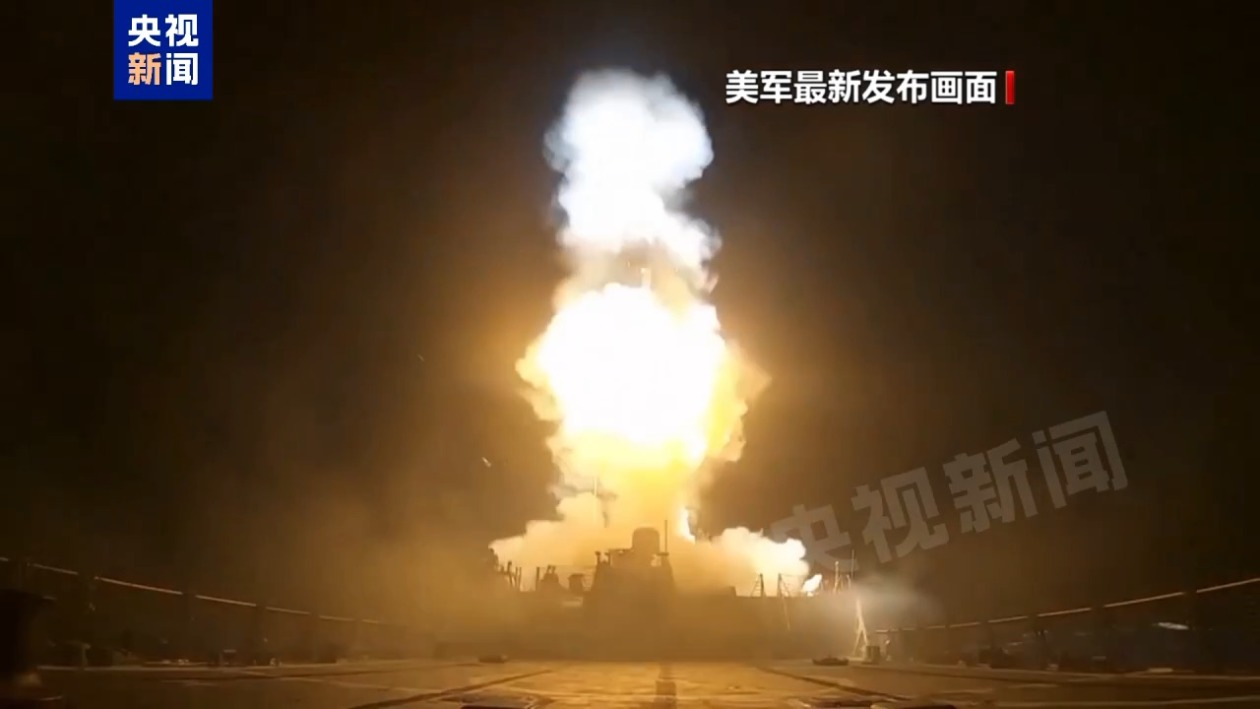
At 5 PM Eastern Time on the 12th, the U.S. military announced a new round of strikes against Iran, with explosions reported in multiple locations across Iran. Earlier that day, U.S. sources stated that the military targeted Iranian military objectives near the Strait of Hormuz. Additionally, both the U.S. and Iran have conflicting statements regarding the passage through the strait. Iran has repeatedly emphasized that the Strait of Hormuz is impassable, while the U.S. insists that the strait is open. The power struggle over control of the Strait of Hormuz continues to escalate, although diplomatic channels have not been completely closed.
U.S. Military Strikes Iran Again
Iran Releases Footage of Strikes on U.S. Forces in the Middle East
U.S. Military Targets Iranian Military Objectives Near the Strait of Hormuz
On July 12 local time, the U.S. Central Command stated that at 5 PM Eastern Time, the U.S. military began a new round of strikes against Iran. This marks the fourth strike by the U.S. military against Iran this week.
Tim Hawkins, a spokesperson for U.S. Central Command, stated that within the past hour, the Iranian Islamic Revolutionary Guard Corps fired upon commercial vessels passing through the Strait of Hormuz. The U.S. military successfully shot down an Iranian cruise missile and a drone. There has been no response from the Iranian side regarding this.
Earlier that day, the U.S. military "conducted several strikes against Iranian missile and air defense systems," and also "took action against small vessels of the Iranian Islamic Revolutionary Guard Corps at several locations around the Strait of Hormuz."
Multiple explosions were reported in the eastern direction of Abbas Port in southern Iran and in the waters around Qeshm Island. Local officials on Qeshm Island stated that since the afternoon of that day, the island has been attacked by 10 to 11 projectiles, all targeting military objectives, resulting in one death and two injuries locally.
Iran Releases Footage of Strikes on U.S. Forces in the Middle East
On the 12th local time, the Iranian Islamic Revolutionary Guard Corps released a video of missile strikes on U.S. military targets in the Middle East.
According to statements released by the Iranian Islamic Revolutionary Guard Corps and military on the 12th, in response to the U.S. military's attack on Iran earlier that day, Iran conducted strikes on multiple U.S. military bases and facilities in the Middle East, including the U.S. aircraft carrier logistics support center and refueling platform located at Duqm Port in Oman, Al Udeid Air Base in Qatar, and U.S. facilities in Jordan, Kuwait, and Bahrain.
The Iranian Islamic Revolutionary Guard Corps also stated that they struck a second "violating vessel" in the Strait of Hormuz, causing it to cease navigation.
Regarding the Passage Through the Strait of Hormuz
U.S. and Iran Each Hold Their Ground
U.S. Military Refutes Iran's Closure of the Strait
In response to the announcement by the Iranian Revolutionary Guard Navy on the 12th that the Strait of Hormuz would be closed starting that day, the U.S. Central Command posted on social media that "passage through the Strait of Hormuz continues," and that Iran does not control the strait.
The U.S. Central Command stated that the Strait of Hormuz is open to all vessels seeking legitimate passage through this international waterway. The U.S. military is prepared and deployed to ensure that navigation is not affected.
Iran Reiterates the Strait of Hormuz is Impassable
Later that day, the Iranian Persian Gulf Strait Management Authority issued a statement reiterating that the Strait of Hormuz is currently impassable. Once the situation stabilizes, they will resume reviewing applications for passage through the strait and issue necessary permits as planned.
Trump Insists the Strait of Hormuz "is Open"
On the 12th, U.S. President Trump insisted in a media interview that the Strait of Hormuz "is open," and placed the blame for the recent mutual attacks between the U.S. and Iran on Iran.
Trump stated, "The Strait of Hormuz is open. Last night we bombed them (Iran) hard." He also accused Iran of breaking promises, saying, "They (Iran) just agreed to a deal yesterday... and then less than an hour after leaving the room, they launched an attack."
The U.S. military stated that after a commercial vessel was attacked in the Strait of Hormuz, the U.S. military launched a new round of strikes against approximately 140 Iranian military targets. This marks the third strike by the U.S. against Iran within a week.
U.S.-Iran Struggle Over the Strait Continues to Escalate
Diplomatic Channels Have Not Been Completely Closed
Recently, there have been frequent military frictions between the U.S. and Iran, with the immediate trigger being the differing interpretations of the memorandum of understanding, while the deeper issue remains the struggle for control over the Strait of Hormuz.
Observations by reporters from the main station indicate that regarding the issue of the Strait of Hormuz, Iran has remained consistent in its recent statements. Iranian officials emphasize that security arrangements for the strait must be implemented according to the plan proposed by Iran and will not change due to U.S. military pressure. This reflects a fundamental divergence between the two sides regarding the rules of the strait: the U.S. seeks to promote vessels to use the international route closer to Oman and to ensure passage through military force, thereby weakening Iran's control over the strait. Iran, on the other hand, does not accept any "parallel routes" that bypass the country.
Additionally, looking back at Iran's three rounds of responses this week, the logic is that they are not afraid of conflict and are attempting to restore a balance of deterrence. However, as tensions escalate again, diplomatic channels between the U.S. and Iran have not been completely severed. In recent days, Qatar has continued to mediate between the U.S. and Iran, and the Omani Foreign Minister recently met with the Iranian Foreign Minister to discuss navigation management mechanisms. Trump previously stated that the U.S.-Iran ceasefire has ended, but Iran "wants to continue negotiations." Iran has stated that it has never actively proposed negotiations with the U.S. and only accepts visits from mediators to Iran. Both sides still retain diplomatic space, but mutual trust has been severely damaged. This also casts a shadow over the technical negotiations that were supposed to begin after Khamenei's funeral.
Iran currently does not show any eagerness to resume negotiations, which actually reflects Iran's judgment: although the U.S. possesses strong military strike capabilities, if Trump maintains military actions against Iran for a long time, he will also face various costs, including pressure from regional allies, risks in the energy market, and domestic and international political pressures. Iran believes its resilience is stronger and also trusts that time will be on Iran's side.
On July 12, 2023, U.S. Central Command conducted airstrikes against Iranian military targets near the Strait of Hormuz, marking the fourth strike within a week. The Iranian Revolutionary Guard Corps reported multiple explosions in the region and claimed to have targeted U.S. military bases in response. Tensions escalated as both nations disputed the navigability of the Strait of Hormuz, with the U.S. asserting it remains open for legitimate passage.
- U.S. military launched airstrikes against Iranian military targets on July 12, 2023.
- Iran reported multiple explosions in the vicinity of Abbas Port and Geshm Island.
- U.S. intercepted an Iranian cruise missile and drone during the conflict.
- Iran's Revolutionary Guard Corps released video of strikes against U.S. military targets in the Middle East.
- The U.S. and Iran are in a dispute over the control of the Strait of Hormuz.