
U.S. Strikes on Three Iranian Tankers Open Deterrence Front in the Gulf of Oman
 Ahmed Al-Rashid
U.S. Strikes on Three Iranian Tankers Open a Deterrence Front in the Gulf of Oman
On October 18, the U.S.-Iranian confrontation shifted from an attempt to protect the corridor to targeting an Iranian economic asset at sea. A report published by EnergyNow, citing information from U.S. Central Command, stated that the United States struck three Iranian oil tankers following missile attacks on U.S. warships. Media outlets also reported that Central Command confirmed the sinking of an Iranian tanker in the Gulf of Oman. At the time of preparing this report, I could not find a detailed public statement from CENTCOM confirming the names of the vessels, the locations of the strikes, or the number of tankers that sank; therefore, the identities of the vessels, flags, cargoes, casualties, and the number of those drowned remain under confirmation.
This detail is not marginal. Iran has used maritime threats in previous days as a low-cost pressure tool; targeting its tankers shifts the cost of the message to a direct account in Tehran: the risk is not limited to the passing commercial tanker but may extend to the oil that Iran itself exports. Practically, this is not a traditional maritime blockade or the protection of complete convoys; it is a strike-and-response equation in which it is tested who can raise the cost of insurance and export on the other faster.
Two Competing Narratives about One Corridor
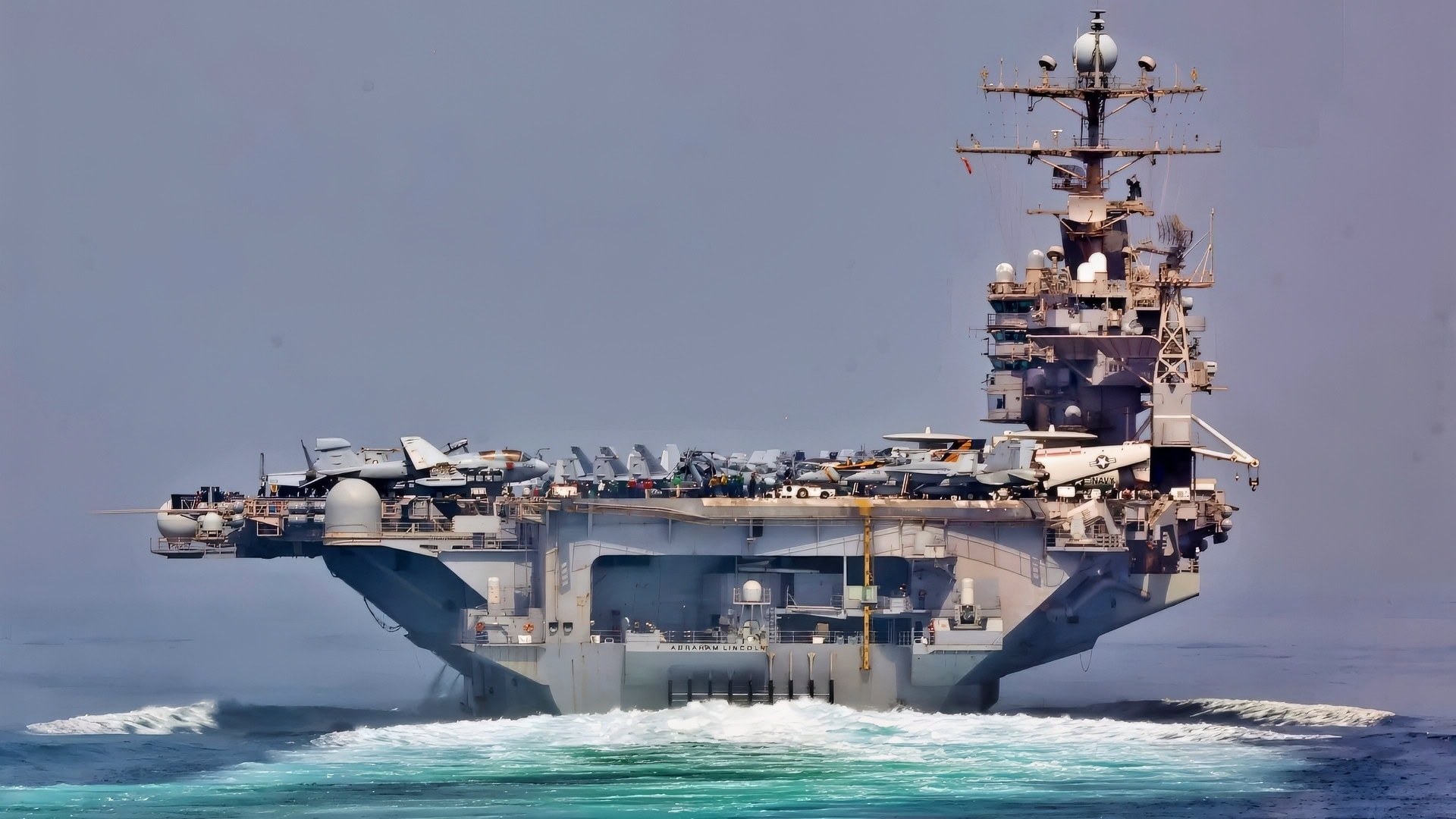
The more severe problem is not just the number of strikes but the gap between the operational descriptions of the strait. U.S. officials stated that the Strait of Hormuz is "fully open" and that 97% of vessels are crossing safely. In contrast, reports of attacks during October described the month as recording the highest rate of injuries or targeting of commercial vessels since the war began. The two numbers cannot simply be reconciled: the passage rate may mean that most vessels that decided to sail were not struck, but it does not measure the vessels that waited in ports, changed their course, paid higher war insurance premiums, or had their owners cancel the trip altogether.
This is the essence of the narrative war. Washington needs to show that freedom of navigation has not been broken so that Iranian deterrence does not become a commercial reality. Tehran only needs to keep the doubt alive so that passage becomes a painful financial decision. Actual control over the corridor does not require sinking every ship; it is enough that the captain and the insurance company do not know if the safe channel today is the same as tomorrow. Detailed public data from UKMTO regarding each incident, if released, would be the best reference to establish the final number of incidents.
From Minefields to Direct Strikes
This angle distinguishes the events of October 18 from the incident on October 17, when the Revolutionary Guard announced that two VLCC tankers were hit by mines in "unauthorized paths" and kept the strait closed. In that incident, the names of the tankers, their flags, the technical reason for the explosions, and the casualties remained under confirmation. The alleged new development is a direct U.S. response to Iranian tankers, not just an interception or mine sweeping or escorting ships. If its details are confirmed by CENTCOM, it would mean that Washington has shifted from managing the impact of the threat to expanding the list of targets related to the Iranian economy.
Militarily, choosing a tanker as a target is extremely sensitive. The tanker is a large, slow, and easily detectable target, but destroying or sinking it involves risks of pollution, fires, and rescuing sailors, and may create greater legal and political pressure than targeting a missile launch platform. Therefore, a journalistic headline should not be turned into a final judgment on the number of struck vessels or the nature of the munitions used. An official statement is required to specify the legal basis, the tanker’s responsibility for the attack, and the fate of the crews; until then, the details of the incident remain under confirmation.
The Israeli Signal Narrows the Margin of Error
The sea coincides with a more dangerous political escalation. President Donald Trump was quoted as saying that the United States may "end the mission soon" in Iran, publicly linking Benjamin Netanyahu's electoral support to the possibility that Washington may have to complete the mission alone if he loses. Netanyahu was also quoted as saying that Israel is prepared for a preemptive strike against Iran even without U.S. support, while the new Iranian defense minister, whose name is associated with UN sanctions due to the missile file, stated that his country is ready for war. The full verbatim texts of these statements and their official contexts remain under confirmation unless published by the White House, the Israeli government, and the relevant Iranian authorities in verifiable records.
However, the political signal exists even before documenting every word: Israel wants the adversary to understand that the absence of the American umbrella is not a veto on action; and Washington uses ambiguity to keep Tehran in a state of constant calculation. The danger here is that the electoral message and the military message do not move at the same speed. Tehran may read a message directed at the American voter or the Israelis as a cover for an imminent strike, opting for a preemptive maritime action. Any military officer who has served in the Gulf knows that minutes of warning do not distinguish between a message directed at the press and a message directed at missiles.
The Gulf Pays the Price of Measuring Will
The tankers in Hormuz are not military assets, but they have become daily indicators of the credibility of both American and Iranian power. Gulf states have ports, tanks, and expensive air defense systems, but they do not have a quick alternative to maritime regularity nor the independent capability to clear mines and secure every route and ship. Equipment is important, but the actual capability here is a triangle of reconnaissance, training, and joint command; it is not something countries buy with a defense contract when alerts begin.
In summary, the claim of opening the strait and the announcement of its closure may both be partially true at the same time: movement may continue, but at a higher cost, time, and risk. As for the strikes on Iranian tankers, if officially confirmed, they will push the conflict from a competition over the narrative of passage to a competition over the exportability of oil itself. The contradiction that cannot be hidden is that Washington seeks to prove freedom of navigation by force, while the strikes and responses make the sea more central in the war it seeks to contain.
Points Still Under Confirmation
- The names of the three Iranian tankers, their ownership, flags, cargoes, and strike locations.
- Whether one or more tankers actually sank in the Gulf of Oman, and the number of crew members and their condition.
- The type of previous missile attacks on U.S. Navy ships and their direct connection to each targeted tanker.
- The unified count of ship incidents in October, the 97% passage rate, and the methodology for calculating it.
- The complete official texts of statements by Trump, Netanyahu, and the new Iranian defense minister.
Sources
- EnergyNow, October 18, 2026, report on strikes against Iranian tankers attributed to CENTCOM.
- U.S. Central Command, press releases and maritime operation records, final details review required.
- UKMTO, navigation warnings and incident reports in the Strait of Hormuz and the Gulf of Oman.
- Reuters, AP, Al Jazeera, and Iran International, coverage of statements and maritime movements, with remaining discrepancies under confirmation.
On October 18, the U.S. Navy conducted strikes on three Iranian oil tankers in the Gulf of Oman, responding to missile attacks on U.S. warships. CENTCOM confirmed the sinking of at least one tanker, marking a significant escalation in U.S.-Iran tensions. This operation indicates a shift in U.S. strategy, targeting Iranian economic assets directly.
- U.S. struck three Iranian oil tankers in the Gulf of Oman on October 18.
- The strikes were a response to previous missile attacks on U.S. warships.
- CENTCOM confirmed the sinking of at least one Iranian tanker.
- The situation reflects a shift in U.S. strategy towards Iranian economic targets.
- Political tensions are escalating with statements from U.S. and Israeli officials.