
Using an Abacus and a Slide Rule to Outsmart American Fighter Jets, His Life is Too Hardcore!
At 25, he dedicated himself to national defense, anchoring his patriotic aspirations amidst the flames of war; from the Tsinghua campus to the aerospace battlefield, he faced tough challenges in radar technology's barren land, dedicating his life to forge the country's aerospace shield.
Recently, the Central Station's "My Home, My Country" interviewed Zhang Luqian, an academician of the Engineering Academy, to explore his story of safeguarding the skies of the motherland.
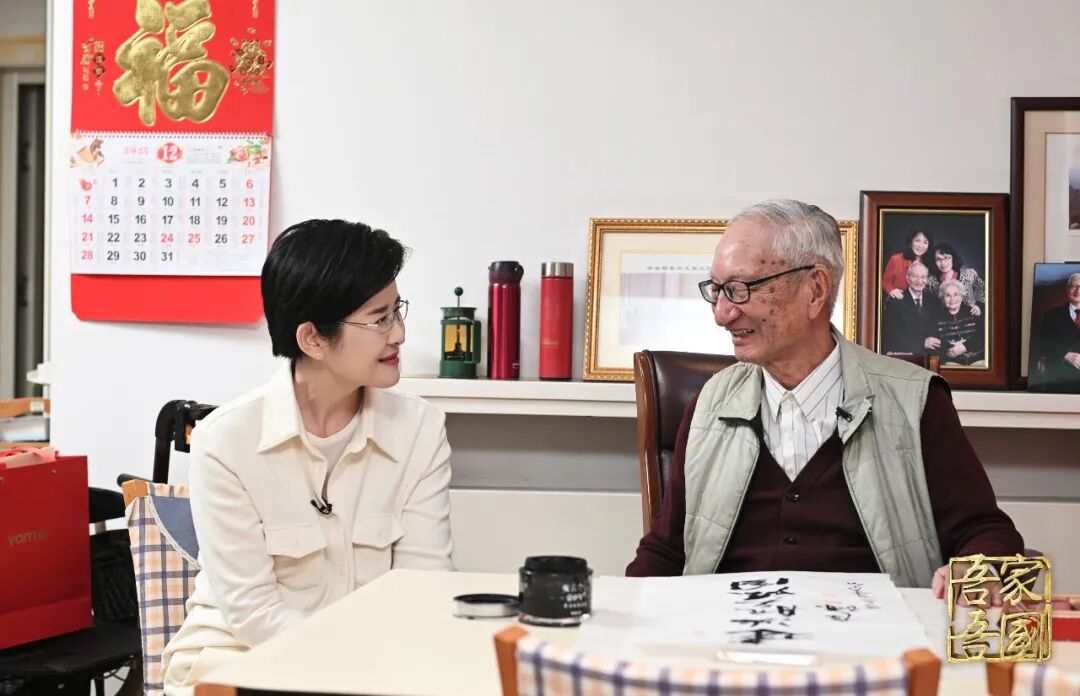

In 1951, on the battlefield of the Korean War, the U.S. B-29 bombers wreaked havoc with electromagnetic interference. The 25-year-old Zhang Luqian was urgently summoned to the front lines to solve the air defense problem caused by the U.S. military's electromagnetic interference.
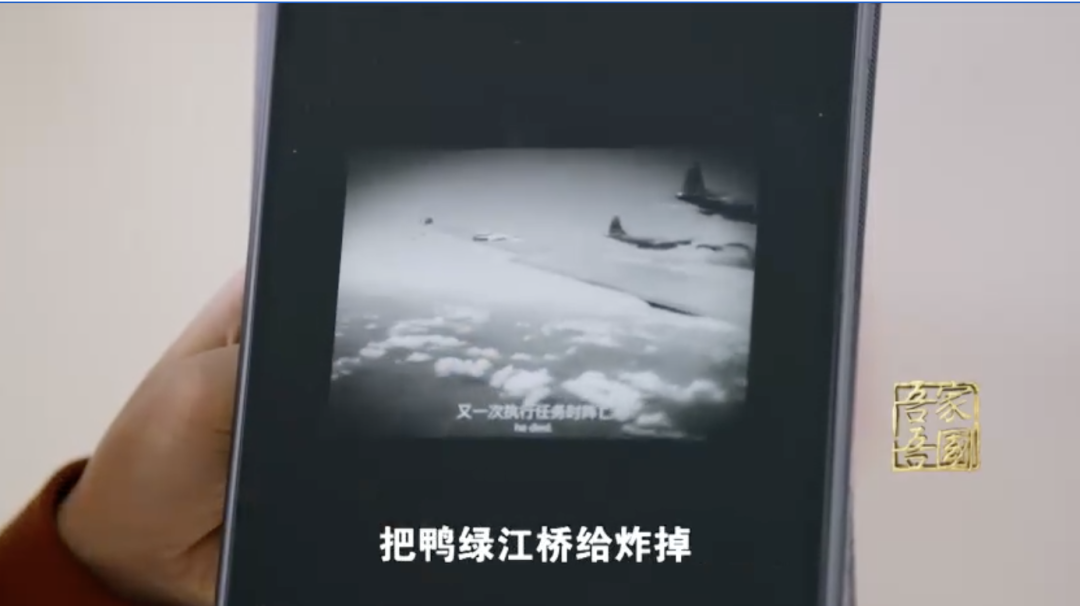
At that time, Zhang Luqian had just graduated from Tsinghua University and had never studied radar. He faced rudimentary radar equipment and an unfamiliar combat environment. He devoured radar manuals and consulted frontline technicians, mastering the core principles of radar in just a few days.
Inspired by his mentor Ye Qisun, Zhang Luqian devised a method of frequency modulation to counter interference, successfully breaking through the U.S. military's electromagnetic blockade. "When I couldn't find metal on the front line, I suddenly saw a can on the windowsill. The can was metal, and after cutting it up and placing it in the radar transmitter and receiver, I could change the frequency."
After returning to the country, Zhang Luqian led the establishment of the first radar interference and counter-interference group in the military, completing the first radar counter-interference operational specifications for the armed forces, which have been used by radar units across the military for a long time. The rapid frequency modulation counter-interference approach he proposed remains one of the most critical counter-interference methods in modern radar.
The practical experience on the battlefield made Zhang Luqian realize that to solidify the foundation of China's radar industry, he first needed to address the theoretical shortcomings. He spent 12 years studying authoritative literature in the radar field worldwide, totaling 28 volumes of the foreign edition of the "Radar Series," integrating cutting-edge theory with practical experience, laying a solid foundation for China's radar industry from scratch to independent research and development.

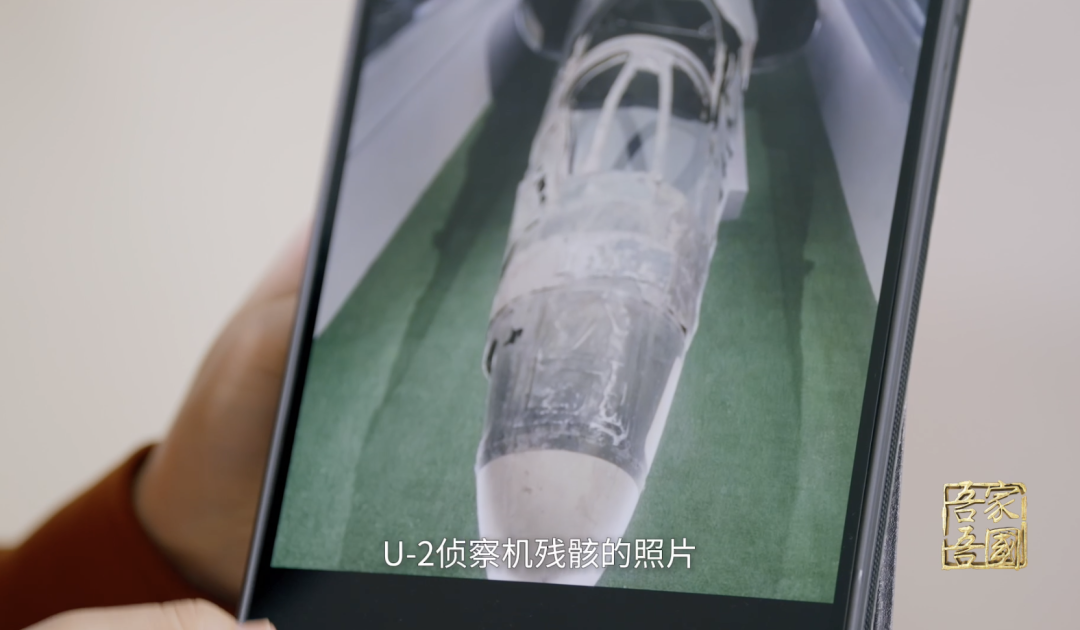
In 1962, during the critical phase of China's "Two Bombs, One Satellite" development, the U.S. U-2 reconnaissance aircraft frequently intruded into Chinese airspace to steal intelligence. After our military shot down an enemy aircraft for the first time, the U.S. military quickly equipped advanced counter-interference devices, causing our radar interceptions to repeatedly fail.
Zhang Luqian volunteered to go to the front lines, fully committed to finding a solution. In an era without computers, he led his team using only an abacus and a slide rule to repeatedly calculate the flight parameters of enemy aircraft and the optimal strike range for missiles, creating the "close strike, quick strike" tactic to achieve precise interceptions.
After the successful detonation of China's first atomic bomb, the enemy immediately intensified reconnaissance efforts, deploying U-2 reconnaissance aircraft 11 times within two months to intrude into Chinese airspace for intelligence gathering. Our missile forces employed the "close strike, quick strike" tactic to respond, but none hit their targets. The repeated failures were due to an upgrade in electronic countermeasures.
Zhang Luqian's team determined that the U.S. military had equipped the U-2 reconnaissance aircraft with a new response-type interference device that could accurately intercept our military's radar channels and then forward false signals to deceive. This put our military's radar in a dilemma of "the more accurately aimed, the further off target," significantly increasing the difficulty of electronic warfare.
Zhang Luqian then turned the tables, developing a radar that emitted false signals to confuse enemy aircraft. When they initiated interference, the real radar would seize the opportunity to lock onto the target accurately.
From 1962 to 1967, he led his team to continuously break through electronic countermeasure technologies, helping our military shoot down U-2 reconnaissance aircraft. In 1967, our military deployed the self-developed "Hongqi No. 2" missile and radar, shooting down the last U-2 that intruded into our airspace. Since then, this "air ace" has not reappeared in our skies.

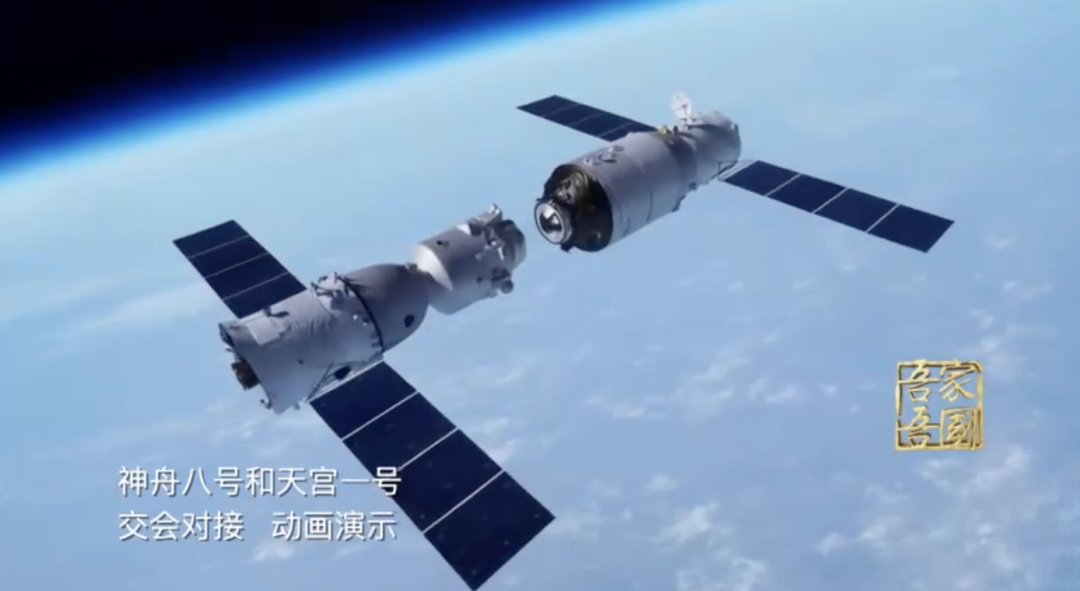
Zhang Luqian's name embodies the essence of "braving difficulties and remaining humble," a life lesson imparted by his father from a young age, which he has practiced throughout his life. Even at 69, when he was elected as an academician of the Chinese Academy of Engineering, he never stopped his research work. At 84, he was once again called to duty, serving as the chief expert of the measurement and control special group for the docking of Tiangong-1 and Shenzhou-8.
This task was a milestone challenge in China's aerospace history, requiring two spacecraft weighing several tons to achieve a precise docking of 0.05 meters in space, a difficulty comparable to "threading a needle from miles away."
Over six months, Zhang Luqian led his team to identify over 900 issues, visiting multiple provinces and research units, working more than 10 hours a day, leading the verification of solutions, and ultimately producing a 100,000-word special evaluation report that addressed all the flaws in the original plan. "We need to eliminate these problems on the ground; we must conduct experiments for everything we can think of; if we don't experiment, we won't go to space."
In the early hours of November 3, 2011, the Shenzhou-8 spacecraft docked precisely with Tiangong-1, and the mission was a complete success, making China the third country in the world to master this technology independently.
Zhang Luqian said that he has only done two things in his life: one is learning, and the other is practice. "What I personally do is just a drop in the ocean, contributing a little strength; the cause is great, and the individual is small."
Zhang Lvqian developed radar interference techniques to counter U.S. B-29 bombers during the Korean War and later led efforts to intercept U-2 reconnaissance aircraft from 1962 to 1967. His innovations in radar technology and tactics significantly enhanced the capabilities of the Chinese military, culminating in the successful interception of U-2s. Zhang's contributions continued into his later career, impacting China's aerospace endeavors.
- Zhang Lvqian developed radar countermeasures against U.S. B-29 bombers during the Korean War.
- He led the first radar interference team in the Chinese military.
- Zhang's tactics contributed to the successful interception of U-2 reconnaissance aircraft.
- He authored the first radar counter-interference operational guidelines for the Chinese military.
- Zhang continued to contribute to military technology into his later years, including space missions.