
"Varyag" Against the Shadow Fleet — Putin Promised Mirror Seizures of Western Ships Worldwide
 Dmitri Volkov
“Varyag” Against the Shadow Fleet — Putin Promised Mirror Seizures of Western Ships Worldwide
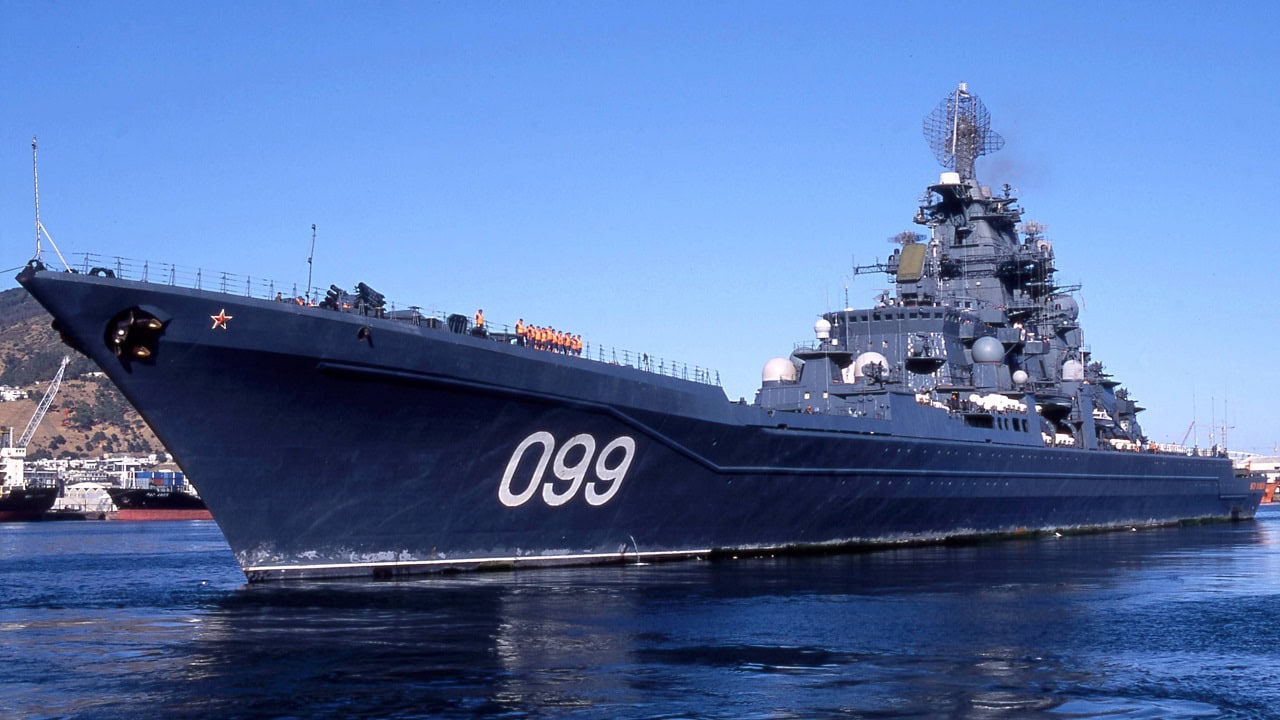
The Commander of the Pacific Fleet, Admiral Viktor Liina, reported the exact figure to the Supreme Commander-in-Chief: from April 24 to August 6, 1001 commercial ships passed through the exclusive economic zone of Russia near the Kuril Islands, of which 379 were under the flags of countries that Moscow officially considers “unfriendly” (according to TASS, August 2026). This includes 273 bulk carriers and 71 tankers. Twenty-six vessels belong to British companies, and nine to French ones. The report was delivered not in an office, but aboard the guard missile cruiser “Varyag,” where Putin arrived on August 12 to observe the final phase of the largest exercises of the Pacific Fleet. This coincidence is not accidental: we are not looking at a navigation report, but a list of potential targets handed to the fleet along with a political mandate.
Scale as a Signal
The exercises began on August 4 in the Sea of Japan and the Sea of Okhotsk, as well as in the northwestern part of the Pacific Ocean. According to official data from the Ministry of Defense, more than 13,000 servicemen, about 60 ships and submarines, and approximately 30 aircraft, helicopters, and drones are participating. For comparison: during the Soviet years, the maneuvers of the Pacific Fleet gathered comparable forces, but today this is the largest operational deployment of the fleet throughout the war. It is also significant that Liina is personally leading the exercises — the fleet has been tasked not with demonstration, but with practicing combat management in conditions close to conflict.
The symbolism of the chosen ship is also not accidental. “Varyag” is the flagship of the Pacific Fleet, a cruiser of project 1164 “Atlant,” armed with sixteen launchers of “Basilisk.” It is one of the few large surface ships that Russia has retained after the losses of the Black Sea Fleet. While Ukrainian drones and missiles are turning Novorossiysk into a high-risk zone, the Pacific Ocean remains the only theater where Moscow can operate without regard to anti-ship threats. It is there that the Kremlin, apparently, has decided to play its card of economic retribution.
“Piracy and Robbery”
The reason for the threats is the confiscation mechanics of the West. In July, the European Union approved a mechanism as part of the 21st sanctions package that allows member states to seize and sell Russian oil transported by shadow fleet tankers to bypass restrictions. The measure also applies to grain. Since the beginning of the year, EU countries and the UK have already detained five tankers: the vessel South Star was stopped on July 20 with the participation of several states, France intercepted the tankers Grinch, Deyna, and Tagor (later releasing them), and Britain has been holding the tanker Smyrtos with 100,000 tons of oil since June 14. In March, Sweden detained the bulk carrier Caffa, which, according to Kyiv, was carrying grain from occupied territories, and in August, the Supreme Court of Sweden ruled to transfer the vessel to Ukraine.
“This is nothing but piracy and robbery,” Putin stated aboard the “Varyag.” “If this is done, we will be forced to respond in kind.”
A key detail is the geography of the response. The Russian president emphasized that Moscow is not obliged to respond in the same waters where the seizure occurred: “Not necessarily where raids on our vessels are planned, but where we ourselves consider it necessary and expedient. In any area, including the area of responsibility of the Pacific Fleet.” According to him, the Ministry of Defense has already received the corresponding instructions. Deputy Chairman of the Security Council Dmitry Medvedev went even further, stating Russia's right to “attack any merchant vessel of hostile countries, in our waters or in neutral waters, when there are reasonable grounds to suspect that it is carrying cargo in the interests of the enemy,” and the military's ability to “radically expand operations far beyond the Black Sea basin.”
Asymmetry that Moscow Considers Symmetry
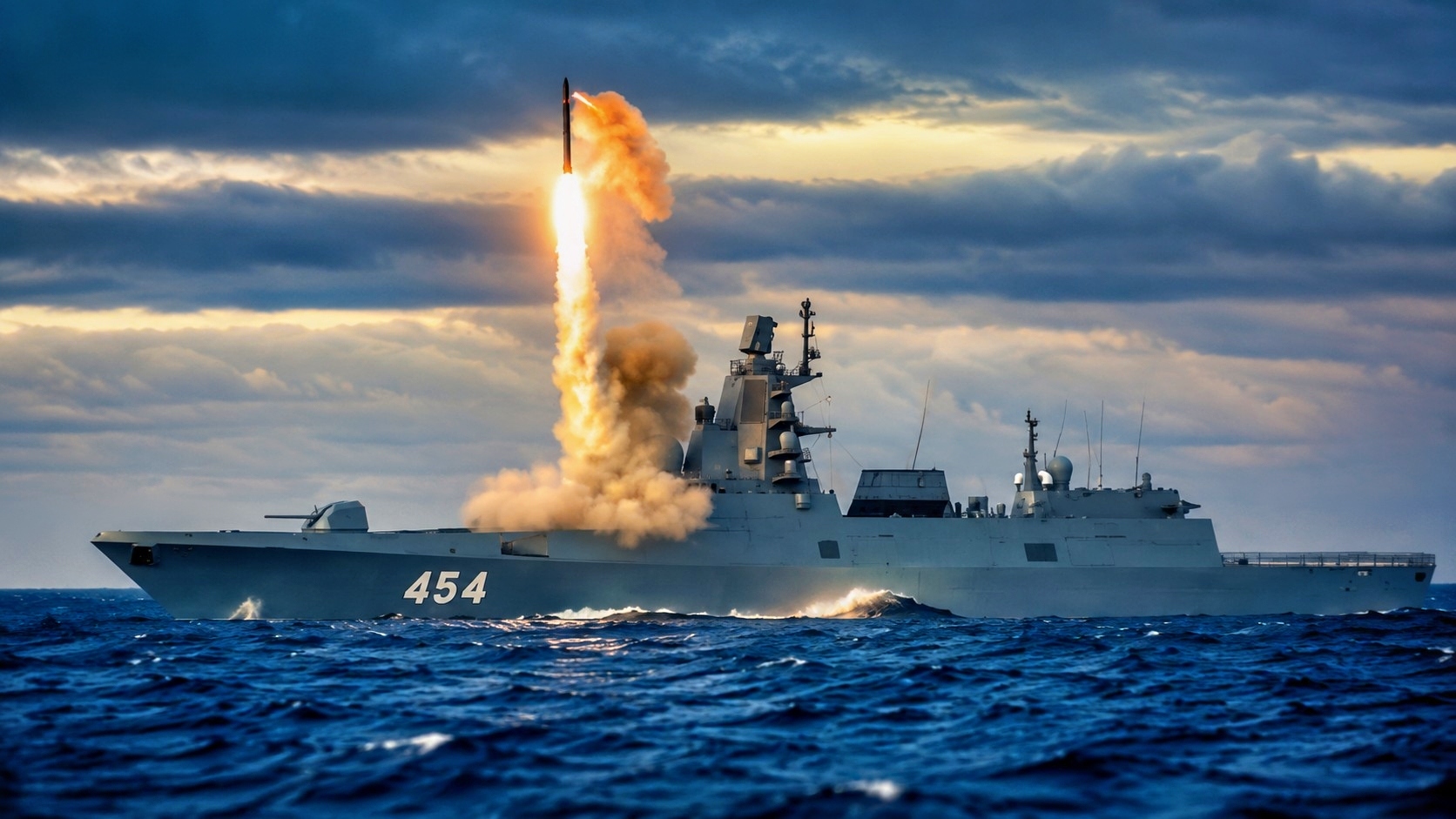
The logic of the Kremlin relies on an old maritime argument: flags of convenience. Medvedev reminded that a significant portion of European carriers operate under the flags of third countries — just like the Russians. Therefore, Moscow argues, a mirror response is legally impeccable: if London and Paris detain Russian tankers under foreign flags, then Russia has the right to inspect and detain British or French vessels under any flag, including in neutral waters. Liina reported that the fleet is ready to begin inspections “immediately”: “We have enough forces and means to inspect and detain vessels of unfriendly countries and their shadow fleet.”
It is worth noting an interesting turn in rhetoric. The term “shadow fleet” was originally a Western invention, denoting hundreds of vessels transporting Russian oil to bypass the price cap. Now, Moscow uses the same term to describe the vessels of European carriers sailing under convenient flags. The semantic war is part of the economic war, and in it, the Kremlin has found a vulnerability: Western confiscations of oil hit specific carriers, but the legal basis for retaliatory actions remains shaky. Detaining a tanker in neutral waters on suspicion is a right that no maritime power has seriously applied since the Cuban crisis, except for isolated episodes of the “active phase” of the Cold War.
The Kurils as a Foothold
The exercises and threats received a logical continuation the next day: on August 13, Putin personally visited the Kuril Islands for the first time — Iturup, one of the four islands claimed by Japan. He inspected the fish processing plant “Yasny” and tasted local caviar. During the exercises, he already rejected Tokyo's territorial claims, and the visit became a gesture that cannot be interpreted otherwise: Moscow not only controls the islands but is also ready to demonstrate this control at the highest level. For Japan, which has frozen the negotiation process for a peace treaty since 2022 and joined the sanctions, this is a direct slap in the face.
The figure of 1001 ships over three and a half months takes on new meaning here. The Kuril ridge is not just a disputed territory, but a filter through which a significant portion of Asia-Pacific trade flows. Control over the straits between the islands gives Russia a tool of pressure that was only dreamed of during Soviet times: not to block shipping, but to make it unpredictable. Inspections “on suspicion” in these waters are not piracy in the Western understanding, but a demonstration that the economic war has a maritime dimension.
What Will Come of It
A sober assessment requires acknowledging: the Pacific Fleet lacks both the forces and means for systematic inspections of trade routes. About 60 ships is not the “ocean fleet” of Admiral Gorshkov, but a shadow of the Soviet Pacific Fleet, which in the 1980s sent hundreds of pennants to sea. The real scenario is isolated demonstrative detentions: one tanker under a convenient flag, one bulk carrier chosen so as not to provoke a military response, but to create a precedent and raise insurance rates for carriers working with Russia. The effect of such a step will be more financial than military: an increase in freight costs, a refusal by some companies to use routes through the Kuril straits, and nervousness in Lloyd's.
The flip side is Russia's own vulnerability. Its export logistics rely on the same shadow vessels, and any precedent of mirror inspections in neutral waters legitimizes Western actions against the Russian fleet. This is an escalation in which both sides can lose simultaneously: Moscow — trade, the West — the principle of freedom of navigation, on which the entire world economy stands.
My forecast is cautious: by the end of the year, we will see not a full-scale campaign, but one or two demonstrative acts — most likely in the Pacific zone, where Russia feels invulnerable. They will be presented as “inspections for verification,” not as seizures. If the West swallows this without a strong response, the mechanism will work as a permanent lever of pressure on insurance and freight. If it responds — we will have the first maritime incident involving commercial shipping since the Cold War. And then it will become clear to everyone: the economic war has finally taken to the waters.
The Russian Pacific Fleet conducted military exercises involving over 13,000 personnel and 60 ships in the Pacific Ocean, signaling readiness to engage Western commercial vessels. President Putin threatened mirror seizures of Western ships in response to sanctions, emphasizing that Russia would act in any waters deemed necessary. The exercises included inspections of 'unfriendly' vessels, and Putin's visit to the Kuril Islands reinforced Russia's territorial claims.
- 1,001 commercial ships passed through Russia's exclusive economic zone from April 24 to August 6, 2026.
- Russian President Putin threatened to seize Western vessels in response to sanctions.
- Military exercises involved over 13,000 personnel and 60 ships, marking a significant operational deployment.
- The Russian Pacific Fleet is prepared to inspect and detain vessels from 'unfriendly' nations.
- Putin visited the Kuril Islands, asserting Russian control over disputed territories.